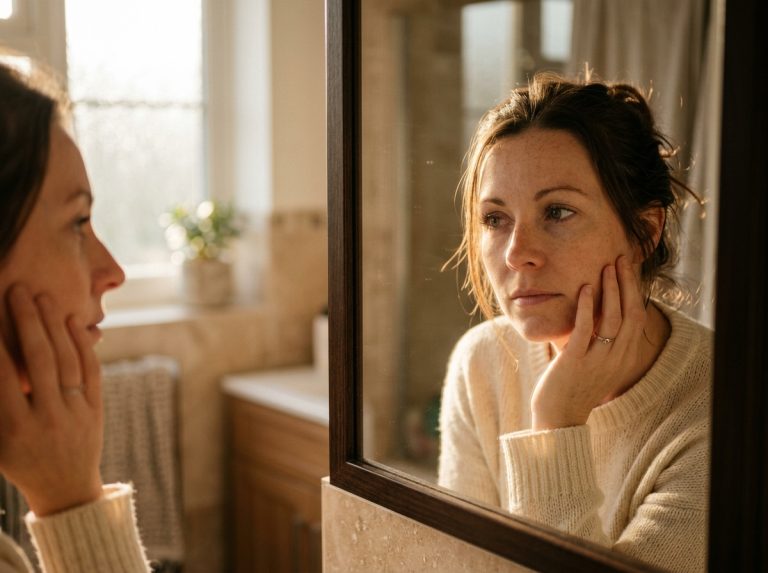
There was a Tuesday morning when I laughed at a commercial about laundry detergent—actually laughed out loud—and then found myself crying into my cereal bowl fifteen minutes later because the milk had gone sour. Not weeping. Full-on sobbing, as if that expired dairy had personally betrayed me.
I used to think this was just who I was becoming. The woman who felt everything too much, too fast, too unpredictably. My emotions seemed to operate on their own weather system—sunny one moment, stormy the next, with no forecast I could trust.
If you’ve ever stood in your kitchen wondering why you’re furious at the coffee maker, or found yourself snapping at people you love for reasons that evaporate the moment the words leave your mouth, you know this particular kind of exhaustion. It’s not just the big emotions that wear you down. It’s never knowing which version of yourself will show up next.
When Your Own Mind Becomes Unfamiliar Territory
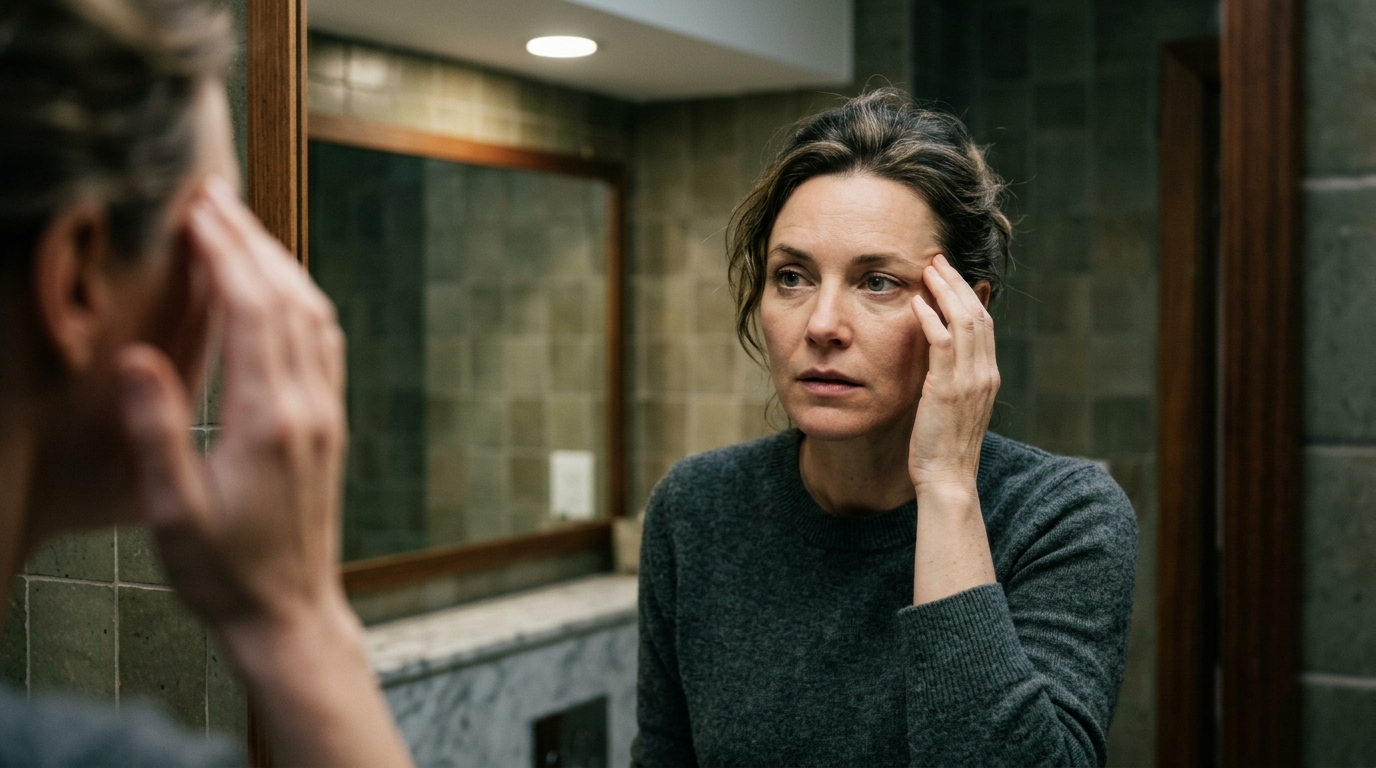
The hardest part wasn’t the crying or the sudden flashes of irritation. It was the way I started second-guessing every feeling that arose. When something genuinely upset me, I’d wonder: is this real, or is this just my hormones talking? When I felt happy about something small—a text from a friend, the way afternoon light hit my kitchen counter—I’d brace for the inevitable crash.
I became a stranger to my own emotional landscape. The woman who used to feel steady, who prided herself on being the calm one in crisis situations, was now checking the emotional weather every few hours like someone preparing for a hurricane.
My partner started asking if I was okay with the kind of gentle concern usually reserved for someone running a fever.
This wasn’t sadness or anxiety in any form I recognized. This was something else entirely—like my internal thermostat had broken and was cycling through every setting at random. One afternoon, I actually googled “am I losing my mind” and felt relieved when the search results pointed toward perimenopause instead of a complete psychological breakdown.
Ready to trust your emotions again instead of surviving them daily?
The Remedies That Promised Everything and Delivered Nothing
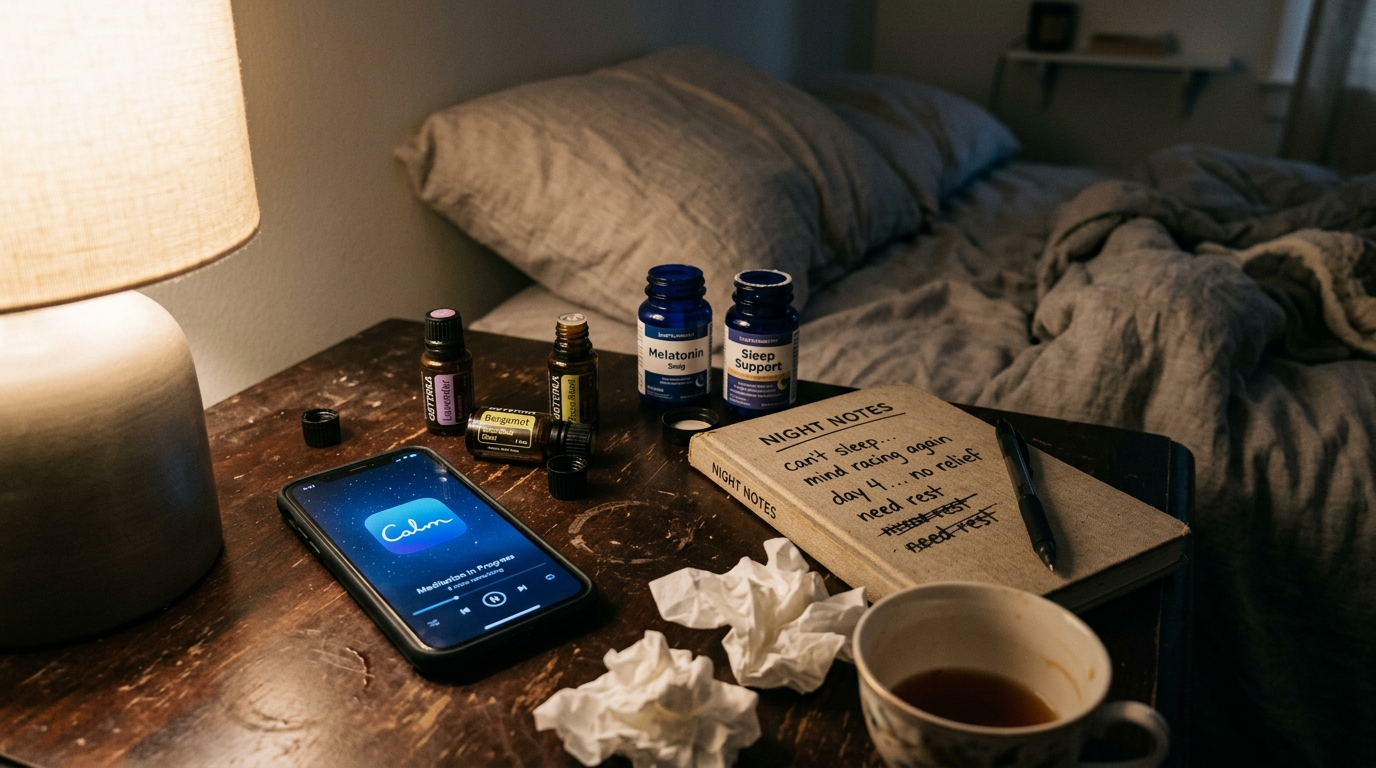
I tried the usual suspects first. Deep breathing exercises that worked beautifully when I remembered to do them, which was approximately never during an actual emotional storm. Meditation apps that I’d download with great hope and abandon after three days when sitting still felt like torture. Exercise helped sometimes, but on the days when I most needed it, getting to the gym felt as impossible as climbing Everest in bedroom slippers.
Friends suggested everything from cutting out caffeine (which made me more irritable, not less) to taking long baths with lavender oil (lovely in theory, but hard to enjoy when you’re sobbing into the bubbles for no reason). The internet was full of advice about managing mood swings through lifestyle changes, and while some of it made sense, none of it addressed the feeling that my body was operating independently of my brain.
I started keeping a mood journal, thinking I’d find patterns. Tuesday: cried during a dog food commercial. Wednesday: snapped at the cashier for asking if I wanted my receipt. Thursday: felt euphoric about reorganizing the spice rack, then devastated when I couldn’t find the oregano.
The only pattern I could identify was complete unpredictability.
Your emotional chaos deserves real support, not just temporary management strategies.
The Science Behind the Storm

What I didn’t understand then was how precisely hormonal fluctuations can hijack the brain’s emotional regulation systems. When estrogen levels start their chaotic dance during perimenopause, they don’t just affect reproduction—they influence neurotransmitters like serotonin and GABA that directly control mood stability. Think of it like this: your emotional thermostat isn’t broken, but someone keeps randomly adjusting the settings from the outside.
One moment you’re receiving clear signals about what warrants an emotional response, and the next moment your brain is treating a minor inconvenience like a major life crisis because the chemical messengers are scattered and confused.
The mood swings weren’t a character flaw or a sign of weakness. They were a normal response to a very real biological upheaval.
Understanding this didn’t make them less exhausting, but it did help me stop blaming myself for feeling like I was losing control of my own mind.
What if feeling like yourself again was possible sooner than expected?
What Actually Worked: Support From the Inside Out

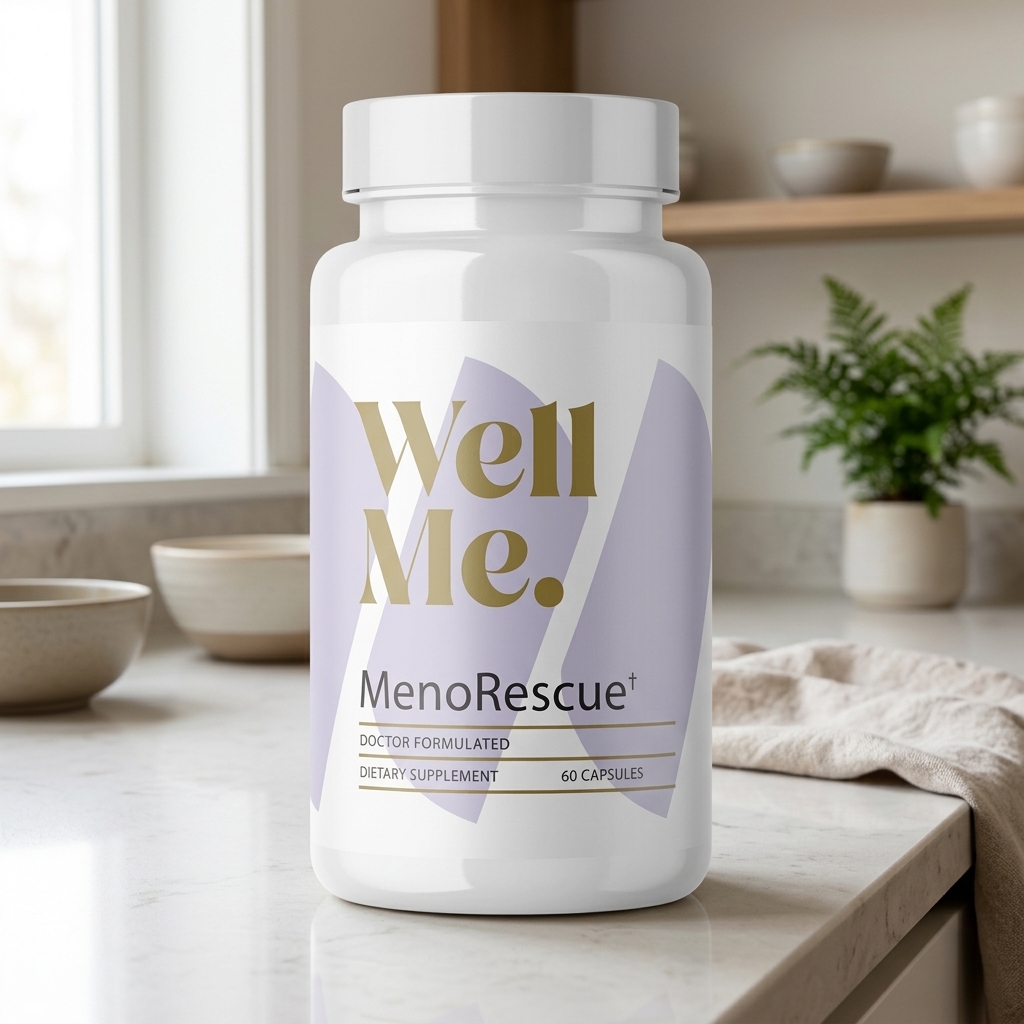
Real change started when I focused less on managing the symptoms and more on supporting the underlying hormonal chaos. I discovered MenoRescue during one of those 2 AM research sessions that happen when you can’t sleep because your emotions feel too big for your body. What caught my attention wasn’t promises of instant calm, but the focus on helping the body navigate hormonal transitions more smoothly.
The difference wasn’t immediate or dramatic—this isn’t a story about taking a pill and waking up emotionally transformed. Instead, it was like gradually turning down the volume on the internal noise.
The first thing I noticed was that the emotional swings felt less severe. I’d still get upset about things, but the feelings had boundaries now. They felt proportional again.
Within a few weeks, I realized I wasn’t bracing myself for emotional whiplash anymore. I could feel sad about something genuinely sad without wondering if the sadness would spiral into something uncontrollable. I could enjoy a good moment without waiting for it to shatter. My emotions started feeling like my own again, rather than weather patterns I was powerless to influence.
Reclaim Your Emotional Balance
When hormones hijack your mood, gentle support can guide you back to feeling like yourself again.
MenoRescue works with your body’s natural processes to help stabilize the hormonal fluctuations that create emotional chaos. Instead of managing symptoms, you’re supporting the underlying changes that cause them. Feel proportional responses return, trust your emotions again, and wake up without checking your internal weather forecast.
- ✓ Emotions that feel like your own again
- ✓ Responses that match your experiences
- ✓ Steady ground beneath changing feelings
The Mornings When I Started Trusting Myself Again

There was a morning about two months later when I woke up feeling neutral—not happy, not sad, just quietly steady—and realized I couldn’t remember the last time I’d felt that way. Not the forced calm that comes from suppressing feelings, but the natural equilibrium that lets you respond to life instead of reacting to it.
I made coffee without analyzing my mood. I read the news without my chest tightening into knots.
When my neighbor’s dog barked incessantly at 7 AM, I felt appropriately annoyed but not like I wanted to scream into a pillow for twenty minutes. These might sound like small victories, but when you’ve been living with emotional chaos, ordinary feelings become profound gifts.
The most surprising change was how it affected my relationships. I stopped apologizing constantly for my moods or warning people about my “bad days.” Conversations flowed more naturally when I wasn’t spending half my mental energy monitoring my emotional state. My partner mentioned that I seemed more like myself again, and I realized he was right—I’d forgotten who that person was.
You have permission to seek support that actually addresses the root cause.
Learning to Navigate Instead of Fight

Even with better hormonal support, I still have emotional days. The difference is that now they feel like weather I can dress for, rather than natural disasters I have to survive. When sadness comes, it feels clean and purposeful. When joy appears, I can trust it to stay for a while instead of bracing for its departure.
I’ve learned to recognize the difference between a feeling that deserves attention and a feeling that’s just biochemical static. Some days my emotions still run higher or lower than usual, but they move through me now instead of taking up permanent residence. I can have a difficult day without questioning my sanity or apologizing for being human.
The mood journal became unnecessary once I started trusting my emotional responses again. When everything feels proportional and manageable, you don’t need to track it obsessively.
You can just live it.
Ready for mornings when you wake up feeling steady and confident?
Finding Your Own Steady Ground

If you’re reading this while wondering if you’ll ever feel emotionally stable again, I want you to know that the chaos isn’t permanent. Your emotions aren’t broken—they’re responding to real changes happening in your body, and those changes can be supported and stabilized.
You don’t have to accept emotional turbulence as your new normal, and you don’t have to choose between feeling everything intensely or feeling nothing at all. There’s a middle ground where emotions can be trusted again, where your responses match your experiences, where you can wake up without checking the emotional weather forecast.
The woman who cried over sour milk still exists in me, but now she shows up only when there’s actually something worth crying about. And when she does appear, I know she’ll move through and move on, leaving space for whatever comes next. That’s not just hormonal balance—that’s coming home to yourself again.
Written by Liora Menden — for those who seek emotional balance
Your emotional responses can feel proportional and trustworthy again with proper support.