The first sign wasn’t dramatic. I simply noticed that choosing what to wear in the morning had become strangely exhausting. Standing in front of my closet, holding two perfectly reasonable options, I felt a familiar weight settle in my chest — the weight of one more decision in a mind already running at capacity. This wasn’t about clothes. This was about a nervous system that had been saying yes to everything for so long, it had forgotten how to find its natural rhythm.
I used to think stress management meant better time management or more bubble baths. But what I was experiencing went deeper than surface-level overwhelm. My body was stuck in a state of hypervigilance, and no amount of scheduling adjustments could restore the ease I craved. Every input — from morning news to evening plans — felt amplified, like someone had turned up the volume on life itself.
That’s when I realized I needed to address what was happening at the cellular level, not just the surface symptoms.
The constant flood of stress hormones had become my new normal, and my body had lost its ability to distinguish between real threats and everyday moments of friction.
The Invisible Load That Changes Everything

Nervous system overload doesn’t announce itself with fanfare. It creeps in through tiny accumulations — the extra projects you couldn’t say no to, the family dynamics you absorbed as your own responsibility, the background worry that became as constant as your heartbeat. For months, I’d been operating in what I now recognize as chronic activation mode, where every system in my body was perpetually prepared for crisis. The symptoms were subtle at first. Food started tasting flat. Conversations required more energy than they used to.
I found myself getting startled by sounds that wouldn’t have registered before — the dog barking next door, my phone buzzing, even someone calling my name from another room. My nervous system had become like a smoke detector with a dying battery, going off at the slightest provocation.
What I didn’t understand then was how this constant state of alert was flooding my system with cortisol and adrenaline, creating a biochemical environment where rest became almost impossible. My body was doing exactly what it was designed to do — protect me from danger. The problem was, it couldn’t tell the difference between a looming deadline and an actual threat.
Ready to help your nervous system remember its natural rhythm?
When Rest Stopped Working

I tried all the traditional approaches to managing stress. Weekend getaways that felt more exhausting than restorative because my mind couldn’t actually settle. Meditation apps that left me more frustrated because I couldn’t quiet the mental chatter long enough to follow along. Even massage felt wrong — my shoulders would relax temporarily, then snap back to their defensive position the moment I walked outside.
The most telling sign was what happened to my sleep. I could fall asleep easily enough, worn down by the day’s accumulated tension. But I’d wake up feeling like I’d been working all night, my jaw clenched, sheets twisted, dreams filled with the same anxious problem-solving that dominated my waking hours. My nervous system wasn’t resting even when my body was horizontal.
This is when I realized that nervous system overload isn’t something you can think your way out of. It’s a physiological state that requires physiological intervention.
The stress response had become so ingrained in my body’s operating system that I needed to address it at the hormonal level, not just the mental level.
Discover what happens when your body learns to trust rest again
The Science of Stuck Systems

Understanding what was actually happening in my body changed everything. When we’re chronically stressed, our adrenal glands keep pumping out cortisol — our primary stress hormone — even when the immediate stressor has passed. Over time, this creates a state where cortisol levels remain elevated throughout the day and fail to follow their natural rhythm of rising in the morning and declining at night. This disrupted cortisol pattern affects everything: our immune function, our ability to digest food properly, our capacity for deep sleep, even how our cells repair themselves overnight.
I was essentially living in a body that thought it was being chased by a tiger, 24 hours a day. No wonder choosing an outfit felt overwhelming.
The breakthrough came when I learned about cortisol regulation — not just stress management techniques, but actual support for helping my body remember its natural rhythms. This wasn’t about eliminating stress entirely, which isn’t realistic or even healthy. It was about giving my nervous system the support it needed to respond appropriately to stress and then return to baseline.
Your cortisol levels don’t have to stay stuck in emergency mode
The Missing Piece I Hadn’t Considered

For months, I’d been approaching my overwhelm as if it were a schedule problem or a mindset issue. But the real shift happened when I started supporting my body’s ability to manage cortisol naturally. This meant addressing the root cause — the dysregulated stress response itself — rather than just trying to cope with the symptoms.
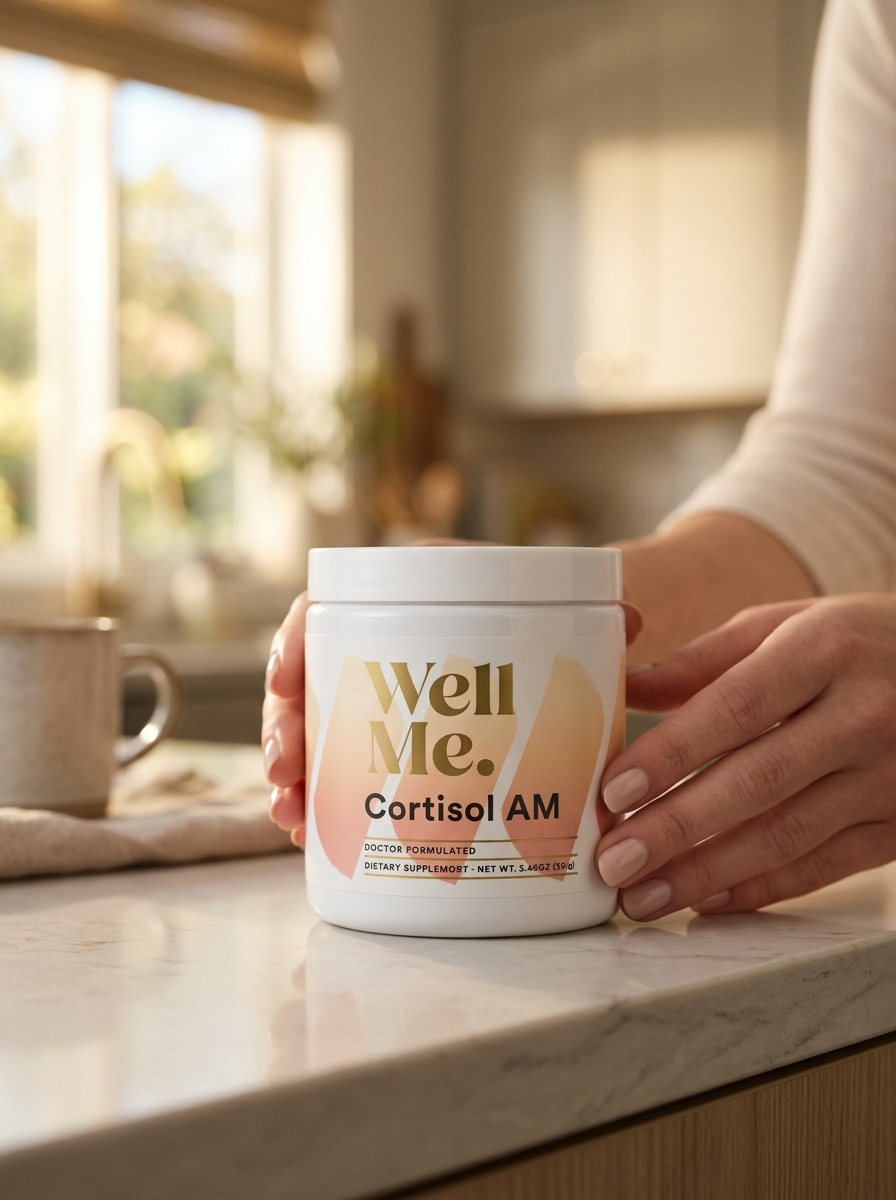
That’s when I discovered Cortisol AM, a supplement specifically designed to help regulate cortisol levels and support healthy stress response. Unlike the band-aid approaches I’d been trying, this addressed what was happening biochemically. Within days of starting it, I noticed something I hadn’t felt in months: the ability to take a full breath that actually reached the bottom of my lungs.
The change wasn’t dramatic or sudden. It was more like watching a tightly wound spring slowly release its tension.
My shoulders started to soften naturally throughout the day. Food began to taste interesting again. Most remarkably, I found myself sleeping through the night and waking up feeling like I’d actually been somewhere restful, rather than just unconscious.
Reset Your Stress Response
Support your body’s natural cortisol rhythm and rediscover genuine calm.
When your nervous system is stuck in overdrive, ordinary moments feel overwhelming. Cortisol AM helps regulate your stress hormone levels naturally, allowing your body to respond appropriately to stress and return to baseline. Experience the difference when your system remembers how to truly rest and restore.
- ✓ Wake up feeling genuinely rested instead of already activated
- ✓ Navigate daily stressors without everything feeling like an emergency
- ✓ Rediscover your capacity for joy and genuine connection
What Actually Changed

Three weeks into supporting my cortisol regulation, I realized I’d made it through an entire grocery shopping trip without feeling drained. This might sound trivial, but for someone whose nervous system had been treating every public outing as a potential threat, it was profound. The fluorescent lights didn’t feel harsh. The checkout line didn’t make me fidgety. I was simply present, purchasing food, like a person whose system trusted the world enough to relax.
My mornings transformed completely. Instead of waking up already in problem-solving mode, checking my phone before my feet hit the floor, I found myself naturally taking a moment to notice how I felt. The urgency that had driven every morning routine began to ease, replaced by something I hadn’t experienced in years: genuine curiosity about the day ahead.
The most significant change was in my capacity for joy. When your nervous system is chronically activated, positive experiences get muted because your brain is too busy scanning for potential problems. As my cortisol levels found their natural rhythm, colors seemed brighter, conversations felt engaging rather than effortful, and I rediscovered my ability to laugh at things that were actually funny.
Experience what it feels like when ordinary moments feel manageable again
Learning to Trust the Process

Recovery from nervous system overload isn’t linear. There were days when old patterns resurged, when I caught myself holding my breath or clenching my jaw during perfectly ordinary moments. But now I had tools that worked at the physiological level, not just the cognitive level. Cortisol AM became part of my morning routine, as essential as coffee but infinitely more nourishing to my overall system.
What surprised me most was how this shift affected my relationships. When you’re not constantly braced for impact, you have so much more capacity for genuine connection. I found myself listening to friends without simultaneously running my mental to-do list. I could be present with my family without feeling like I needed to be solving or managing something.
The ripple effects extended into every area of my life. Work projects that used to feel overwhelming became manageable challenges. Social invitations stopped feeling like energy drains and returned to being opportunities for connection. Even mundane tasks like answering emails or doing laundry felt neutral rather than burdensome.
Give your body the specific support it needs to regulate naturally
The Reset That Actually Lasted

Six months later, I can honestly say that supporting my cortisol regulation was the turning point. Not because life became stress-free — that’s neither realistic nor desirable — but because my body remembered how to respond to stress appropriately and then return to calm. I can handle challenging days without them bleeding into challenging weeks. I can be present for difficult conversations without my nervous system interpreting every raised voice as an emergency.
The woman who used to feel overwhelmed by choosing morning clothes now approaches decisions with a clarity I’d forgotten was possible. My nervous system has space again — space to discern, to enjoy, to rest when rest is what’s needed and engage when engagement serves me. This wasn’t about perfection or eliminating all stress from my life. It was about restoring my body’s natural capacity to navigate stress without getting stuck in survival mode.
If you recognize yourself in this story — if ordinary moments feel heavier than they should, if rest doesn’t restore you, if your body seems to have forgotten how to truly relax — know that there are solutions that work at the level where the problem actually lives. Sometimes the most profound changes happen not through force or willpower, but through giving your body the specific support it needs to remember its own wisdom.
Written by Liora Menden — for those who seek inner calm
Transform overwhelm into clarity with natural cortisol regulation support