It started with a Tuesday morning meltdown over spilled coffee. Not the kind of gentle “oh darn” moment you’d expect from someone who’s handled far worse – but a full-body wave of frustration that felt completely out of proportion. I stood in my kitchen, watching the dark liquid spread across my counter, and realized something had shifted. My emotions weren’t just responses anymore. They were driving the car.
The weeks that followed painted a picture I didn’t recognize. One moment I’d feel capable and clear, the next I’d find myself crying during a commercial about laundry detergent. My patience with small inconveniences evaporated. Sleep became elusive, not because of external stress, but because my mind wouldn’t settle into the quiet spaces it once found easily.
I’d heard friends mention “hormonal mood swings” in passing, usually with a knowing laugh or eye roll. But experiencing the reality felt different – less like a predictable monthly rhythm and more like sailing in unpredictable weather. The intensity caught me off guard. So did the way it seemed to color everything, from how I interpreted conversations to how I approached simple daily tasks.
The Emotional Weather System Nobody Prepared Me For

Hormonal mood swings don’t arrive with a forecast. Unlike the more predictable shifts I’d experienced in younger years, these felt like storm systems with their own logic. One afternoon, I’d feel emotionally steady and optimistic. By evening, the same circumstances that felt manageable hours earlier would seem overwhelming. What struck me most was how these emotional shifts affected my relationships with familiar things.
My morning routine, which had always felt grounding, started feeling either too slow or too rushed depending on the day. Conversations with people I loved sometimes left me feeling misunderstood, not because of what was said, but because of how intensely I was receiving everything.
I began tracking these patterns, not in a clinical way, but simply paying attention to when the emotional intensity felt disproportionate to the moment. What I discovered was that my body was communicating something important – something about transitions and changes that were happening beneath the surface of my daily awareness.
Ready to support your body through this natural transition?
When the Usual Approaches Stopped Working

My first instinct was to reach for the strategies that had always worked. More sleep, better nutrition, regular exercise, meditation – all the foundational practices I’d relied on for emotional regulation. And while these remained important, they weren’t quite addressing what felt like a deeper shift in how my system was processing stress and change. I tried adjusting my sleep schedule, thinking perhaps I just needed more rest. I experimented with different types of movement, wondering if my body needed a different kind of physical release.
I even explored various breathing techniques and mindfulness practices, hoping to create more space between trigger and reaction. These approaches helped to some degree – they provided moments of calm and clarity.
But the underlying volatility remained. It was as if I was treating the symptoms of something that needed attention at a different level entirely.
The emotional swings weren’t just responses to external stressors; they seemed connected to something more fundamental happening in my system.
Give yourself permission to seek the support you deserve.
The Science Behind the Storm

What I learned about hormonal mood swings helped me understand why my usual coping strategies felt insufficient. During certain life transitions, particularly around perimenopause and menopause, our bodies undergo significant hormonal shifts that directly impact neurotransmitter function – the chemical messengers that regulate mood, sleep, and stress response. Estrogen, in particular, plays a crucial role in serotonin production and regulation. As estrogen levels fluctuate and decline, our brain’s ability to maintain emotional equilibrium can be affected.
This isn’t a matter of willpower or emotional resilience – it’s a physiological process that requires physiological support.
Understanding this helped me reframe my experience. The intensity I was feeling wasn’t a personal failing or a sign that I needed to try harder with my mindfulness practice. It was information about what my body needed during a natural but challenging transition. This shift in perspective opened me up to exploring targeted nutritional support.
Experience what balanced hormonal support can feel like.
The Search for Real Solutions

I started researching supplements specifically formulated for hormonal transitions, looking for something that addressed the root physiological changes rather than just masking symptoms. The market felt overwhelming – so many products promising quick fixes or targeting individual symptoms without considering the complex interplay of hormonal systems. What I was looking for was something comprehensive, backed by research, and designed by people who understood the nuanced experience of hormonal mood swings.
I wanted support that would work with my body’s natural processes rather than against them, something that could help restore the emotional equilibrium I remembered without artificial interventions.
After weeks of research and consultation with healthcare providers who specialized in women’s hormonal health, I discovered MenoRescue. What drew me to this particular supplement was its comprehensive approach – it didn’t just target one aspect of hormonal balance but addressed multiple pathways involved in mood regulation, stress response, and overall hormonal harmony.
Trust your body’s wisdom and provide what it needs.
The Components That Made the Difference
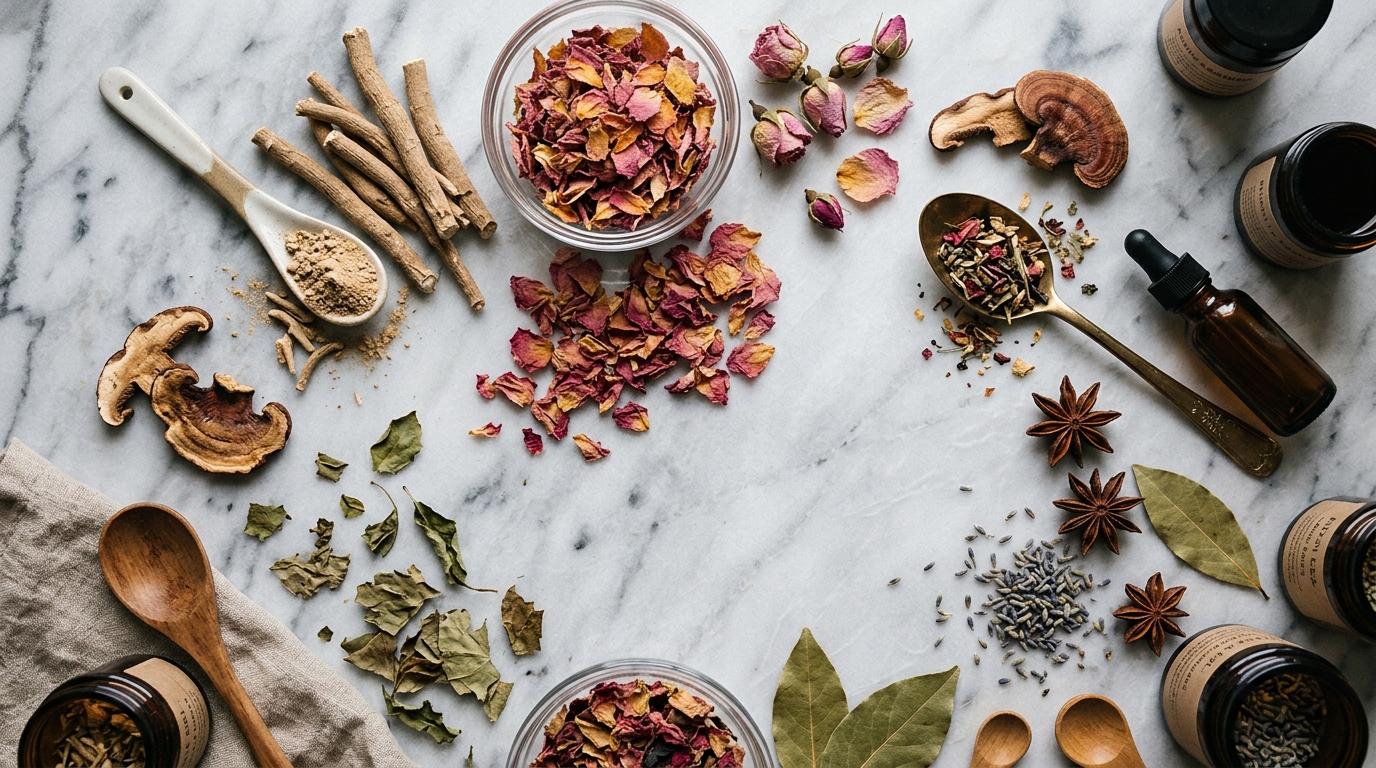
MenoRescue stood out because of its thoughtful combination of ingredients, each targeting different aspects of hormonal mood regulation. The formula includes adaptogens like ashwagandha and rhodiola, which help the body manage stress responses more effectively. These herbs have been used for centuries to support emotional resilience during times of transition. The supplement also contains compounds that support healthy neurotransmitter function, including precursors to serotonin and GABA – the brain chemicals most directly involved in mood stability and relaxation.
What impressed me was how these ingredients worked synergistically rather than as isolated compounds.
Additionally, MenoRescue includes nutrients specifically chosen to support the body’s natural hormone production and metabolism. This isn’t about replacing hormones artificially, but about giving the body the building blocks it needs to maintain better hormonal balance during times of natural change.
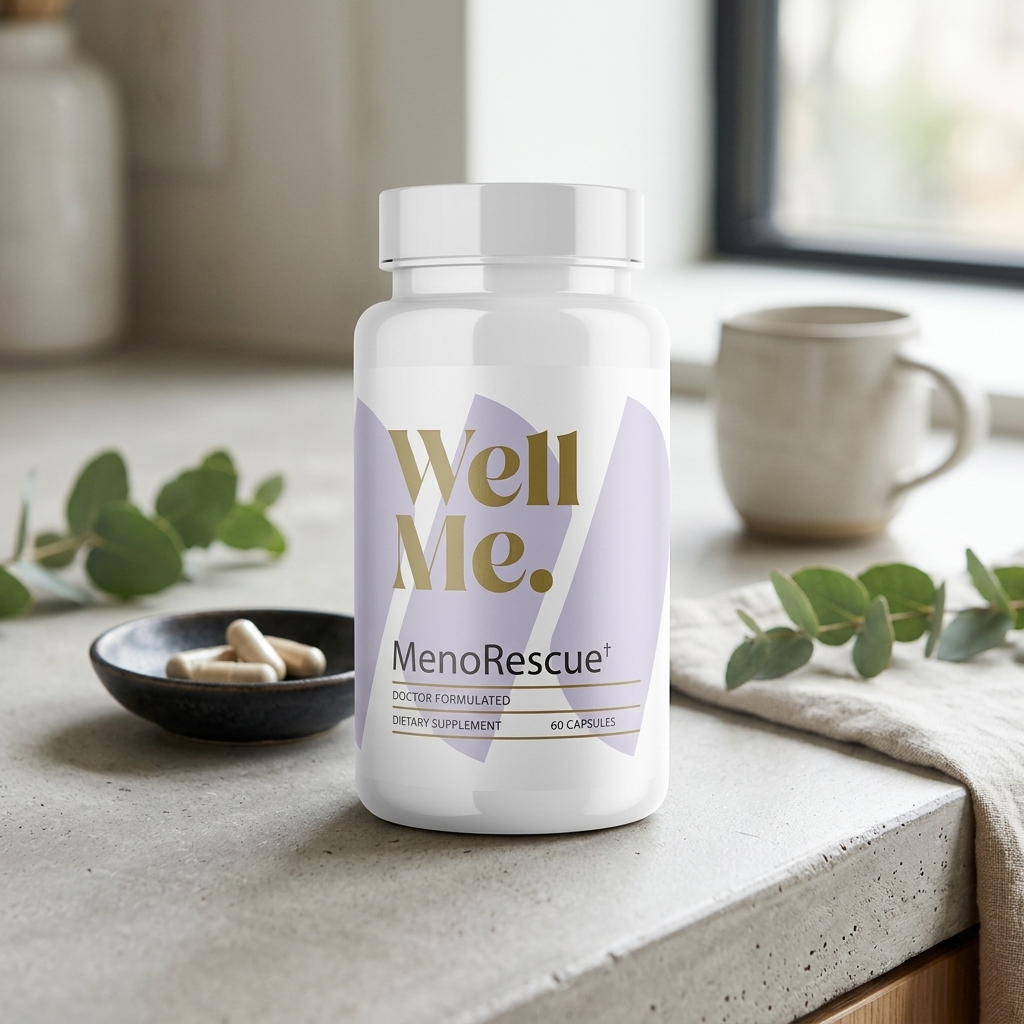
Find Your Emotional Balance
Support your body through hormonal transitions with targeted nutritional care.
MenoRescue combines adaptogens, neurotransmitter precursors, and hormone-supporting nutrients to help regulate mood swings naturally. Ashwagandha and rhodiola work with your body’s stress response while supporting serotonin and GABA production for emotional stability.
- ✓ Gentler emotional responses to daily stress
- ✓ Better sleep and morning energy
- ✓ Renewed confidence in your reactions
The Gradual Return to Emotional Stability

The changes didn’t happen overnight, which initially made me wonder if the supplement was working. But after about three weeks of consistent use, I noticed something subtle but significant: the intensity of my emotional responses began to feel more proportionate to the situations that triggered them. Spilled coffee remained annoying, but it didn’t derail my entire morning. Difficult conversations still required energy and attention, but I found myself able to navigate them without feeling overwhelmed by the emotional charge.
Sleep began to come more easily, and with better rest came better emotional regulation during the day.
What felt most significant was the return of emotional resilience – the ability to bounce back from small setbacks without carrying them into the next hour or day.
I realized how much energy I’d been spending managing the intensity of my reactions, and how much more capacity I had for other things when that intensity settled into a more manageable range.
Take the first step toward emotional equilibrium and peace.
Beyond Mood: The Ripple Effects

As my emotional landscape became more stable, I noticed improvements in areas I hadn’t expected. My relationships felt easier to navigate – not because circumstances changed, but because I was showing up with more consistent energy and patience. Work projects that had felt overwhelming began to seem manageable again. Physical symptoms I’d been experiencing – tension in my shoulders, digestive irregularities, periodic headaches – also began to improve.
I learned that hormonal mood swings rarely exist in isolation; they’re often part of a broader pattern of hormonal imbalance that affects multiple body systems.
Perhaps most importantly, I regained trust in my own emotional responses. When feelings arose, I could better distinguish between reactions that were proportionate and useful versus those that were amplified by hormonal fluctuations. This distinction gave me back a sense of agency in my emotional life.
You deserve to feel like yourself again during this transition.
The Daily Reality of Balanced Living

Now, several months into using MenoRescue, my days have a different quality. I still experience the full range of human emotions – joy, frustration, excitement, concern – but they feel more like visitors than permanent residents. Challenges still arise, but they don’t activate the same level of physiological stress response that was making everything feel harder than it needed to be. Morning routines feel grounding again rather than overwhelming. Conversations with loved ones happen from a place of presence rather than reactivity.
Sleep comes more naturally, and I wake feeling more restored. The cumulative effect of these small improvements has been profound – a return to feeling like myself, but with greater awareness of how to support my body through natural transitions.
What I’ve learned is that hormonal mood swings aren’t something to endure or manage through willpower alone. They’re information about what our bodies need during times of change.
Responding to that information with appropriate support can make the difference between surviving these transitions and actually thriving through them. For me, that support came in the form of a comprehensive supplement designed specifically for the complex needs of hormonal balance, combined with the same foundational practices I’d always valued – rest, movement, and mindfulness – now enhanced by better physiological stability.
Written by Liora Menden — for those who seek balance
Ready to feel the difference this formula makes?