My knuckles woke me up before my alarm did.

Not sharp pain — nothing that dramatic. Just a dull, swollen tightness in both hands, like I’d been gripping something all night. I flexed them open under the covers and felt every year of my age in the delay between wanting to move and actually moving. The thing is, I’d eaten perfectly the day before. Salmon. Spinach. Olive oil. Brown rice. Berries for dessert. Not a single thing on that plate would raise an eyebrow from any nutritionist on earth.
So why did my body feel like it was punishing me for something?
That question — the unfairness of it, the confusion — is what finally pushed me past the usual advice. Past the food swaps. Past the “eat the rainbow” articles I’d already memorized. I didn’t need another grocery list. I needed to understand why my body was still inflamed when I’d already done everything right.
⸻
The strange gap between eating well and feeling well

I had done the work. Swapped white bread for whole grain. Tossed the sugary granola bars. Cooked salmon twice a week. My fridge was a wall of greens, berries, olive oil, and fresh herbs.
And still — the low-grade stiffness in my fingers every morning. The puffiness around my eyes that no amount of water seemed to fix. A tiredness that wasn’t laziness. It lived deeper than that, like something smoldering behind the walls of a clean house.
I started reading about anti-inflammatory nutrition for aging with new eyes. Not beginner-level swaps. Not “eat more berries.” I wanted to understand why my body was still running an inflammatory signal even after I’d cleaned up my inputs. What I found changed everything I thought I knew about food and inflammation.
Inflammation isn’t just about what enters your mouth

Here’s something that rarely gets said in the usual nutrition advice: your cells have their own energy crisis.
Inside nearly every cell in your body are mitochondria — small structures that turn nutrients into usable energy. When they’re working well, everything flows. Recovery happens. Morning feels like morning. But when mitochondria are sluggish or damaged — which happens more as we age — your cells can’t process even the best nutrition efficiently. Waste builds up. Signals misfire. And one of the loudest signals your body sends when cellular energy production falters? Inflammation.
Feed the fire underneath
Your cells need more than clean plates — they need the energy to use what you give them
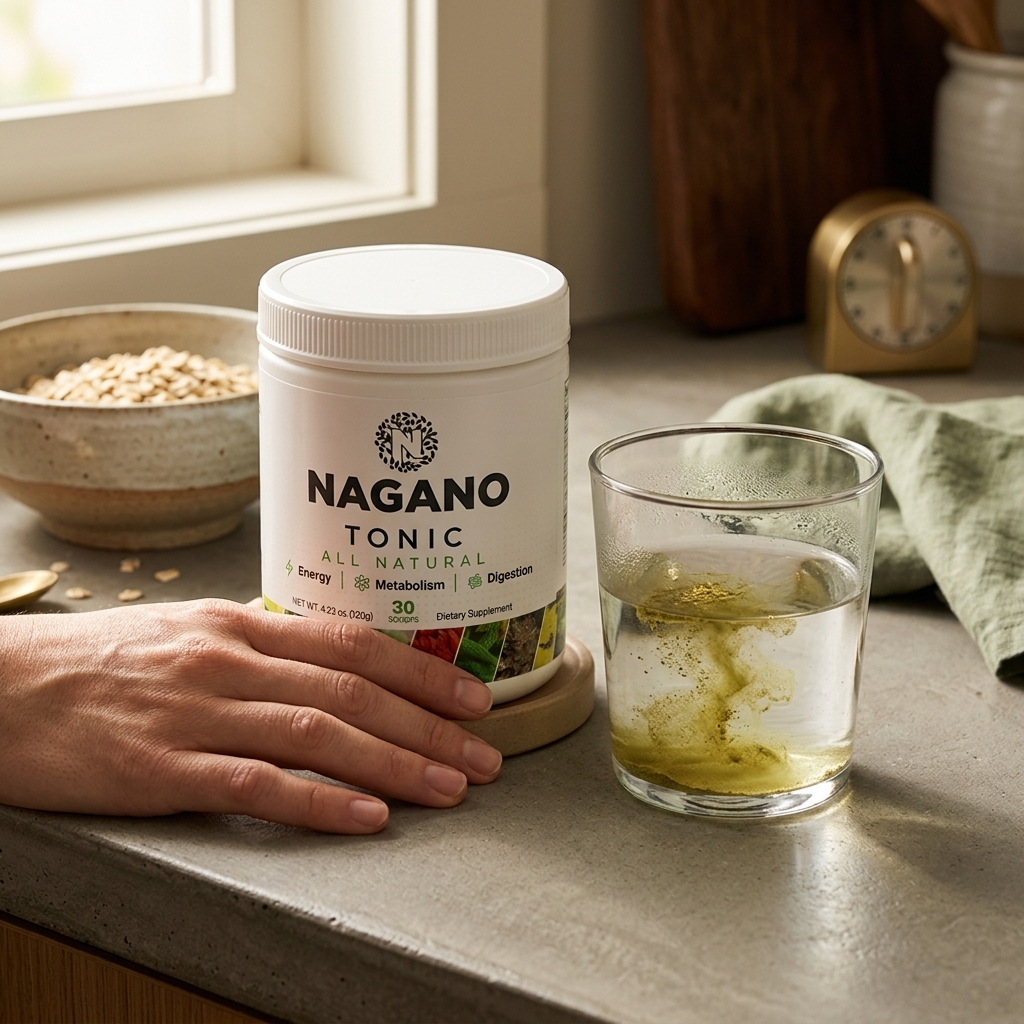
Nagano Lean Body Tonic supports the metabolic layer most diets never reach. A carefully selected blend of herbs and nutrients designed to work with your body’s own cellular energy systems — not replace what you’re already doing, but help it finally land.
-
Supports the cellular energy your nutrition depends on
-
Works alongside clean eating, not instead of it
-
One scoop each morning — simple enough to stick
That was the piece I’d been missing. I was feeding my body beautiful ingredients. But the machinery responsible for using those ingredients was struggling to keep up.
It was like filling a car with premium fuel when the engine hadn’t been serviced in years.
What I changed when I looked past the plate

I didn’t abandon the salmon or the olive oil. Those mattered. But I started paying attention to things that supported my cells directly — not just the food on top, but the fire underneath.
- I adjusted my sleep. Not the length — the consistency. Same time down, same time up, even weekends. Sleep is when cells do their deepest repair work, and I’d been treating bedtime like a suggestion.
- I moved differently. Less grinding, more walking. Long walks after dinner instead of collapsing into the couch. Movement that asked my body to circulate, not just perform.
- And I found Nagano Lean Body Tonic.
I’ll be honest — I wasn’t looking for a supplement. I was looking for an explanation. But the more I read about metabolic function and how it connects to inflammation, the more this tonic kept surfacing. It was built around supporting exactly what I was trying to fix: the metabolic and cellular energy layer that my diet alone couldn’t reach. A blend of herbs and nutrients drawn from one of the longest-living populations in the world. I stirred the first scoop into a glass of water one morning, almost as an afterthought. It became part of the ritual before I even decided it would.
⸻
The week my hands stopped telling time
I don’t know exactly when it shifted. That’s the thing about real change — it doesn’t announce itself.
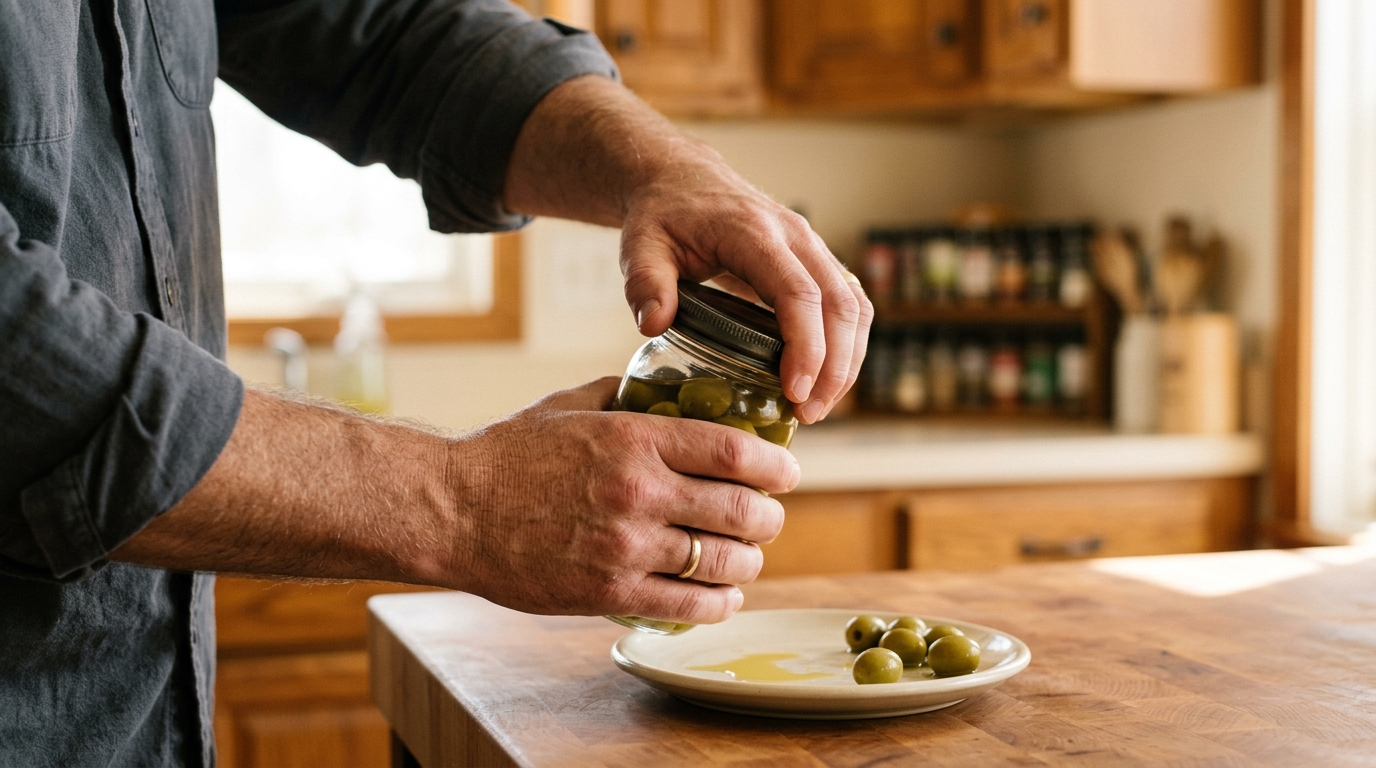
But somewhere around the third week, I reached for a jar of olives and opened it without thinking. No pause. No bracing. My fingers just… worked. That might sound small. But if you’ve spent months waking up with hands that feel ten years older than the rest of you, it’s not small. It’s the kind of thing that makes you stand still in the kitchen and breathe.
The puffiness around my eyes started to settle. My legs didn’t feel heavy after sitting for an hour. I stopped waking up at 3 a.m. with that restless, inflamed feeling in my shoulders.
I was still eating the same meals. The difference was what was happening below the surface — the metabolism finally getting the support it needed to do its job. That morning tonic was part of that shift, alongside better sleep and gentler movement. I could feel the stack working together in a way that diet alone never quite managed. Some mornings, stirring the powder into cold water, I’d catch myself noticing the ritual itself felt like a small act of steadiness — something I was doing for myself, not just to myself.
Why most anti-inflammatory advice stops too soon

There’s a reason so many people try anti-inflammatory nutrition for aging and plateau. The advice is real — whole grains help, berries help, omega-3 fats help. But it often stops at the plate.
The quiet half that matters
You did the hard part — clean food, real discipline. Now give your cells what they’ve been asking for
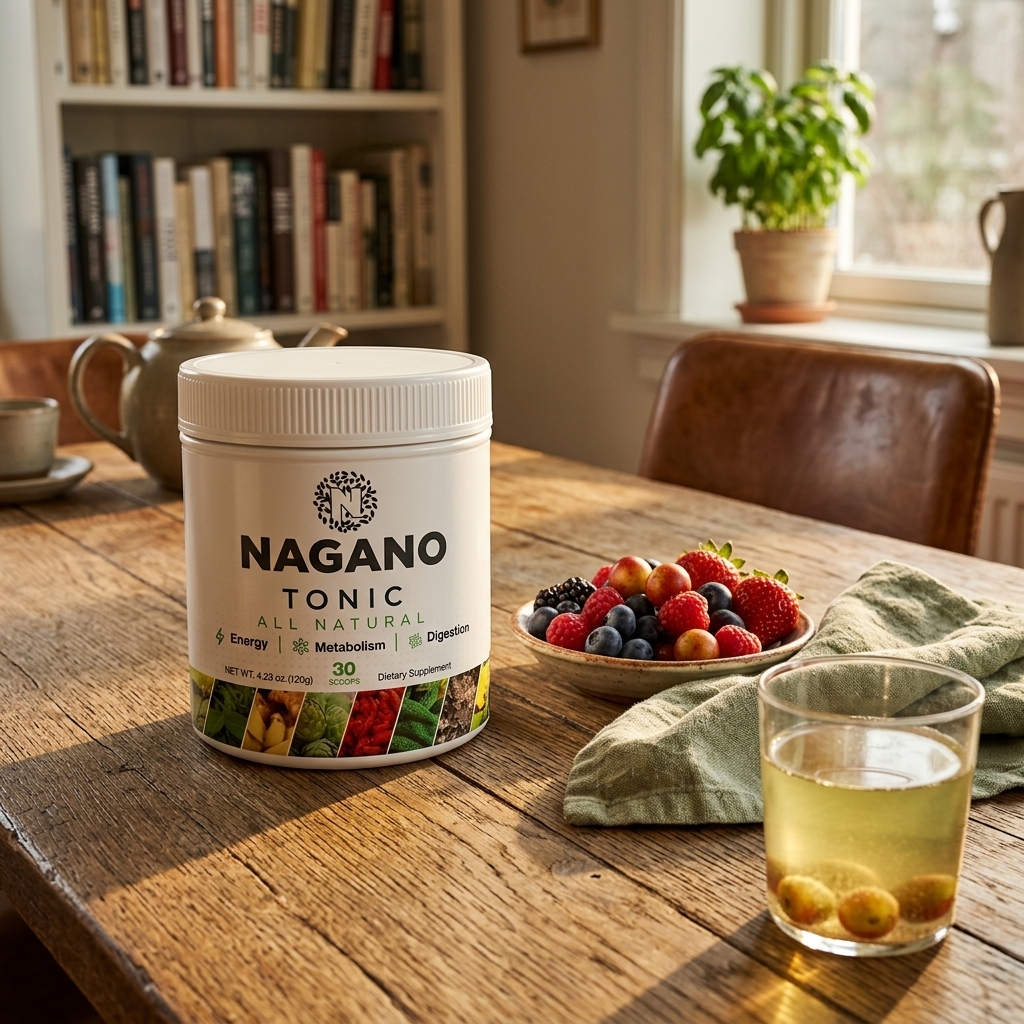
Nagano Lean Body Tonic is built for people who already eat well and still feel the gap. It supports the metabolic engine beneath the plate — the part that turns good nutrition into good mornings. Drawn from ingredients linked to some of the longest-living populations in the world.
-
Designed for bodies that eat right but still feel stuck
-
Supports metabolic function at the cellular level
-
One daily ritual that bridges the gap diet alone can’t close
Nobody talks about the cellular layer. The part where your body has to actually convert those nutrients into something useful. If that conversion process is compromised — by age, by stress, by years of metabolic wear — even a perfect diet leaves gaps. That’s not a failure of willpower. It’s biology.
And once I understood that, the guilt dissolved. I wasn’t doing it wrong. I was just solving half the problem.
⸻
What a real anti-inflammatory day looks like now

My mornings aren’t complicated. Oats or eggs, something green, olive oil on almost everything. Nagano Lean Body Tonic stirred into water before I eat — it’s become as automatic as brushing my teeth. Not because I was told to. Because my body started asking for it in the only language it knows: feeling better when I don’t skip it.
Lunch is usually leftovers — roasted vegetables, rice, whatever protein I made the night before. Dinner rotates between fish, lentils, and chicken. Nothing exotic. Nothing expensive. Just consistent. The real shift isn’t in any single meal. It’s in the way my body responds to those meals now. Like the fuel is finally reaching the engine.
I walk after dinner. I sleep by ten. I wake up and my first thought isn’t about what hurts.
The thing nobody prepares you for

When you’ve lived with low-grade inflammation long enough, you forget what “normal” feels like. You adapt. You assume the stiffness is just aging. The fatigue is just life. The puffiness is just how your face looks now.
Then one morning you catch yourself moving through the house without negotiating with your joints — and it hits you. This is what your body was trying to get back to.
This is what it wanted all along. Not perfection. Just flow.
Anti-inflammatory nutrition for aging is real. The food matters. But the deeper layer — the cellular support, the metabolic care, the attention to what happens after the nutrients arrive — that’s where the real shift lives. I wish someone had told me sooner. Not to eat differently. But to look deeper.
If you’re standing in your kitchen doing everything right and still wondering why you ache — you’re not broken. You might just be solving the visible half. The quiet half, the cellular half, is waiting for your attention too.
And honestly? It’s the half that changed everything for me.
Written by Elias Menden — for those who seek steady energy and quiet strength.