I used to think anxiety lived in my thoughts. That if I could just think differently, breathe deeper, or practice more mindfulness, the constant hum of worry would finally quiet. But there I was at 2 AM, mind racing about tomorrow’s presentation while my heart hammered against my ribs—despite having meditated for twenty minutes before bed.
The truth I didn’t want to accept was that my body had become stuck in a state of high alert. No amount of positive thinking could override a nervous system that had forgotten how to downshift.
My cortisol was running the show, keeping me wired when I desperately needed to rest. That realization changed how I approached anxiety relief entirely.
Instead of fighting my thoughts, I started supporting the biological systems that were keeping me trapped in chronic stress. And for the first time in years, I found a path to actual calm—not just the temporary quiet that comes from exhaustion.
The Biology Your Anxiety Supplements Are Missing
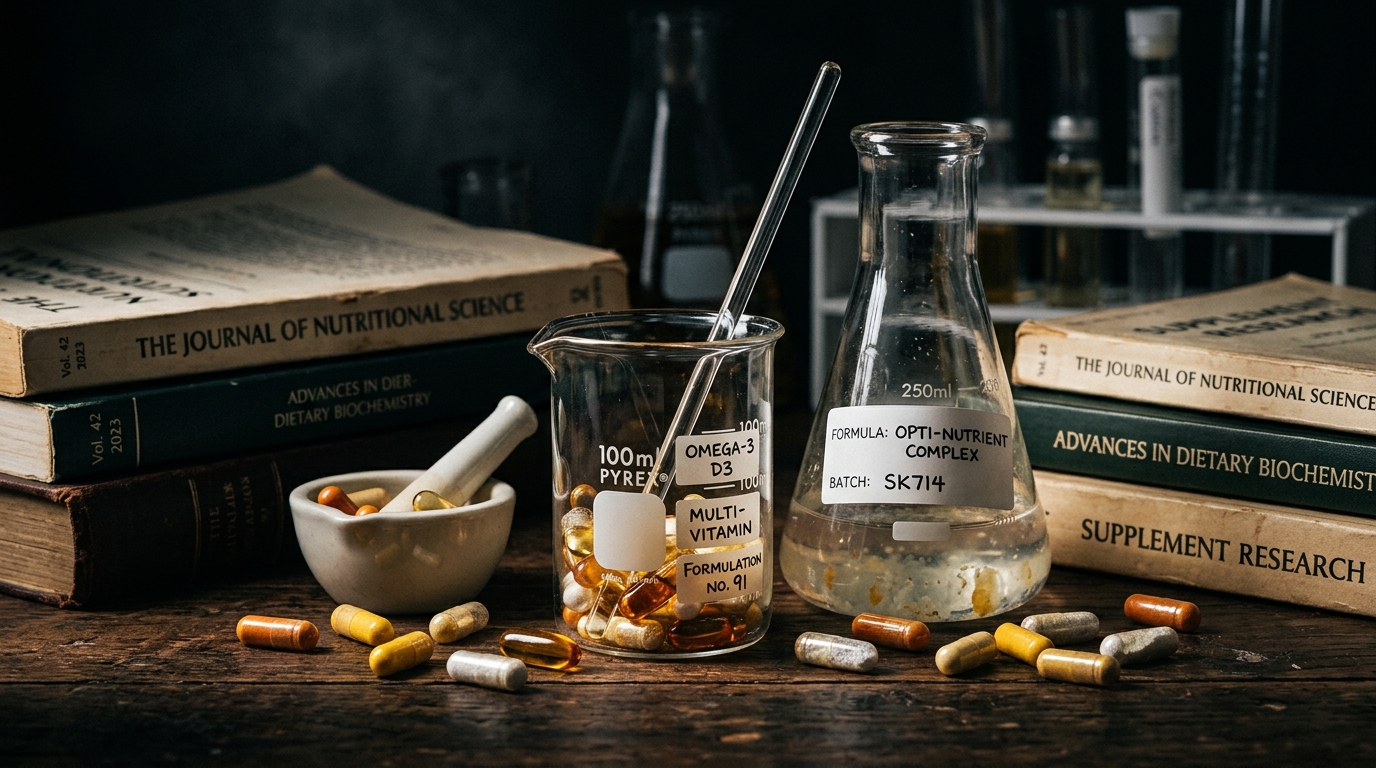
Most anxiety supplements work like putting a blanket over a smoke alarm. They might muffle the sound temporarily, but they’re not addressing what’s setting it off in the first place. L-theanine makes you feel drowsy. Magnesium relaxes your muscles. But neither one is speaking to the biological cascade that’s keeping your stress response activated.
Your HPA axis—the communication highway between your hypothalamus, pituitary gland, and adrenals—is what actually governs your stress response. When this system gets dysregulated from chronic stress, it keeps pumping out cortisol even when there’s no real threat. Your body stays braced for danger that isn’t coming.
This is why you can feel anxious lying in your own bed on a Sunday morning. Why meditation sometimes feels impossible because your nervous system won’t downshift.
The supplements that create lasting change are the ones that help recalibrate this system rather than just masking its effects.
Ready to address the root cause instead of just masking symptoms?
Why Cortisol Timing Changes Everything

Here’s what most people don’t realize about cortisol: it’s not the enemy. When it’s working correctly, cortisol gives you energy in the morning and naturally declines throughout the day, preparing your body for restorative sleep. But chronic stress scrambles this pattern completely.
Your cortisol might spike at night when you’re trying to wind down, or stay flatlined in the morning when you need natural energy. Some people wake up feeling like they’ve already run a marathon. Others drag through the day only to feel wired when their head hits the pillow.
This is where Cortisol AM became a game-changer for me. Instead of trying to suppress cortisol entirely, it helps restore the natural rhythm your body is supposed to follow.
When I started taking it, I noticed something I hadn’t experienced in years: I actually felt tired at bedtime. Not exhausted—genuinely ready for rest.
Experience what it feels like when your nervous system finally has what it needs
The Magnesium That Actually Absorbs

Standard magnesium oxide might be cheap, but it’s also mostly useless. Your intestines can only absorb about 10% of it, which means you’re essentially paying for expensive bathroom trips. But magnesium glycinate? That’s a different story entirely.
Bound to glycine, this form of magnesium actually makes it into your bloodstream where it can do its job—relaxing your nervous system and supporting healthy neurotransmitter function. I take 400mg about an hour before bed, and the difference is profound. Not sedating, just… settling. Like my nervous system finally has permission to let go.
The key is consistency. Magnesium doesn’t work like a sleeping pill where you feel it immediately.
It’s rebuilding your mineral stores over time, giving your nervous system the resources it needs to regulate itself naturally. After about two weeks of consistent use, I realized I wasn’t clenching my jaw anymore. Small signs, but they add up to significant relief.
Stop fighting your biology and start supporting it naturally
L-Theanine: Nature’s Focus Without the Jitters

L-theanine is what makes green tea simultaneously energizing and calming—a combination that seems impossible until you experience it. This amino acid promotes alpha brain waves, the same relaxed-but-alert state you experience during meditation or when you’re completely absorbed in something you enjoy.
What I love about L-theanine is that it doesn’t make you drowsy. Instead, it takes the sharp edges off anxiety while keeping your mind clear. I take 200mg with my morning coffee, and it smooths out caffeine’s tendency to make me feel scattered. The energy is still there, but without the underlying tension that used to accompany it.
For evening anxiety, L-theanine works beautifully about 30 minutes before you want to start winding down.
Think of it as dimming the lights in your nervous system rather than flipping them off entirely.
Your body knows how to be calm when it has the right resources
GABA Support That Actually Works

GABA is your brain’s primary inhibitory neurotransmitter—the chemical that tells your nervous system to slow down and relax. But here’s the problem with most GABA supplements: they can’t actually cross the blood-brain barrier effectively. You’re not getting the calming effects where you need them most.
That’s why I prefer supplements that support your body’s natural GABA production rather than trying to supplement GABA directly. Ingredients like passionflower and lemon balm work by enhancing GABA receptor sensitivity and promoting natural GABA synthesis in your brain.
The change is subtle but unmistakable. Instead of feeling sedated, you feel genuinely calm.
Your thoughts don’t race as much. Social situations that used to feel overwhelming become manageable. It’s the difference between putting a Band-Aid on anxiety and actually addressing one of its root causes.
Reclaim Your Natural Rhythm
When your cortisol works with you, not against you, mornings feel energizing and nights bring real rest.
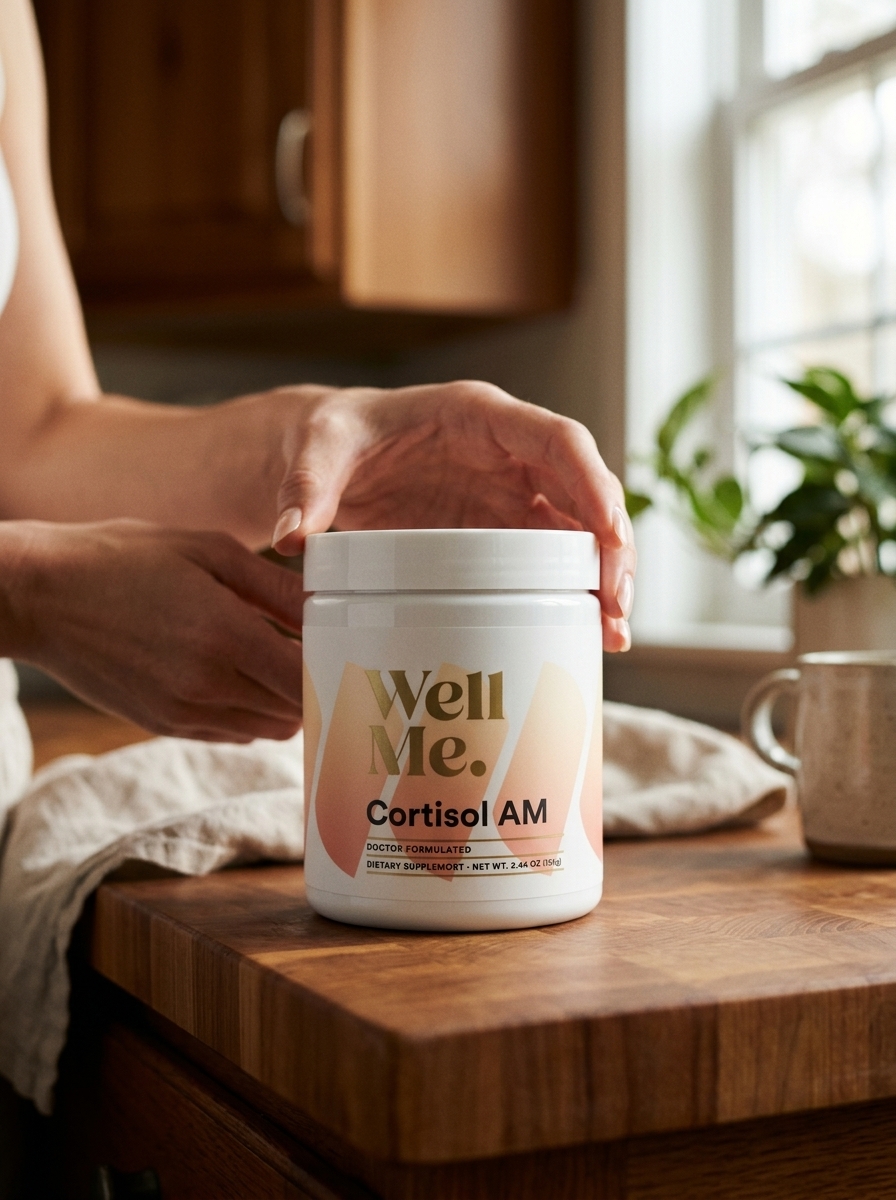
Cortisol AM helps restore your body’s natural stress response pattern. Wake up energized, wind down naturally. Stop fighting your biology and start supporting it. Formulated with adaptogens and nutrients that help recalibrate your HPA axis for lasting calm.
- ✓ Natural morning energy without afternoon crash
- ✓ Easier transition to sleep at bedtime
- ✓ Steady mood throughout daily stressors
Ashwagandha: The Adaptogen That Adapts to You

Ashwagandha has been used in Ayurvedic medicine for thousands of years, but only recently has research revealed exactly why it’s so effective for anxiety. This herb is what’s called an adaptogen—it helps your body adapt to stress rather than just masking stress symptoms.
Studies show that ashwagandha can reduce cortisol levels by up to 30% in chronically stressed adults. But what’s even more impressive is how it seems to know exactly what your body needs. If your cortisol is too high, ashwagandha helps bring it down. If it’s too low (which can happen with adrenal fatigue), it provides gentle support.
I take 300mg of KSM-66 ashwagandha root extract in the evening, about two hours before bed. The key is the standardized extract—it’s been clinically studied and contains the specific compounds that provide therapeutic benefits.
After about three weeks of consistent use, I noticed I wasn’t waking up with that familiar knot of worry in my stomach anymore. Morning anxiety, which had been my constant companion for years, simply became less frequent and less intense.
Imagine waking up naturally energized and falling asleep with ease
Omega-3s: The Anti-Inflammatory Approach

Chronic anxiety creates inflammation in your brain, and chronic inflammation perpetuates anxiety—it’s a cycle that can feel impossible to break. High-quality omega-3 fatty acids, particularly EPA and DHA, provide the anti-inflammatory support your nervous system needs to heal and regulate itself.
The research is compelling: people with anxiety disorders often have lower levels of omega-3s, and supplementation can significantly reduce anxiety symptoms. But not all fish oil is created equal. You want a product that’s been third-party tested for purity and provides at least 1000mg of combined EPA and DHA daily.
I take mine with breakfast to avoid any fishy aftertaste, and the effects build over time.
After about six weeks of consistent use, I noticed my mood felt more stable overall. Less reactive to stress, more resilient when challenging situations arose. It’s not dramatic—more like having a higher emotional baseline that anxiety has to work harder to disrupt.
You deserve a supplement protocol that actually creates lasting change
Building Your Personal Protocol

The most effective approach isn’t necessarily taking all of these supplements at once. Start with addressing your cortisol rhythm—that’s where Cortisol AM made the biggest difference for me. When your stress response system is functioning properly, other interventions become much more effective.
Add one supplement at a time, giving each at least two to three weeks to show its effects before introducing something new. Keep a simple journal of your sleep quality, energy levels, and anxiety symptoms. You’ll start to notice patterns and be able to adjust accordingly.
Pay attention to timing, too. Some supplements work best in the morning to support your natural energy and focus. Others are more effective in the evening to promote relaxation and recovery.
Your body has its own rhythm—the goal is to support it, not override it.
Remember that supplements work best as part of a broader approach to nervous system health. They’re incredibly powerful tools, but they work even better when combined with consistent sleep, gentle movement, and practices that help you process stress rather than just endure it. The goal isn’t to eliminate all anxiety—it’s to return your nervous system to a state where it can respond appropriately to actual threats and rest deeply when it’s safe.
Written by Liora Menden — for those who seek lasting calm
Ready to feel the difference this formula makes?