I spent years treating my immune system like something I could fix in a weekend.
You know that panic? The one where you’re three days out from something that matters—a work trip, a wedding, a deadline you can’t move—and you start feeling that first tickle in your throat. So you throw money at it. Vitamin C packets. Zinc lozenges. That elderberry thing everyone swears by. You go to bed early one night and wake up expecting your body to cooperate. It never did.
And I’d stand there, sick again, thinking: I did everything right. Why does this keep happening?
Last February, I got knocked out by a cold the week of my sister’s birthday dinner—something I’d been looking forward to for months. I sat on my couch with a blanket pulled up to my chin, tea going cold on the table, and I was just… tired. Not tired from the cold. Tired of always being the person who got sick at the worst possible time.
That’s when something clicked.
What if my immune system didn’t need rescuing? What if it needed training?
Not boot camp. Not punishment. Just… consistent care. The kind of care that builds something reliable instead of scrambling every time things fall apart.
That shift changed everything.
⸻
Why I kept getting sick even when I “tried”
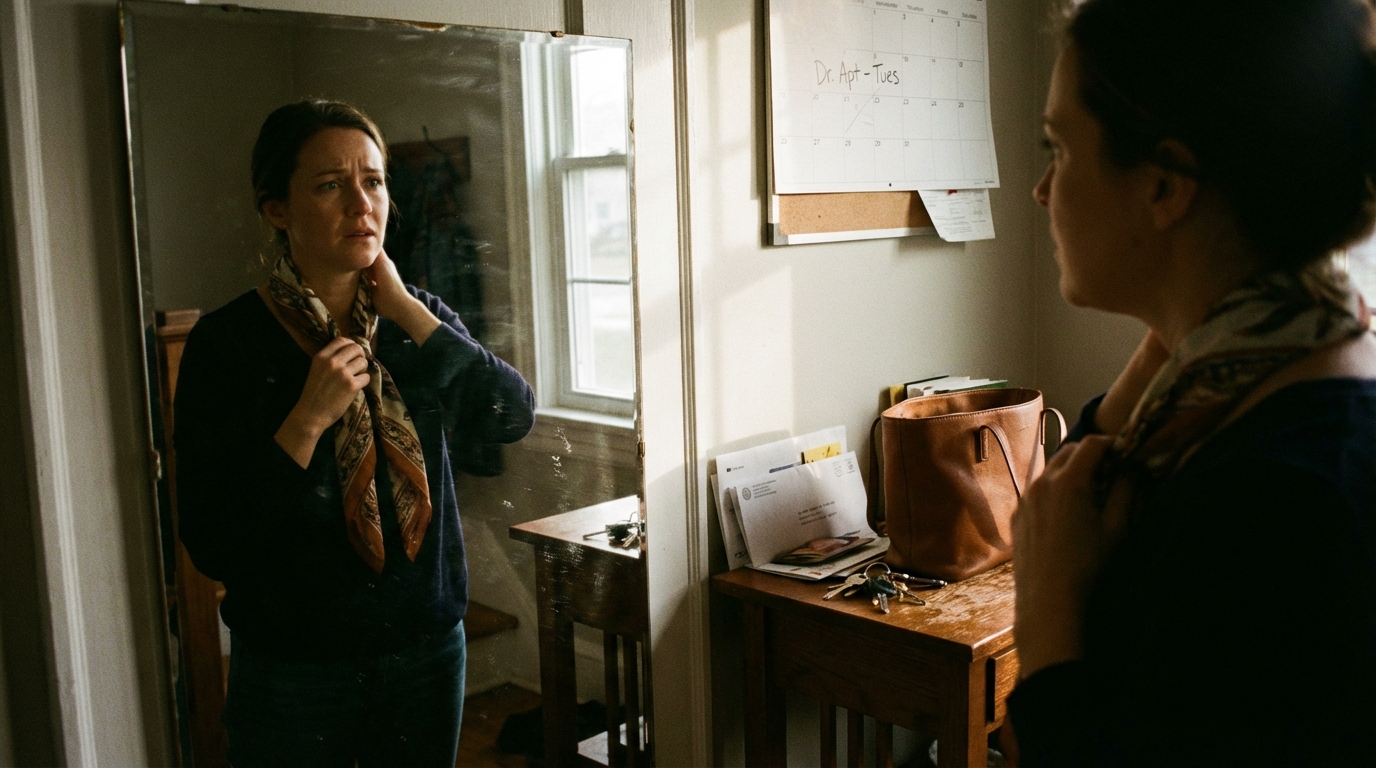
Here’s the pattern I was stuck in:
I’d ignore my body for weeks—bad sleep, rushed meals, stress I kept shoving down—and then, the second I felt run-down, I’d panic and try to reverse it all in 48 hours. It’s like never watering a plant, then dumping a gallon on it when the leaves start to droop.
Your immune system isn’t a light switch. It’s a whole network—your skin, your gut lining, the cells that patrol your bloodstream, the signals that tell everything when to ramp up or calm down. It’s working quietly all the time, and it runs best when the conditions around it are steady.
When I only paid attention during emergencies, I was asking my body to perform without ever giving it what it needed to stay strong in the first place.
The fix wasn’t complicated. It was just… different.
Instead of chasing “never get sick again,” I started asking: How do I become someone who recovers faster and gets sick less often?
That’s a question you can actually answer.
⸻
The day I stopped trying to be invincible

I used to think a strong immune system meant total immunity.
Now I think it means:
- Getting through cold season without catching everything
- Bouncing back in days, not weeks
- Trusting my body to handle normal stress without collapsing
That reframe took so much pressure off. Because when you’re aiming for “perfect,” you either burn out trying or give up completely. And then you feel like you failed, so you don’t try at all.
I needed something I could sustain on the hardest weeks—not just the weeks when I had extra time and energy.
So I built a routine around that.
What actually worked (and what I could stick with)
Movement that didn’t wreck me

I used to swing between “crushing it” at the gym and doing absolutely nothing for two weeks.
What stuck was this: move most days, even if it’s short.
Some days that was 30 minutes of something intentional. Other days it was a walk around the block with my headphones in. Sometimes it was ten minutes of stretching in my bedroom before I showered.
The point wasn’t intensity. It was circulation. Getting my lungs working. Giving my body a reason to stay awake and responsive.
The weird part? I got sick less when I exercised moderately and regularly than when I went hard once in a while and then disappeared.
Turns out consistency beats heroics.
Stress care that didn’t feel like homework
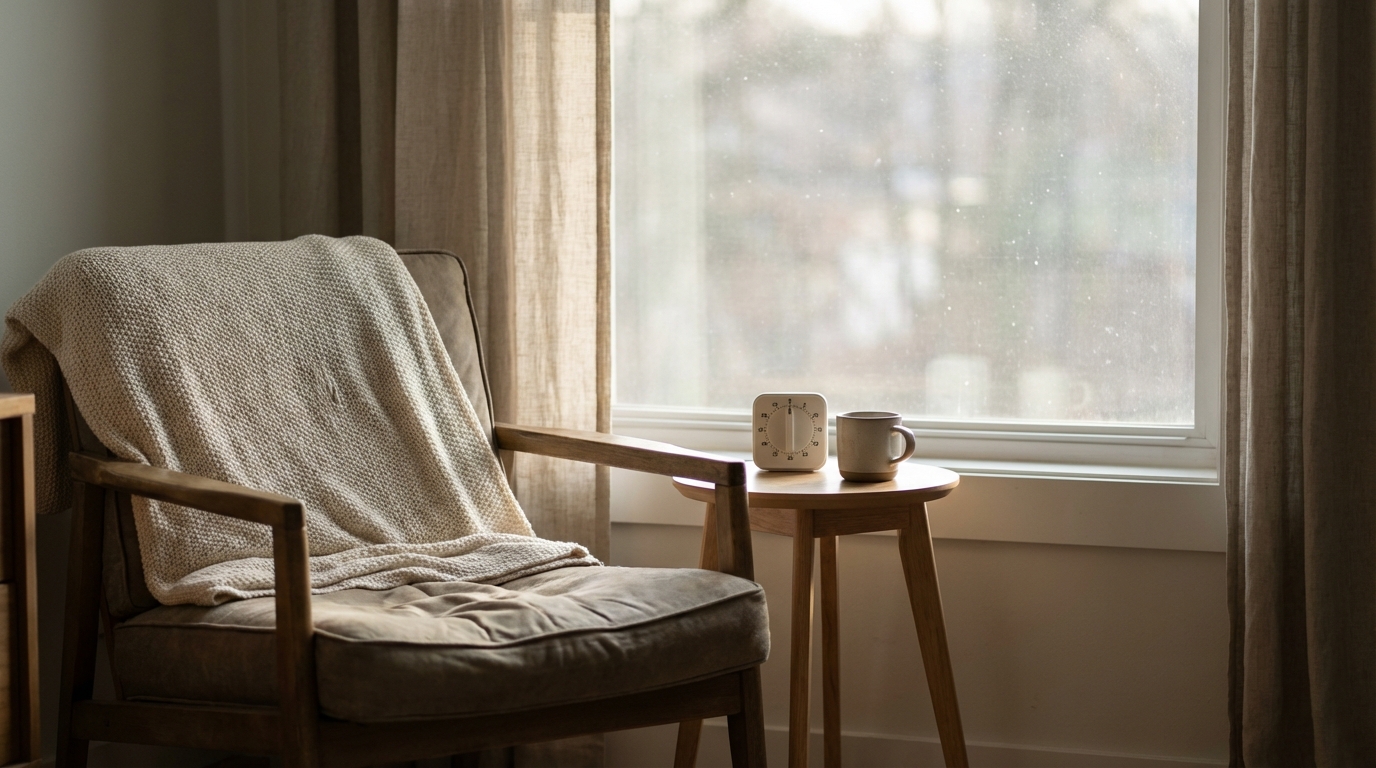
Everyone says “manage your stress” like you can just decide not to have a chaotic life.
What helped wasn’t pretending I was calm. It was giving my nervous system small places to let the pressure out so it didn’t build up and live in my chest.
Two things worked:
- Box breathing for 60 seconds (in for four, hold for four, out for four, hold for four—repeat until my shoulders dropped)
- A quick brain dump before bed: three things I was worried about, three things I’d do tomorrow, done
Not elegant. Not Instagram-worthy. Just enough to stop carrying everything into my sleep.
Sleep like it was non-negotiable
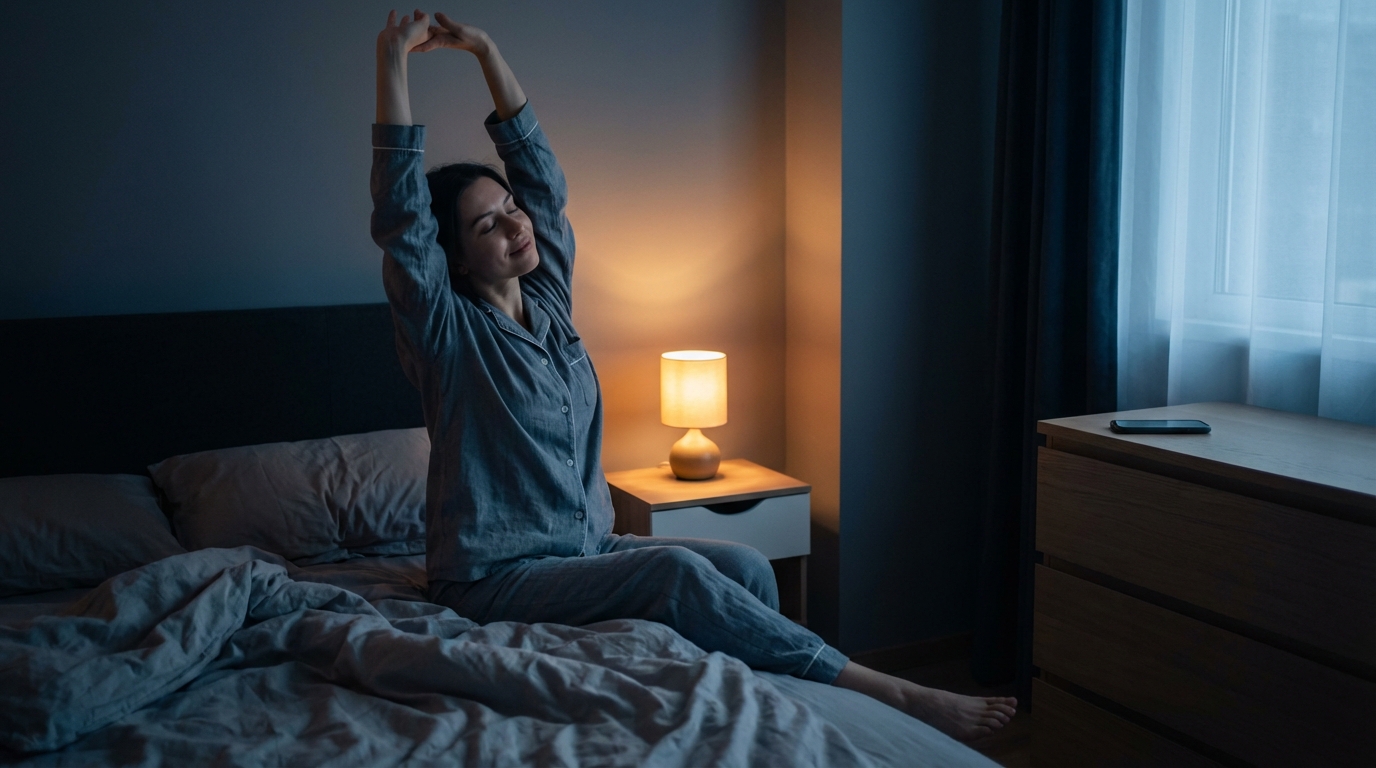
This was my biggest weak spot.
I treated sleep like something I’d “catch up on later,” and my immune system paid for it every time.
I didn’t overhaul my life. I just started protecting sleep like it mattered as much as brushing my teeth.
- Same bedtime window most nights (even on weekends)
- Phone goes on the dresser, not the nightstand
- Room cooler and darker
- A small wind-down ritual (hot shower, stretching, tea—anything that signals “we’re done for the day”)
Once I stopped treating sleep as optional, everything else got easier. My mood. My focus. My ability to recover when something did hit me.
The basics I kept ignoring (until I didn’t)
This one’s almost embarrassing because it’s so simple.
But basics work because they’re simple. You can do them even when everything else is falling apart.
- I washed my hands like I actually cared (especially before meals)
- I drank water throughout the day instead of realizing at 9 PM that I’d only had coffee
- I stopped surviving on granola bars and calling it lunch
Hydration alone made a difference. Not because it’s magic—but because when your body isn’t running dry, everything works a little better. Circulation. Mucus membranes. Energy. Recovery time.
And when I had steady energy, I made steadier choices.
The food changes that didn’t feel like punishment
I didn’t become a clean eater. I became a consistent eater.
Instead of perfection, I aimed for “supportive”—food that helped my body feel defended instead of depleted.
More color, more often
I stopped overthinking it and just aimed for variety:
- Berries, oranges, apples when I remembered
- Spinach or kale tossed into scrambled eggs or pasta
- Bell peppers, carrots, frozen veggie mixes when I was too tired to chop
Color usually meant vitamins and antioxidants—the quiet nutrients your immune system uses in the background every single day.
Protein in the morning (yes, it mattered)
This one surprised me.
When I started my day with protein—eggs, Greek yogurt, leftover chicken, even a protein shake—I didn’t crash by 11 AM. My cravings stayed manageable. My mood was steadier.
It set the tone for the whole day.
Fats that kept me full
Adding olive oil, avocado, nuts, or salmon made meals feel complete instead of like I was just eating to get through the next two hours.
When I wasn’t constantly snacking to fill some invisible gap, I had more bandwidth to make decent choices without forcing it.
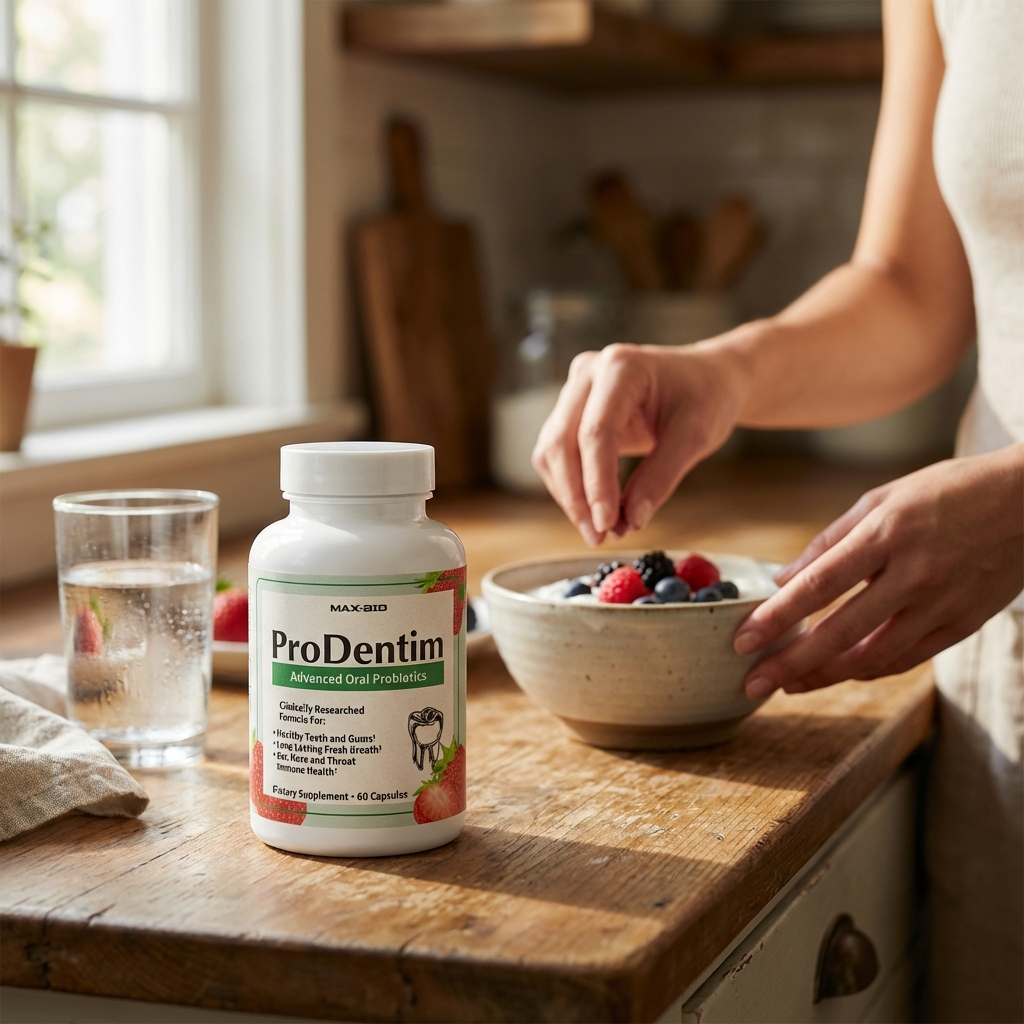
Train your first line
I stopped “panic fixing” and started supporting the gateway—my mouth—every day
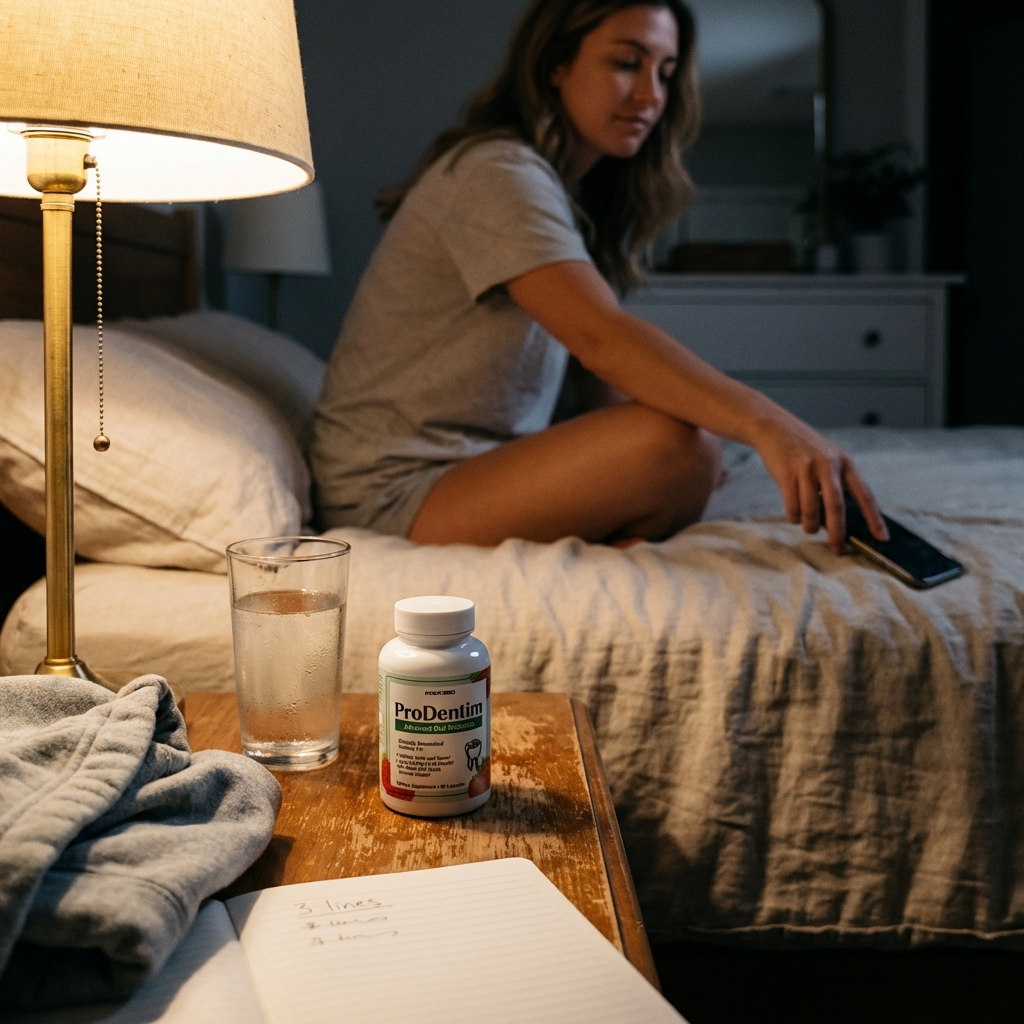
ProDentim is a daily oral probiotic chew made to support a balanced oral microbiome—the good-bacteria environment in your mouth. Each chew delivers a 3.5 billion CFU probiotic blend with Lactobacillus paracasei, Lactobacillus reuteri, and Bifidobacterium lactis BL-04. It’s simple: one chew, steady support, no dramatic stack.
-
Daily support for oral bacteria balance
-
Easy habit when life is packed
-
Built for consistency, not “rescue mode”
How to build immunity naturally over time without losing your mind
Here’s what I wish I’d understood sooner:
If your routine only works when you’re motivated and well-rested, it’s not a routine. It’s a performance.
So I built low-energy versions of everything.
- Can’t work out? Walk for 15 minutes.
- Can’t cook? Assemble something: protein, vegetable, carb, done.
- Can’t journal? Write one sentence about tomorrow.
- Can’t sleep early? Still protect the last 20 minutes before bed—no scrolling, no work emails.
That’s how you build immunity naturally over time. Not by being perfect. By being flexible enough to stay consistent even when life gets messy.
The one thing I kept using, because it felt steady
After I stopped panic-buying immune “stacks,” I wanted something simple—something I didn’t have to think about every day.
For me, that became ProDentim.
It’s an oral probiotic chew. What I liked most was that it fit the “train, don’t rescue” mindset. Your mouth is one of your body’s first lines of defense. Supporting that space felt like maintaining a boundary—quiet, daily, not dramatic.
I didn’t treat it like a replacement for sleep or food or managing stress. More like a small, steady habit that reinforced everything else.
And honestly, that’s the whole point: I didn’t become immune overnight.
I became less fragile.
Not because I found some perfect system—but because I stopped swinging between extremes and started treating the basics like they actually mattered.
Keep your mouth feeling fresh
When I’m overbooked, I need habits that don’t ask for extra energy
ProDentim is a chewable oral supplement designed to support fresh breath and a comfortable, hydrated-feeling mouth—without harsh “strip-everything” vibes. Its formula includes Inulin (a prebiotic fiber) plus supportive ingredients like Malic Acid (from strawberries), Tricalcium Phosphate (a mineral), and Peppermint—picked to work with your daily routine, not against it.
-
Supports a naturally fresh mouth feel
-
Helps keep your routine low-maintenance
-
Pairs well with brushing and flossing
⸻
What it feels like now
The biggest change wasn’t that I stopped getting sick completely.
It was that I stopped feeling like my body was always one bad week away from giving up on me.
My energy is more predictable. My recovery is faster. I don’t wake up every morning wondering if today’s the day I’m going to crash.
If you’re trying to build immunity naturally over time, here’s the truth I had to learn the hard way:
Your immune system doesn’t need a miracle. It needs a rhythm.
Pick one rhythm you can actually keep. Then let it build.
When life gets chaotic again—and it will—you’ll have something solid to come back to.
Written by Elias Menden — for those who seek steady strength.
Related reading
- I Spent Two Years Feeling Like My Body Was Betraying Me—Here’s What Natural Cortisol Regulation Actually Changed
- Omega-3 for immunity vs. odd-chain fats: what actually helps you feel steadier
- Gut Microbiome and Immunity: Why Your Immune Strength Actually Starts in Your Gut
- How to Balance Hormones Naturally — What Actually Worked When Nothing Else Did