The first time I cried in a Target parking lot, I blamed the afternoon.
The second time, I blamed hormones.
By the fifth time, I was sitting in my car with grocery bags going warm in the backseat, mascara smudged, wondering what was actually wrong with me.
Nothing catastrophic had happened. No one had died. I hadn’t lost my job. I was just… so tired of being tired. Tired of pretending I wasn’t running on fumes. Tired of needing three alarms and two coffees just to feel human. Tired of my own racing heart.
That parking lot moment wasn’t rock bottom. It was something quieter.
It was the first time I admitted out loud: I don’t think I’m supposed to feel like this.
For years, I’d chalked it up to bad luck, bad genes, bad habits. I was the anxious friend. The overscheduled one. The person who “just needs to relax more” but never quite figured out how.
I thought stress was something you managed with bath bombs and yoga classes.
I didn’t realize my body had been screaming a very specific message the whole time.
The word I wish I’d known sooner
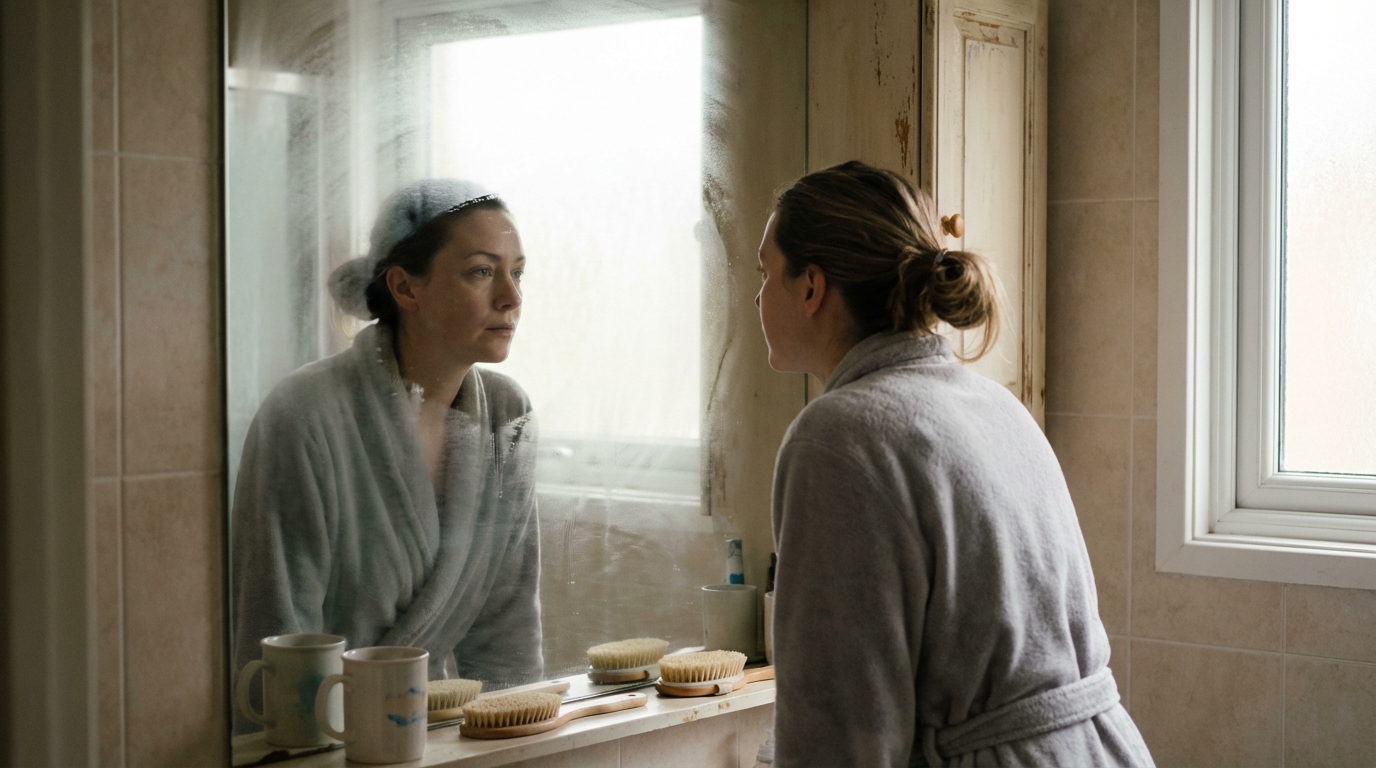
Cortisol.
I’d heard the term before—usually paired with the word “stress” in some wellness article I’d scroll past. But I didn’t understand what it actually meant until a friend, someone who’d been through something similar, said it plainly:
“Your nervous system thinks you’re in danger all the time.”
That hit different.
Because it wasn’t just my mind that felt frantic. It was my body. My pulse. My stomach. The way I’d wake up already tense, like I’d been holding my breath in my sleep.
Once I started recognizing high cortisol symptoms, I couldn’t unsee them.
The constant low-level dread. The way food tasted wrong when I was stressed. How I could be bone-tired but still lie awake scrolling at midnight, unable to shut off. The random dizzy spells. The brain fog that made me forget words mid-sentence.
My body wasn’t betraying me.
It was responding exactly the way it was designed to—except the “threat” never ended.
What nobody tells you about living on cortisol
Here’s the thing about stress hormones: they’re supposed to spike and then come down.
Fight, flight, rest.
But somewhere along the way, my body forgot the “rest” part.
Every email felt urgent. Every deadline felt existential. Every small inconvenience landed like a crisis because my system was already maxed out before the day even started.
And the worst part? I’d gotten good at it.
Good at pushing through. Good at functioning on four hours of sleep and pure willpower. Good at saying “I’m fine” while my hands shook holding a coffee cup.
Until I wasn’t fine.
Until “fine” became: lying awake at 3 a.m. with my heart pounding for no reason. Snapping at people I loved. Crying in parking lots.

Stop Waking Up Wired
If your body jolts awake at night, give it a reason to settle.
SleepLean is built for stressed-out sleepers. Take it before bed to support a calmer cortisol rhythm at night—so you fall asleep easier, stay asleep longer, and wake up less panicked. This is the simple nightly support that helps your system finally power down.
-
Quiet the racing-mind loop
-
Fewer 2–3 a.m. wakeups
-
Wake up feeling more steady
That’s when I realized something had to actually change—not surface-level change, but the kind that went deeper than a better morning routine or a meditation app I’d use twice and forget.
The turning point wasn’t what I expected

I didn’t have some grand epiphany.
I just got sick of feeling like garbage.
So I started paying attention—not to my thoughts, but to my patterns.
When did I feel worst? Mornings. Always mornings. I’d wake up like someone had fired a starting gun, heart already racing, mind already running through the day’s problems.
When did I crash? Mid-afternoon, like clockwork. That hollow, shaky feeling where coffee stopped working and I’d stare at my screen like I was reading a foreign language.
When did I feel most anxious? Evenings, when I should’ve been winding down. Instead, my brain would replay every awkward conversation, every unfinished task, every possible future disaster.
The pattern was obvious once I stopped ignoring it.
My cortisol rhythm was completely upside down.
What I did differently (and why most advice didn’t work)
I’d tried the usual stuff before. Meditation apps that made me feel like I was failing at relaxation. Cutting caffeine, which just made me tired and stressed. Going to bed earlier, then lying there furious that I couldn’t fall asleep.
None of it stuck because I was treating symptoms, not the root.
Natural cortisol regulation isn’t about adding more rules to your life. It’s about creating conditions where your nervous system can finally believe it’s safe to calm down.
For me, that meant rebuilding from the ground up.
I stopped skipping meals like they didn’t matter
When your cortisol is already high, low blood sugar feels like panic.
I didn’t realize how often I was running on empty until I started eating real breakfast—not grabbing a muffin on the way out the door, but sitting down with actual food that had protein, fat, something substantial.
The difference was humbling.
Suddenly, 10 a.m. wasn’t a crisis. I could think clearly. I didn’t need to raid the vending machine just to stay upright.
I moved my body in ways that didn’t feel like punishment

For years, I thought exercise meant suffering. Push harder. Go longer. Earn your rest.
But my body didn’t need more stress. It needed release.
So I walked. A lot. Long, easy walks where I didn’t track my pace or count my steps. I stretched. I did gentle yoga that felt like unwinding, not performing.
The goal wasn’t to burn calories. It was to remind my body that movement could feel good.
I gave up the idea that I could “push through” sleep
This was the hardest one.
I’d spent years treating sleep like an inconvenience. Something to optimize, hack, minimize. I’d stay up late finishing things, wake up early because “that’s what successful people do,” and then wonder why I felt like a zombie.
I had to accept a truth I didn’t want to: my body needed more rest than I was giving it.
So I started protecting my nights like they mattered. Dimming lights earlier. Putting my phone in another room. Creating a buffer between “doing mode” and “sleeping mode.”
Not because some influencer said to. Because I was desperate.
I finally tried something I’d been skeptical about
A friend mentioned SleepLean in passing—said it helped her actually stay asleep instead of waking up at 2 a.m. with her mind spinning.
I almost didn’t try it. I’ve wasted money on supplements that did nothing. I was tired of promises.
But I was also tired of everything else, so.
The first week, I didn’t notice much. Maybe I slept slightly better. Maybe placebo. I wasn’t sure.
The second week, I realized I hadn’t woken up in a panic once. Not once. That alone felt like a miracle.
By the third week, something else shifted—my mornings didn’t feel like emergencies anymore. I’d wake up and there’d be a beat of calm before the day started. Just a breath. Just space.
It wasn’t dramatic. It was cumulative.
Like my body was finally getting the message: you can relax now.
The changes I didn’t expect
Lower cortisol naturally doesn’t look like a Hollywood transformation montage.
It looks like: remembering what you walked into a room for. Not snapping at your partner over something small. Feeling hungry at normal times instead of stress-eating at midnight.
For me, it looked like:
Afternoons where I had actual energy instead of relying on sheer stubbornness. Conversations where I could focus instead of watching someone’s mouth move while my brain screamed static. Weekends where I didn’t need to “recover” from my own life.

Wake Up Feeling Human
You don’t need another hack. You need sleep that actually sticks
SleepLean is your nightly reset. Use it consistently to support deeper, more continuous sleep—especially if stress makes you wake up alert, tense, or anxious. If you’re tired of dragging yourself through mornings, this is the support to try.
-
Sleep through the night more often
-
Less morning dread and tension
-
More even daytime energy
And sleep—God, actual sleep. The kind where you wake up and feel like you’ve been somewhere restful, not like you’ve been running all night.
SleepLean became one of those small anchors I didn’t realize I needed. Not a magic fix, but a reliable part of the routine that helped my body remember what “winding down” was supposed to feel like.
The thing about natural cortisol regulation that no one mentions
It’s not linear.
Some days, I still wake up tense. Some weeks, old patterns creep back in. Stress doesn’t disappear just because you understand it better.
But here’s what changed:
I have tools now. I have awareness. I can feel the signs earlier—the tight chest, the shallow breathing, the urge to scroll instead of sleep—and I can choose to intervene before it spirals.
I can eat before I crash. Move before I freeze. Breathe before I panic.
And on nights when my system feels wound too tight, I have something steady to lean on.
Not because I’m broken. Because I’m human.
What I’d tell someone starting from where I was
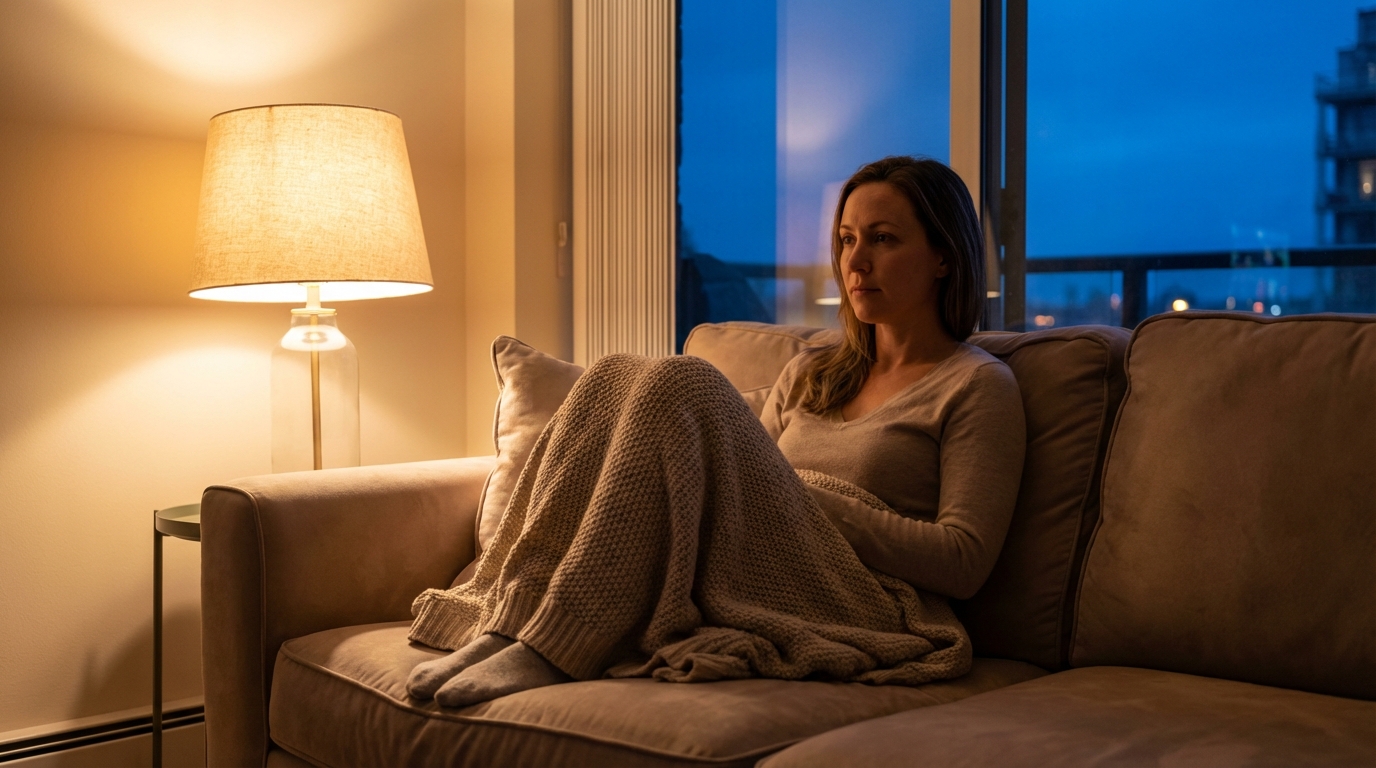
If you’re exhausted in a way that sleep doesn’t fix, you’re not imagining it.
If your body feels like it’s always on high alert, that’s real. That’s cortisol doing exactly what it’s designed to do—except it’s doing it constantly, without a break, until you give it permission to stop.
Natural cortisol regulation isn’t about becoming a wellness influencer or overhauling your entire life overnight.
It’s about small, consistent signals that tell your nervous system: we’re okay. we’re safe. we can come down now.
Start where you are. One meal. One walk. One earlier bedtime.
And if you need support—especially at night, when everything feels harder—something like SleepLean might be the gentle nudge that makes the difference between lying awake and actually sleeping.
It was for me.
Not a cure. Not a shortcut.
Just a steady, quiet companion in the process of coming back to myself.
⸻
Written by Liora Menden — for those who seek steadiness.