I used to think being wound tight was just my personality. The way my shoulders would creep toward my ears during phone calls. How I’d lie in bed rehearsing tomorrow’s conversations while my body hummed with an energy that had nowhere to go. Even on vacation, I carried this invisible tension—like my nervous system had forgotten how to truly settle.
It wasn’t until I started paying attention to the subtle signs that I realized something deeper was happening. The way my heart would race after drinking coffee that used to feel perfectly normal. How small disruptions to my routine would leave me feeling scattered for hours.
My body was living in a constant state of gentle alarm, and I had accepted it as normal.
The nervous system doesn’t announce when it’s struggling. It whispers through symptoms we often dismiss—the sleep that feels light even when we’re exhausted, the focus that requires more effort than it should, the emotional reactions that feel just slightly too big for what triggered them.
These aren’t character flaws. They’re signs of a system that needs support.
The Morning That Changed Everything

I remember the exact morning I realized something had to shift. I’d woken up from what should have been a full night‘s sleep, but my mind was already racing through the day’s tasks before my feet hit the floor. My coffee tasted more necessary than enjoyable. By 10 AM, I felt like I was already behind on a day that had barely begun.
That afternoon, I caught myself holding my breath during a simple email exchange. It was such a small moment, but it illuminated something bigger. My nervous system was running a program I hadn’t consciously chosen—one where everything felt urgent, even when it wasn’t.
I started noticing how often I lived in this state of low-grade activation. The way I’d tense up when my phone buzzed. How I’d eat lunch while scrolling, never fully present for either activity. My body had forgotten what it felt like to truly rest, even during rest.
Ready to support your nervous system’s natural wisdom?
When Common Solutions Fall Short
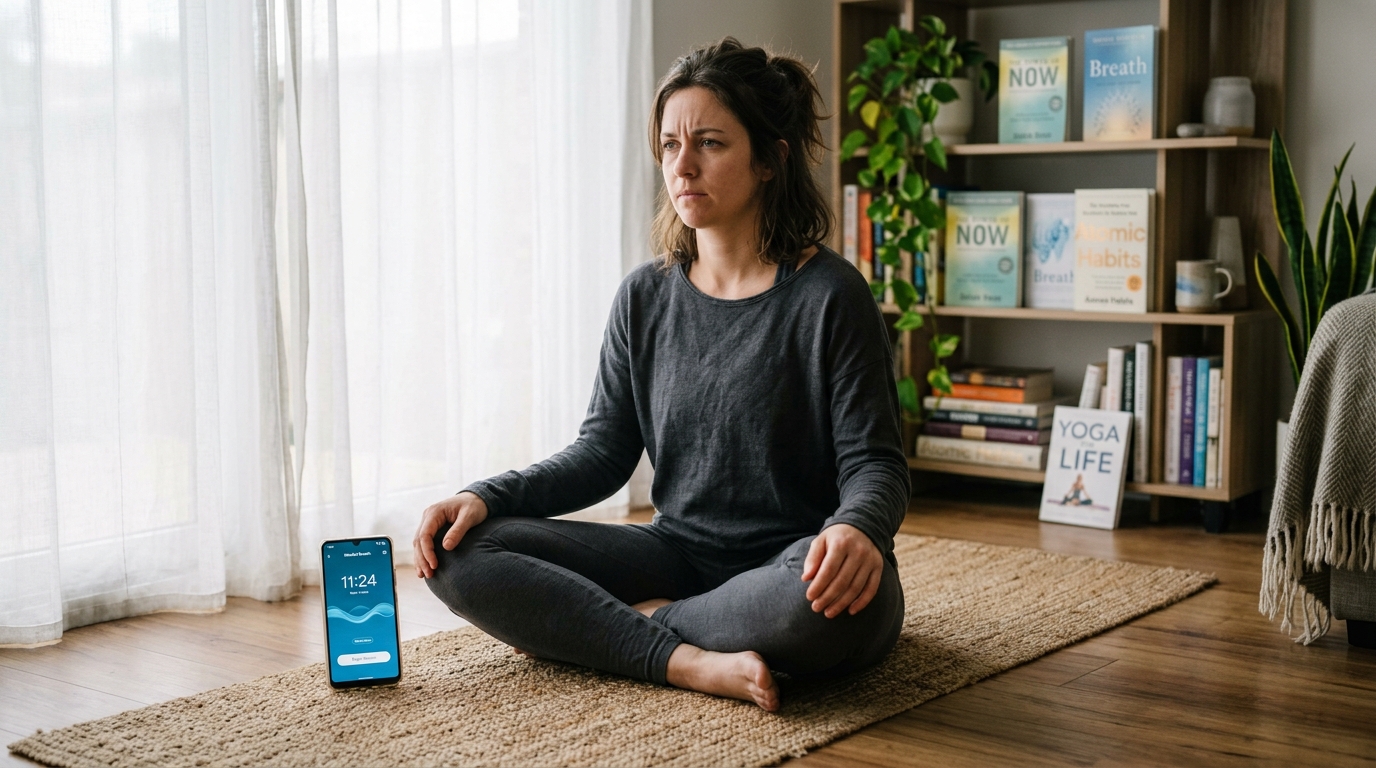
I tried all the usual approaches first. Meditation apps that I’d use for three days before forgetting. Yoga classes where I’d spend the entire session thinking about my to-do list. Deep breathing exercises that felt forced rather than natural.
These practices weren’t wrong, but they felt like trying to calm a smoke alarm by waving a towel at it instead of addressing the fire.
My nervous system needed something more foundational—something that worked with my body’s natural rhythms rather than against them. The wellness industry had taught me to think in terms of relaxation techniques and stress management strategies. But what if the issue wasn’t that I needed better coping mechanisms? What if my body’s stress response system itself needed recalibrating?
Your body wants to feel at ease again.
Understanding Your Body’s Stress Conductor

The breakthrough came when I learned about cortisol’s role as the body’s stress conductor. Most people think of cortisol as simply a “stress hormone,” but it’s actually much more sophisticated than that. It’s designed to rise in the morning to help us wake up and gradually decline throughout the day so we can wind down naturally. When this rhythm gets disrupted—whether from chronic stress, poor sleep, or just the constant demands of modern life—everything feels harder.
Your morning energy feels forced rather than natural. Your evening wind-down never quite arrives. Your nervous system gets stuck in a pattern of activation that becomes your new normal.
I realized that what I’d been experiencing wasn’t a personality trait or a lack of willpower. It was a hormonal pattern that had become dysregulated. My cortisol rhythm was like a song playing in the wrong key—still recognizable, but never quite right.
Curious about working with your cortisol patterns naturally?
The Supplement That Actually Made Sense

After months of research, I discovered Cortisol AM, and something about it felt different from everything else I’d tried. Instead of promising to force my nervous system into relaxation, it was designed to work with my body’s natural cortisol rhythm—supporting healthy levels in the morning while helping the natural decline happen more smoothly throughout the day.
The first thing I noticed wasn’t dramatic. It was subtle, the way good changes often are. My morning coffee started tasting like a pleasure rather than a necessity. I found myself taking deeper breaths without having to remind myself to do it.
Small interruptions to my day felt manageable rather than derailing.
What surprised me most was how it affected my sleep. Not because it made me drowsy, but because it helped my body remember what it felt like to truly wind down as evening approached.
My mind stopped racing through tomorrow’s agenda the moment my head hit the pillow.
What would mornings feel like without rushing energy?
When Your Nervous System Finds Its Rhythm

Within a few weeks of using Cortisol AM, I started experiencing something I’d almost forgotten was possible—moments of genuine ease. Not the forced relaxation of weekend spa days, but the natural settling that happens when your body trusts that it’s safe to rest. My shoulders stopped living near my ears. Conversations felt more present rather than something I was managing while mentally preparing for the next task.
Even my response to unexpected challenges changed—instead of my nervous system immediately jumping to high alert, I found myself pausing, breathing, responding rather than reacting.
The most beautiful change was in my mornings. Instead of waking up feeling like I was already behind, I started experiencing what I can only describe as grounded energy. Alert but not anxious. Ready but not rushed.
It was like my nervous system had remembered how to calibrate itself properly.

Your Nervous System Deserves Support
Work with your body’s natural rhythm, not against it.
Cortisol AM supports healthy cortisol patterns from morning energy to evening wind-down. Instead of forcing relaxation, it helps your nervous system remember its natural rhythm of activation and rest. For those ready to move from constant tension to grounded ease.
- ✓ Morning energy without jitters
- ✓ Natural evening wind-down
- ✓ Deeper, more restorative sleep
The Ripple Effect of Nervous System Support

What started as addressing my stress response began affecting other areas of my life in ways I hadn’t expected. My digestion improved—apparently, my stomach had been holding tension I wasn’t even aware of. My skin looked clearer, probably because my body wasn’t constantly producing stress-related inflammation. My relationships felt easier too.
When you’re not operating from a place of constant low-level activation, you have more capacity for patience, for listening, for being present with the people you care about. I stopped feeling like I needed to control every variable in my environment to feel okay.
Even my creativity returned. When your nervous system is always scanning for threats, there’s little energy left for the kind of relaxed awareness that allows new ideas to emerge. I started noticing details again—the way light fell across my desk in the afternoon, the sound of rain that I’d been too busy to hear.
Ready to move from tension to natural calm?
What I Wish I’d Known Sooner

Looking back, I wish I’d understood that nervous system health isn’t about eliminating stress—it’s about helping your body respond to stress appropriately and then return to baseline. Cortisol AM didn’t make my life stress-free; it helped my body handle stress with more resilience and recover more completely.
I also wish I’d known that supporting your nervous system is a practice, not a quick fix. The benefits built gradually, like learning to trust that your body knows how to regulate itself when given the right support.
Some days were better than others, but the overall trajectory was toward greater ease.
Most importantly, I learned that what I’d been calling “just my personality” was actually a nervous system pattern that could change. The constant vigilance, the difficulty fully relaxing, the feeling of being perpetually “on”—these weren’t fixed traits. They were symptoms of a system that needed support.
Your nervous system is ready for this kind of support.
Finding Your Way Back to Ease

Now, several months into using Cortisol AM, I’ve experienced something I hadn’t realized I was missing—the simple pleasure of feeling at home in my own body. Not every day is perfect, but I have tools now that work with my physiology rather than against it. My nervous system has remembered what it feels like to move between activation and rest naturally.
Mornings feel spacious rather than rushed. Evenings arrive with their own gentle energy that invites settling rather than more doing. I sleep deeply and wake refreshed, the way I remember feeling as a child.
If you recognize yourself in any part of this story—the constant low-grade tension, the difficulty truly relaxing, the sense that your nervous system has forgotten how to rest—know that this isn’t something you have to accept as unchangeable. Your body wants to feel at ease. Sometimes it just needs the right kind of support to remember how.
Written by Liora Menden — for those who seek calm
Ready to feel the difference this formula makes?