Three years into my plant-based journey, I thought I had mastered everything. My meals were colorful, my protein complete, my B12 supplemented. Yet every afternoon around 2 PM, something would drain from me like water from a cracked vessel. Not hunger—something deeper. A cellular weariness that green smoothies and quinoa bowls couldn’t touch.
I’d catch myself staring at my computer screen, willing my brain to engage, while my body felt like it was operating on backup power. The kind of tired that sleep couldn’t fix, rest couldn’t restore. My friends who ate meat seemed to cruise through their days with a steady hum of energy I couldn’t access, no matter how perfectly I balanced my macros.
That’s when I started to wonder: what if the issue wasn’t what I was eating, but what my cells weren’t getting?
What if there was something fundamental missing from even the most thoughtfully crafted vegan diet—something that had nothing to do with protein or iron or any of the nutrients everyone talks about?
The Energy Factory Inside Every Cell
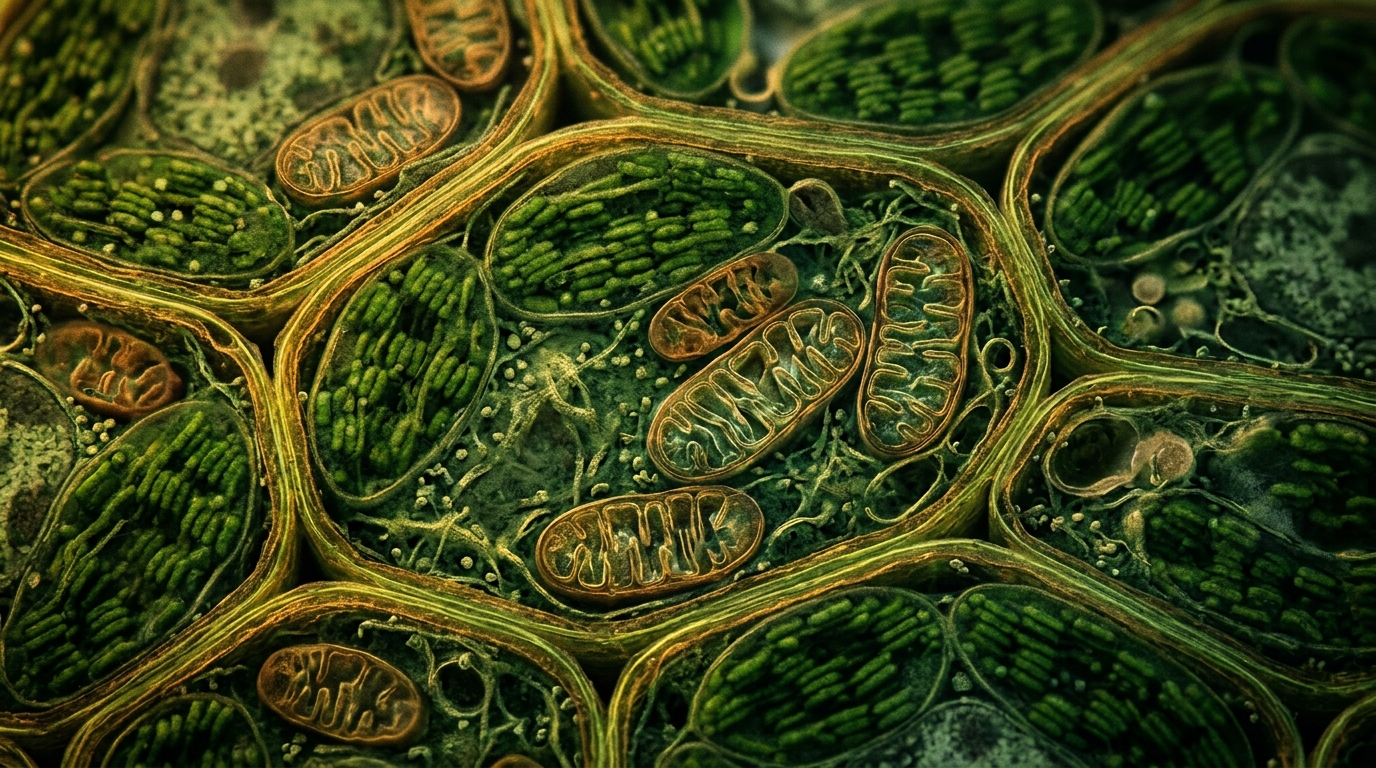
Your mitochondria are like tiny power plants, working around the clock to convert nutrients into the cellular energy that keeps you thinking, moving, breathing. These microscopic engines don’t just need fuel—they need the right kind of structural support to maintain their membranes and function optimally. When I learned this, something clicked.
I realized that cellular energy isn’t just about eating enough calories or even the right balance of macronutrients. It’s about whether your mitochondria have everything they need to do their job efficiently.
And here’s what most plant-based eaters don’t know: some of the compounds that support mitochondrial health are simply harder to get from plants alone. Think of it like trying to run a high-performance engine on lower-octane fuel. It might work, but it won’t work optimally. Your cells can function on a vegan diet, but they might not be thriving at the mitochondrial level. That afternoon energy crash? That brain fog? It might not be about what you’re eating—it could be about what your cellular power plants are missing.
Ready to give your cells the mitochondrial support they’ve been asking for?
The Plant-Based Paradox Nobody Discusses

Here’s the thing about vegan nutrition that wellness blogs rarely address: you can hit every vitamin, mineral, and macronutrient target and still experience cellular fatigue. I was doing everything right on paper—spirulina for B vitamins, hemp seeds for omega-3s, nutritional yeast for that cheesy flavor and nutrient boost. My blood work looked good. My energy levels told a different story.
The paradox is that plant foods are incredibly nutrient-dense, but they’re missing certain compounds that animal products naturally provide for mitochondrial support. It’s not about plant foods being inferior—it’s about recognizing that some nutrients are just concentrated differently in the food chain.
I started to understand that this wasn’t a failure of my diet or my discipline. It was simply a gap that needed to be acknowledged and addressed. The afternoon slumps, the mental fog, the feeling like I was running on fumes—these weren’t signs I needed to abandon veganism. They were signs I needed to support my cellular energy in a more targeted way.
Discover how targeted cellular energy can transform your plant-based experience.
When Standard Supplements Weren’t Enough
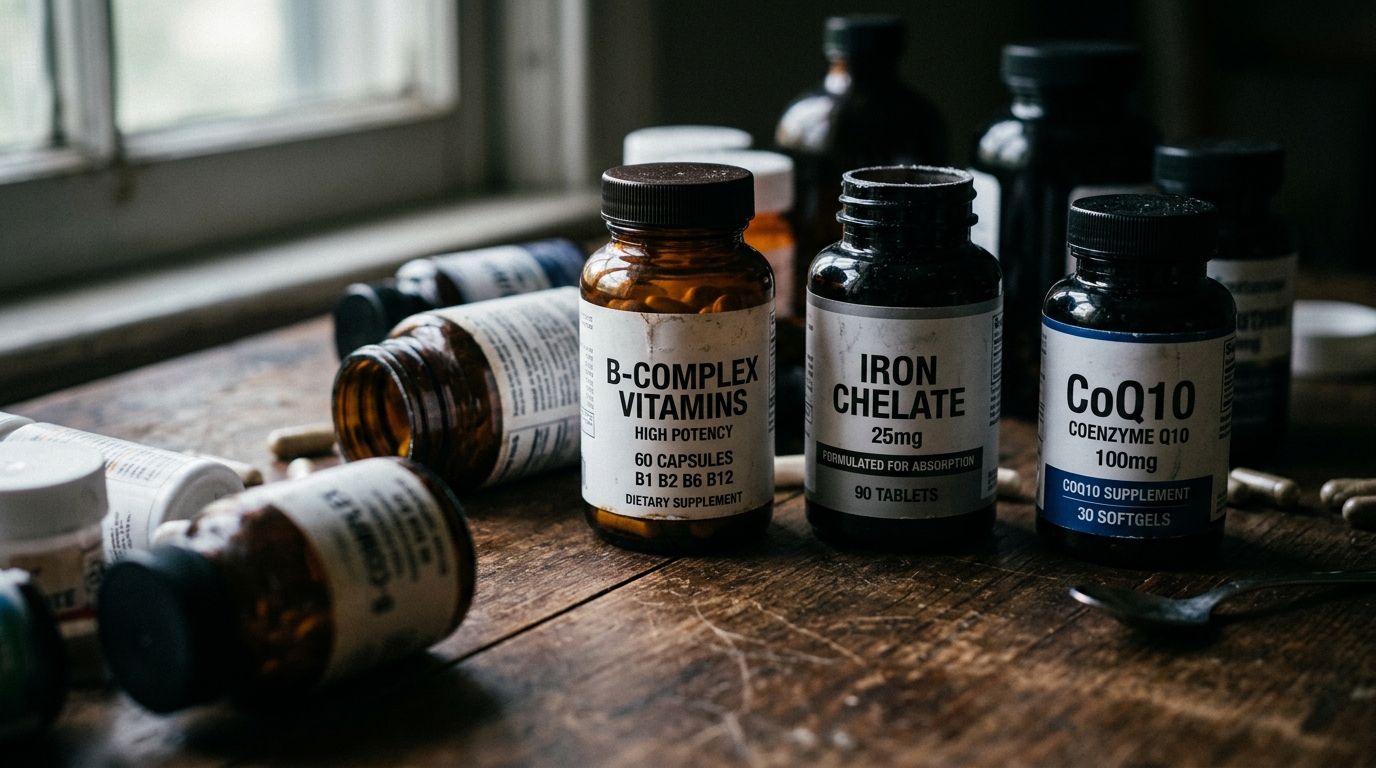
I tried everything first. More iron, thinking it was about oxygen transport. B-complex vitamins, wondering if it was a nerve function issue. CoQ10, after reading about cellular energy support. Each supplement helped a little, but none addressed the core feeling of cellular depletion I couldn’t shake. The problem with most energy supplements is that they work on surface-level fatigue—the kind that comes from nutrient deficiencies or poor sleep.
But mitochondrial fatigue is different. It’s like the difference between having a dead car battery and having an engine that just isn’t running efficiently.
That’s when I realized I needed to think beyond traditional supplementation. I needed something specifically designed to support the mitochondria themselves—the actual energy-producing organelles that might be struggling on a plant-only diet. Something that could strengthen cellular membranes and optimize the energy production process at its source.
Stop accepting fatigue as the price of compassionate eating choices.
The Morning I Stopped Accepting Tired as Normal

It happened on a Tuesday in October. I woke up feeling like I’d actually slept, not just survived the night. My morning coffee tasted better because I wanted it, not because I desperately needed it. By 10 AM, I realized I hadn’t thought about energy once—I was just… present, engaged, alive in my body.
The difference was Mitolyn.
I’d started taking it three weeks earlier, skeptical but curious about its approach to mitochondrial support. Unlike other supplements that throw nutrients at the problem, Mitolyn actually works at the cellular level to optimize how your mitochondria function. It’s designed specifically for people like me—plant-based eaters who need targeted support for cellular energy production.
That Tuesday morning, I understood what I’d been missing. It wasn’t just energy—it was cellular vitality. The feeling that my body was working with me instead of despite me. That my brain and muscles were getting the power they needed to function optimally, not just adequately.
Bridge the gap between perfect nutrition and optimal cellular function today.
How Mitochondrial Support Changes Everything

Within a month of consistent Mitolyn use, my entire relationship with afternoon energy shifted. Where I used to feel that familiar 2 PM drain, I found myself still engaged, still mentally sharp. It wasn’t the jittery alertness of caffeine—it was the steady, sustainable energy of well-functioning cells. My workouts changed too. I could push through that final set, hold that yoga pose longer, walk uphill without feeling like my muscles were protesting.
It was as if someone had tuned up the engine of my body, optimizing the energy production happening in every cell.
But the most significant change was mental. Brain fog lifted like morning mist, revealing a clarity I hadn’t experienced since before going vegan. I could focus deeply, think through complex problems, engage in conversations without feeling like I was operating through a haze. My mind felt sharp, present, fully online.
Power Your Cells Properly
Bridge the gap between plant-based nutrition and cellular vitality.
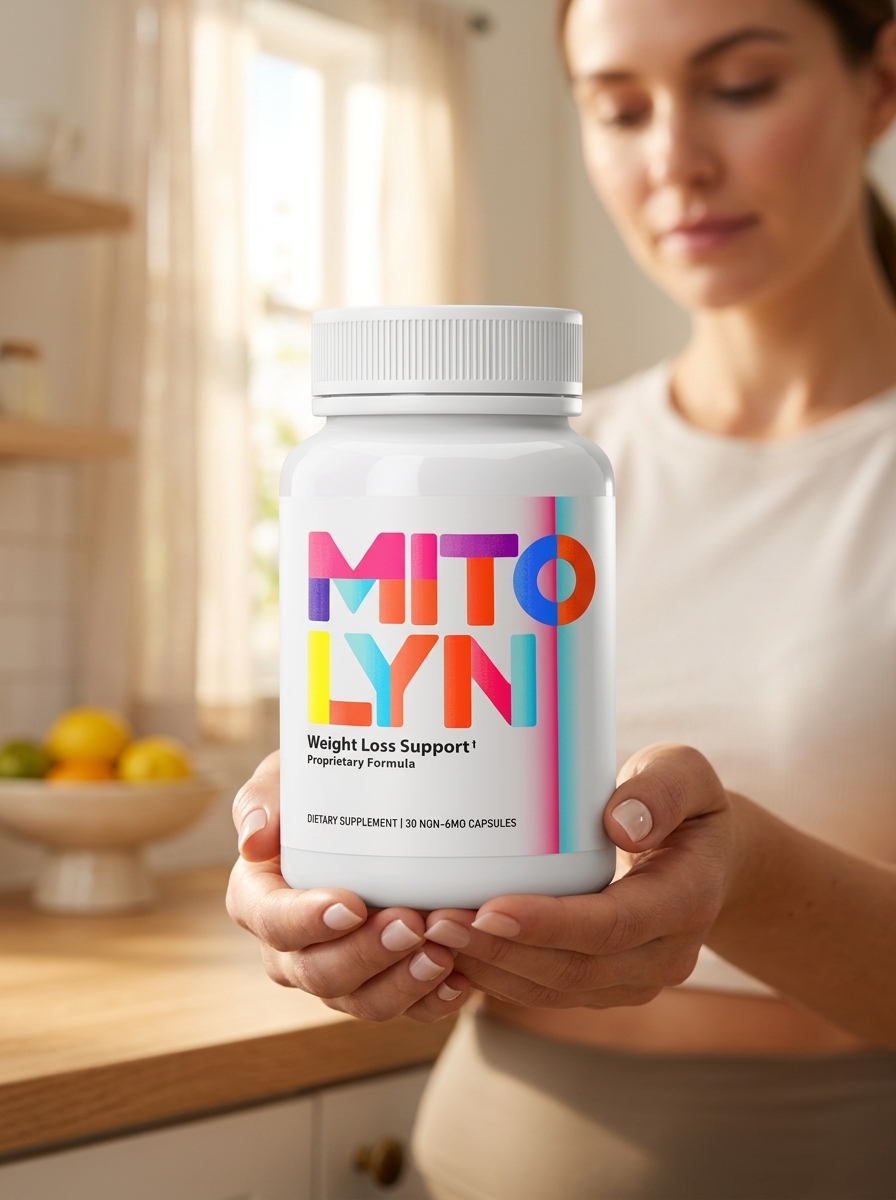
Mitolyn provides targeted mitochondrial support that even perfectly planned vegan diets can miss. Advanced cellular energy optimization helps your body utilize plant nutrients more effectively, turning afternoon crashes into sustained vitality. Designed specifically for compassionate eaters who refuse to compromise on energy.
- ✓ Steady energy that flows through your entire day
- ✓ Mental clarity that cuts through brain fog completely
- ✓ Cellular vitality that supports your active lifestyle
The Cellular Foundation of Plant-Based Vitality

Now I understand that supporting mitochondrial health isn’t about abandoning plant-based eating—it’s about completing it. Mitolyn provides the cellular energy support that even the most perfectly planned vegan diet can struggle to deliver. It’s the bridge between good intentions and optimal function.
Your cells don’t care about your dietary philosophy. They care about having what they need to produce energy efficiently. When you give your mitochondria targeted support, everything else you’re doing nutritionally works better.
The nutrients from your quinoa and kale and hemp seeds get utilized more effectively because your cellular machinery is running optimally. It’s like upgrading your body’s operating system. All the same healthy inputs, but processed more efficiently, used more completely. The fatigue that I thought was just part of plant-based eating turned out to be a solvable cellular energy issue, not an inevitable trade-off.
Experience what sustained cellular vitality feels like in your body.
What My Days Look Like Now

My mornings start with intention instead of desperation. I wake up feeling restored, not just rested. My mind is clear enough for deep work, creative thinking, meaningful conversations. The afternoon energy slump that used to derail my productivity has become a non-issue—I flow through my day with steady, sustained vitality. Exercise feels like movement instead of effort.
My body responds when I ask it to perform, whether that’s a challenging vinyasa flow or a long hike in the mountains.
Most importantly, I feel like myself again. The foggy, depleted version of me that I thought was just how vegans felt has been replaced by someone vibrant, present, and energetically available for life. Mitolyn didn’t change my diet or my values—it just gave my cells what they needed to support the plant-based lifestyle I love.
Your cells deserve the same compassion you show the world.
Finding What Your Cells Actually Need

If you’re plant-based and struggling with cellular fatigue, know that it’s not a character flaw or a dietary mistake. It’s a gap that can be filled. Your commitment to compassionate eating doesn’t have to come at the cost of optimal cellular function.
The path forward isn’t about changing what you eat—it’s about supporting how your cells process what you eat.
Mitochondrial support bridges the gap between plant-based nutrition and cellular vitality, allowing you to thrive energetically while staying true to your values. That Tuesday morning when I woke up feeling truly restored? That’s available to you too. Your cells are waiting for the support they need to function optimally. Sometimes the most compassionate thing you can do is give your body the cellular energy foundation it needs to carry you through a life lived fully, vibrantly, and in alignment with who you choose to be.
Written by Liora Menden — for those who seek cellular vitality
Ready to feel the difference this formula makes?