I used to carry my stress like a second skin. It followed me into grocery stores, wrapped around my shoulders during dinner with friends, and settled into my chest the moment I opened my eyes each morning. The weight of it became so familiar that I stopped noticing — until someone asked me when I’d last felt truly relaxed, and I couldn’t remember.
That question haunted me for weeks.
I realized I’d been managing symptoms instead of addressing what was actually happening inside my body. All those breathing apps and meditation sessions felt like putting a band-aid on something much deeper. My nervous system was stuck in a pattern it couldn’t break on its own.
The stress wasn’t just emotional anymore. It had become biological, written into my daily rhythms in ways that made real relaxation feel impossible. I needed to understand why my body had forgotten how to be calm — and what it would take to remember.
The Morning That Changed Everything
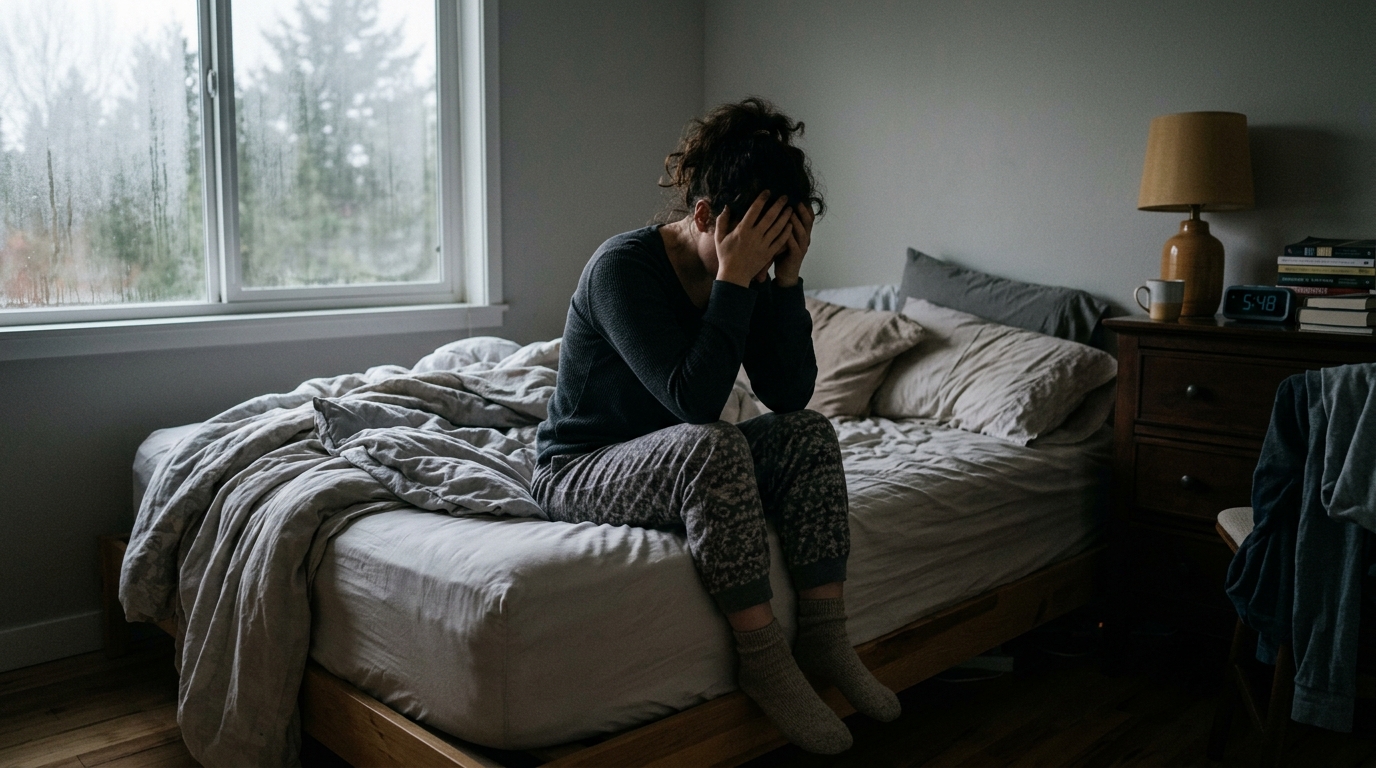
Three months ago, I woke up with my heart already racing. Not from a nightmare or an alarm — just from the act of consciousness returning. My first thought wasn’t about coffee or the day ahead. It was about how tired I felt despite sleeping eight hours. My second thought was wondering why my jaw was clenched tight enough to crack a walnut.
I sat on the edge of my bed and really paid attention for the first time in months. My shoulders lived somewhere around my ears. My breathing was shallow, barely filling the top third of my lungs. My mind was already three tasks deep into a mental to-do list that seemed to grow while I wasn’t looking.
This wasn’t stress from external circumstances. This was stress as a state of being.
My body had been running on emergency mode for so long that emergency had become normal. The realization felt both devastating and oddly relieving — because now I knew what I was actually dealing with.
Curious about supporting your natural stress response rhythm?
Why the Usual Advice Keeps Falling Short
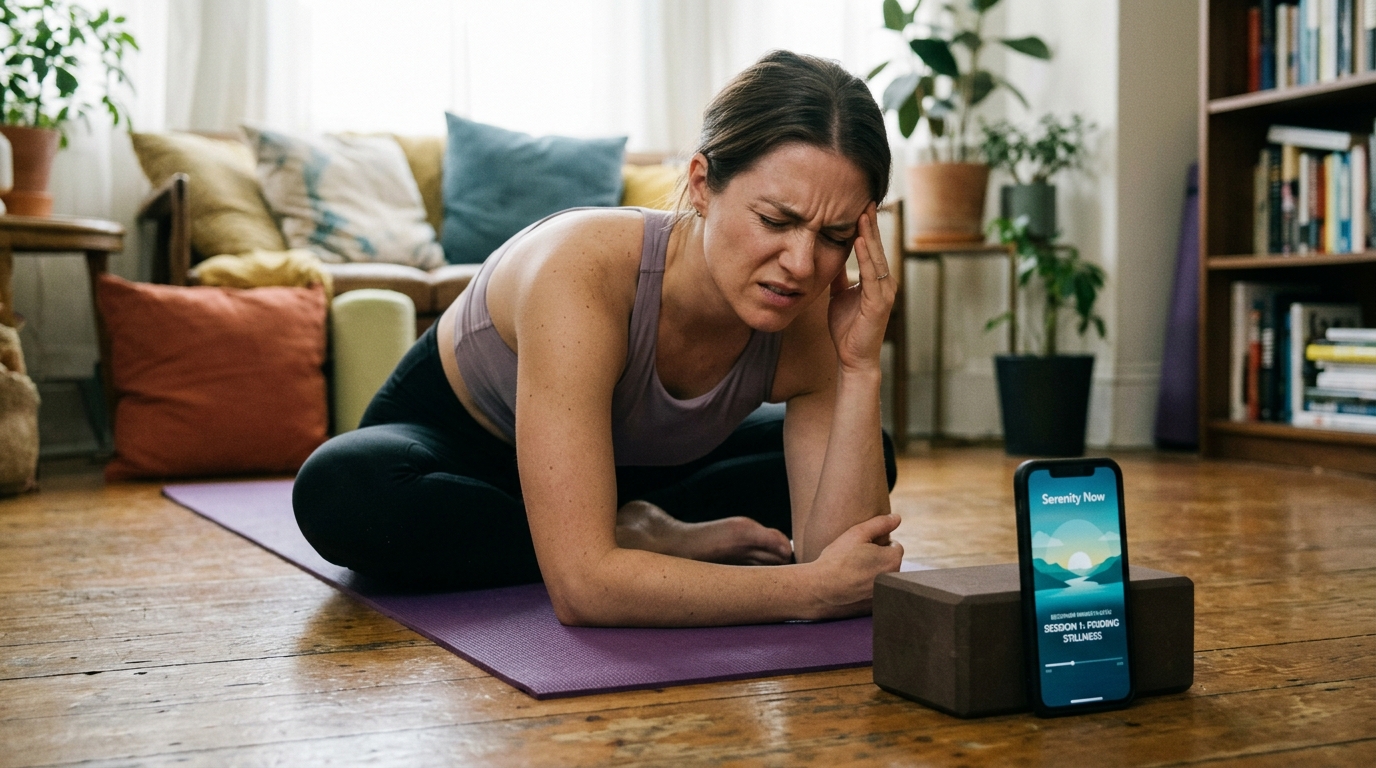
I’d tried everything the wellness world offered. Meditation apps that promised calm in ten minutes. Yoga classes that left me feeling more aware of my tension than before. Breathing exercises that worked beautifully for about an hour, then dissolved the moment real life resumed. Each technique helped in the moment, but nothing seemed to stick.
The problem wasn’t with the techniques themselves. The problem was that I was asking my nervous system to relax while it was still receiving biological signals to stay alert. It was like trying to fall asleep in a room where the smoke alarm was going off — even if the room was perfectly safe, the alarm kept my body convinced otherwise.
Chronic stress changes your biochemistry. When cortisol levels stay elevated for months or years, your body forgets what baseline calm feels like. The stress response becomes your new normal, and all the mindfulness in the world can’t override that signal unless you address what’s happening at the cellular level first.
Ready to give your nervous system the foundation it needs for real calm?
The Science of Why Stress Becomes Stuck

Your adrenal glands don’t distinguish between a deadline and a lion. When stress becomes chronic, they keep producing cortisol as if your life depends on it — because, from their perspective, it does. This constant state of biochemical alertness makes your nervous system hypersensitive to everything: sounds feel louder, interruptions feel more jarring, and small problems feel enormous.
What fascinated me was learning that cortisol follows a natural daily rhythm when your system is healthy. It should be highest in the morning to help you wake up and feel energized, then gradually decline throughout the day so you can wind down and sleep deeply. But chronic stress flattens this curve, leaving you either wired all day or exhausted from morning to night.
The breakthrough came when I realized that supporting my body’s natural cortisol rhythm wasn’t just about stress management — it was about giving my nervous system permission to remember how to be calm.
Instead of fighting against my biology, I could work with it.
Want stress management techniques that actually work with your biology?
What Actually Works: The Foundation Layer

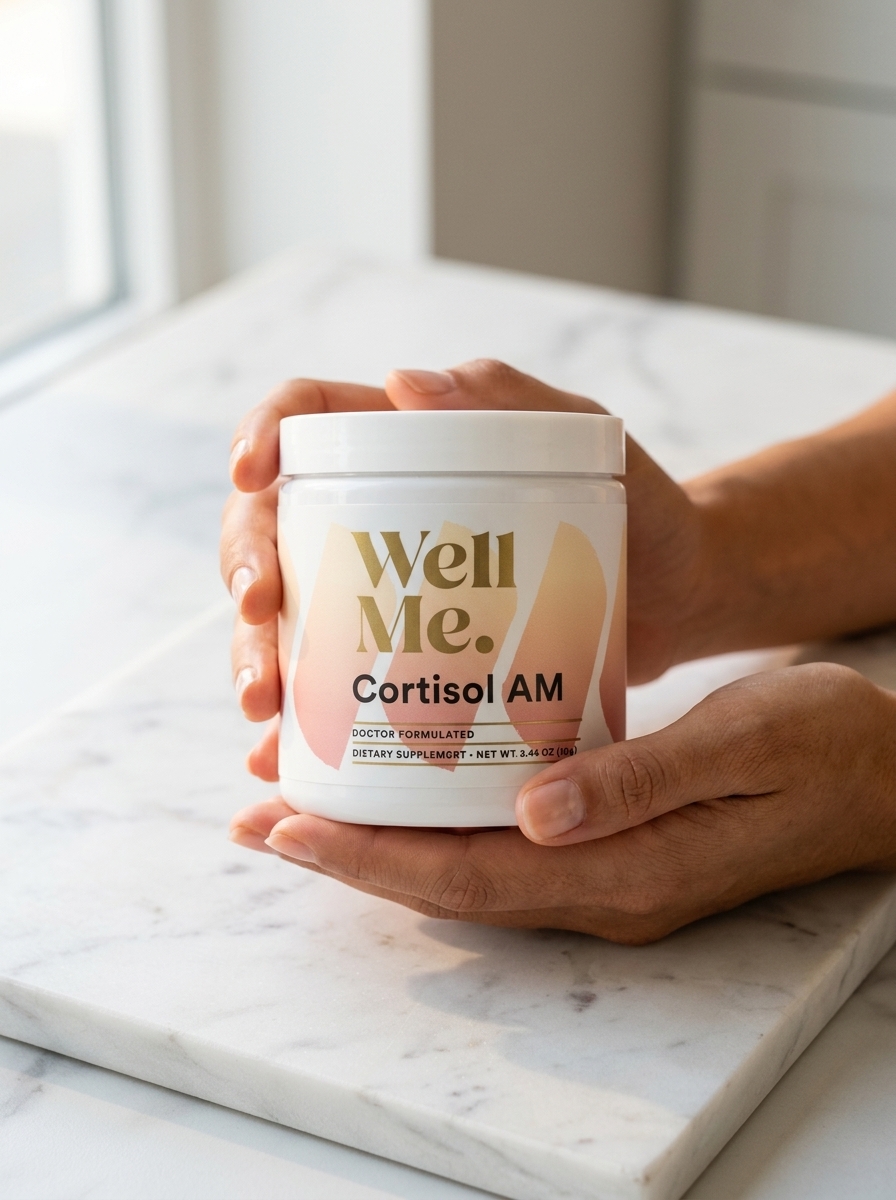
Real stress relief starts with restoring your body’s natural stress response patterns. This is where Cortisol AM changed everything for me. Instead of trying to force relaxation onto a system that was biochemically wound tight, I began supporting my adrenal glands so they could find their natural rhythm again.
Taking Cortisol AM each morning felt like giving my nervous system a reset button. Within the first week, I noticed my morning anxiety was less sharp. My energy felt more steady instead of the usual rollercoaster of caffeine highs and afternoon crashes. Most importantly, when I practiced my breathing exercises or sat for meditation, my body actually responded instead of just going through the motions.
The difference was profound but subtle — like the way a room feels different when you finally fix a flickering light you’d stopped noticing. Everything just felt more settled. My sleep became deeper, my mood more stable, and those stress-management techniques I’d been trying suddenly started working the way they were supposed to.
Tired of carrying stress like a second skin everywhere you go?
Building Your Daily Calm Routine

With my biochemistry more balanced, I could finally build sustainable stress-management habits. My morning routine became sacred — not because it was elaborate, but because it was consistent. Ten minutes of gentle stretching while my coffee brewed. Five minutes of breathing exercises that actually calmed my nervous system instead of just occupying my mind.
The key was layering simple practices throughout the day instead of trying to find one perfect technique. A few conscious breaths before checking emails. A minute of gratitude while washing dishes. Short walks that felt restorative instead of another item on my to-do list. Each small moment built on the biological foundation of balanced cortisol.
I stopped trying to meditate for thirty minutes when I was already overwhelmed, and started with three-minute breathing breaks when I felt stress building. The goal shifted from perfection to consistency, from major overhauls to gentle course corrections throughout the day.
Reset Your Stress Response
Support your natural cortisol rhythm so your nervous system can remember how to be calm.
Cortisol AM works with your body’s natural stress response patterns instead of against them. When your adrenal glands can follow their healthy daily rhythm, meditation actually works, sleep becomes restorative, and calm stops feeling impossible. This isn’t about forcing relaxation — it’s about creating the biological foundation where peace can naturally emerge.
- ✓ Morning energy without afternoon crashes
- ✓ Deeper sleep and easier mornings
- ✓ Stress techniques that actually work
The Evening Transformation

Perhaps the most dramatic change happened in my evenings. Before, the transition from day to night felt abrupt and jarring — like hitting a wall of exhaustion while my mind continued racing. Now, with my cortisol levels naturally declining as they should, evening became a time of genuine unwinding instead of collapsed exhaustion.
I developed an evening ritual that my nervous system actually craved: dimming the lights an hour before bed, taking a warm shower that felt like washing the day away, and spending fifteen minutes reading something that fed my soul instead of scrolling through my phone. These weren’t groundbreaking techniques, but they worked because my body was finally ready to receive them.
Sleep became restorative again. I stopped waking up multiple times each night, and mornings felt like gentle awakenings instead of emergency broadcasts. The chronic tension in my jaw and shoulders began to dissolve, not through forcing relaxation but through creating the biological conditions where relaxation could happen naturally.
Ready for sleep that restores and mornings that feel gentle?
What Calm Actually Feels Like

After months of living with stress as my constant companion, I’d forgotten what genuine calm felt like in my body. It’s not the absence of all sensation or emotion — it’s a settled alertness, like being fully present without being on edge. My breathing moves deeper without effort. My shoulders rest where they belong instead of hiking toward my ears.
The mental chatter that used to feel deafening has softened to a manageable hum. I can focus on conversations without my mind jumping to the next three things I need to accomplish. Problems still arise, but they feel like puzzles to solve rather than threats to survive. This shift didn’t happen overnight, but it built steadily once my nervous system remembered what safety felt like.
The most beautiful part is that calm has become my new baseline instead of something I have to constantly create. It’s not that I never feel stressed — it’s that stress passes through me instead of taking up permanent residence. My body knows how to return to center because it remembers what center is.
Trust your body’s wisdom to remember what calm feels like?
The Path Forward

Looking back, I realize that all those stress-management techniques I’d tried weren’t wrong — they were just incomplete. Meditation, breathwork, and mindfulness are powerful tools, but they work best when your nervous system is biochemically prepared to receive them. It’s like trying to plant a garden in depleted soil — even the best seeds struggle to grow without the right foundation.
Supporting your cortisol rhythm with something like Cortisol AM isn’t about avoiding the inner work of stress management. It’s about creating the biological conditions where that inner work can actually take root and flourish. When your nervous system feels safe, everything else becomes possible: deeper sleep, steadier energy, clearer thinking, and genuine moments of peace.
The stress might still cast shadows sometimes, but it’s no longer my constant companion. I’ve learned that real calm isn’t something you force or achieve — it’s something you remember, something you return to, something that emerges naturally when you give your body what it needs to feel truly safe again.
Written by Liora Menden — for those who seek lasting calm
Ready to feel the difference this formula makes?