There’s a specific kind of tired that sleep doesn’t fix.
You lie down at a reasonable hour. You close your eyes. Six, seven hours pass. And when the alarm goes off, your body feels like it was never really resting at all — just waiting. Your limbs are heavy. Your thoughts already feel cluttered before your feet hit the floor. And somewhere between pouring the coffee and checking your phone, you realize this fog has been here for weeks. Maybe months.

That was my version of the unraveling. It didn’t look dramatic from the outside. I still showed up to things. Still cooked dinner most nights. Still smiled in the right places. But underneath all of that, something was off — a low hum of wrongness I couldn’t trace to any one thing. My jeans fit differently. My patience vanished at odd times. My skin broke out like I was seventeen, except this time it came with a bone-deep exhaustion that no amount of early bedtimes could touch.
I didn’t connect any of it at first. I thought I was just stressed. Or maybe not eating well enough. Or not exercising hard enough. I kept reaching for explanations that put the blame on effort — as if I just hadn’t tried the right thing yet. It took months before the word hormones even entered my thinking.
⸻
The Moment I Stopped Blaming My Willpower

A friend of mine — the kind who reads everything and forgets nothing — casually mentioned that the symptoms I kept describing sounded hormonal. Not in a clinical, detached way. More like recognition. She’d been through something similar a year before. That conversation cracked something open.
I started paying attention differently. Not to calorie counts or step goals, but to the rhythm of how I felt across a week, a month. When the irritability spiked. When the bloating showed up. When my sleep turned restless versus when it deepened. I grabbed a notebook and just started writing things down — not with any system, just honest observations. What I ate. How I slept. Where my mood landed by three in the afternoon.
Within about six weeks, I could see it. The patterns weren’t random. They were cyclical, predictable, almost tidal. My body wasn’t broken. It was signaling. And I’d been so busy pushing through that I’d forgotten how to listen.
That shift — from forcing to noticing — changed everything that came after.
How to Balance Hormones Naturally Starts with the Smallest Shifts

Here’s what nobody tells you when you first start researching natural hormone balance: the internet will try to hand you a protocol. A hundred-item supplement stack. A rigid meal plan. A morning routine that takes ninety minutes. And when you’re already running on fumes, that wall of information feels like another thing you’re failing at. So I did the opposite. I picked one thing.
Sleep. Not the kind where you optimize your room temperature and buy a weighted blanket and track every REM cycle. Just — getting to bed at the same time for two straight weeks. That’s it. Ten-thirty, lights off, phone in another room. The first few nights were restless. By night five, something shifted. My body started anticipating rest instead of bracing against it.
And here’s the part that surprised me: my mornings changed before anything else did. I woke up with a window of clarity — maybe twenty minutes — where my head felt genuinely quiet. It had been so long since I’d experienced that, I almost didn’t recognize it.
That became the foundation. Not because sleep is magic, but because when your cortisol has been running high for months, giving your nervous system a reliable rhythm is like giving a wound still air instead of wind. It can finally start to close.
The Food That Shifted Things (Not a Diet — a Repair)

I want to be careful here, because this isn’t about eating perfectly. It’s about the moment I started thinking of food as repair instead of restriction.
The biggest shift was protein at breakfast. Not a complicated thing —
- eggs,
- sometimes leftover salmon,
- a scoop of plant protein in a smoothie.
Around twenty-five to thirty grams before ten in the morning. The difference was noticeable within days. My blood sugar stopped doing that late-morning nosedive that always ended with me standing in the kitchen, angry, eating crackers from the box.
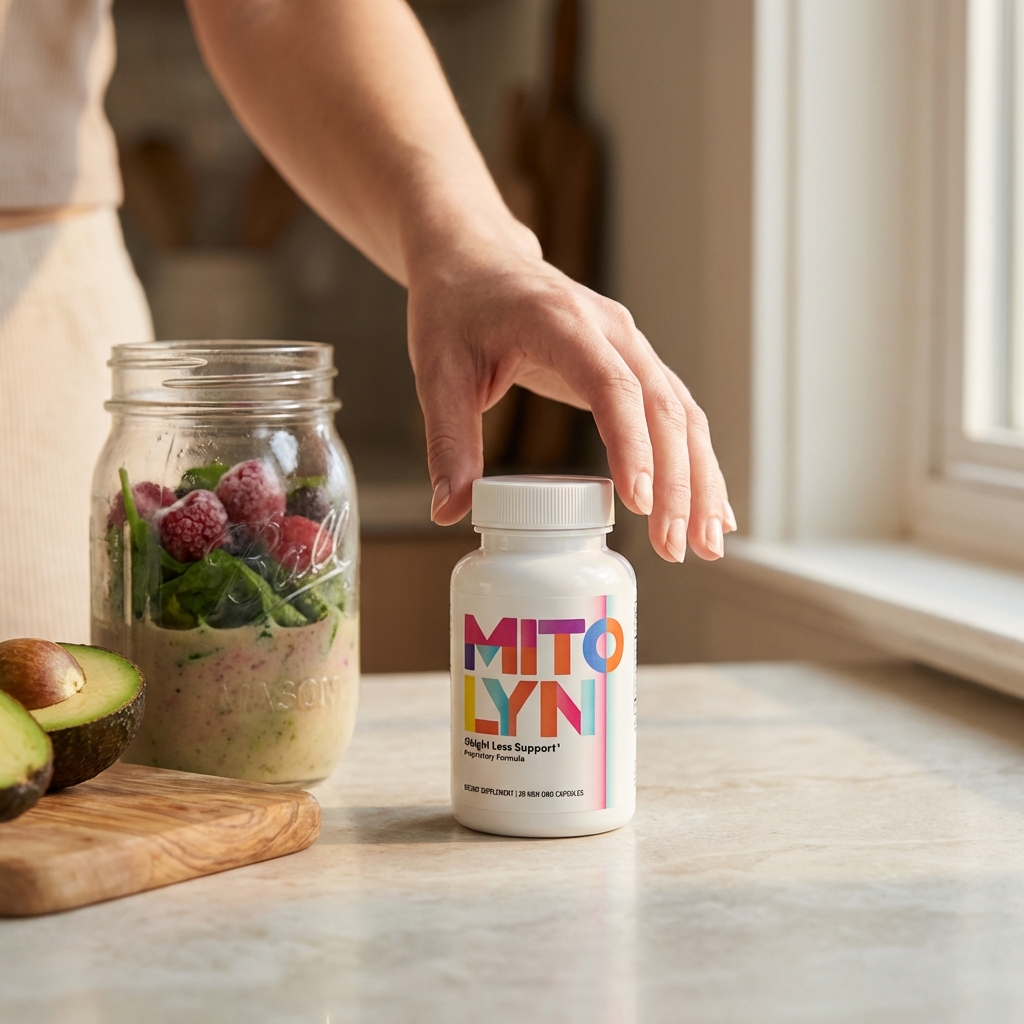
Energy Your Cells Actually Use
When better food and better sleep still leave a gap — your cells may need their own support
This plant-based formula was built around mitochondrial function — the deep engine behind your energy, your mood, and your hormonal balance. Maqui berry, rhodiola, and schisandra work together to help your body produce energy at the cellular level. No caffeine. No crash. Just steady fuel where it matters most.
-
Supports the cellular energy production behind lasting stamina
-
Works with your body’s own rhythm — not against it
-
Built from adaptogens and antioxidants, not stimulants
Then I added ground flaxseeds. A tablespoon in oatmeal or stirred into yogurt. Lignans — these compounds in flax — gently support the way your body processes estrogen. Nothing dramatic. Just a nudge. But after a few cycles, my premenstrual mood swings softened noticeably. The edges of those hard weeks got a little less jagged.
Healthy fats followed. Olive oil drizzled over roasted vegetables. Half an avocado on toast that actually tasted like something I wanted instead of something I was supposed to eat. Walnuts in a bowl on the counter. Your body uses fat to build hormones — and when you’ve been running low on the raw materials, adding them back feels less like discipline and more like relief.
Cruciferous vegetables became a quiet staple —
- Broccoli,
- cauliflower,
- Brussels sprouts — roasted until the edges went golden and slightly crisp.
They support the liver’s ability to clear spent hormones, which matters more than most people realize. When old hormones hang around too long, they crowd the system. These vegetables help the body do its own housekeeping.
⸻
The Cellular Piece Nobody Talks About
Months into this process — eating better, sleeping steadier, moving more — I still had these pockets of the day where my energy would just dissolve. Not the blood sugar kind. Deeper. Like my cells were tired.
That’s when I stumbled onto something about mitochondrial function. Your mitochondria are the tiny engines inside each cell that produce energy. When they’re not working well, it doesn’t matter how much kale you’re eating or how many hours you slept — the energy simply doesn’t arrive. And here’s the part that connected the dots for me: hormonal imbalance and mitochondrial fatigue often overlap. When your hormones are off, your cells struggle. When your cells struggle, your hormones have an even harder time doing their job. It becomes a loop.
I found a plant-based supplement formulated specifically around mitochondrial support — built with ingredients like maqui berry, rhodiola, and schisandra that work to strengthen cellular energy production from the inside. No caffeine. No stimulants. Just nutrients that help the engines of your cells run the way they’re supposed to.
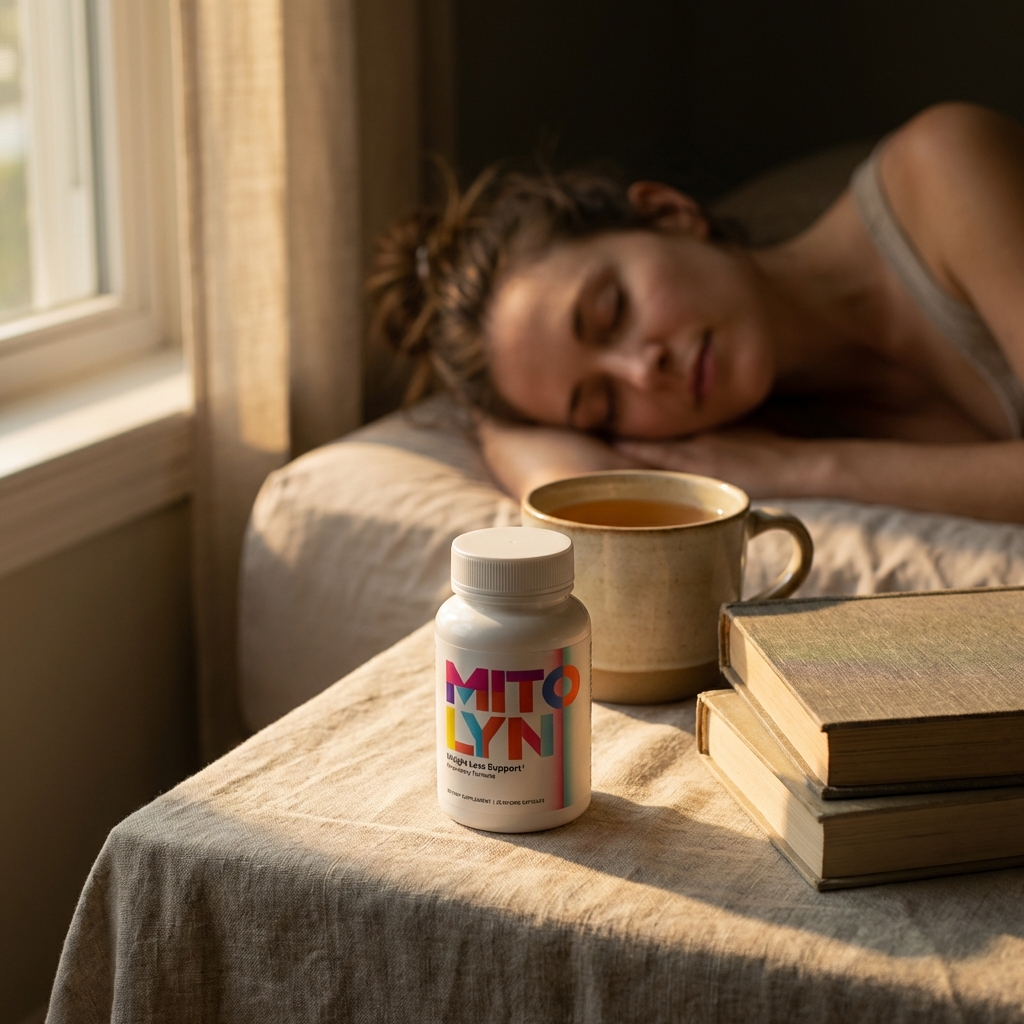
When Sleep Alone Isn’t Enough
That bone-deep fatigue isn’t a willpower problem — it’s a signal from inside your cells
Your mitochondria power everything — energy, mood, hormonal balance. When they struggle, the whole system feels it. This formula delivers targeted plant-based nutrients like maqui berry and rhodiola directly to the cellular engines that keep you running. Not a jolt. A foundation.
-
Targets the mitochondrial fatigue behind that “tired beneath tired” feeling
-
Adaptogens that help your body rebuild its own steadiness
-
No stimulants — just nutrients your cells have been asking for
I wasn’t expecting much. I’d tried enough things by that point to have a healthy skepticism about anything new. But within the first couple of weeks, I noticed something I can only describe as steadiness. Not a jolt. Not a rush. Just a feeling that my energy arrived in the morning and didn’t collapse by two in the afternoon. My workouts felt different — not harder, but more like my body was actually showing up for them. And my mood, already better from the sleep and food changes, settled into something I hadn’t felt in a long time. Evenness. The kind of calm that doesn’t require effort to maintain.
That was the piece I’d been missing. All the lifestyle shifts mattered, but my cells needed direct support too. It was like I’d been building a house on a foundation that had cracks in it, and finally, someone helped me seal them.
Movement as Conversation, Not Punishment

I want to tell you about the way I exercise now, because it’s nothing like what I used to do. I used to run hard. Long distances, fast pace, sweat as proof of effort. And for a while, it worked. But when my hormones started shifting, that intensity became another stressor. My cortisol spiked instead of dropping. My recovery took days instead of hours. My body was sending a very clear message: this isn’t helping anymore.
So I slowed down. Three mornings a week, I walk. Not a power walk. Just a walk. Through the neighborhood when the light is still soft and the air has that particular coolness that disappears by midmorning. Sometimes I listen to something. Often I don’t.
Twice a week, I do something with resistance. Not a gym routine — bodyweight movements, a pair of dumbbells at home, maybe some slow squats while the kettle boils. Strength work supports bone health, metabolism, and something researchers call hormonal sensitivity — basically, your body gets better at responding to the hormones it already has. And once or twice a week, yoga. Not the athletic, power kind. The kind where you hold a stretch long enough to feel something release. Where your breathing slows and your shoulders finally come down from where they’ve been living near your ears all day.
This combination replaced the punishing workouts I used to think I needed. And my body thanks me every single morning.
⸻
Stress: The Invisible Hormonal Disruptor

Here’s something I wish I’d understood years earlier: stress isn’t just a feeling. It’s a biochemical event. When cortisol stays elevated — from work, worry, poor sleep, over-exercising, even from scrolling your phone in bed — it interferes with nearly every other hormone in your body. Progesterone drops. Thyroid function slows. Insulin gets confused. The whole system starts compensating, and the symptoms pile up.
My stress management isn’t glamorous. Ten minutes of sitting quietly in the morning before anyone else is awake. Writing in my notebook — not a gratitude practice, not a bullet journal, just honest sentences about how I actually feel. Reading something absorbing for thirty minutes in the evening. These tiny pockets of stillness retrained my nervous system to come back down from the state of constant readiness it had been stuck in.
The compound effect surprised me. Better sleep followed. Fewer afternoon cravings. My cycle became more predictable. Even my skin cleared — slowly, like fog lifting over weeks, not overnight.
Where I Am Now

I want to be honest about this: I’m not “fixed.” Hormones don’t work that way. They’re a living system, and they respond to seasons, stress, aging, sleep, and a hundred other inputs. What’s different now is that I understand the language. When my energy dips, I know to check my sleep. When irritability creeps in, I look at what I’ve been eating. When that deeper fatigue returns — the cellular kind, the one that sits in your bones — I lean into the mitochondrial support that made such a noticeable difference, and I give my body time to recalibrate.
My mornings now start with a glass of water and a smoothie —
- spinach,
- berries,
- flaxseed,
- plant protein —
and the supplement that keeps my cells running steadily. It’s become the most unremarkable part of my routine, and that’s exactly the point. The things that work tend to become quiet. They stop being events and start being rhythms.
The shifts I made aren’t extreme. They’re not photogenic. They won’t go viral on social media. But they are the reason I feel like myself again — maybe more like myself than I’ve felt in years. And that’s worth more than any protocol or program could ever promise.

Steadiness You Can Count On
The things that actually work don’t stay exciting — they become the rhythm you trust
This isn’t a quick fix and it was never meant to be. It’s plant-based mitochondrial support designed to become part of your daily foundation — the quiet, reliable piece that keeps your energy, mood, and hormonal balance moving in the right direction. Day after day.
-
Becomes part of your rhythm, not another thing on your list
-
Formulated for the long game — sustained cellular support
-
Clean, plant-based ingredients your body can actually use
If you’re in the thick of it right now — the fog, the frustration, the sense that your body is speaking a language you can’t quite decode — I want you to know that you’re not imagining it. Something real is happening. And the path forward doesn’t have to be complicated. It starts with one shift. One small act of paying attention.
Your body already knows what it needs. Your job, gently, is to start listening.
Written by Liora Menden — for those who seek steadiness in the noise.
Related reading
- Can You Actually Build Immunity Naturally Over Time? Here’s What Finally Changed for Me
- Balance Hormones for Energy: What Changed When I Stopped Fighting My Body’s Calendar
- My Chronic Fatigue Recovery Protocol: Full Reset That Actually Held
- Omega-3 for immunity vs. odd-chain fats: what actually helps you feel steadier