The bathroom mirror at 6:47 a.m. I’m staring at someone who looks exactly like me, mouth moving through the same script: I’m fine. Just tired. Everyone’s tired.
But my reflection isn’t buying it.
Because “fine” people don’t forget their own phone number mid-conversation. They don’t sit in the driveway for three minutes trying to remember why they needed to leave. They don’t feel their personality draining out through a hole they can’t locate.
I wasn’t depressed. I wasn’t anxious in the clinical sense. I was just… dimming. Like someone turned down the brightness on my whole operating system and I didn’t notice until I could barely see the screen anymore.
And here’s the sick joke: you can’t complain about it. Because what are you supposed to say? “I feel like I’m running on three cylinders but all my bloodwork is normal”? “I’m losing conversations with people I love because my brain keeps buffering”?
Nobody taught us the language for when your body betrays you quietly.
⸻
The month I stopped believing my own excuses

March. That’s when I started writing things down. Not because I’m organized—because I was scared I’d forget I was forgetting.
Little moments that shouldn’t matter but did:
- Standing in the cereal aisle for four minutes, unable to decide. Not because of options. Because deciding felt hard.
- Canceling plans I actually wanted to do because the idea of “being on” felt like lifting furniture.
- Snapping at my partner over dish placement—not because I cared about dishes, but because my baseline irritability had become the temperature of the room.
- Reading the same work email five times and still not absorbing the ask.
I kept telling myself: It’s stress. It’s sleep. It’s the season. But stress doesn’t make your thoughts feel like they’re walking through chest-deep water. Sleep doesn’t fix the kind of tired that lives in your attention span. And seasons don’t explain why you suddenly can’t access the version of yourself you were six months ago.
That’s when I realized: this isn’t about rest. This is about fuel.
⸻
Mitochondria: the part of biology class that suddenly mattered

Here’s what I wish someone had told me earlier. Your cells make energy. That’s not a metaphor. It’s biochemistry. And the parts of your cells that do this—mitochondria—don’t care about your excuses. They either work well, or they don’t.
When they work well, you feel like yourself. When they don’t, you feel like a draft of yourself.
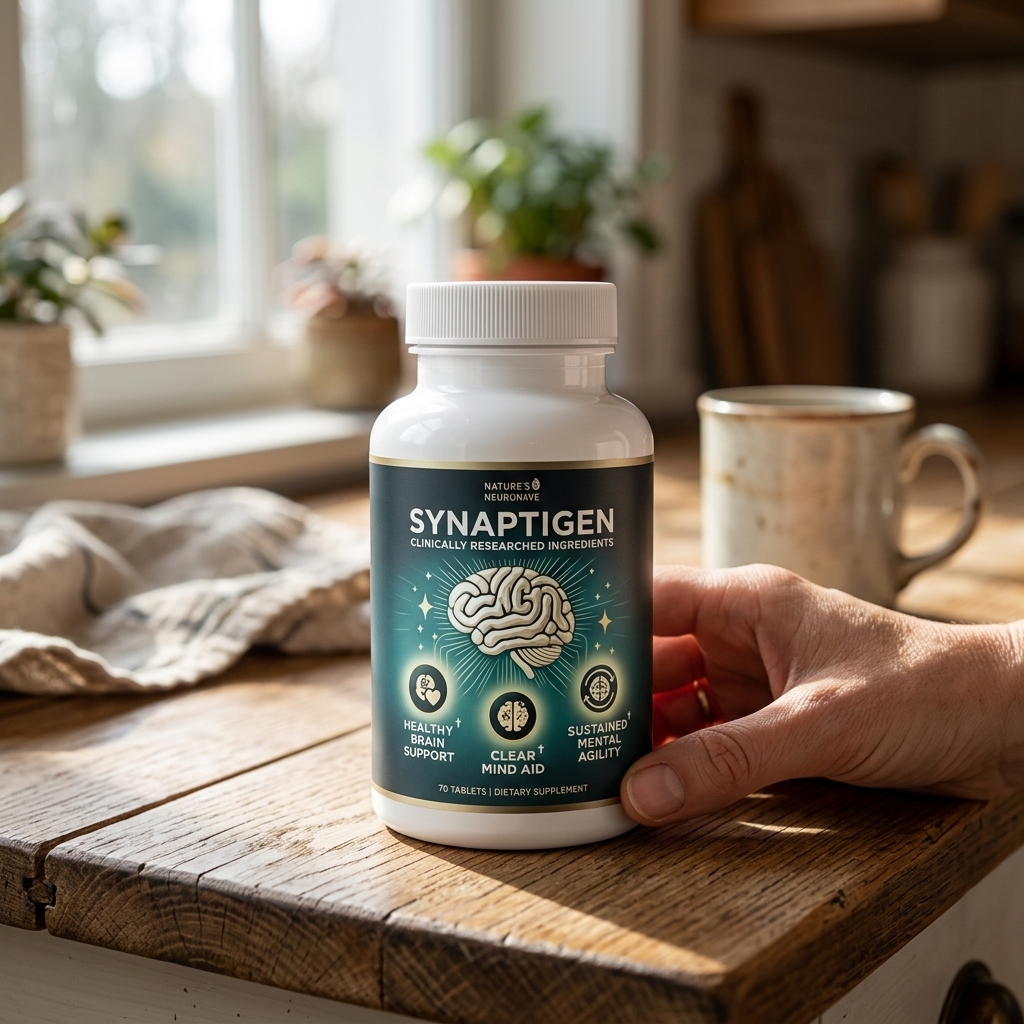
Clarity Starts at the Cellular Level
Your brain burns more energy than any organ you have — and it’s been running on fumes.
Synaptigen was built for the place where energy problems actually live: your gut-brain connection. It supports cognitive sharpness, mental stamina, and the kind of clarity that doesn’t fade by afternoon. This isn’t a stimulant. It’s a foundation — designed to help your mind work the way it’s supposed to.
-
Supports focused thinking when your brain feels like it’s buffering
-
Targets the gut-brain axis where mental clarity actually begins
-
Helps rebuild the cognitive stamina that quiet depletion erodes
And here’s the part that wrecked me: your brain is the most energy-hungry organ you have. Which means when cellular energy drops, your mind feels it first. Not as sleepiness. As slowness. As fog. As that creeping sensation that you’re almost present but not quite.
I wasn’t losing my mind. I was losing my mitochondrial support. And once I understood that, everything got simpler.
⸻
The five things I use now (and the order I’d start them in)

I’m not a biohacker. I’m not trying to optimize my way to enlightenment. I’m just trying to feel like the person I remember being.
These five became my baseline. My daily recalibration. The difference between surviving and actually living inside my own life.
Magnesium: the nervous system whisper
This was first because it was foundational. When your body is tight, everything costs more energy. Your shoulders. Your jaw. Your thoughts.
Magnesium didn’t make me sleepy. It made me available. Like my nervous system finally got the memo that we weren’t in danger anymore. Better sleep. Less edge. More room between stimulus and reaction.
It’s not sexy. But it’s structural. And structure matters when you’re trying to rebuild something.
CoQ10: the steady hum
This one felt like turning down resistance. Not a spike. Not a buzz. Just… less friction. My body stopped feeling like it was dragging a sled everywhere. Workouts didn’t wreck me. Afternoons didn’t crater. I stopped needing emergency glucose just to make it to dinner.
If your fatigue lives in your muscles—heavy limbs, slow recovery, workouts that feel punishing—this is where I’d begin. Because you can’t think clearly when your body is screaming for help.
Creatine: the reserves I didn’t know I needed
Creatine gets boxed into gym culture, but that’s not why I use it. I use it because high-demand days shouldn’t leave me empty.
It felt like having a backup battery. Not for performance—for presence. I could stay engaged longer. I could handle one more thing without dissolving. And that mattered more than any deadlift ever did.
PQQ: the rebuilding whisper
This one worked so quietly I almost missed it. I didn’t feel “more energy.” I felt more durability. Like my system was learning how to hold up under pressure again.
Stress still happened. But I stopped shattering every time something went sideways. It felt like someone was repairing the foundation while I kept living in the house.
NAD support: the mental clarity I’d forgotten existed
NAD is involved in how your cells handle energy at the deepest level. And for me, this was the one that made my brain feel less like a betrayal. Clearer thoughts. Faster connections. Less lag between intention and execution.
I stopped losing words mid-sentence. I stopped rereading paragraphs like they were written in code. This one brought me back to myself in the place that mattered most: my mind.
⸻
The thing I didn’t expect to need (and now won’t live without)

But here’s what actually changed the game. Halfway through this rebuilding process, I tried something that wasn’t even on my original list.
Synaptigen.
I found it because I was researching the gut-brain axis—this whole world where your digestive system and your mental clarity are more connected than anyone talks about. And Synaptigen wasn’t marketed as “energy.” It was positioned around cognitive support, gut health, mental sharpness. Which honestly… that’s exactly where I was broken. Not in my muscles. In my mind.

Your Mind Deserves Backup
The moment you stop performing your own personality is the moment everything shifts
Synaptigen supports the gut-brain connection that drives mental sharpness, emotional steadiness, and the kind of presence that used to come naturally. It doesn’t mask fatigue. It meets you in the place where your energy problem actually lives — your cognitive foundation. So you can stop surviving your days and start being in them.
-
Supports emotional steadiness that makes relationships feel easier
-
Helps restore the mental presence you thought was just gone
-
Works with your gut-brain axis — not against your nervous system
So I added it. Not with fanfare. Just with tired, desperate curiosity. And within two weeks, something shifted.
I stopped feeling like I was performing my own personality.
Conversations flowed again. I could hold threads without losing them. My mood evened out in a way I hadn’t realized was missing. It wasn’t dramatic. It was relief. The kind of relief that makes you realize you’d been holding your breath for months.
What “better” actually feels like when it happens slowly

I need to be clear about something. This wasn’t a light switch. It was a slow restoration. A creeping sense of “oh, I’m here again.”
The changes that told me it was working:
- I stopped checking the clock every hour, counting down to when I could collapse.
- I could read for pleasure again without my brain rejecting the input.
- I started wanting to do things instead of just forcing myself through them.
- My partner said, “You seem lighter.” Not thinner. Lighter. Like the weight I’d been carrying invisibly had finally eased.
- I stopped feeling like I was rationing my personality to get through the day.
That last one is the real test. Because when you’re running on empty, you become strategic about where you show up. Who gets the “real” you. Who gets the fumes.
And I was tired of being fumes.
The part nobody tells you about fixing your energy

Here’s what I learned. Energy isn’t just about “doing more.” Energy is about being someone you recognize.
- It’s about having patience when your kid asks the same question five times.
- It’s about not spiraling when plans change.
- It’s about being kind instead of just “not mean.”
- It’s about remembering why you liked the things you used to like.
When your cellular energy comes back—when your mitochondria start doing their job again—you don’t become superhuman.
You become human. And that’s the whole point.
If you’re stuck in the “but I’m doing everything right” trap
Here’s the thing nobody warns you about. You can sleep eight hours. Eat clean. Move your body. Manage your stress. And still feel like you’re running on someone else’s battery.
Because cellular energy isn’t about willpower. It’s about biochemistry. And when biochemistry breaks quietly, it doesn’t show up on your annual physical. It shows up in your life. In how you feel at 3 p.m. In whether you have anything left after work. In whether your brain feels like a tool or a burden.
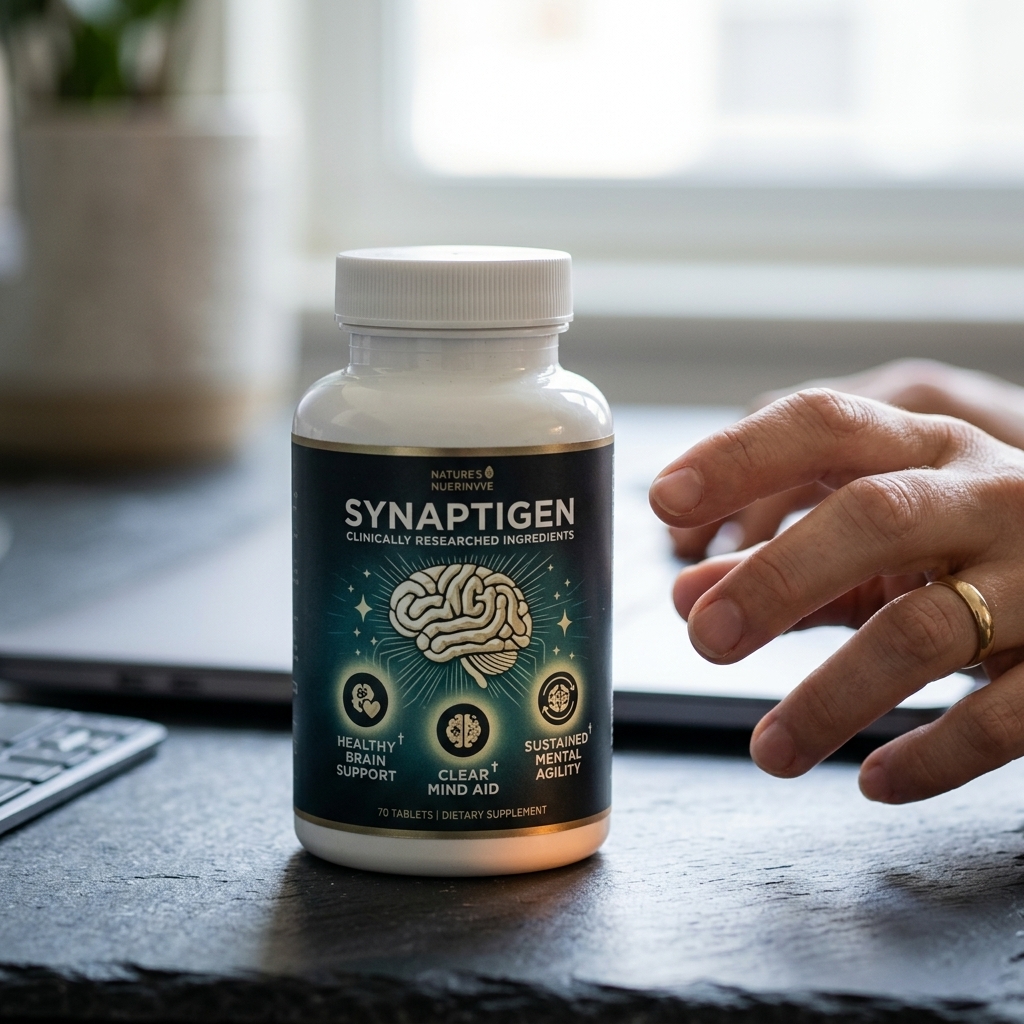
Not Willpower. Biochemistry
You can do everything right and still feel wrong — because cellular energy doesn’t run on discipline
Synaptigen targets the gut-brain connection that drives cognitive sharpness and emotional resilience. When your fatigue shows up as scattered thinking, brain fog, or that awful sense of being almost present — this is where support actually matters. Not a shortcut. A foundation your cells have been asking for.
-
Helps cut through brain fog that sleep alone won’t touch
-
Supports the biochemistry behind staying sharp past 3 p.m.
-
Designed for the fatigue that lives in your mind, not your muscles
Supplements for mitochondrial health aren’t a shortcut. They’re a support system for the part of you that’s been working overtime without backup.
And if your fatigue lives in your mind—if your exhaustion shows up as brain fog, scattered thoughts, or that awful sense of being “almost present” but not quite—don’t ignore it. Synaptigen met me in that exact place. The place where my energy problem wasn’t physical. It was mental, emotional, cognitive. And fixing that mattered more than any workout ever could.
⸻
The version of yourself you’re trying to get back to

I think the real reason any of this works is simple. You’re not trying to become someone new. You’re trying to remember what it felt like to be yourself.
To have thoughts that connect. Energy that lasts. Patience that doesn’t run out by noon. To feel like your body and brain are on the same team again instead of fighting a cold war you can’t win.
That’s what these five gave me. And that’s what Synaptigen protected: the part of me that thinks, feels, and shows up as someone I actually recognize.
If you’re reading this because you’re tired in a way that sleep doesn’t fix—because you’re doing “all the right things” and still feeling wrong—I see you.
And I’m telling you: it’s not in your head. It’s in your cells. And cells can be supported.
Written by Elias Menden — for those who refuse to accept dimming as normal.
Related reading
- The Best Supplements for Cellular Health: What Nobody Told Me About Where Energy Actually Starts
- Good Fats vs. Bad Fats: What Your Brain Really Needs
- Gut Microbiome and Immunity: Why Your Immune Strength Actually Starts in Your Gut
- Long-Term Brain Health: How I’m Future-Proofing My Brain for the Next 30 Years