You know the morning I’m talking about. You’re not sick—not yet. But you’re also not quite right. Your throat has that faint scratchy feeling, like someone drew a fingernail across velvet. Your eyes feel heavier than they should. And when you swallow, there’s a tiny hesitation, a pause that wasn’t there yesterday.
That’s when the mental calculation starts: Do I have time to get sick right now? Most people in that moment don’t want a pep talk about immune boosters or a lecture about superfoods. They want their body to just… cooperate. To stop sending warning signals. To feel less like it’s one bad night of sleep away from falling apart.
This is why the conversation about fatty acids gets so personal so quickly. Because underneath all the biochemistry talk, what people are really asking is:
Can the right kind of fat make my body feel less fragile?
For years, omega-3 has been the default answer. And omega-3 for immunity is a legitimate topic—these fats integrate into your cell membranes and influence how immune signals get sent. That’s not marketing. That’s mechanism. But lately, there’s been more chatter about odd-chain saturated fats—the ones found in certain dairy and ruminant foods. People describe them as “sturdier,” less temperamental than fish oil, less prone to going rancid in your cabinet.
So what’s the actual difference? The truth isn’t that one wins. It’s that different bodies need different kinds of calm—and the fat that helps you depends on what kind of chaos you’re trying to quiet. Let me walk you through this in a way that actually makes sense for your life.
⸻
The immune system doesn’t need hype. It needs clearer signals

Most immunity advice sounds like you’re supposed to crank everything up—boost, strengthen, fortify. But here’s what I’ve noticed: the problem usually isn’t that your immune system is too weak. It’s that it’s too noisy.
An immune system running on bad information looks like:
- overreacting to minor stress—tight shoulders, clenched jaw, that wired feeling that won’t quit
- staying puffy longer than makes sense after a hard workout or a bad night
- skin that flares red at the smallest irritation
- sleep that technically happens but doesn’t feel like it repaired anything
- catching whatever’s going around, every single time
The issue isn’t volume. It’s signal clarity. And this is where fats come in—not because they’re magic, but because they become part of the structure of your cells. They influence:
- how flexible your cell membranes are (which affects how well cells respond)
- how immune cells communicate with each other
- how your body manages the inflammation cycle—starting it when needed, ending it when it’s done
- how quickly you recover after your body’s been under pressure
That’s the real work fats are doing. Not boosting. Clarifying.
⸻
Omega-3 for immunity: why it works for so many people
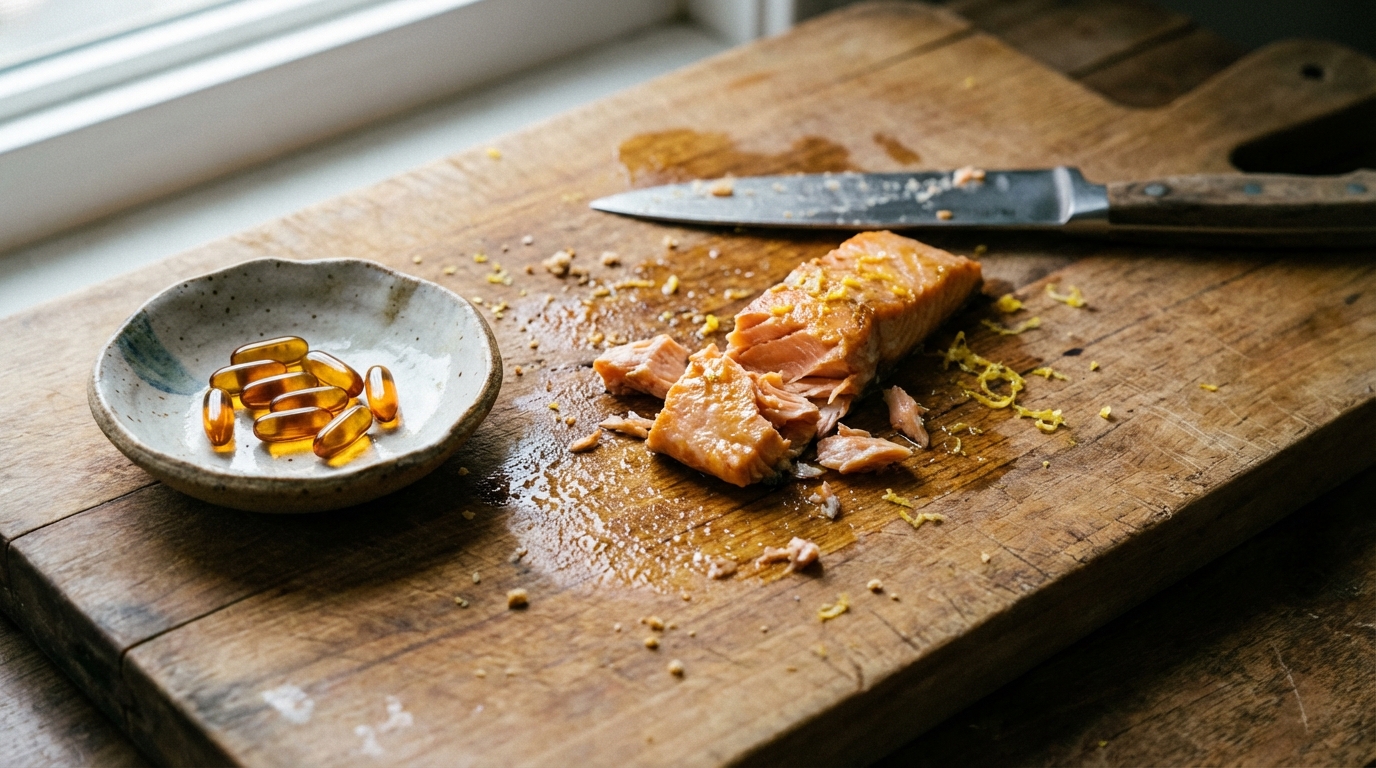
Omega-3s—particularly EPA and DHA from fish—have earned their reputation for helping with inflammation balance. And when people say they want “immune support,” what they often mean is they want their body to stop overreacting to everything.
When omega-3 is the right match, the changes are rarely dramatic. They’re more like:
- your knees feel less stiff when you stand up after sitting through a meeting
- your face looks less flushed after a run
- your mood doesn’t swing as hard when something small goes wrong
- your energy holds steady through the afternoon instead of crashing at 3 PM
- your body downshifts faster after a stressful day—less of that “still buzzing at midnight” feeling
A lot of this comes back to how omega-3s change the conversation your immune cells are having. Your immune system uses chemical messengers—prostaglandins, leukotrienes, cytokines—to coordinate responses. Omega-3s shift the vocabulary of those messages. Less “burn everything down,” more “handle this proportionally.”
The part people don’t admit: omega-3 can be a pain to stick with
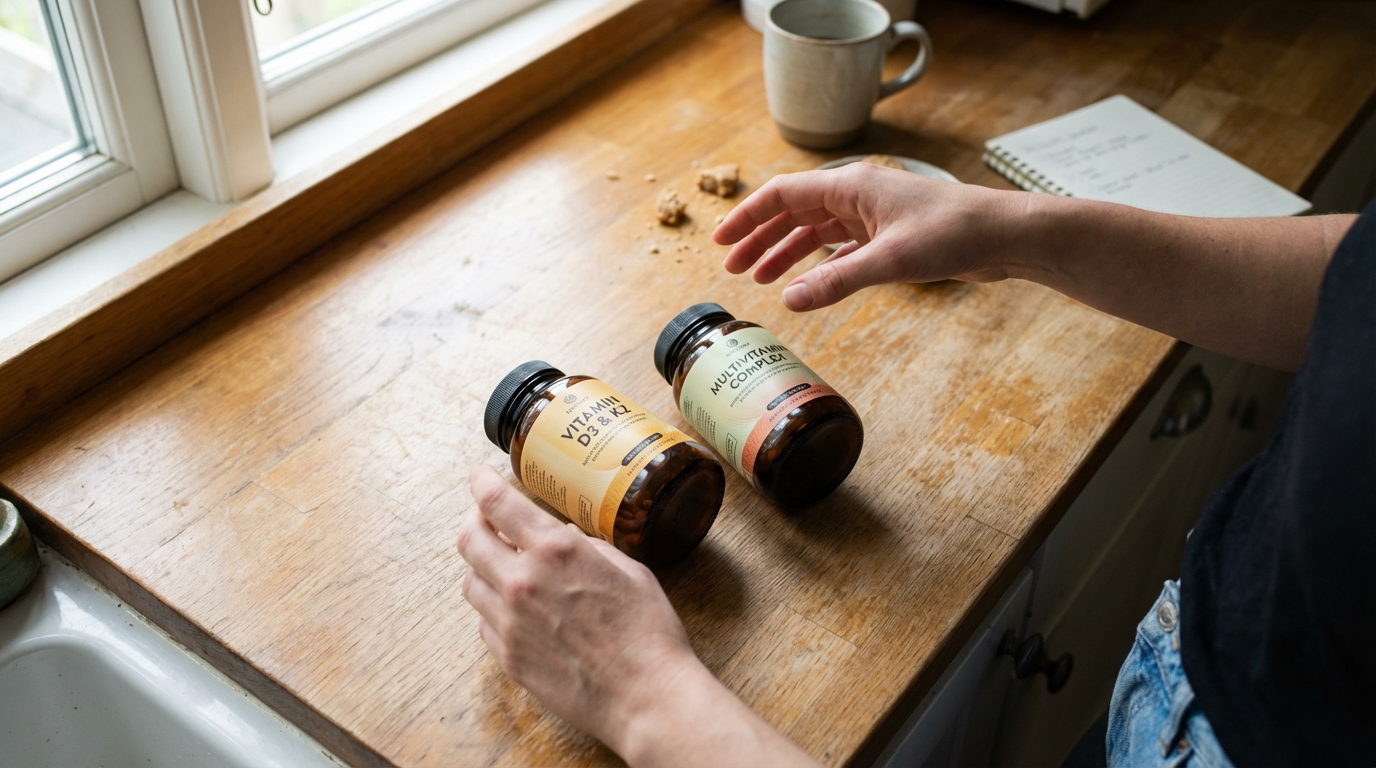
Not because it doesn’t work. Because it comes with friction.
Some people deal with:
- fishy burps that show up hours later
- a heavy, queasy feeling in their stomach
- confusion about brands, dosing, freshness, whether the bottle in their hand is even good quality
- one more capsule to remember, one more thing to research, one more decision when they’re already tired of deciding
And if you’re already maxed out on decisions, the last thing you need is a supplement that requires a graduate seminar to understand.
⸻
Odd-chain saturated fats: why people compare them to omega-3
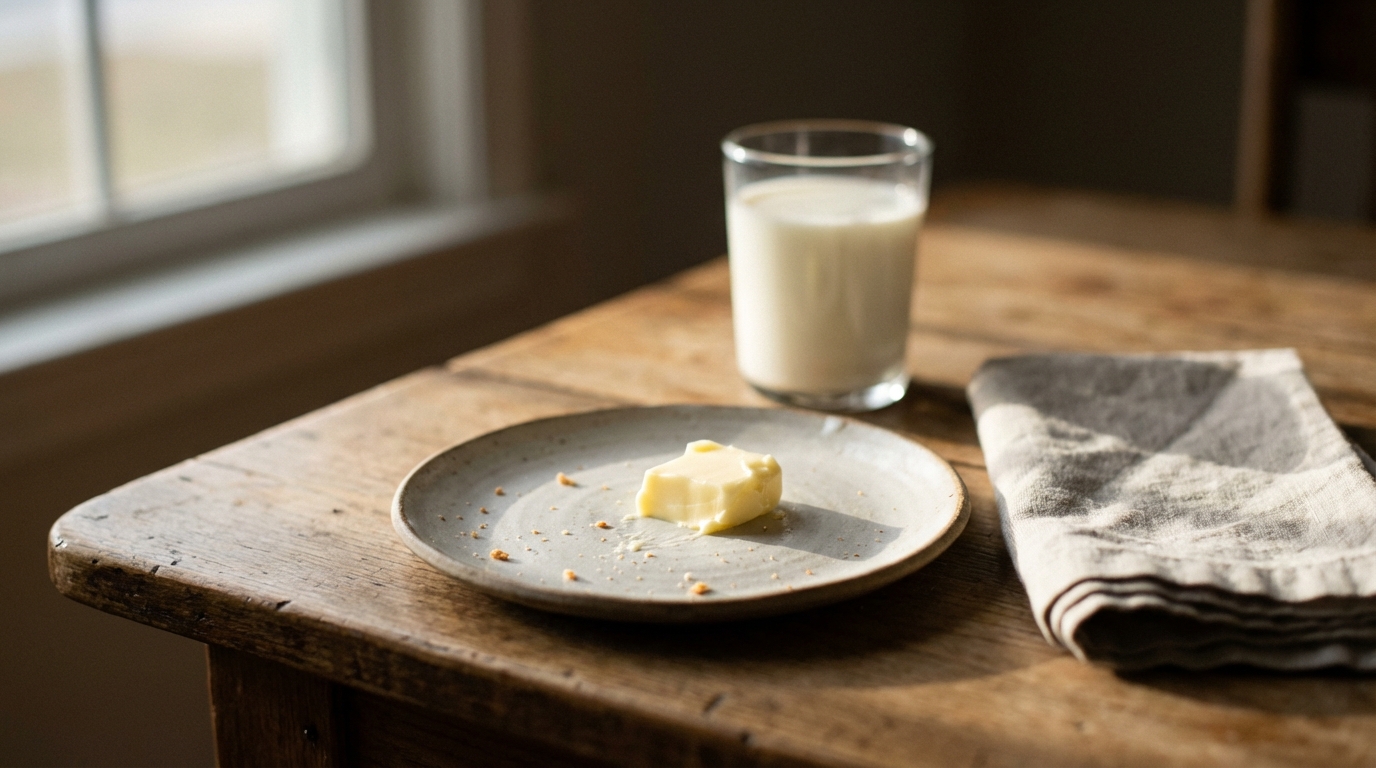
Odd-chain saturated fats are a quieter story. They’re found in smaller amounts in dairy and grass-fed ruminant foods, and people talk about them differently—less about putting out fires, more about building a steadier foundation.
The feedback I’ve heard about odd-chain fats tends to be subtler, harder to pin down:
- “I’ve been sleeping deeper.”
- “My mood feels more… level.”
- “My body doesn’t seem as reactive to random stuff.”
- “I feel less beat up after a stressful week.”
- “My energy doesn’t spike and crash as much.”
It’s not that everyone experiences this. It’s that the target is different. Omega-3 often feels like smoothing rough edges. Odd-chain fats feel more like reinforcing the structure underneath.
That distinction matters because when people ask which fatty acid is “better” for immunity, they’re usually asking:
Which one will help my body stop feeling like it’s constantly on the verge of something?
Omega-3 for immunity vs. odd-chain fats: how to decide without overthinking
Here’s the most honest answer I can give you:
Omega-3 for immunity is still the most researched, most accessible first step—especially if your main issue is feeling inflamed or reactive.
Odd-chain fats are interesting and worth exploring, but your results will likely be more personal, harder to predict, and slower to notice.
So instead of picking a winner, pick a direction based on how your body actually feels.
If you feel hot, reactive, or inflamed
Omega-3 is probably your simplest starting point. The research is clearer. The feedback loop is easier to read. And it’s widely available, which means you’re not hunting down obscure sources or second-guessing yourself.
If you feel unstable, wired-tired, or just… off
Some people aren’t dealing with obvious inflammation. They’re dealing with something harder to name—a background hum of dysfunction. They want:
- to wake up feeling like sleep actually worked
- a mood that doesn’t feel held together with duct tape
- fewer random flare-ups—skin, joints, energy, whatever
- a body that bounces back from hard days instead of carrying them forward
That’s where the odd-chain fat conversation tends to land. But there’s another piece to this that most people miss entirely.
⸻
The overlooked immunity lever: your microbiome

If you’ve ever tried what was supposed to be “the right supplement” and felt absolutely nothing, it might not mean your body is broken or that the supplement was fake. It might mean you’re trying to change the outcome without changing the environment.
A huge part of that environment is your microbiome—and not just in your gut. Your mouth is where the first immune decisions get made, all day long. It’s where food enters, where bacteria live, where your body’s defenses start their work.
Here’s what surprised me: You don’t have to choose between “fatty acid support” and “microbiome support.” They’re not competing strategies. They’re different lanes heading toward the same place: a calmer, smarter immune tone.
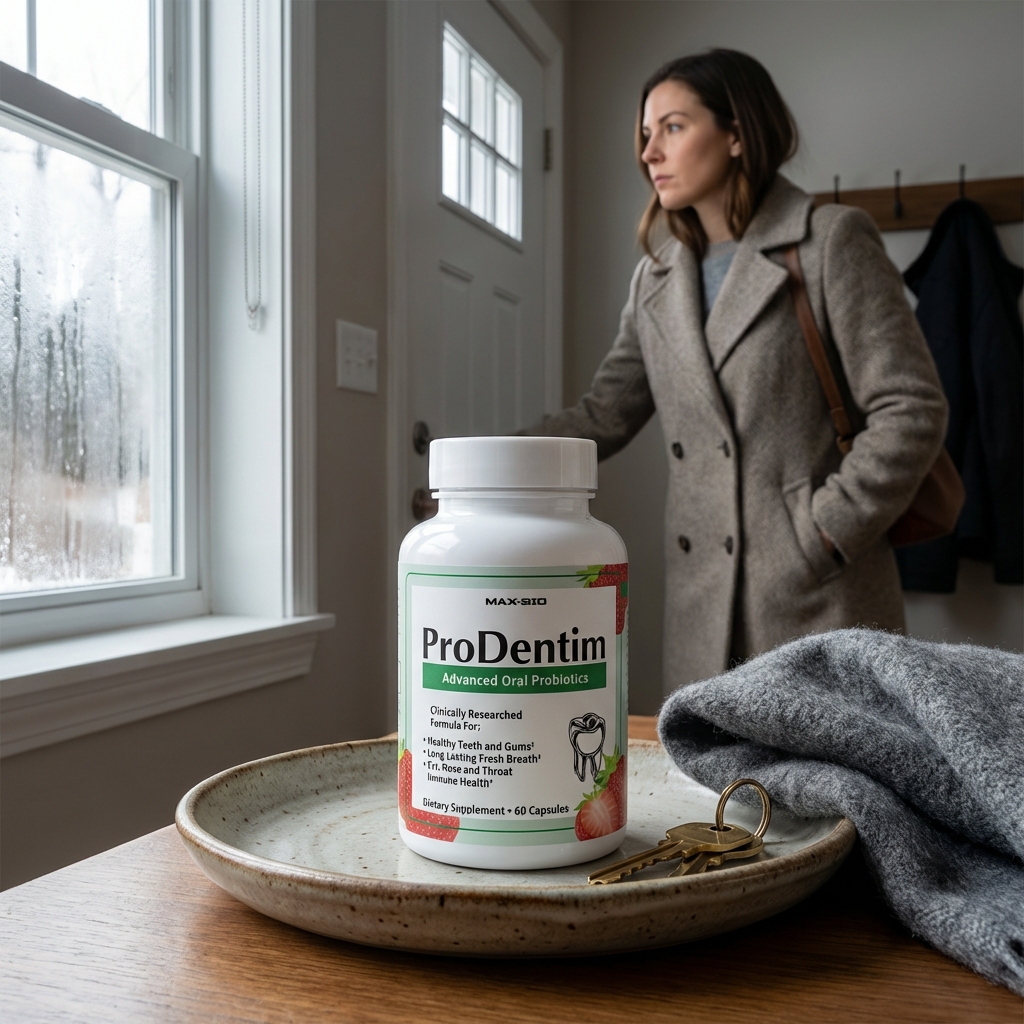
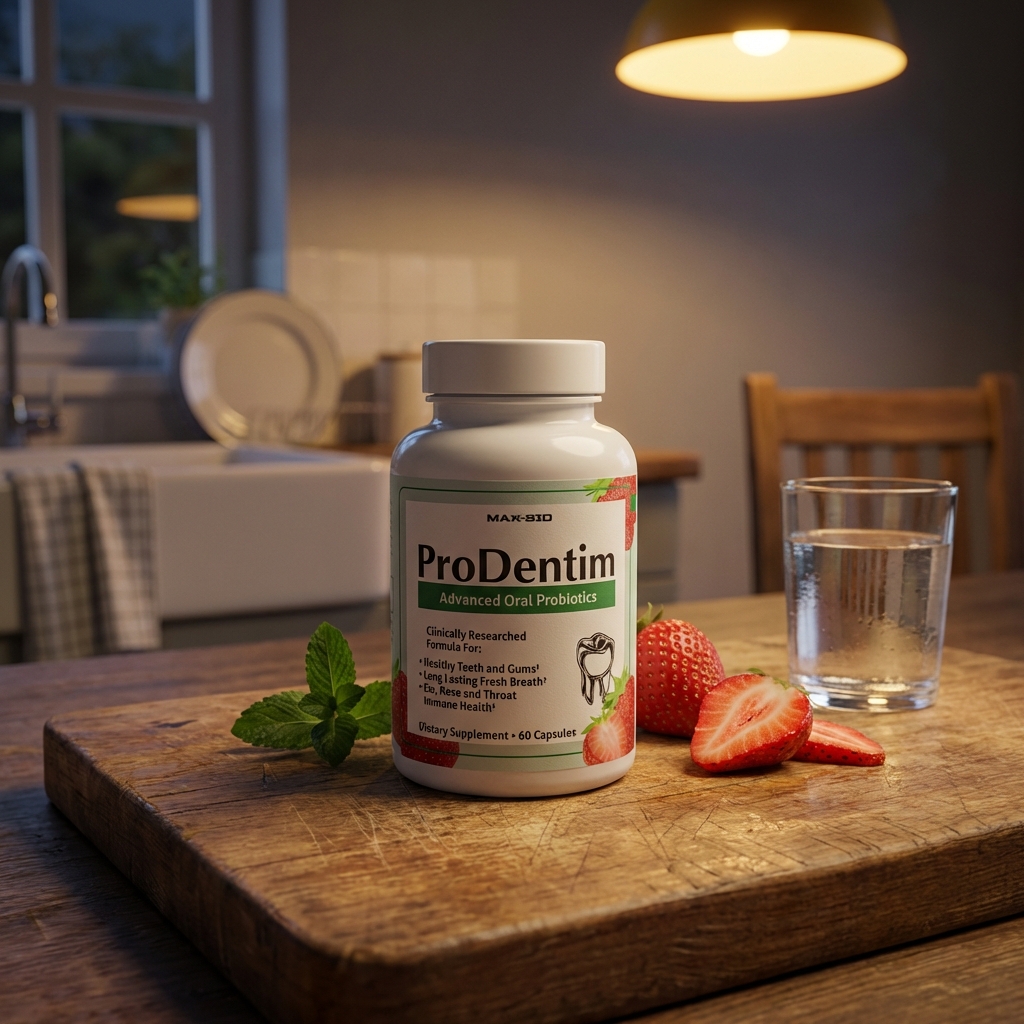
This is where I brought in ProDentim. Not because I wanted to replace omega-3 or abandon everything else. Not because I was looking for a new identity or a complete system overhaul. I added it because it supported the microbiome side of the picture—and because it felt manageable. One simple, repeatable thing that didn’t require me to become an expert or second-guess my choices every morning.
Mouth Microbiome, Calmer Day
When your body feels “off,” I don’t guess—I support the environment first
ProDentim is a daily oral probiotic tablet you let dissolve in your mouth. It’s made to support a balanced oral microbiome—the place where a lot of “immune tone” starts. This is the steady kind of support that doesn’t require a full lifestyle rebuild.
-
Helps support a healthier mouth balance
-
Designed for daily, repeatable use
-
A “one calm choice” kind of routine
The reason it mattered wasn’t just physical. It was emotional. It was one less thing to overthink.
That first shift—the recognition moment—isn’t “I’m sick.” It’s: I want to stop feeling like I’m always one decision away from falling apart.
What “support” can look like in real life
Let’s make this concrete without turning it into a homework assignment. When something is genuinely helping, it usually changes one of these:
- How you wake up — less groggy, less like you’re dragging yourself into the day
- How you recover — stress, workouts, late nights don’t leave the same lingering irritation behind
- How your body feels in the background — less tightness, less puffiness, less like you’re bracing against invisible pressure
- How your mood holds — fewer moments where one small thing tips you over the edge
The tricky part is that omega-3 and odd-chain fats can both move the needle on these things, but they do it through different pathways and on different timelines. And the microbiome piece can amplify all of it—because when your internal ecosystem is calmer, your immune signals tend to follow.
That’s why ProDentim didn’t feel like “another thing to manage.” It felt like an environment shift. Subtle, but noticeable in how my body handled ordinary stress.
It’s more like: My body and I aren’t arguing as much anymore.
Small signals to watch when you’re testing omega-3 for immunity
If you decide to try omega-3 for immunity—or you’re already taking it—watch for the signals that show up in your actual daily life:
- Does your afternoon energy feel more even, less likely to nosedive?
- Does your skin calm down faster after stress or exercise?
- Do you feel less stiff and achy the day after a hard workout?
- Do your joints feel looser when you first get up in the morning?
- Does your body feel calmer during chaotic weeks—less like you’re vibrating with tension?
The goal isn’t perfection or some measurable transformation. The goal is less friction between you and your body.
If you don’t notice a difference after giving it a fair shot, that’s not failure. That’s information. It might mean omega-3 isn’t your primary lever right now—or that something else (sleep quality, chronic stress, microbiome health, protein intake, daily rhythm) is the bigger bottleneck.
⸻
A calmer way to build immune support that actually sticks
If your brain defaults to spinning, here’s what helps:
Start with the thing that feels most repeatable, not most impressive.
For some people, that’s omega-3 because it’s familiar, well-studied, and easy to find. For others, it’s addressing the environment first—sleep, rhythm, microbiome—because they’re exhausted from trying to force outcomes that never stick.
For me, the shift came when I gave myself permission to stop looking for the perfect answer. I don’t have to solve immunity in one decision. I can build a steadier base and let my body show me what actually moves things.
That’s why ProDentim became the quiet constant. It didn’t ask me to learn a new system or adopt a new philosophy. It didn’t make my day more complicated. It just supported the microbiome piece of immune health in a way that felt… kind.
Simple Support That Sticks
If it takes research, I won’t keep it. This one is easy
ProDentim is built around the idea that support should feel light, not complicated. Along with its oral probiotics, it includes key “supporting players” that make the routine feel cleaner and more complete—without adding steps.
-
Prebiotic + minerals + minty finish in one routine
-
Designed to fit a low-effort daily habit
-
Helps you stay consistent when life is loud
That third shift—the permission moment—isn’t about urgency or pressure. It’s: If you want one steady support that doesn’t turn into a whole project, this is worth considering.
Omega-3 for immunity is useful—when it matches the feeling you’re trying to create
Omega-3 for immunity can be a strong, practical choice when your body feels reactive and you want better inflammation balance. It’s well-researched for a reason, and plenty of people feel real, noticeable benefits when they take it consistently and tolerate it well.
Odd-chain saturated fats are an emerging comparison point, usually discussed in terms of stability and baseline steadiness rather than acute inflammation. And then there’s the piece most people overlook: your microbiome sets much of the “tone” for how your immune system operates. When that ecosystem feels calmer, your whole body often feels easier to inhabit.
If you’re trying to make one calm, repeatable choice, focus less on which fatty acid “wins” and more on what helps you feel steady—in your sleep, your mood, your recovery, and your day-to-day energy. That’s the kind of immunity support that doesn’t feel like a fight. That’s the kind you can actually sustain.
Written by Elias Menden — for those who seek steadier strength.
Related reading
- Cellular Regeneration: What Actually Helps You Look and Feel Younger
- Can You Actually Build Immunity Naturally Over Time? Here’s What Finally Changed for Me
- Gut Microbiome and Immunity: Why Your Immune Strength Actually Starts in Your Gut
- The Hidden Power of the right nutrient: Why Your Cells Crave Odd-Chain Fatty Acids