The morning my body finally spoke loud enough for me to listen, I was halfway through my usual pre-dawn routine—foam rolling in the dim light of my garage, prepping for another round of intervals that would leave my legs burning and my ego satisfied. But as I stood up, something felt different. Not wrong, exactly. Just… off. Like when you’re humming a song and hit a note that doesn’t quite land where it should.
I’d been an athlete long enough to know the difference between good pain and concerning pain, between fatigue that builds character and exhaustion that whispers warnings. What I didn’t know was how quietly inflammation could settle into the very organ that powered every rep, every sprint, every recovery session I was so proud of. The heart, it turns out, doesn’t always announce its struggles with the dramatic flair we expect.
That morning marked the beginning of a humbling education about the signals I’d been missing—and how close I’d come to ignoring my way into serious trouble.
The Deception of Athletic Invincibility

When you’ve spent years building cardiovascular fitness, the idea that your heart might be struggling feels almost insulting. My resting heart rate sat comfortably in the low fifties. I could sustain efforts that left others gasping. Recovery between sets was swift and steady. By every metric I knew how to measure, my cardiovascular system was a finely tuned machine.
This confidence, I learned, can be a dangerous blind spot. Athletic hearts are remarkably good at compensating, at finding ways to maintain performance even when inflammation begins to interfere with normal function. The stronger your cardiovascular base, the longer your heart can mask the early signs of distress.
What feels like normal training stress might actually be your heart working harder than it should to maintain the output you’ve come to expect.
I remember describing that weird flutter to my training partner as “probably just adaptation”—my body getting used to the increased training load I’d been pushing through. Athletes are conditioned to normalize discomfort, to push through signals that might send others straight to a doctor. It’s a mindset that serves us well in competition but can work against us when our body genuinely needs attention.
Don’t wait for warning signs to become emergencies
When Performance Metrics Tell Lies
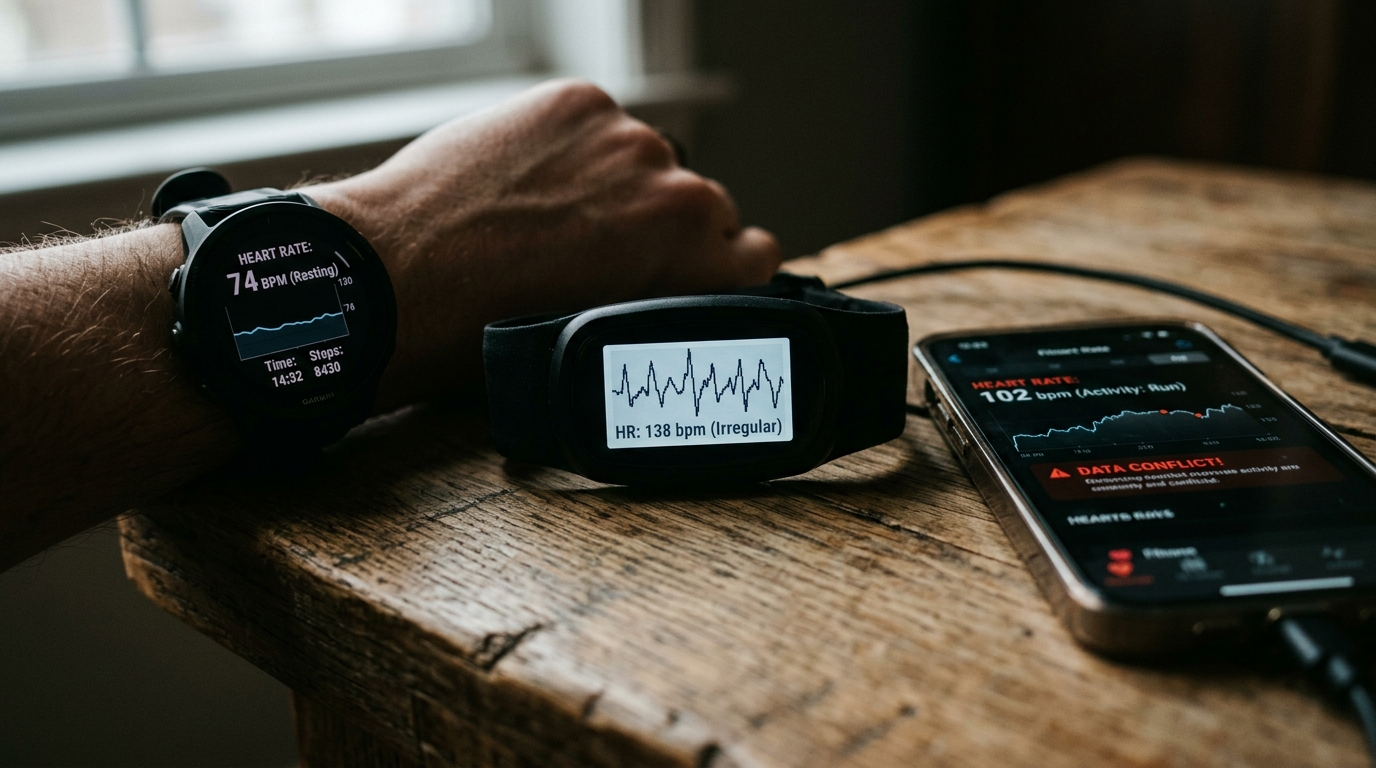
The first real sign something was amiss came disguised as a plateau. My usual interval sessions started feeling disproportionately difficult. Not the kind of difficulty that comes from pushing new boundaries, but a strange heaviness that made familiar efforts feel foreign. My pace was the same, my form looked identical in training videos, but something fundamental had shifted in how the work felt.
Heart rate variability, that metric I’d grown obsessed with tracking, began showing patterns that didn’t match my training load. Some mornings my readiness scores suggested I was overtrained when I felt fine. Other days, the numbers looked perfect while I felt like I was moving through mud. The disconnect between what my devices told me and what my body was experiencing should have been a red flag.
What I understand now is that heart inflammation can create this exact confusion. The electrical activity that governs heart rhythm becomes less efficient, but not dramatically so. Performance doesn’t fall off a cliff—it just becomes harder to achieve and maintain. Your heart is working overtime to produce the same output, creating a subtle but persistent sense that something isn’t quite right.
Give your cardiovascular system the targeted help it needs
The Fog That Exercise Couldn’t Clear

Perhaps the most insidious sign was how rest stopped feeling restorative. I’d always been someone who bounced back quickly from hard sessions. Eight hours of sleep, some light movement, maybe a gentle swim, and I’d wake up ready to attack another day. But gradually, that bounce-back quality began to fade. Not dramatically—just enough to notice that “recovery” wasn’t delivering the same results.
Mental clarity during and after exercise started to waver too. The sharp focus that typically accompanied my hardest efforts gave way to a subtle fog that lingered longer than it should. I’d finish a session feeling accomplished but strangely depleted, as if the effort had cost me more than usual without any clear reason why.
Easy days that should have been refreshing left me feeling flat rather than energized.
This cognitive effect of heart inflammation surprised me most. When your heart struggles to pump efficiently, every system in your body feels the impact. The brain, particularly hungry for steady oxygen and nutrient delivery, notices even small changes in cardiac output. What I was experiencing as “mental fatigue” was actually my brain responding to subtle but persistent changes in blood flow and oxygenation.
When training hard, your heart deserves specialized support
The Mystery of Delayed Recovery

Recovery markers I’d relied on for years started sending mixed signals. My heart rate would return to baseline after intervals, but it took longer to feel truly ready for the next rep. Sleep quality looked fine on my tracking devices, but I’d wake up feeling like I hadn’t quite reached the deep restoration I was used to. Soreness lingered in patterns that didn’t match my training history.
What I was experiencing was the cascade effect of cardiovascular inflammation. When your heart can’t pump with its usual efficiency, every other recovery process in your body has to work harder. Muscle repair slows down because delivery of nutrients and removal of waste products becomes less efficient. Sleep becomes less restorative because your cardiovascular system can’t fully relax. The inflammation that started in the heart begins to influence recovery throughout your entire body.
I started scheduling extra rest days, convinced I was simply pushing too hard. But the additional rest didn’t bring the improvement I expected. Instead, I found myself caught in a frustrating cycle where more recovery time didn’t translate to feeling more recovered.
The issue wasn’t training volume—it was that my heart was struggling to support even moderate training loads effectively.
Stop guessing and start supporting your cardiovascular health
The Moment Everything Changed

The wake-up call came during what should have been an easy session. I was three miles into a conversational pace run when my heart started racing in a way that had nothing to do with effort level. Not painful, not dramatic, just… wrong. Like my heart was trying to have a conversation I didn’t understand. I stopped, checked my pulse manually, and found a rhythm that felt irregular and urgent.
Standing on that quiet trail, I finally admitted that all the small signals I’d been dismissing might be part of something larger.
The flutter after sprints, the delayed recovery, the mental fog, the strange sense that familiar efforts required more from me than they should—these weren’t separate issues but pieces of a puzzle I’d been afraid to assemble.
That evening, I started researching cardiovascular inflammation in athletes and realized how common and overlooked it actually is. The heart, despite being our most vital muscle, often suffers in silence until the symptoms become impossible to ignore. By the time I scheduled a comprehensive cardiac evaluation, I knew I was dealing with something that required more than just rest and recovery.
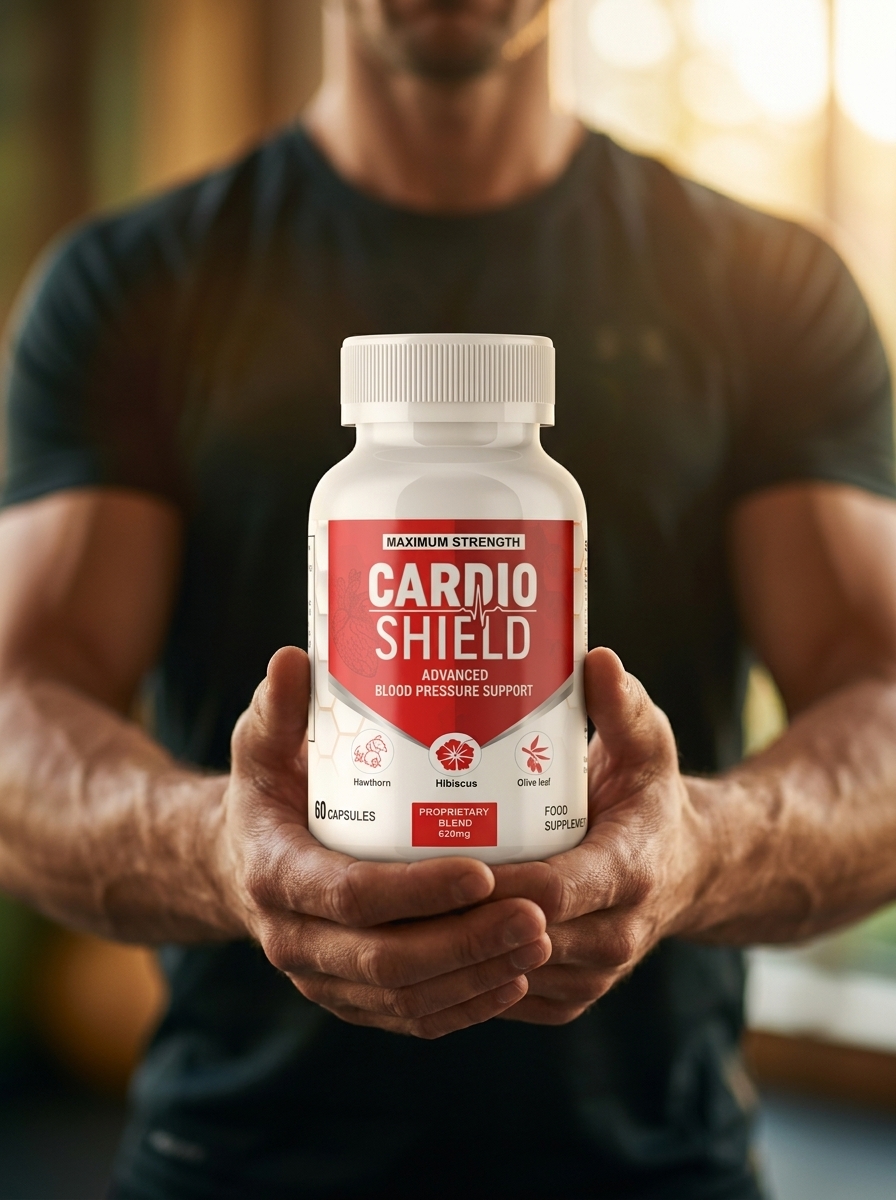
Support Your Athletic Heart
When your cardiovascular system works overtime, give it the targeted support it deserves.
Cardio Shield provides comprehensive cardiovascular support designed for active individuals. This specialized formula addresses inflammation while promoting healthy circulation, helping your heart function efficiently even under training stress. Don’t wait for subtle signals to become serious problems.
- ✓ Heart rhythm feels more stable
- ✓ Recovery between efforts improves noticeably
- ✓ Mental clarity returns during training
What the Tests Revealed

The echocardiogram showed subtle signs of inflammation that had been building for months. Nothing dramatic enough to sideline me completely, but significant enough to explain every strange signal I’d been experiencing. My cardiologist explained how athletic hearts can mask inflammation particularly well, maintaining performance while working much harder than they should to achieve it.
Blood markers confirmed what the imaging suggested—my cardiovascular system had been fighting a low-grade inflammatory battle that was affecting everything from oxygen transport to electrical conduction. The strength I’d built over years of training had been compensating for efficiency losses I never knew were happening. My heart was still strong, but it wasn’t healthy.
Learning about the connection between systemic inflammation and cardiovascular function opened my eyes to how many factors in an athlete’s life can contribute to heart inflammation. Intense training, inadequate recovery, chronic stress, even seemingly minor illnesses can trigger inflammatory responses that settle in the cardiovascular system and persist long after the original trigger has resolved.
Your athletic heart works overtime—help it thrive
The Road Back to True Cardiovascular Health

Recovery meant more than just backing off training intensity—it required a comprehensive approach to supporting cardiovascular function and reducing inflammation throughout my system. I discovered Cardio Shield during my research into supplements specifically designed for active individuals dealing with cardiovascular stress. Unlike generic heart supplements, it was formulated with ingredients that address both inflammation and circulation support.
The combination of targeted nutritional support and modified training helped my heart remember what efficient function felt like. Within weeks, that subtle heaviness during efforts began to lift. Heart rate variability patterns started making sense again. Most importantly, the disconnect between how hard I was working and how the work felt began to resolve.
What surprised me most was how quickly mental clarity returned once my cardiovascular system started functioning efficiently again. The fog that had become my normal lifted, revealing how much cognitive capacity had been quietly compromised. Easy days felt easy again. Hard days felt appropriately hard rather than mysteriously difficult.
Listen to your body and give it what it needs
Listening to the Heart’s Quiet Voice

Now, months later, I approach my body’s signals with a different kind of respect. That flutter after a sprint, the delayed return to baseline, the sense that familiar efforts require more than they should—these aren’t signs of weakness or overreaching. They’re your heart’s way of communicating that something needs attention before it becomes a bigger problem.
Athletic hearts are incredibly resilient, but they’re not invincible. The same cardiovascular strength that allows us to push through challenging sessions can also mask the early signs of inflammation until they become impossible to ignore. Learning to listen to these subtle signals, rather than dismissing them as part of the training process, might be one of the most important skills an athlete can develop.
The morning routine looks different now. Same garage, same foam roller, same pre-dawn dedication. But between the physical preparation and the training itself, I pause to check in with my heart—not just its rate, but its rhythm, its recovery, its quiet voice telling me what kind of day it’s ready for.
Some mornings it whispers caution. Some mornings it hums with readiness. Learning the difference has made me not just a better athlete, but a healthier one.
Written by Elias Menden — for those who seek strength that lasts
Ready to feel the difference this formula makes?