The meeting started at 2 PM, and I walked in with my notebook, my water bottle, and absolutely no memory of what I’d planned to say. My colleagues were discussing quarterly projections while I sat there grasping for words that used to come so easily. This wasn’t the occasional “tip of the tongue” moment—this was my brain wrapped in cotton, thoughts moving like honey in winter.
At 43, I’d begun to notice the shifts. Not just the obvious ones—the irregular cycles, the 3 AM wake-ups, the way my body temperature seemed to have its own agenda. It was subtler than that. The mental static. The way I’d stand in my kitchen holding car keys, completely forgetting where I’d intended to go. The afternoons when focusing felt like trying to thread a needle in dim light.
I started to wonder if this was just what “getting older” meant.
If I should accept that my sharp, reliable mind—the one that had carried me through law school, through raising children, through building a career—was simply changing, and not necessarily for the better.
The Truth About Women’s Brains After 40
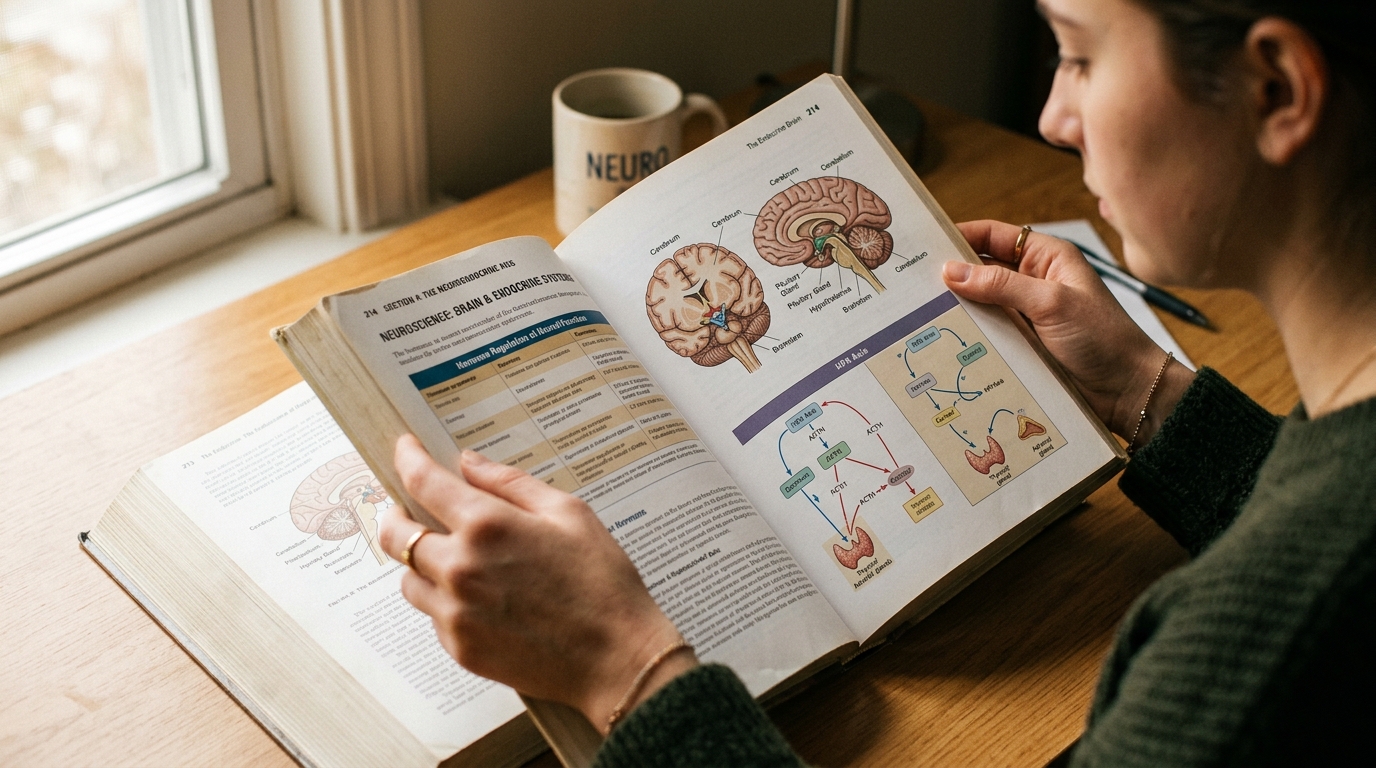
What I discovered changed everything about how I understood my own mind. Women’s brains during perimenopause and menopause aren’t broken—they’re transitioning.
The same hormones that once supported steady focus and emotional regulation are now fluctuating wildly, sometimes dropping to levels our brains have never experienced since adolescence.
Estrogen isn’t just about reproduction. It’s a powerful neuroprotector, supporting the production of neurotransmitters like serotonin and dopamine. When estrogen levels begin their decade-long dance of ups and downs, our brains have to adapt. Some days there’s enough hormonal support for clear thinking. Other days, it feels like someone dimmed the lights in every room.
The fog isn’t imagination. The word-finding difficulties aren’t signs of decline. They’re evidence of a brain working harder to maintain the same level of function with different biochemical support. Understanding this shifted my entire approach from fighting against my brain to working with it.
That hormone-aware framing mattered because federal women’s health guidance notes that menopause unfolds over several years and can bring symptoms such as sleep disruption, mood shifts, and concentration changes. I kept returning to Menopause basics and menopause symptoms and relief whenever I needed a grounded explanation instead of internet folklore.
If memory problems are sudden, keep getting worse, or show up with weakness, fainting, chest pain, or severe mood changes, that needs medical care and a real evaluation rather than another supplement experiment.
Ready to support your brain through this transition with gentle, effective care?
Why Generic Brain Supplements Miss the Mark

My first instinct was to reach for whatever promised quick cognitive enhancement. Energy drinks loaded with caffeine. Generic brain boosters marketed to college students. Supplements designed for men’s neurochemistry, which operates on completely different hormonal rhythms than women’s brains.
The results were predictable and disappointing.
The high-stimulant approaches left me jittery and crashed by evening. The one-size-fits-all formulas ignored the unique needs of a female brain navigating hormonal transitions. I felt like I was trying to fix a delicate watch with a hammer.
What I needed wasn’t more stimulation—my nervous system was already overstimulated from hormonal fluctuations. I needed gentle, sustained support that could work with my body’s changing rhythms rather than against them. I needed nutrients that understood the connection between hormonal health and cognitive function.
Tired of fighting your changing brain instead of supporting it naturally?
The Foundation That Actually Matters

Before adding any supplements, I had to acknowledge the basics my brain was missing. Sleep had become fragmented—not just from night sweats, but from the anxiety that seemed to peak at 3 AM. My protein intake was inconsistent, which meant my brain lacked the amino acids needed to produce neurotransmitters. Chronic stress had depleted my system of crucial minerals.
I started with morning sunlight, which helped regulate my circadian rhythm and supported natural melatonin production later in the day. I prioritized protein at breakfast—not just for sustained energy, but to give my brain the building blocks for focus-supporting neurotransmitters. I added magnesium to calm my overactive nervous system and support better sleep quality.
These weren’t dramatic interventions, but they created the stable foundation my brain needed to function optimally.
Once that foundation was in place, it became easier to tell whether I was dealing with hormone-linked brain fog, sleep-related drag, or a broader focus problem. That is why I also compared notes with my guides on brain fog support, hormone balance for women, sleep that stops feeling restorative, and focus and memory support.
Within a few weeks, the morning fog began to lift slightly, and the afternoon crashes became less severe. I was creating the conditions for my brain to thrive, rather than merely survive.
Discover what happens when you give your brain exactly what it needs.
The Gentle Powerhouse I Wish I’d Found Sooner

Three months into my brain-supporting routine, I was feeling clearer but still not quite like myself. That’s when I discovered CogniCare Pro, a supplement specifically formulated for women’s changing neurochemistry. Unlike the harsh stimulants I’d tried before, this felt like exactly what my brain had been asking for.
The formula understood something crucial: women’s brains after 40 need support that works with hormonal fluctuations, not against them. Instead of jolting my system awake with caffeine, it provided sustained cognitive support through carefully selected botanicals and nutrients.
I still treat any supplement as one part of a broader plan. The NCCIH guidance on using dietary supplements wisely is a useful reminder that products can differ from the formulas studied in research and can interact with medications, which is why I check labels carefully and loop in a clinician when symptoms are changing fast.
The backing was gentle but consistent, like having a calm, reliable friend for my neurons.
What impressed me most was how it felt to take it. No jitters. No crash. No feeling like my heart was racing while my thoughts scattered. Just a gradual clearing, like someone had adjusted the focus on a camera that had been slightly blurry for months. My mind felt more like itself again—not younger, not artificially enhanced, but clear and present in a way that felt sustainable.
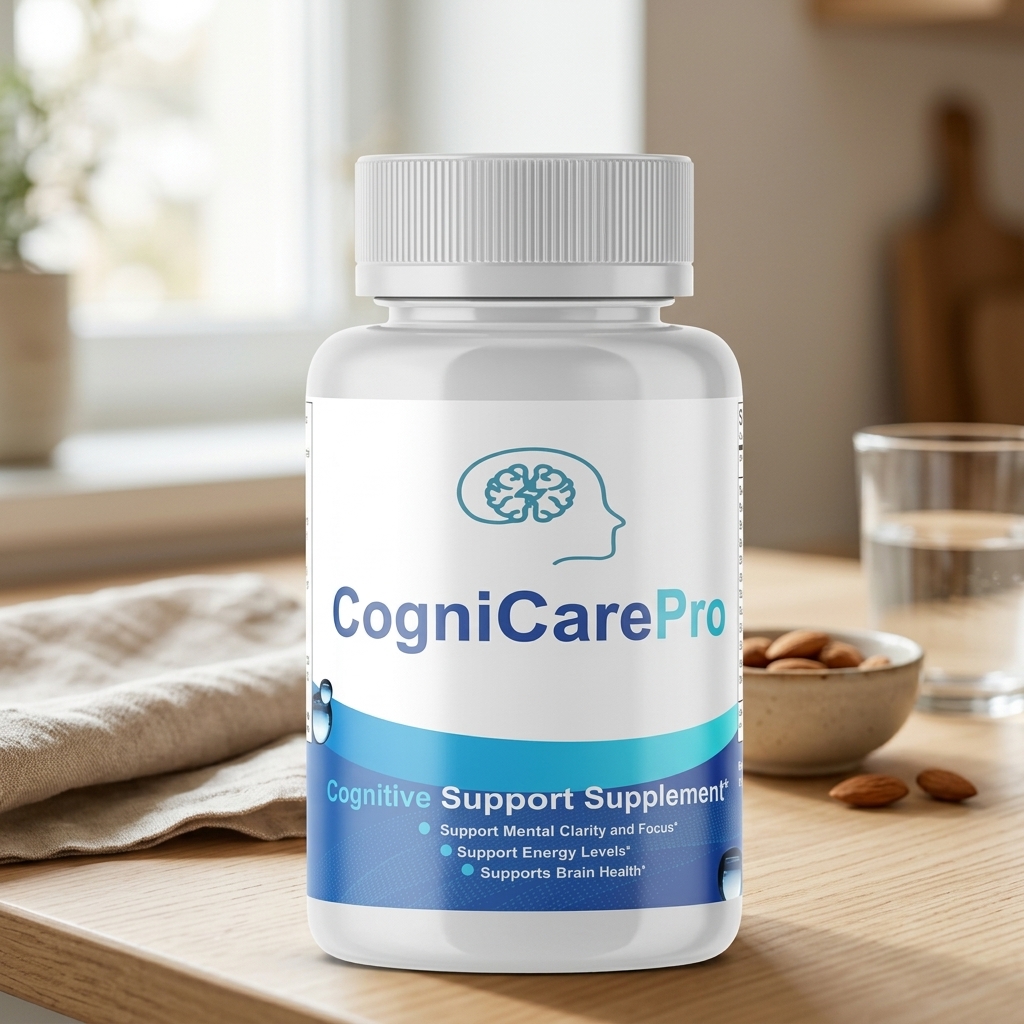
Your Brain Deserves Gentle Support
Finally, a supplement that works with your hormones, not against them.
CogniCare Pro understands that women’s brains after 40 need specialized care. Our gentle formula provides sustained cognitive clarity without jitters, specifically designed to support your mind through hormonal transitions. Experience the calm focus you’ve been missing.
- ✓ Clear thinking without the crash
- ✓ Hormonal transition support
- ✓ Sustained mental energy all day
The Nutrients Every Woman’s Brain Craves

As I researched deeper into brain health for women, I learned about specific nutrients that become even more critical during hormonal transitions. B vitamins, especially B6 and B12, support neurotransmitter production when hormonal changes disrupt these delicate pathways. Omega-3 fatty acids help maintain brain cell membrane health and reduce neuroinflammation.
Adaptogens like rhodiola and bacopa have shown particular promise for women’s cognitive health, helping the brain adapt to stress while supporting memory formation.
These weren’t exotic supplements—they were well-researched nutrients that addressed the specific ways women’s brains change and adapt during midlife transitions.
The key was finding these nutrients in forms and combinations that my body could actually use. Many supplements contain impressive-sounding ingredients in doses too small to make a difference, or in forms that aren’t easily absorbed. Quality mattered more than I’d initially realized, especially for a brain working harder to maintain optimal function.
Your mind deserves support designed specifically for women’s hormonal changes.
What Changed When I Stopped Fighting My Brain

Six weeks into my new approach, I walked into that same conference room for our quarterly meeting. This time, I remembered not just why I was there, but the three key points I wanted to make. My thoughts moved smoothly from one topic to the next. When someone asked for my opinion on a complex project, the words came easily, organized and clear.
The change wasn’t dramatic—I didn’t suddenly feel like I had a superhuman brain.
Instead, I felt like myself again. The woman who could hold multiple ideas simultaneously, who could switch between tasks without losing her train of thought, who could engage in complex conversations without that frustrating sense of thoughts slipping away just as I reached for them.
My energy became more steady throughout the day. The afternoon fog that used to roll in around 2 PM began lifting earlier and earlier until it disappeared entirely. I could read in the evenings again without the words blurring together. My mood felt more stable, less subject to the hormonal storms that had become my new normal.
Experience the calm confidence that comes with proper cognitive support today.
The Mornings I Used to Dream About

Now I wake up with my thoughts already organizing themselves for the day. Not the frantic, coffee-dependent alertness I used to rely on, but a calm clarity that feels sustainable. I can remember where I put my keys, what I planned to accomplish, and why I walked into each room.
My conversations flow more naturally. I’m not constantly searching for words or losing track of complex ideas mid-sentence.
When my teenage daughter asks me a question while I’m cooking dinner, I can actually listen and respond thoughtfully instead of asking her to repeat herself because my brain was too scattered to process what she’d said.
The woman I am now isn’t trying to recapture who I was at 25. She’s embracing who she can be at 43—experienced, wise, and supported by the right nutrients to help her brain navigate this incredible life transition with grace and clarity.
This isn’t about perfection. Some days are still foggier than others, especially during particularly stressful weeks or hormonal shifts. But now I have tools that work with my body’s rhythms rather than against them. I have a brain that feels cared for, supported, and ready for whatever challenges and joys this next chapter brings.
Written by Liora Menden — for those who seek clarity
Ready to reclaim the sharp, reliable mind you remember and deserve?