At forty-two, I noticed it during my morning run through the park. The jogger ahead of me became a blur at thirty feet instead of fifty. Street signs took an extra second to come into focus. My optometrist called it “normal aging,” but I refused to accept blurry as my new baseline.
What I discovered changed everything about how I think about vision. Your eyes are not passive cameras that simply wear out. They are metabolically active organs — the retina consumes more energy per gram than your heart muscle. The cells that detect light, process images, and maintain the delicate structures of your lens and macula are working around the clock. When those cells lack the nutrients they need for energy production and cellular repair, vision suffers long before you notice symptoms.
The solution wasn’t just eating more carrots. It was understanding that eye health happens at the cellular level, where mitochondria generate the energy that keeps vision sharp and where antioxidants protect against the oxidative damage that clouds lenses and degrades retinal function.
This is my complete weekly nutrition protocol — the foods I eat religiously and the one supplement that fills the gaps diet alone cannot close.
The Monday Morning Foundation: Dark Leafy Power

Every Monday starts with a spinach and kale smoothie, but not for the reasons you might think. Yes, these greens contain lutein and zeaxanthin — the carotenoids that accumulate in your macula and act like natural sunglasses. But what matters more is how consistently I get them.
Your macula has the highest concentration of these protective compounds in your entire body, but they don’t stay there permanently. They’re constantly being used up as they absorb blue light and neutralize free radicals. Miss a few days of lutein intake, and your natural eye protection starts to decline.
I blend two cups of fresh spinach with half a cup of kale, add a frozen mango for sweetness, and include a handful of blueberries. The berries provide anthocyanins — compounds that strengthen the tiny blood vessels feeding your retina. The combination tastes like a tropical smoothie, but it’s delivering the molecular building blocks your eyes use to maintain sharp, protected vision. Tuesdays and Wednesdays, I switch to sautéed collard greens with garlic and olive oil. The fat helps your body absorb the carotenoids more efficiently.
By Thursday, I’m craving the variety, so I make a massive salad with arugula, baby spinach, and mixed greens. The key is never going more than 48 hours without dark leafy vegetables. Your eyes notice the difference, even when you don’t.
Ready to give your eyes the cellular energy they’ve been missing?
The Omega-3 Rhythm: Wednesday Fish, Friday Walnuts

Wednesday is fish day, and it’s non-negotiable. I rotate between wild salmon, sardines, and mackerel — the oily fish that provide DHA, the omega-3 fatty acid that makes up thirty percent of your retinal photoreceptor cells. Without adequate DHA, the membranes in these light-detecting cells become rigid and less responsive.
When I started this protocol, I could feel the difference within weeks. Colors appeared more vivid. Night vision improved. The dry, scratchy feeling I’d been ignoring disappeared. Your tear film depends on healthy fats to maintain its structure, and when you’re DHA-deficient, dry eyes are often the first sign.
Friday evenings, I snack on a small handful of walnuts — about fourteen halves. They’re the only nut that provides meaningful amounts of ALA, the plant-based omega-3 that your body can convert to DHA, though not very efficiently. The walnuts are insurance, not replacement. The fish is where the real vision protection happens. I learned to prepare fish in ways that preserve the delicate omega-3 fats. High heat destroys them, so I poach salmon in barely simmering water with lemon and herbs, or eat sardines straight from the tin with a squeeze of fresh lime.
Simple preparations that let the nutrients do their work.
Stop accepting blurry as your new normal — support your retinal cells today
The Cellular Energy Gap: Why Food Alone Falls Short

Here’s what I wish someone had told me earlier: even with perfect nutrition, your eye cells face an energy crisis that food alone cannot solve. The retina has some of the highest energy demands in your body, but as we age, mitochondrial function declines. The cellular powerhouses that generate energy become less efficient, and vision suffers as a result. I was eating all the right foods — the dark greens, the omega-3 rich fish, the antioxidant-dense berries. My diet was textbook perfect for eye health.
Yet I still noticed that afternoon slump where reading became harder, where my eyes felt tired after screen work, where night driving started requiring extra concentration.
The breakthrough came when I understood that vision is fundamentally a cellular energy problem.
Every time light hits your retina, it triggers a cascade of energy-intensive processes. Every blink requires cellular machinery to maintain the tear film. Every adjustment to different lighting conditions demands rapid cellular responses. When your mitochondria can’t keep up with these demands, vision quality declines.
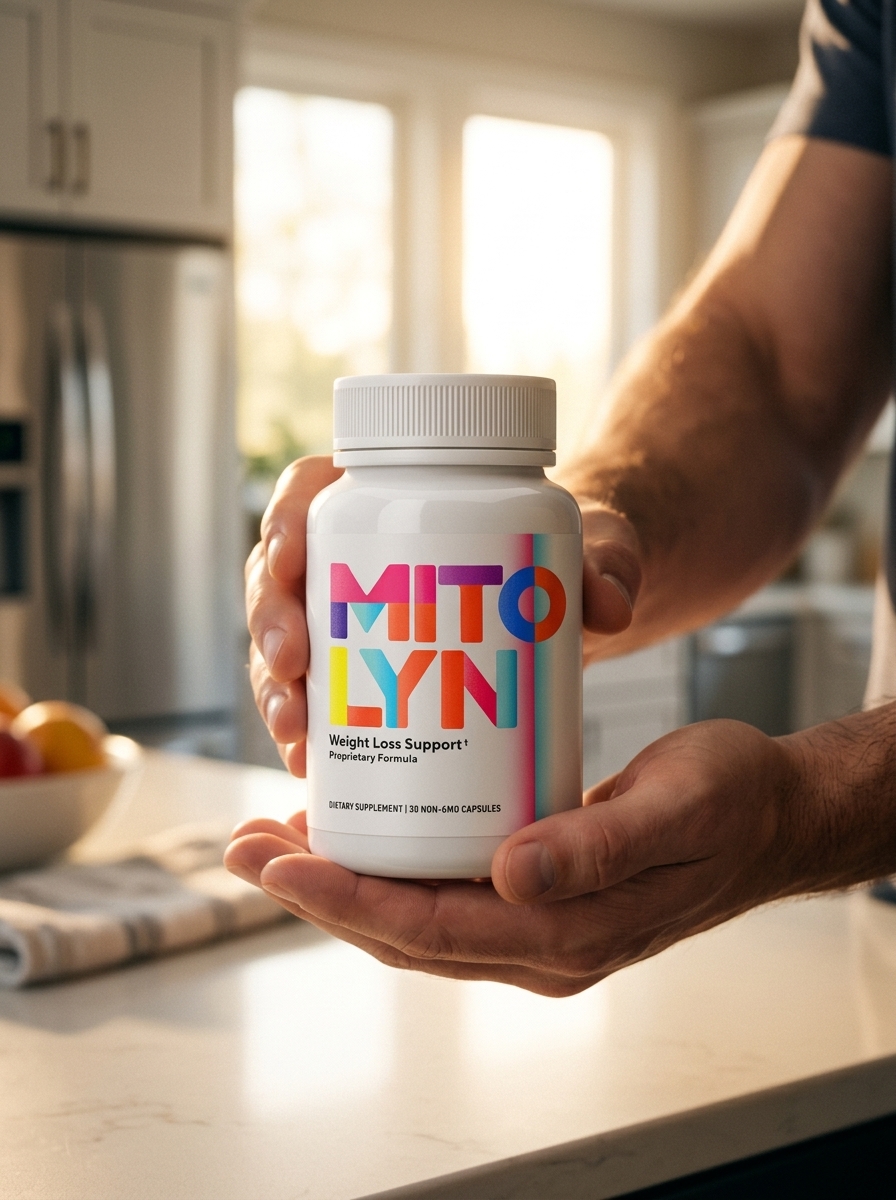
This is where Mitolyn entered my routine. Unlike nutritional supplements that provide raw materials, Mitolyn targets the cellular energy production process itself. It supports mitochondrial function and provides protection against the oxidative damage that accumulates in high-energy tissues like your retina. Within the first month, I noticed my eyes felt less strained at the end of long workdays. The afternoon vision fatigue that had become normal simply stopped happening.
Your eyes work harder than your heart — give them the energy support they deserve
The Thursday Egg Ritual: Choline for Sharp Focus

Thursday mornings mean eggs — two pastured eggs cooked gently in grass-fed butter. The yolks are deep orange, almost sunset-colored, which tells me they’re rich in carotenoids. But I’m really after the choline, a nutrient most people have never heard of but that plays a crucial role in eye health.
Choline supports the production of acetylcholine, a neurotransmitter essential for the eye-brain communication that creates sharp focus. When you look at something in the distance and then shift to read text up close, choline-dependent processes help coordinate the rapid adjustments your visual system makes.
I scramble the eggs slowly over low heat, stirring constantly to create a creamy texture that preserves the heat-sensitive nutrients. Sometimes I add fresh chives from my windowsill garden — not just for flavor, but because onion family plants contain sulfur compounds that support the glutathione production your lens needs to stay clear. The meal feels simple, but I’m delivering targeted nutrition to the specific cellular processes that maintain visual acuity.
Food as medicine, prepared with intention rather than habit.
Transform vision fatigue into lasting comfort with targeted mitochondrial support
Weekend Warriors: Colorful Antioxidant Loading

Saturday and Sunday are when I get creative with colorful vegetables and fruits. The deeper and more varied the colors on my plate, the broader the spectrum of antioxidants I’m providing to my eye tissues. Purple cabbage, orange bell peppers, red tomatoes, yellow squash — each color represents different protective compounds.
Saturday lunch is usually a rainbow salad: shredded red and green cabbage, grated carrots, sliced bell peppers in multiple colors, cherry tomatoes, and avocado. I make a dressing from olive oil, lemon juice, and a pinch of turmeric — the golden spice that provides curcumin, a powerful anti-inflammatory compound that helps protect retinal blood vessels.
Sunday dinner features roasted vegetables: beets, sweet potatoes, Brussels sprouts, and red onions. The roasting process concentrates flavors and makes some antioxidants more bioavailable. I eat the rainbow because each pigment serves a different protective function in your visual system. Dessert is usually a bowl of mixed berries — blueberries, blackberries, raspberries when they’re in season.
The anthocyanins in berries specifically strengthen capillary walls, improving blood flow to the tiny vessels that nourish your retina. It tastes like indulgence, but it’s strategic nutrition.
Cellular Energy For Vision
When perfect nutrition isn’t enough, your retinal cells need mitochondrial support.
Your eyes consume more energy per gram than heart muscle. Even with optimal diet, aging mitochondria struggle to meet these demands. Mitolyn targets cellular energy production where vision is determined — supporting the high-energy processes that maintain sharp focus, color perception, and comfortable daily vision without strain or fatigue.
- ✓ Energy that sustains focus all day
- ✓ Comfort during screen work and reading
- ✓ Clarity that doesn’t fade with age
The Evening Protection Protocol: Zinc and Vitamin C

Sunday evenings, I prepare a zinc-rich meal that usually centers around grass-fed beef or organic chicken thighs. Zinc is concentrated in your retina at levels twenty times higher than in your blood, which tells you how important this mineral is for eye function. It’s involved in vitamin A metabolism, enzyme function, and cellular repair processes throughout your visual system. I pair the protein with roasted red peppers or a side of sauerkraut — both excellent sources of vitamin C.
These two nutrients work together in your eyes. Vitamin C protects the water-soluble areas of your eye tissues, while zinc supports the enzyme systems that regenerate other antioxidants like vitamin E.
The meal planning feels intentional rather than restrictive. I know that every bite is contributing to the cellular environment that determines how clearly I’ll see tomorrow, next month, and next decade. It’s not about perfection — it’s about consistency and understanding the why behind each choice. After dinner, I take my daily Mitolyn. The timing matters because your eyes do significant repair work during sleep.
By supporting mitochondrial function overnight, Mitolyn helps ensure your retinal cells have the energy they need for the restoration processes that happen while you rest.
Join thousands who’ve discovered the cellular secret to sustainable vision health
The Hydration Factor: More Than Just Water

What surprised me most was learning how much hydration affects vision. Your eyes are 98% water, and the quality of that water matters. I start each day with a large glass of filtered water with a pinch of Celtic sea salt — not for taste, but for the trace minerals that help your body actually use the water at the cellular level.
Throughout the week, I drink herbal teas that provide additional eye protection. Green tea contains EGCG, an antioxidant that protects retinal cells. Ginkgo tea supports circulation to the optic nerve. Bilberry tea provides anthocyanins similar to those in blueberries but in a more concentrated form.
I avoid drinks that dehydrate or stress the system — excessive caffeine, alcohol, sugary sodas. Your eyes are some of the first organs to show the effects of systemic inflammation and oxidative stress. Keep the internal environment clean, and your vision stays clearer longer. Evening hydration is just as important as morning. I end each day with chamomile tea, not just for relaxation but because chamomile contains apigenin, a flavonoid that supports healthy sleep.
Since much of your eye’s repair work happens during sleep, quality rest is part of the vision protection protocol.
Don’t wait for vision decline — start supporting your retinal cells now
Three Months Later: What Actually Changed

The changes weren’t dramatic or sudden — they accumulated gradually, like compound interest for vision. Within six weeks, I noticed I wasn’t squinting at my computer screen in the afternoons. Night driving became comfortable again, with less glare from oncoming headlights. Colors appeared more saturated, particularly greens and blues.
The most significant shift happened around month three. I realized I had stopped thinking about my eyes.
They had become a non-issue — no dryness, no strain, no afternoon fatigue. When vision works properly, you don’t notice it, which is exactly the point. My last eye exam confirmed what I felt: my vision had stabilized. The subtle decline my optometrist had been tracking for years had stopped. Not reversed — I’m realistic about aging — but stopped. At my age, stable vision is actually an improvement.
The combination of targeted nutrition and Mitolyn had given my eyes what they needed at the cellular level. The foods provided the raw materials, and Mitolyn ensured the cellular machinery could use them efficiently. Together, they created an environment where healthy vision could be maintained rather than just accepted as inevitably declining.
This isn’t about perfect compliance or rigid meal planning. It’s about understanding that your vision is determined by cellular health, and cellular health responds to consistent, targeted nutrition. Some weeks I miss the Wednesday fish or skip the Monday greens. But the overall pattern holds, and my eyes reflect that consistency.
Sharp, comfortable, protected vision that supports rather than limits how I move through the world.
Written by Elias Menden — for those who seek lasting clarity
Ready to feel the difference this formula makes?