The first signal wasn’t pain. It was a whisper—tightness beneath my sternum when the calendar stacked like Tetris. By evening, my breath rode high in my chest and sleep felt like a coin toss. I wasn’t chasing a miracle. I wanted a nudge. Something small that helped my body return to center.
So I ran a simple experiment: track heart-rate variability (HRV), clean up my mornings, and add one quiet helper for cardiovascular steadiness.
The moment I started measuring “heart stress”

One Thursday, that soft drum under my ribs got my attention. Not panic. Just push. I set my palms on the desk, took three long exhales, and decided to treat stress like training: fewer guesses, more signals.
My low-friction plan: water, light stretch, five slow breaths, a few minutes of morning light, protein-first breakfast—and a once-daily capsule to support healthy blood flow and pressure. I checked HRV morning and night. No heroics—just rhythm.
What heart stress looks like in a workday body

It rarely brings sirens.
- The micro-flinch before a tough call.
- Shallow, chest-high breathing as the inbox surges.
- Falling into bed but not quite landing.
I wasn’t aiming for perfect. I was aiming for quiet—less late-day tightness, fewer pre-presentation spikes, deeper sleep.
The quiet helper I chose (and why)
I wanted something routine-friendly that spoke directly to circulation and everyday cardiovascular calm. I kept coming back to a clean, approachable formula built to support healthy blood pressure and smooth blood flow—the kind of support that can make a high-output day feel less clenched.
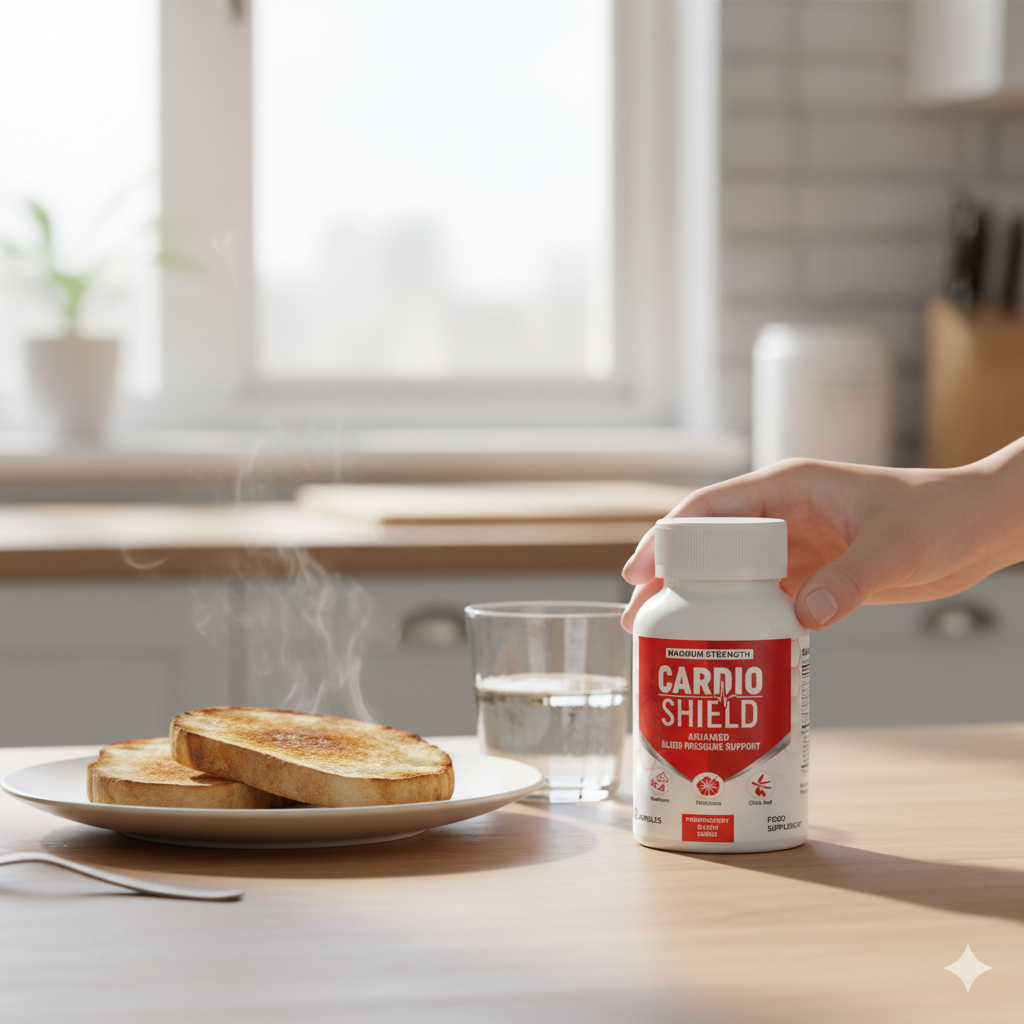
Steady Starts, Softer Days
One small step at breakfast, and the day meets you with a quieter chest and clearer pace
Your schedule won’t slow down. But your body can. Cardio Shield pairs with water and a protein-first plate, offering routine-friendly support for everyday circulation and composure—so the rest of your habits hold.
-
Easier lift into the morning
-
Less “pre-call” tightness
-
Smoother downshift at night
That became my companion: Cardio Shield—a once-daily heart-support formula that fit my mornings without fuss. It wasn’t the hero; it was the nudge that helped the other habits hold.
By week two, evenings felt different

Week one was gentle. I reached for coffee less. The 4 p.m. squeeze still visited, but left faster.
By the end of week two, the shifts were clearer:
- Calmer lift into the day. Awake without the jittery edge.
- Presentations without the spike. My chest stayed quieter before big calls.
- Deeper sleep. Fewer 2 a.m. wakeups.
- HRV trend: a quiet upward slope—nothing dramatic, just steady.
It felt like my internal dimmer worked again instead of a twitchy on/off switch.
Heart stress, HRV, and circulation—plain and simple
Your body runs two main gears: the go-gear (fight/flight) and the slow-gear (rest/digest). When pressure stacks, we get stuck in go. Cortisol—useful in bursts—can linger, tilting the system toward tightness and shallow breathing. Your heart notices.
HRV is the tiny wiggle between heartbeats. More wiggle usually means more adaptability. I didn’t try to “win” HRV; I used it like a compass. Did today’s choices move me toward steadiness?
Where a heart-support supplement fits: it’s not there to do the work for you. It’s there to smooth the edges so your body can change gears more easily—especially when life is loud.
How I used it so it actually helped
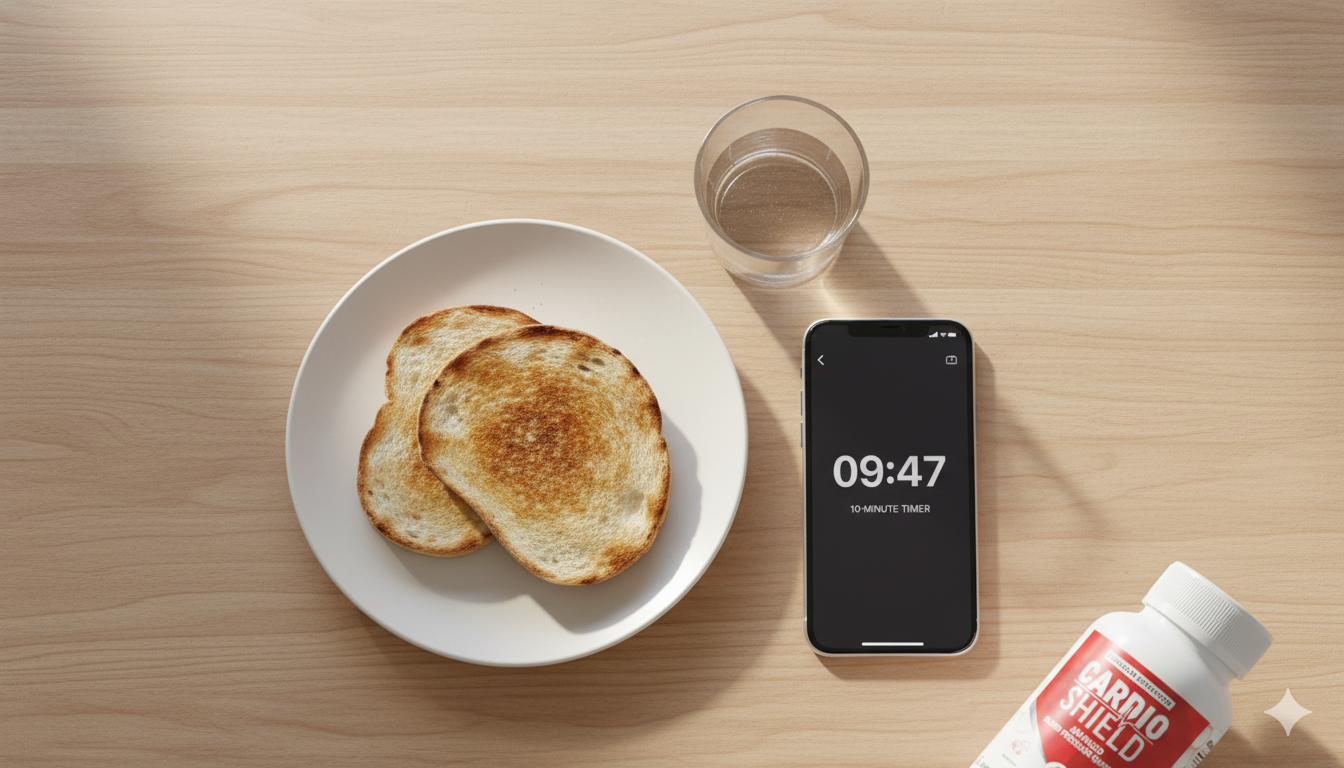
Consistency beat cleverness.
- Timing: one capsule in the morning with water and breakfast.
- Stack: three slow exhales before opening messages; a 10-minute walk after lunch.
- Boundaries: caffeine curtain at noon; lights lower an hour before bed; phone sleeps outside the room.
Mid-story micro-benefits I felt:
- Steadier mornings without a second cup.
- Longer focus blocks with fewer tabs.
- Fewer late-afternoon chest-tight moments.
- A kinder slide into sleep.
If you want the same companion I used: Cardio Shield—simple dose, routine-friendly.
My 30-day snapshot (and what stuck)
After a month of boring, repeatable days:
- Resting heart rate eased down a few beats on average.
- HRV kept drifting upward from baseline.
- Irritability dropped when the inbox flared at 8 a.m.
- Late-evening brainstorming felt clearer, and powering down felt doable.
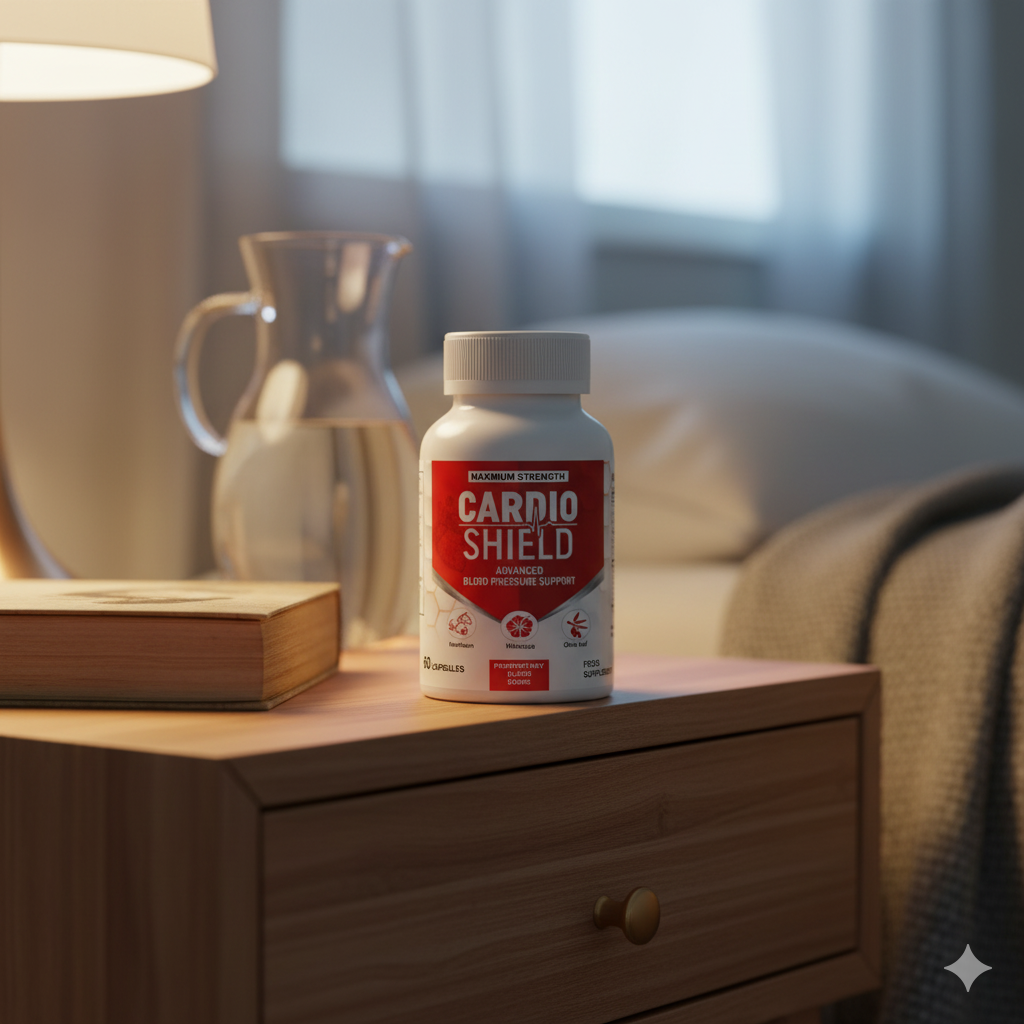
Support That Sticks
When evenings loosen, mornings land easier
Consistency is the advantage. A simple, once-daily step that fits where you already pause—so your day shifts from clenched to cooperative.
-
More usable focus blocks
-
Fewer late-day squeezes
-
A kinder slide into sleep
No fireworks. Just a body that cooperated more often. The kind of change you notice because life feels more usable.
A simple plan for busy weeks (with heart stress in mind)
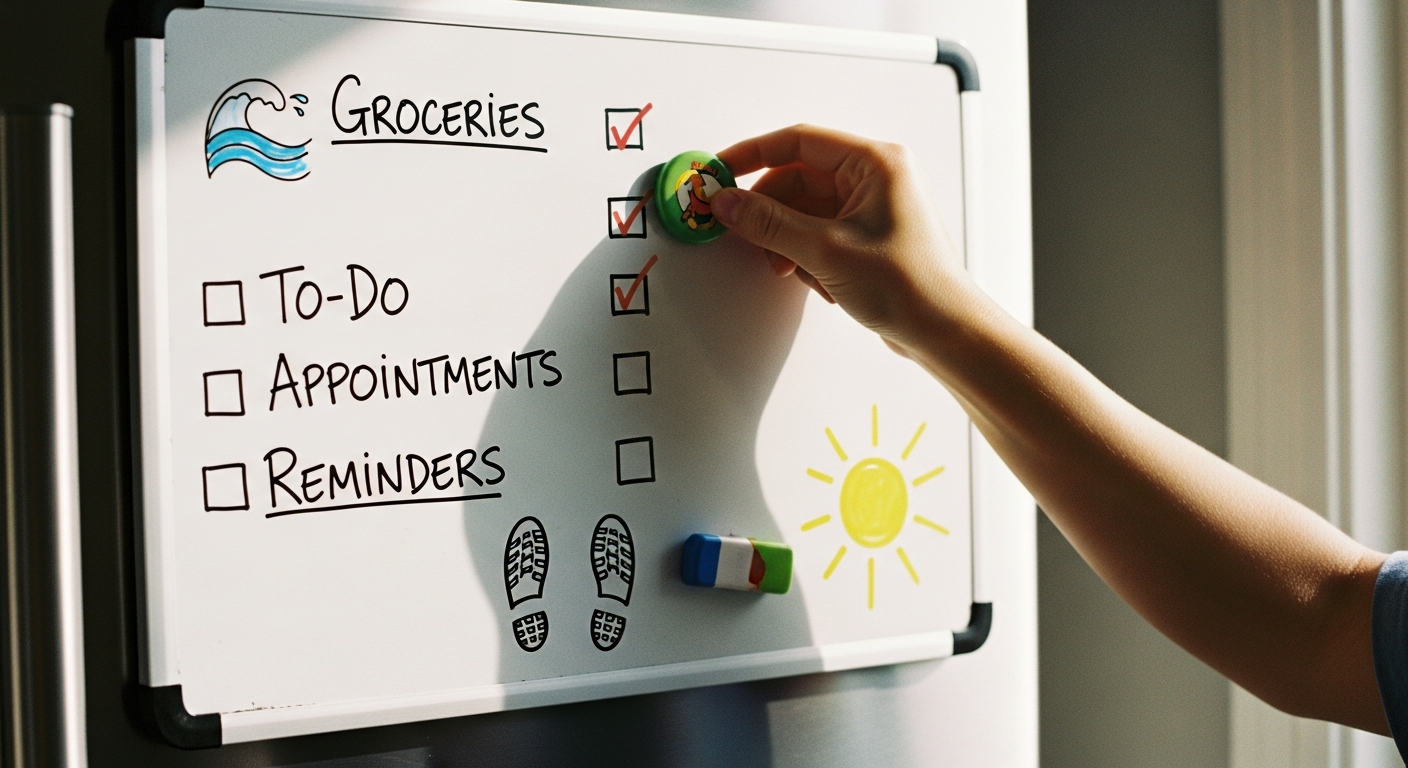
I like rhythms you can run on half-battery.
Morning steadiness
- Water + capsule
- Five slow breaths (longer out than in)
- Ten minutes of movement (walk, mobility, or light squats)
- A few minutes of morning light
Daytime guardrails
- Protein-forward lunch for stable energy
- 90-minute work blocks, then a 5-minute reset
- Caffeine stops by noon
Evening downshift
- Dim lights an hour before bed
- Phone parks outside the bedroom
- Three short lines of gratitude—messy counts
Where the supplement fits: Cardio Shield in the morning, so your system has support while you do what you do.
So… can a supplement really help with heart stress?
For me, yes—as part of a rhythm I can keep. The capsule didn’t carry the whole load. It just helped my system return to neutral faster when the day got loud.
I still have stacked calendars. But the quiet drum under my ribs shows up less and leaves sooner. When stress knocks, my body answers with steadiness instead of a sprint.
Closing the loop: That Thursday pulse behind my ribs? It’s softer now. Same work. Same life. Different signal.
If you want the nudge I used: a once-daily cardiovascular support—Cardio Shield.
—
Written by Elias Menden — for those who seek steadiness.
What actually moved my HRV
The thing that moved my heart rate variability wasn’t the supplement, though the supplement helped. It was the decision to take stress signals seriously before they got loud. A tight chest at 3 p.m. used to be an inconvenience I worked through. Now it’s data. I pause. Breathe. Step outside for two minutes if I can. The body was always sending the signal; I just spent a lot of years refusing to decode it. Once I started decoding, everything about my cardiovascular baseline got easier to move.
The small ritual that held
The piece I didn’t expect to last was the evening wind-down. Three slow exhales before I close the laptop. A single cup of something warm. Five minutes of nothing — no phone, no screen, no input. It takes less time than brushing your teeth, and it’s done more for my HRV than any gadget I’ve tested. Cardiovascular steadiness doesn’t come from doing more. It comes from giving the system a reliable point in the day where it knows it can finally let go.
The broader point I’d make
Cardiovascular steadiness isn’t about fewer stressors. It’s about quicker recovery between them. The supplement helped there — so did the breath work, the earlier dinners, the phone off its charger by nine. The nervous system slowly learned to come back to baseline faster, which turned out to be the thing the numbers were really measuring all along.
Related reading
- Chronic Stress Heart Health: How I Swapped “Busy” for Breathing Room (and What Finally Moved My Numbers)
- When Your Body Forgets How to Feel Safe: Breaking the Stress Cycle
- Why Your Stress Management Tips Don’t Work (And What Does)
- Why I Added Meditation and 7 Minute Mindfulness to My Morning Routine for Heart Health