I used to wake up with a little drum in my chest. Not panic—just a steady thud that felt one notch too fast. My resting heart rate sat in the high 70s, nudging into the low 80s after late nights or deadline weeks. I’d reach for my phone, scroll through emails, and feel my body tense before I’d even left the sheets.
So I tried something small: pay attention. I started tracking my resting heart rate each morning and built a routine that asked less of my nervous system and more of the simple things that help it settle. This is how I learned to lower my resting heart rate without overhauling my life.
What my mornings felt like before change
I’d step into the day already “on.” Phone buzzing. Coffee gulped. A quick glance at the clock and that sinking feeling—behind, again. My heart rate data matched the mood: jumpy, inconsistent, easily spiked by stress. It wasn’t dramatic, but it was loud enough to listen.
The small morning tweaks that mattered

I didn’t flip my world. I added gentleness in places I’d ignored.
A 60-second gratitude pause. Before I touched my phone, I named one good thing. Sometimes it was just, “warm light on the wall.” It set a softer tone.
Slow water first. I kept a glass by the bed and took easy sips while I sat up. It told my body, “we’re not rushing.”
Five minutes of movement. I stretched my calves, opened my chest, and took a lap around the living room. Nothing fancy—just reminding muscles and vessels to wake up, not jolt awake.
By the end of the first week, my wake-up felt less like a sprint. By week two, my resting heart rate trends were nudging down a few beats on average, even on busy days. Early change is quiet—it shows up as steadiness.
Breathwork, sunlight, and a splash of cold—what actually worked

4-4-8 breathing. Inhale for four. Hold for four. Exhale for eight. Three to five rounds. The longer exhale tells your vagus nerve, “we’re safe.” My mind got clearer. My morning heart rate softened.
Morning sunlight. I stepped outside for 3–10 minutes, no sunglasses if comfortable. Light helps set your circadian rhythm, which stabilizes cortisol and supports heart-calming signals later. It also improves sleep tonight, which shows up in tomorrow’s resting heart rate.
Cold, gently. I’m not a polar-plunge hero. A cool face splash or a 30-second brisk shower finish was enough. It felt like a reset, and over a couple weeks I noticed my baseline calm was easier to access.
How I lower my resting heart rate each morning (the simple loop)
- Wake → sip water → 60 seconds of gratitude
- Two minutes of 4-4-8 breathing
- Five minutes of easy movement
- Step into the sunlight
- Optional: brief cool water finish
Repeat it most days. Consistency makes the floor higher.
The quiet supplement that helped my nervous system keep its promises
Alongside the routine, I tested one support that fit the mechanism I cared about: circulation and a calmer, more responsive cardiovascular system.
VenoPlus 8 is a gentle, daily nitric-oxide support powder with nutrients like L-citrulline, L-arginine, beetroot, magnesium, and grape seed extract. I mix one scoop in water mid-morning (or after breakfast). It isn’t a magic trick—it just supports better vessel tone and flow, which complements breathwork and morning light.
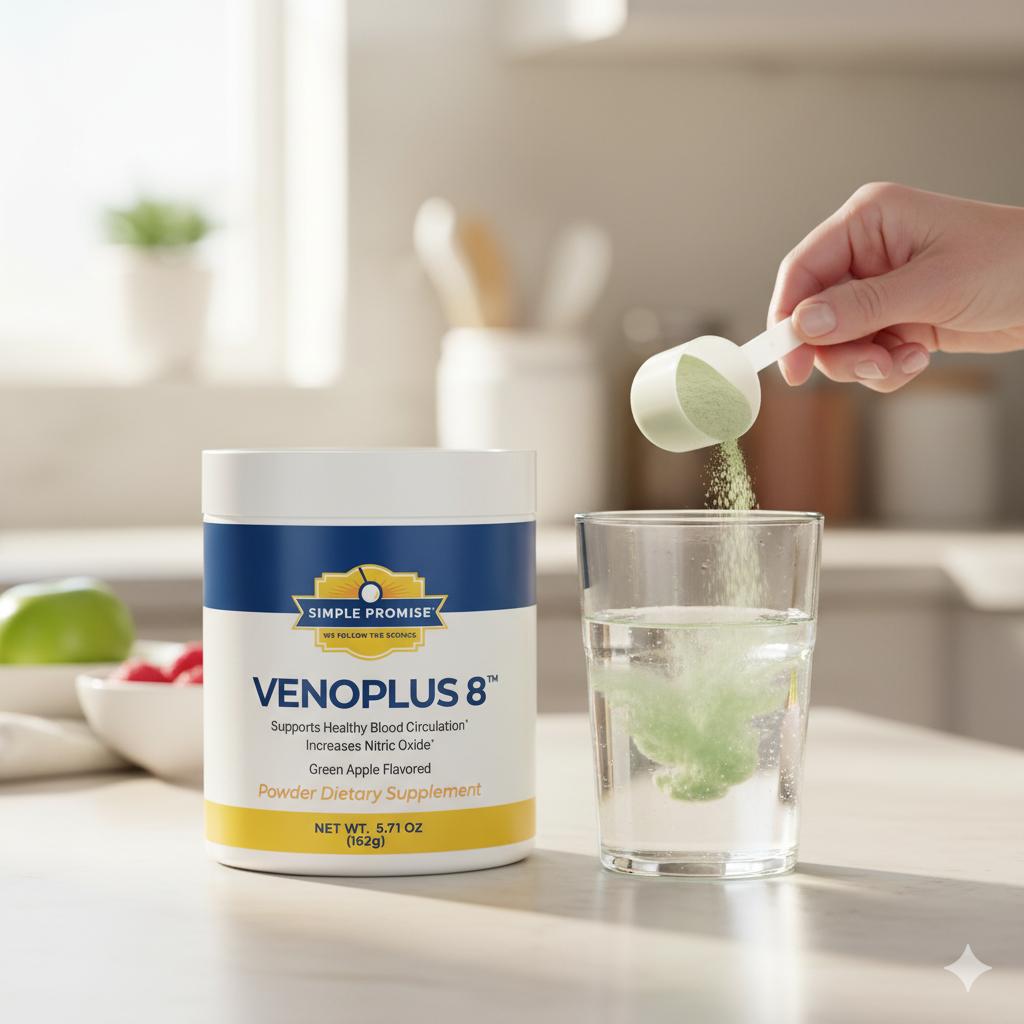
Steadier mornings, softer beats
A gentle scoop that supports easy flow and a clearer, ready-to-focus start
Stir once, sip slow. This once-a-day add-in supports comfortable circulation and an even feel without jolts. It fits beside breathwork, sunlight, and water—no overhaul required.
-
Pairs with morning breathwork
-
Even, all-day feel
-
Light taste in water
Here’s what I felt within a few weeks:
- Smoother mornings. Fewer “mini surges” when the calendar got loud.
- Less edge during work ramps. The climb into focus felt steadier.
- Fewer afternoon dips. Energy landed more evenly across the day.
- Sleep quality nudges. I woke up with softer, more consistent readings.
How I use it: one scoop in water, mid-morning or early afternoon, on days I want extra support. If I’ve trained hard the evening before, I keep it earlier to protect sleep. Always pair it with hydration and a protein-rich breakfast.
Why these pieces work together
Your nervous system loves rhythm. When you breathe out longer than you breathe in, you tap the brake. When you see morning light, your internal clock re-sets the day with less confusion. When your vessels can dilate and constrict efficiently (hydration, minerals, and nitric-oxide support help here), your heart doesn’t have to work as hard to move blood where it needs to go.
Help your rhythm along
Let light, breath, and this circulation support pull in the same direction
Keep the loop simple: breathe, sip, step outside, and add one easy mix-in. It supports vessel tone so calm feels more accessible through the day.
-
Fits once-a-day rhythm
-
Works with sunlight + water
-
No buzz, just steady
This isn’t biohacking as a stunt. It’s kindness as a system.
How to make the routine stick
Make it visible. Leave a glass of water by the bed. Put a sticky note on the mirror: “Breathe.”
Pair it. Stack the new on top of the old: breathe while the coffee brews; step outside right after you feed the dog.
Celebrate micro-wins. A two-beat drop is still a win. A calmer morning is a win even if the number doesn’t change that day.
Common questions I hear

Do I need fancy gear? No. A basic wrist tracker or a reliable app is enough to watch trends. If you love data, go deeper—but “good enough” is good enough.
How soon will I see changes? I noticed small improvements within days and steadier trends by weeks two to three. The key is repeatable mornings and patient evenings.
Can I skip the cold part? Absolutely. Try a cool face splash, brisk walk, or end your shower just a touch cooler. The goal is alert—not shock.
A gentle morning, a steadier heart
I still check my resting heart rate most mornings. It isn’t perfect. Life happens. But the floor is higher now. On the days that used to spike me, I see a calmer pattern because the routine does the heavy lifting—and the right support keeps it humming.
If you want a simple ally alongside breathwork, water, and sunlight, I use VenoPlus 8 as my quiet circulatory support most days. You can read about it here: VenoPlus 8 — gentle nitric-oxide support for daily steadiness. Try it for a month and notice how your mornings feel.
—
Written by Liora Menden — for those who seek calm and ease.
f
t
h
e
f
u
l
l
m
o
r
n
i
n
g
r
o
u
t
i
n
e
f
e
e
l
s
l
i
k
e
t
o
o
m
u
c
h
,
s
t
a
r
t
w
i
t
h
t
h
i
s
:
w
a
t
e
r
b
e
f
o
r
e
c
o
f
f
e
e
,
f
i
v
e
m
i
n
u
t
e
s
o
f
s
u
n
l
i
g
h
t
,
t
h
r
e
e
s
l
o
w
b
r
e
a
t
h
s
b
e
f
o
r
e
o
p
e
n
i
n
g
a
s
c
r
e
e
n
.
T
w
e
l
v
e
m
i
n
u
t
e
s
.
T
h
a
t
‘
s
t
h
e
f
l
o
o
r
.
E
v
e
r
y
t
h
i
n
g
e
l
s
e
c
a
n
b
e
a
d
d
e
d
w
h
e
n
i
t
e
a
r
n
s
i
t
s
p
l
a
c
e
.
T
h
e
h
e
a
r
t
d
o
e
s
n
‘
t
n
e
e
d
a
r
i
t
u
a
l
—
i
t
n
e
e
d
s
a
c
a
l
m
e
r
f
i
r
s
t
h
o
u
r
,
a
n
d
t
h
a
t
‘
s
a
l
l
t
h
i
s
r
e
a
l
l
y
i
s
.
The simplest version of this routine
If the full morning routine feels like too much, start with this: water before coffee, five minutes of sunlight, three slow breaths before opening a screen. Twelve minutes. That’s the floor. Everything else can be added when it earns its place. The heart doesn’t need a ritual — it needs a calmer first hour, and that’s all this really is.