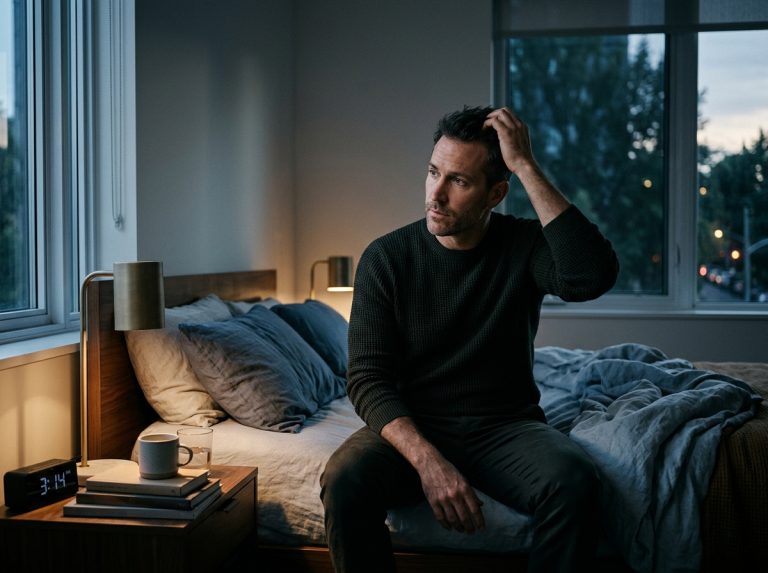
By three in the afternoon, my brain felt like it was running on fumes. Not the kind of tired you fix with coffee, but something deeper — a cognitive sluggishness that made every email feel like wading through mud. I’d attributed it to age, to stress, to the general weight of modern life. What I hadn’t considered was that staring at screens for ten hours a day was systematically draining my mental reserves.
The revelation came during a power outage that forced me to work with pen and paper for half a day. By evening, my mind felt sharper than it had in months. No afternoon fog. No struggle to find words during conversations. No mental exhaustion that usually sent me straight to the couch after work.
The difference was so stark it forced me to confront an uncomfortable truth: my screen habits weren’t just affecting my eyes — they were hijacking my cognitive endurance.
That night, I started researching what prolonged screen exposure actually does to the brain. What I found changed how I approach my workday entirely.
The Hidden Load Your Brain Carries

Every time you look at a screen, your visual cortex fires thousands of neurons to process the constantly refreshing pixels. Unlike reading a book or looking at a static image, digital displays require continuous micro-adjustments as your eyes track information that’s technically flickering sixty times per second. Your brain doesn’t consciously register this flicker, but it’s working overtime to create the illusion of stable text and images. Add to this the blue light emission that disrupts your natural circadian rhythm, and you’re asking your neurological system to perform two conflicting tasks: stay alert for detailed visual processing while simultaneously fighting the signals that should prepare your body for rest.
By mid-afternoon, this contradiction creates what researchers call “cognitive overload” — your brain simply runs out of processing bandwidth.
I started paying attention to how my thinking changed throughout screen-heavy days. The pattern was consistent: sharp focus in the morning, gradual decline after lunch, and by late afternoon, the kind of mental fatigue that made simple decisions feel overwhelming. My cognitive endurance was being systematically depleted, hour by hour.
Ready to reclaim the mental sharpness that screen fatigue stole?
Why Blue Light Blockers Aren’t Enough

Most people stop at blue light glasses, thinking they’ve solved the screen problem. I wore them religiously for months and saw minimal improvement. The glasses help with sleep disruption, but they don’t address the deeper issue: the cognitive demand of processing digital information for extended periods.
Blue light filters reduce one aspect of screen exposure, but they can’t eliminate the mental load of constant visual processing. Your brain is still working to decode pixels, still managing the subtle eye movements required to track information across a screen, still dealing with the postural stress that comes from looking at a fixed distance for hours.
The real breakthrough came when I realized I needed to support my brain’s ability to sustain focus, not just protect my eyes from light.
Digital eye strain is as much about cognitive fatigue as it is about visual discomfort. Treating only half the problem explains why so many screen workers still feel mentally drained despite using every available filter and blue light solution.
Your brain deserves the endurance support it needs for digital demands.
The 20-20-20 Rule Actually Works (When Done Right)

Every twenty minutes, look at something twenty feet away for twenty seconds. Simple advice that most people execute poorly. I used to glance out the window briefly and call it done. Real implementation means actually focusing on distant objects — letting your eyes fully relax their close-up accommodation, giving your visual cortex a genuine break from pixel processing.
I set a timer and use those twenty seconds to look at trees, clouds, or the farthest point I can see. The key is active distance focusing, not just looking away from the screen. When done correctly, you can actually feel the tension release from the muscles around your eyes.
After a week of proper 20-20-20 breaks, my afternoon eye fatigue decreased noticeably.
Transform afternoon brain fog into sustained cognitive clarity.
Adjusting Your Environment for Cognitive Endurance
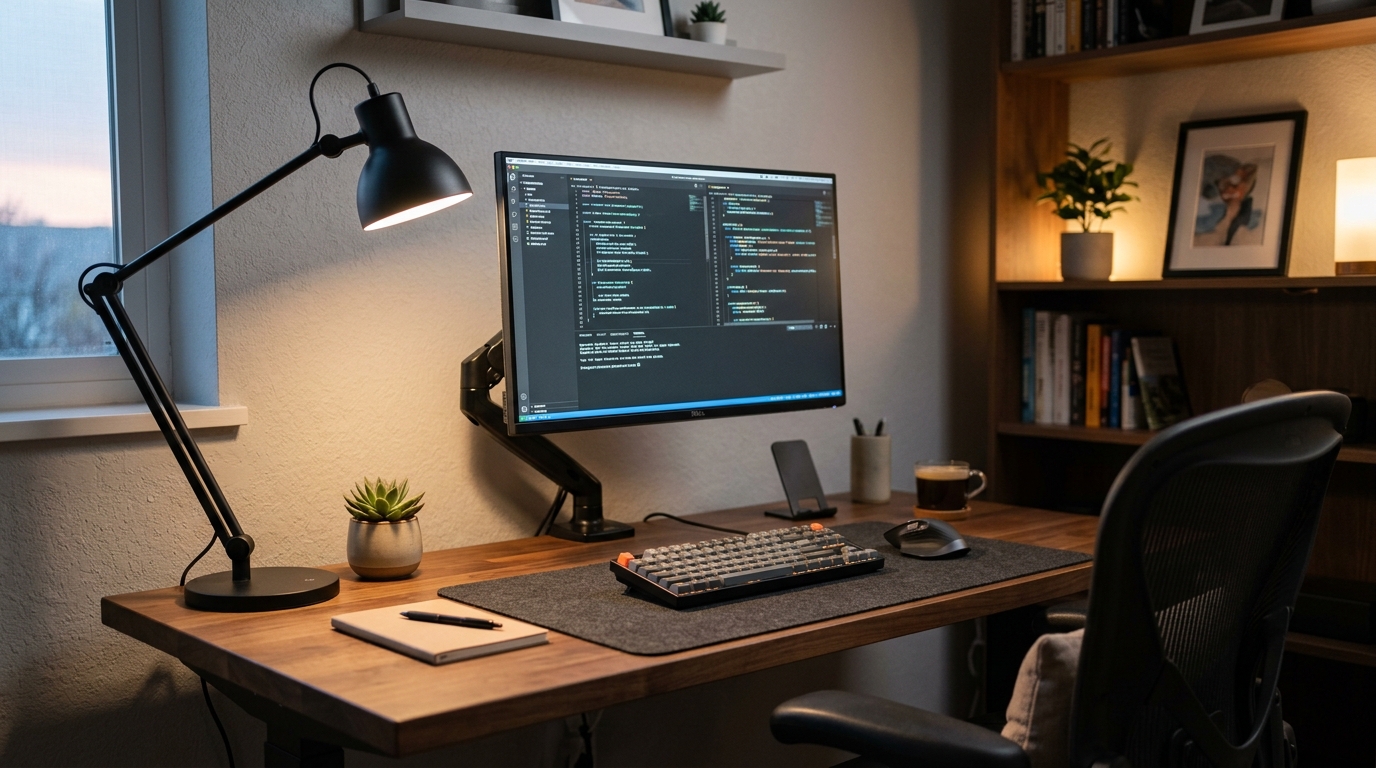
Screen brightness should match your surrounding environment, not blast at maximum intensity. I keep my monitors at about 70% brightness during the day and reduce it further in the evening. Harsh contrast between a bright screen and dim surroundings forces your pupils to constantly adjust, adding another layer of visual processing work. Positioning matters more than most people realize. Your screen should be at arm’s length, with the top of the display at or slightly below eye level. This reduces neck strain and allows your eyes to look slightly downward — the most comfortable viewing angle for extended periods.
Room lighting should eliminate glare while providing enough ambient brightness to reduce contrast. I added a desk lamp positioned to light my keyboard and papers without creating reflections on the screen.
This simple change reduced eye strain and improved my ability to maintain focus during long work sessions.
Experience what focused thinking feels like throughout your entire workday.
What Changed Everything: Supporting Mental Endurance

The real turning point came when I started using CogniCare Pro. While I was focused on external solutions — better lighting, frequent breaks, screen adjustments — I was ignoring the fact that my brain needed internal support to handle the cognitive demands of screen work. This supplement is specifically formulated to support mental endurance and cognitive clarity during demanding tasks. Within two weeks of consistent use, I noticed my afternoon mental fog lifting. The same work that previously left me mentally exhausted became manageable.
My ability to maintain sharp focus during long screen sessions improved dramatically.
What impressed me most was how the supplement enhanced my mental resilience rather than providing temporary stimulation. Unlike caffeine, which offers a brief boost followed by a crash, CogniCare Pro supported sustained cognitive endurance. My thinking remained clear and responsive even during marathon screen sessions that previously would have left me mentally depleted.

Reclaim Your Mental Edge
When afternoon brain fog steals your sharpest thinking hours.
CogniCare Pro supports cognitive endurance and mental clarity during screen-heavy days. Formulated for sustained focus without the crash, this brain and memory supplement helps your mind stay sharp when digital demands are highest. Experience the difference real cognitive support makes.
- ✓ Sharp focus that lasts through afternoon slumps
- ✓ Mental clarity during marathon screen sessions
- ✓ Sustained cognitive endurance without crashes
The Afternoon Reset That Restored My Productivity

Around 2 PM, I now take a ten-minute walk outside without any devices. This isn’t just a break from screens — it’s a cognitive reset that allows my brain to process information differently. Natural light exposure helps regulate circadian rhythm disrupted by morning screen time, while the physical movement increases blood flow to the brain. During these walks, I practice what I call “distance gazing” — deliberately focusing on objects at various distances to exercise my visual accommodation.
Far mountains, nearby trees, street signs, passing cars.
The combination of movement, natural light, and varied visual focus creates a powerful reset effect.
I return to my screen with renewed mental energy and improved focus. This simple habit, combined with the cognitive support from CogniCare Pro, transformed my afternoon productivity entirely.
Give your mind the nutritional foundation for screen-intensive work.
Evening Recovery: Protecting Tomorrow’s Mental Energy

Two hours before bed, I shift all my devices to night mode and reduce screen brightness to minimum comfortable levels. But the more important change was establishing an evening routine that actively supports cognitive recovery. I spend thirty minutes reading physical books, allowing my visual system to practice the natural eye movements that screen work suppresses. I also discovered that gentle neck and shoulder stretches before bed significantly improve next-day mental clarity.
Screen work creates postural tension that affects blood flow to the brain. Releasing that tension each evening prevents the accumulation of physical stress that can contribute to cognitive fatigue over time.
The goal isn’t to eliminate all evening screen time, but to create clear boundaries that allow my neurological system to transition toward rest. This evening routine, supported by the ongoing cognitive benefits of CogniCare Pro, ensures I wake up with the mental resources needed for another demanding screen-filled day.
Stop accepting mental exhaustion as the price of digital productivity.
The Difference Real Solutions Make

Six months later, my relationship with screen work has fundamentally changed. The afternoon brain fog that once defined my workdays is now rare. My ability to maintain sharp thinking during long digital sessions has improved beyond what I thought possible. Conversations at the end of workdays feel effortless again, and my evening mental energy has returned.
The key was understanding that digital eye strain is really cognitive fatigue in disguise. External adjustments — better lighting, proper positioning, regular breaks — address part of the problem. But supporting your brain’s ability to sustain focus and mental endurance addresses the root cause. CogniCare Pro became the missing piece that made all the other strategies actually work.
Now when people ask how I manage long screen days without mental exhaustion, I tell them it’s not about finding one perfect solution. It’s about supporting your cognitive system from multiple angles: environmental optimization, strategic breaks, and most importantly, giving your brain the nutritional support it needs to handle the unique demands of digital work.
The difference is remarkable, and it’s sustainable.
Written by Elias Menden — for those who seek cognitive endurance
Ready to feel the difference this formula makes?