I used to think eight hours was eight hours. That if I could just get myself to bed by ten-thirty and wake up at six-thirty, my body would thank me with that clear-headed, bright-eyed feeling I remembered from childhood mornings. Instead, I’d peel myself from the sheets feeling like I’d been awake all night, my limbs heavy as river stones, my mind wrapped in fog.
The realization came slowly, the way most important truths do. It wasn’t the hours I was missing—it was something happening within those hours, something my body had forgotten how to do properly.
While I lay there breathing and dreaming, the deep restoration my cells were desperately waiting for simply wasn’t occurring. Sleep, I learned, is not a single state but a complex dance of cycles, each with its own purpose. And somewhere in that dance, I had lost the rhythm.
When Sleep Becomes Just Time Passing

The mornings told the story my sleep tracker couldn’t. I’d check the app and see seven hours, forty-three minutes—a respectable night by anyone’s standards. Yet I’d sit at the edge of my bed, needing three deep breaths just to summon the energy to stand. My reflection looked like someone who had been gently wrung out, features soft with fatigue that no amount of coffee could sharpen.
It took months to recognize the pattern. On nights when I fell asleep easily, I’d still wake up depleted.
When I slept through the night without interruption, morning brought the same dull heaviness. The quantity was there, but the quality—that deep, cellular restoration I craved—remained elusive. My body was present for sleep but not participating in it, like attending a concert while wearing noise-canceling headphones. I began to understand that true rest wasn’t just about unconsciousness. It was about descent—traveling down through the layers of sleep to reach the deep, slow-wave stages where real recovery happens. Where growth hormone surges through the bloodstream, where cellular repair crews get to work, where the nervous system finally exhales and lets go.
Ready to experience sleep that actually restores your energy and clarity?
The Science My Body Was Teaching Me

What I discovered changed everything I thought I knew about rest. Deep sleep isn’t just deeper unconsciousness—it’s when the brain literally washes itself, flushing out metabolic waste that accumulates during waking hours. It’s when muscle tissues rebuild, when memories consolidate, when the hormonal symphony that governs metabolism, mood, and cellular repair reaches its crescendo.
The National Heart, Lung, and Blood Institute explains that chronic sleep deficiency can impair concentration, reaction time, mood, and metabolic health, which helped me stop treating this pattern like a motivation problem and start treating it like a recovery problem worth fixing. Their guide to sleep deprivation and deficiency is a grounded place to start if sleep duration looks adequate but the body still wakes up under-restored.
But here’s what no one tells you: deep sleep is surprisingly fragile.
Stress hormones can shorten those precious slow-wave cycles. Poor blood sugar regulation can fragment the sleep architecture. Even subtle inflammation can prevent the body from reaching the profound restoration it needs. Your sleep tracker might register eight hours, but if you’re not cycling properly through the stages—especially spending adequate time in those restorative depths—you wake up having collected time instead of rest. I started paying attention to what preceded my worst nights. Usually, it was stress that lingered in my shoulders, blood sugar swings from late dinners, or that subtle sense of inflammation I couldn’t quite name. My body wanted to dive deep, but something kept pulling it back to the surface.
Your body knows how to restore itself—it just needs the right support.
The Difference Between Tired and Depleted

There’s ordinary tiredness—the kind that accumulates after a full day and dissolves with good sleep. Then there’s depletion, which feels like running a smartphone on 3% battery no matter how long you leave it plugged in. Depletion doesn’t respond to more hours in bed because it’s not about duration. It’s about depth.
I learned to distinguish between the two by how I felt upon waking. Tired responds to rest, leaving me refreshed and mentally clear. Depleted persists despite rest, creating that peculiar combination of physical heaviness and mental fog that no amount of caffeine can fully lift.
When you’re depleted, even simple decisions feel effortful, and your emotional resilience sits just slightly out of reach. What I needed wasn’t longer sleep—it was sleep that actually worked. Sleep that allowed my body to complete its nightly restoration ritual instead of just marking time in unconsciousness.
Transform your mornings by optimizing your nights with natural restoration support.
When I Started Supporting What Sleep Was Trying to Do
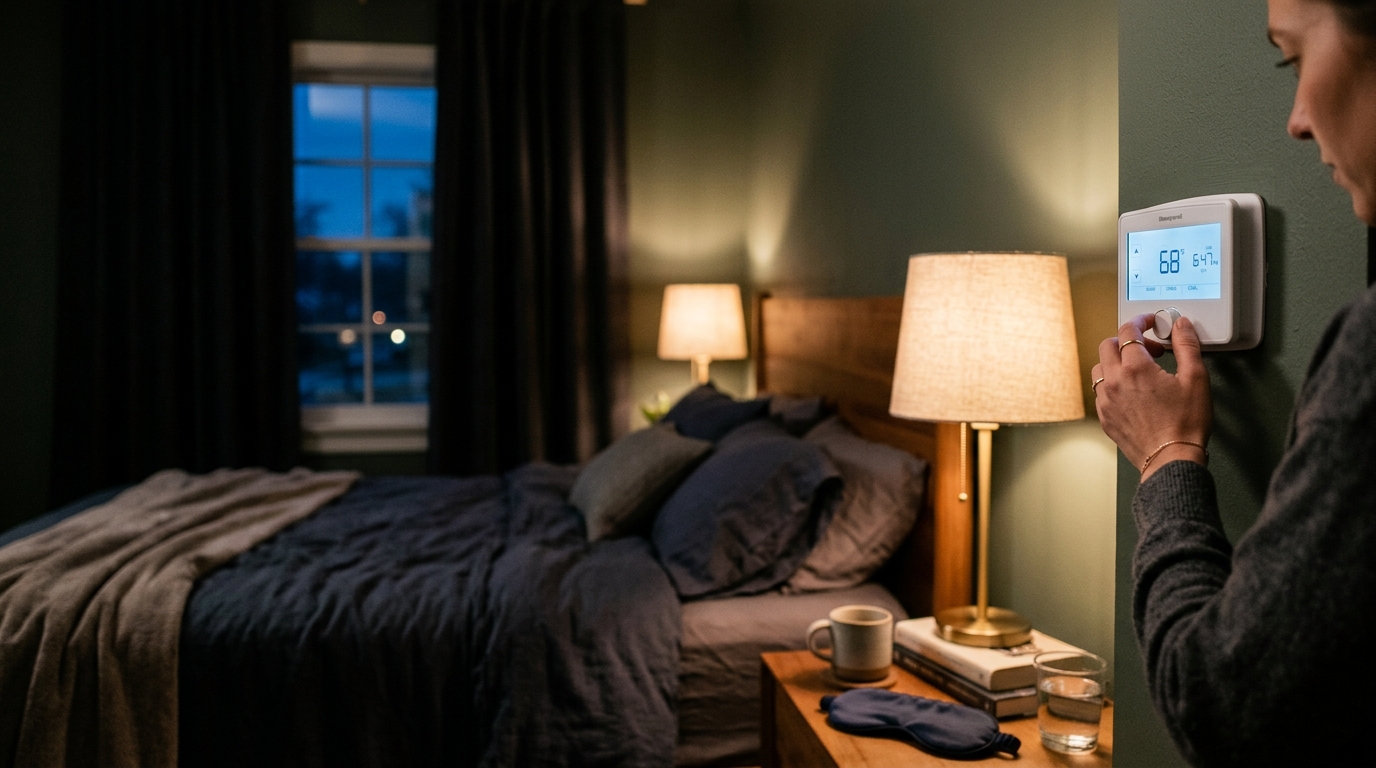
The turning point came when I stopped thinking of sleep as passive and started treating it as active restoration. I began to see my evening routine not as preparation for unconsciousness, but as setting the stage for deep cellular repair. Small changes made profound differences: keeping my bedroom cool and dark, avoiding late meals that would spike blood sugar during the night, creating a gentle transition from day to rest.
But the most significant shift was recognizing that sometimes the body needs support to access its deepest restorative states.
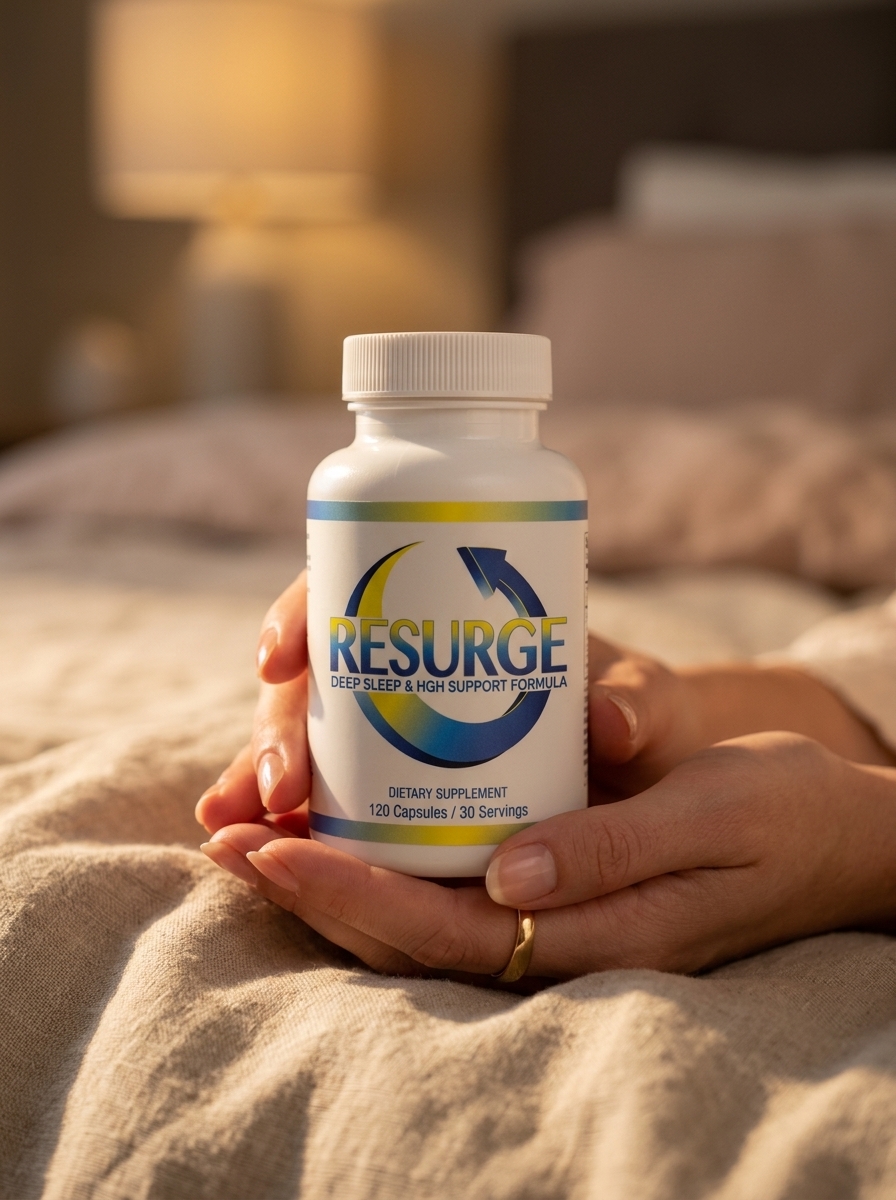
Just as we might take magnesium for muscle relaxation or melatonin for circadian rhythm, there are natural compounds that can help optimize the growth hormone release and cellular repair that define truly restorative sleep. I discovered Resurge during a particularly exhausting phase, when I was sleeping seven to eight hours nightly but waking up feeling like I’d been awake for days. The formula combines specific amino acids and natural compounds that support the body’s own sleep architecture—helping not just with falling asleep, but with accessing those deep, slow-wave stages where real restoration occurs.
Sleep That Actually Works
Support your body’s natural restoration cycles for mornings that feel genuinely refreshed.
Resurge combines specific amino acids and natural compounds that help optimize the growth hormone release and cellular repair that define truly restorative sleep. Not just longer sleep—deeper, more effective rest that transforms how you wake up.
- ✓ Wake up with clear thoughts and steady energy
- ✓ Support natural growth hormone optimization
- ✓ Feel genuinely restored, not just rested
What Changed When Sleep Started Working

The difference wasn’t immediate, but it was unmistakable. Within the first week of supporting my sleep cycles properly, I noticed I was waking up with clearer thoughts, as if someone had cleaned the windows of my mind overnight. My body felt lighter, less like it was fighting gravity with every movement. The 3 PM energy crash that had become my daily companion began to fade.
More importantly, my sleep began to feel like sleep again—not just time passing, but genuine restoration.
I could sense my body cycling through the stages, descending into those deep, slow-wave states where growth hormone surges and cellular repair happens most efficiently. My sleep tracker confirmed what I felt: longer periods in deep sleep, fewer awakenings, a more robust architecture of rest. The fatigue that had become my baseline gradually lifted, replaced by the kind of steady energy I remembered but had stopped expecting. It was like remembering what it felt like to be properly rested.
Stop settling for time passing when you could have true restoration.
The Mornings That Made It All Clear

Now I wake up before my alarm, not from restlessness but from readiness. There’s a quality to morning energy when sleep has done its job properly—a quiet vitality that doesn’t need to be forced or caffeinated into existence. My reflection looks rested, eyes clear, features relaxed rather than tired.
I can think clearly from the moment consciousness returns, making decisions and processing information without the mental static that used to accompany my mornings.
The heaviness is gone, replaced by a lightness that carries me through the day without the dramatic energy peaks and valleys I’d grown accustomed to. Perhaps most tellingly, I no longer feel exhausted by my own life. Activities that once required significant energy reserves—social gatherings, creative projects, even simple household tasks—feel manageable again. When your sleep works, everything else becomes easier.
Deep sleep isn’t a luxury—it’s your birthright to wake up refreshed.
Understanding What Your Body Is Really Asking For

If you’re spending adequate time in bed but waking up depleted, your body isn’t asking for more sleep—it’s asking for better sleep. It’s requesting access to those deep, restorative stages where growth hormone peaks, where cellular repair accelerates, where the nervous system finally gets permission to fully relax. If that pattern comes with loud snoring, witnessed breathing pauses, morning headaches, or daytime sleepiness that makes driving unsafe, it deserves clinical attention rather than another self-experiment.
True rest isn’t a luxury; it’s a biological necessity. When we support our natural sleep architecture with the right conditions and nutrients, we’re not just improving our nights—we’re transforming our days.
The energy, clarity, and resilience that follow quality sleep aren’t bonuses; they’re what we’re designed to feel when our bodies complete their nightly restoration ritual. Sometimes the most profound changes come not from adding more, but from allowing what wants to happen naturally to actually occur. Deep sleep is your birthright. The vitality that follows is simply what rest looks like when it’s working properly.
Written by Liora Menden — for those who seek rest
Give yourself permission to sleep deeply and wake up truly restored.