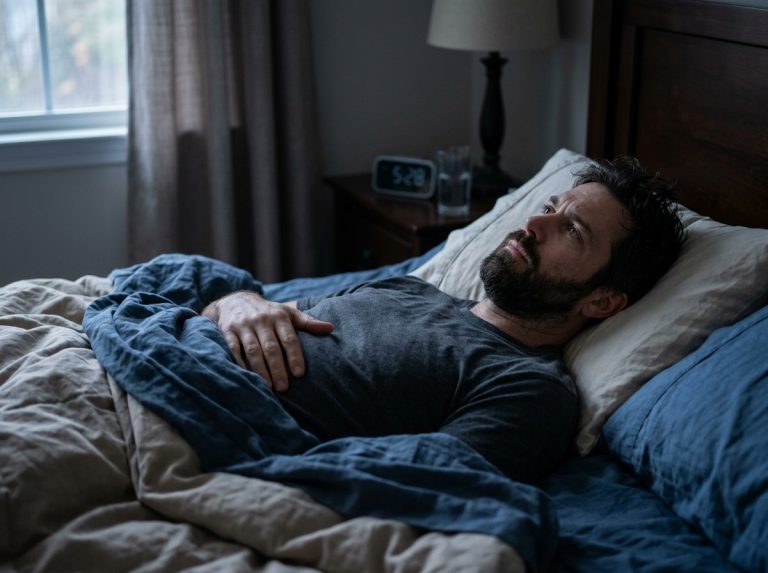
It happens somewhere between lunch and dinner, when the day feels both endless and slipping away. Your focus dissolves like sugar in water. Your patience thins. You find yourself standing in the kitchen, cabinet door open, searching for something that will make you feel human again.
I used to think this was just part of being busy, part of getting older, part of life. The afternoon slump felt as inevitable as the sunset. But when I started paying attention—really paying attention—to the rhythm of my energy, I realized this wasn’t about being tired. This was about something much more specific happening in my body.
The pattern was always the same. A good morning, productive and clear. Lunch that felt satisfying. And then, like clockwork, that familiar dimming around 3 PM. Not sleepy exactly, but foggy. Not hungry exactly, but craving. Not anxious exactly, but unsettled in a way that made me reach for something sweet, something quick, something that promised to bring me back to myself.
The Body’s Silent Language

Your body speaks in whispers before it shouts. The afternoon crash isn’t just about needing more coffee or getting more sleep—though both of those matter. It’s often your blood sugar telling a story about balance, about how well your cells are receiving and using the fuel you give them.
When blood sugar rises too quickly after a meal, your body responds with insulin to bring it back down. But sometimes that response is stronger than it needs to be, creating a dip that leaves you feeling shaky, unfocused, and desperate for something sweet to bring you back up. It’s like a seesaw that’s lost its center point.
I started noticing the subtle signs my body was sending long before the dramatic 3 PM crash. The way my mood would shift slightly after eating certain foods. The way my hands would feel just a little less steady. The way my thoughts would feel just a little less sharp. My body was asking for support, and I was just offering temporary fixes.
Ready to transform your afternoon energy slump into sustained vitality?
What Your Cravings Are Really Saying
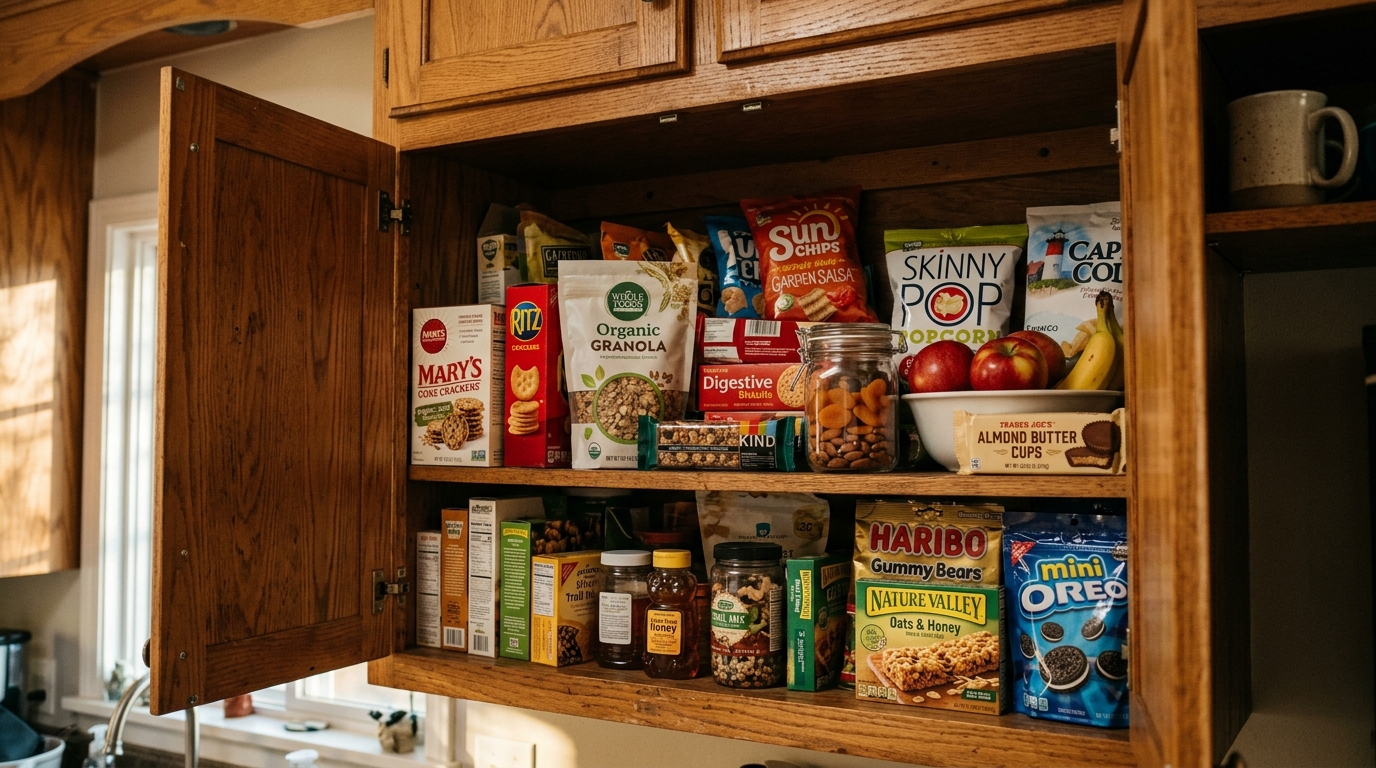
The afternoon reach for something sweet isn’t weakness or lack of willpower. It’s your brain recognizing that your blood sugar has dropped and trying to solve the problem quickly. Glucose is your brain’s preferred fuel, and when levels dip, your body sends urgent signals: find sugar, find it now.
But here’s what I learned: giving your body what it’s asking for in that moment—the quick sugar hit—often makes the underlying pattern worse. You get a brief lift, then another crash. You’re not actually supporting your blood sugar; you’re riding its waves.
Real support looks different. It looks like helping your body maintain steadier levels throughout the day, so the dramatic highs and lows become gentler hills and valleys.
Give your body the blood sugar support it’s been asking for.
The Difference Real Support Makes

When I started using Sugar Defender, the change wasn’t immediate or dramatic. It was like watching the sunrise—so gradual you almost miss it, and then suddenly everything is illuminated. The afternoon crashes became less frequent, less intense. The urgent cravings softened into preferences I could choose to follow or not.
Sugar Defender works by supporting your body’s natural ability to maintain balanced blood sugar levels. It contains ingredients like chromium, which helps your cells use insulin more effectively, and cinnamon bark extract, which has been shown to support healthy glucose metabolism. But more than the individual ingredients, it’s the way they work together that makes the difference.
The most noticeable change was in my afternoon energy. Instead of hitting that wall at 3 PM, I found myself moving through the day with more consistent vitality.
Stop settling for energy crashes and discover what steady feels like.
Learning Your Body’s Rhythm

Supporting blood sugar isn’t just about taking a supplement, though that’s been the foundation for me. It’s about understanding your body’s rhythm and working with it. I learned to pay attention to how different foods affected my energy levels. How spacing my meals differently could prevent some of the dramatic swings.
I started including more protein and healthy fats with my meals, which helped slow down how quickly my blood sugar rose. I noticed that a short walk after eating could make a difference in how I felt an hour later. Small changes that supported what Sugar Defender was already doing.
But the supplement gave me the stable foundation I needed to make those lifestyle changes sustainable. When your blood sugar is all over the place, everything feels harder—making good food choices, having energy for movement, staying patient with the process of change. With that stability, other healthy habits became easier to maintain.
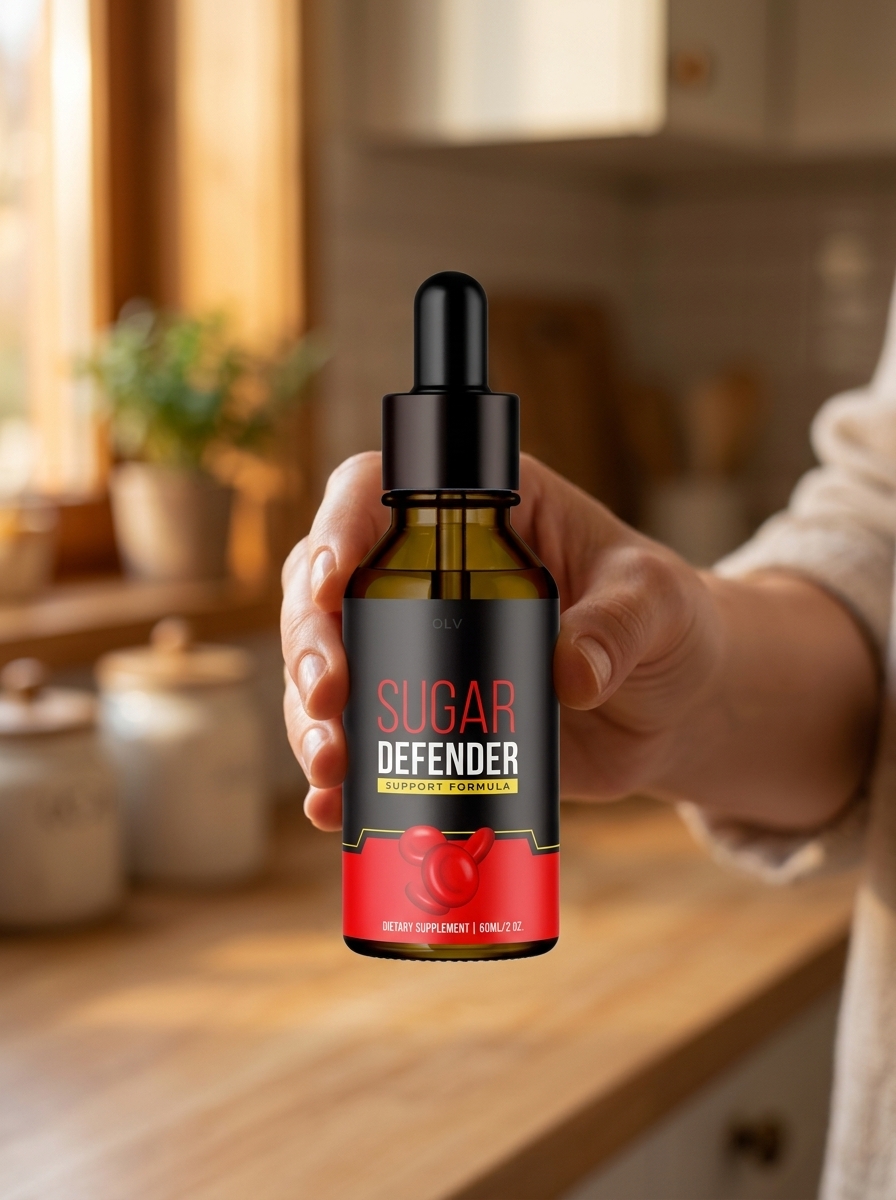
Steady Energy All Day
Transform your 3 PM crash into sustained vitality with natural blood sugar support.
Sugar Defender combines chromium, cinnamon bark extract, and other proven ingredients to help your body maintain balanced blood sugar levels. No more desperate afternoon snack searches or energy rollercoasters. Just steady, reliable energy that carries you through your entire day with clarity and focus.
- ✓ Smooth, consistent energy without crashes
- ✓ Reduced sugar cravings and brain fog
- ✓ Natural support for healthy glucose metabolism
The Science of Sustained Energy
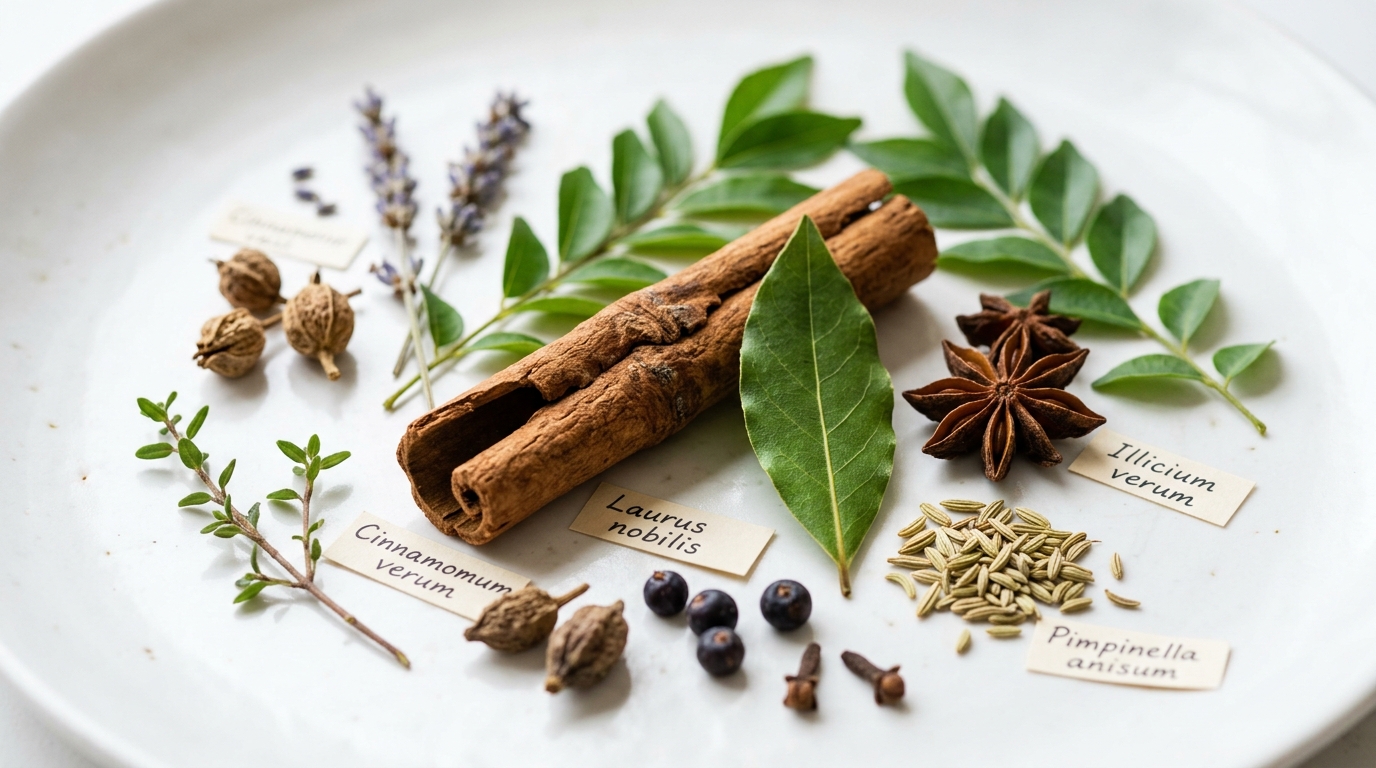
Blood sugar support isn’t just about avoiding crashes. It’s about creating the conditions for sustained energy and clear thinking throughout your day. When your blood sugar stays in a healthy range, your cells can use glucose efficiently. Your brain gets steady fuel. Your energy doesn’t depend on your next meal or snack.
The ingredients in Sugar Defender work on multiple pathways. Gymnema sylvestre helps reduce sugar absorption in the intestines. Banaba leaf extract supports healthy insulin sensitivity. Alpha lipoic acid acts as an antioxidant while supporting glucose metabolism. Together, they create a comprehensive approach to blood sugar support.
What I appreciate most is that this support feels natural, not forced. My body’s own systems are working better, not being overridden by something artificial. The result is energy that feels sustainable, not borrowed from tomorrow.
Your 3 PM wall doesn’t have to be inevitable anymore.
When Balance Becomes Your New Normal

These days, my afternoons feel different. I still get hungry between lunch and dinner, but it’s the gentle reminder of a body that trusts it will be fed, not the urgent demand of blood sugar in freefall. I still enjoy sweet things, but as choices, not compulsions.
The most profound change is in my relationship with my body. I’m not constantly managing energy crises or negotiating with cravings. There’s a steadiness that allows me to show up more fully for the things that matter. Work projects don’t lose momentum in the afternoon. Conversations with loved ones don’t get cut short by brain fog.
This is what blood sugar support really offers: not just stable numbers on a glucose monitor, but the freedom to move through your day without your energy holding you hostage.
Experience the freedom of energy that doesn’t abandon you mid-day.
Finding Your Own Path to Stability

If you’re reading this and recognizing your own 3 PM wall, know that you don’t have to accept it as inevitable. Your body is capable of much more stable energy than you might think. Sugar Defender has been the key that unlocked that stability for me, but the real transformation happens when you start working with your body instead of against it.
The afternoon crash you’ve been experiencing isn’t a character flaw or a sign of aging. It’s information. Your body is telling you it needs better support for one of its most fundamental processes. When you give it that support, everything else—your energy, your focus, your mood, your choices—begins to align.
You deserve to move through your entire day feeling capable and clear. You deserve energy that doesn’t abandon you when you need it most. That’s not too much to ask. That’s what balance feels like when you finally find it.
Written by Liora Menden — for those who seek sustained vitality
Join thousands who’ve found their path to blood sugar stability.