The first hint that my body was getting tired of my lifestyle wasn’t a big crisis.
It was a quiet Tuesday.
My screen was too bright, my shoulders ached, and by 3 p.m. my brain felt like wet cotton. I remember staring at a simple email and thinking, “If I feel this drained now… what happens twenty years from here?”
That question—more than any birthday—pushed me toward cellular health for longevity.
Not hacks. Not extremes. Just:
What are my cells going through every day, and how can I make their job easier?
I started small: steadier walks, more color on my plate, and one simple new ritual in the morning—a glass of water with a mitochondria-support supplement called Mitolyn, a plant-based formula designed to support mitochondrial function and healthy metabolism with ingredients like maqui berry, rhodiola, amla, cacao, and more. (Mitolyn)
Within a couple of weeks, my afternoons felt different. Not perfect. But clearer, steadier, less like I was dragging my body behind me.
Let’s unpack what was actually changing inside—and how you can build your own version of that shift.
What Cellular Health Really Is (and Why It Shapes How You Age)

Your body isn’t one big thing. It’s trillions of tiny rooms.
Each cell has:
- a wall (membrane)
- a power system (mitochondria)
- a constant flow of supplies in and waste out
Cellular health is simply how well those rooms are powered, protected, and repaired.
When cellular health is strong, you tend to feel:
- more stable energy
- faster bounce-back after stress or workouts
- sharper focus
- more “I can handle this” days
When cells are struggling, life feels heavier:
- energy crashes
- soreness that lingers
- foggier thinking
- more “I’m too tired” than “I’m ready”
Longevity isn’t just about adding years. It’s about how many of those years you spend with cells that can still respond, repair, and adapt.
Mitochondria: The Tiny Engines Behind Cellular Longevity
Inside each cell, mitochondria are your tiny power stations.
They turn what you eat and the oxygen you breathe into ATP—the chemical energy that runs almost every process in your cells.
Over time, stress, poor sleep, and low-quality food can wear these engines down:
- they may produce less energy
- they may leak more “exhaust” in the form of reactive oxygen species (ROS)
You feel this as:
- slower recovery after exercise
- more fatigue from normal tasks
- a sense that your “battery” doesn’t charge like it used to
The hopeful part? Mitochondria are trainable.
They respond to:
- Movement – especially walking, gentle intervals, and strength work
- Sleep – deep, consistent rest gives them repair time
- Nutrients – omega-3s, antioxidants, and certain plant compounds
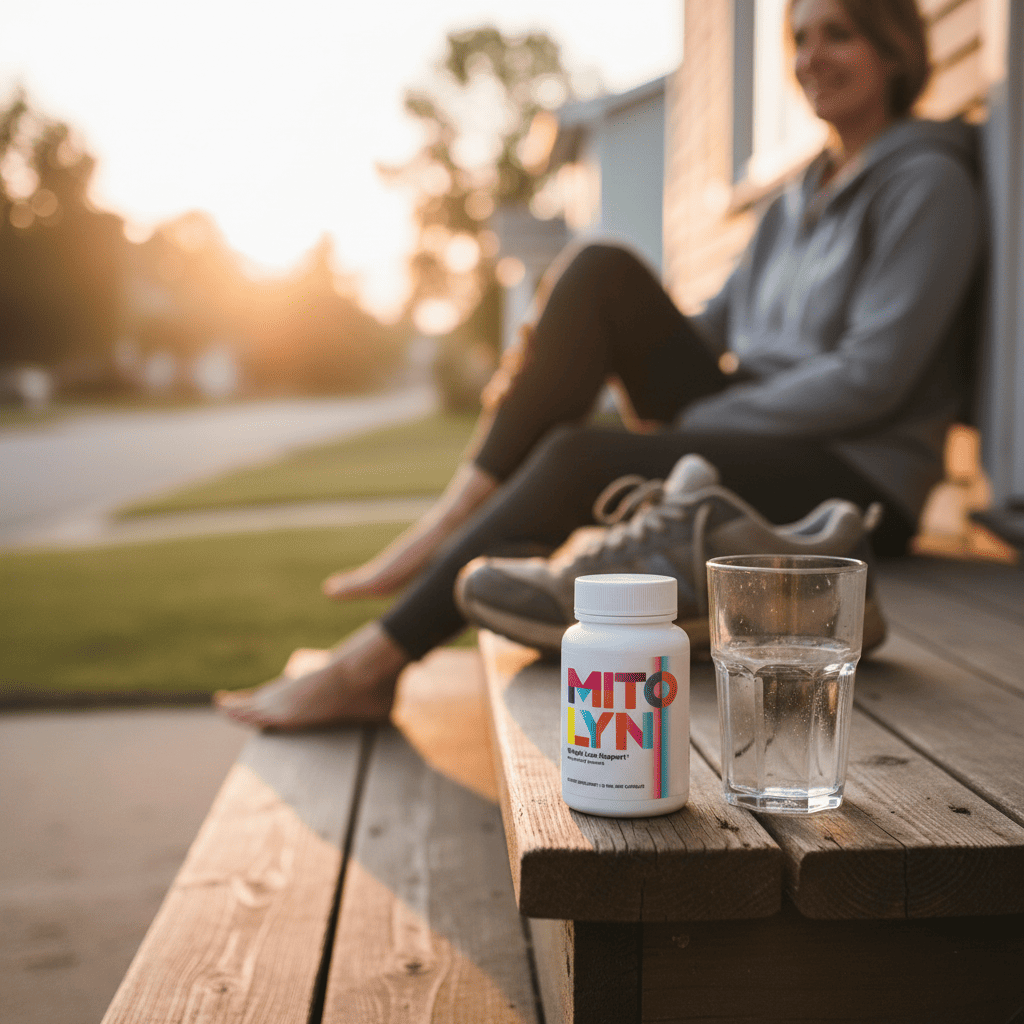
Turn mornings into a cell win
Before you lace up, give your mitochondria a reason to wake up too.
Mitolyn is a plant-based daily capsule formulated to support healthy mitochondrial function and metabolism. One capsule with your first glass of water backs the tiny engines behind your energy, focus, and get-things-done mood—so the day doesn’t start with a drag, but with a quiet, cellular-level yes.
-
Support your cellular energy from the very first hour.
-
Layer real mitochondria care onto a simple porch ritual.
-
Feel like you’re actually doing something for future-you today.
That’s why a mitochondria-focused supplement like Mitolyn can make sense as part of a broader plan. It’s designed with a blend of plant ingredients (like maqui berry, rhodiola, astaxanthin-rich red algae, amla, cacao, and schisandra) chosen for their roles in supporting mitochondrial number, resilience, and antioxidant capacity. (Mitolyn)
On its own, it’s not magic.
But as a quiet partner to movement, sleep, and nourishment, it can help your cells feel less overworked and more supported.
Inflammation, Oxidative Stress, and the Slow Wear on Your Cells

Picture your cells as a busy kitchen.
- Heat and steam: normal metabolism.
- Sparks from the stove: ROS and free radicals.
- Damp cloths and tiles: your antioxidant systems and protective nutrients.
You actually need a few sparks—ROS help your body adapt and repair. But when the sparks are constant (from chronic stress, pollution, ultra-processed foods, poor sleep), and you don’t have enough protection, they start to char the kitchen:
- cell membranes get nicked
- proteins and DNA can be damaged
- your immune system stays on high alert
This imbalance is called oxidative stress, and it’s linked to faster cellular wear and many long-term health issues.
At the same time, low-grade, ongoing inflammation can quietly irritate tissues for years. Exercise helps here in a beautiful way: working muscles release myokines—small messenger proteins that have anti-inflammatory effects and help coordinate metabolism across organs.
So every time you take a walk, do some squats, or climb the stairs with intention, your muscles are literally sending calming signals through your body.
That’s cellular health work you can feel.
Nutrients That Quietly Support Your Cells
You don’t need a lab in your kitchen. But a few nutrients play an outsized role in cellular health for longevity.
Omega-3s: flexible walls and calmer signals
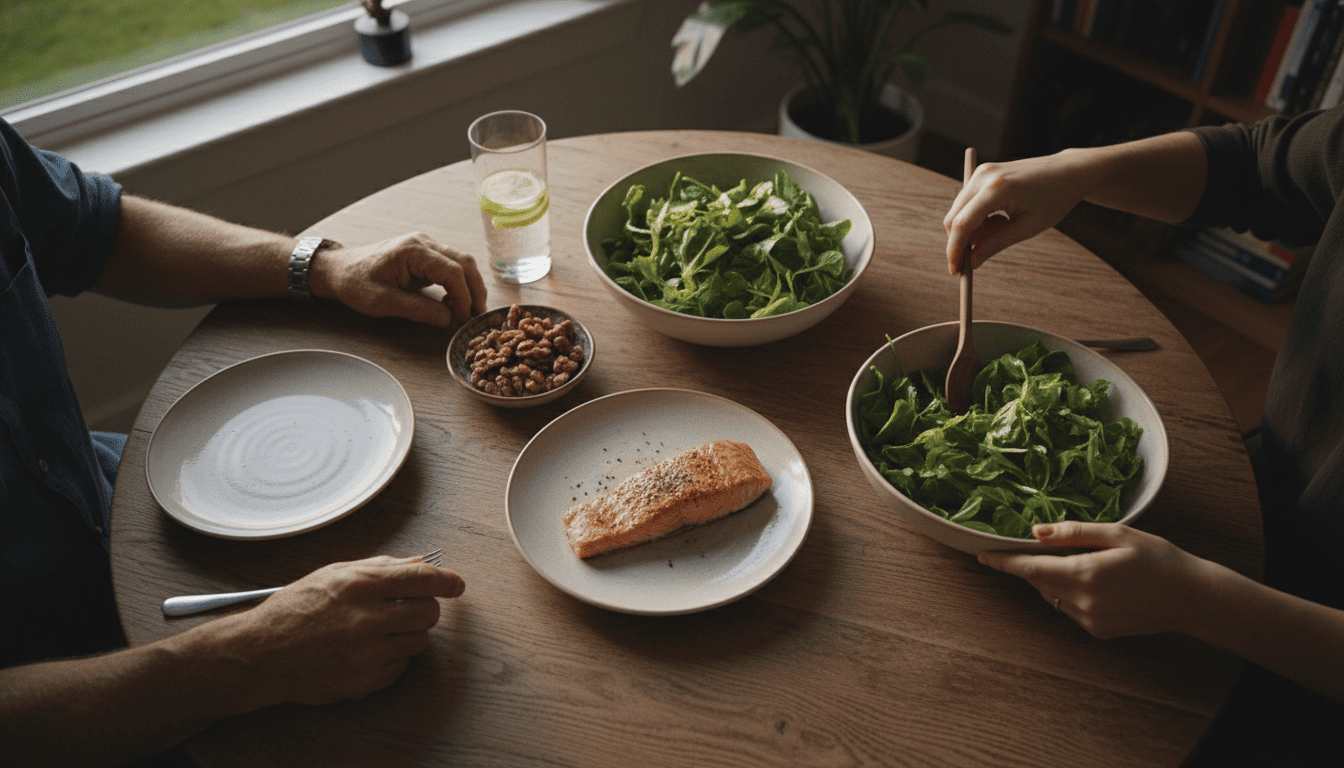
Omega-3 fats—especially EPA and DHA from fatty fish—help keep cell membranes flexible and support normal heart and brain function. They’re also known for their role in balancing inflammation.
You’ll find them in:
- salmon, mackerel, sardines
- flax, chia, and walnuts (ALA form)
If fish rarely shows up on your plate, a well-made omega-3 supplement can help fill in the gaps.
Antioxidants: clean-up crew for oxidative stress
Antioxidants don’t freeze time. They just help your body keep up with the mess.
Plant-rich foods are loaded with natural antioxidants—berries, greens, herbs, cocoa, and colorful vegetables. These compounds help neutralize free radicals before they cause too much damage, easing oxidative stress on your cells.
A simple rule:
If your plate looks like a quiet painting instead of a bright garden, your cells may be hungry for more color.
Targeted mitochondrial support (like Mitolyn)
This is where Mitolyn fits into the story.
Instead of being a single ingredient, it’s a capsule built around a mitochondria-support idea:
- Maqui berry – rich in anthocyanins, a type of antioxidant linked with metabolic and mitochondrial benefits
- Rhodiola – an adaptogenic herb studied for its impact on cellular stress and mitochondrial biogenesis
- Red algae (astaxanthin) – a potent antioxidant associated with mitochondrial function and muscle performance
- Amla – a traditional fruit tied to antioxidant and mitochondrial support
- Cacao and schisandra – plant sources linked to vascular, antioxidant, and mitochondria-related pathways (Mitolyn)

Swap buzz for steady power
When the day blurs, reach for mitochondria support instead of another shaky spike.
Mitolyn combines maqui berry, rhodiola, astaxanthin-rich red algae, amla, cacao, and schisandra in one focused capsule. It’s formulated to support resilient mitochondrial function and antioxidant defenses—so your cells stay better supported while you write, meet, and move through the afternoon without riding a hard crash.
-
Support healthy energy production while you actually work.
-
Make “one capsule with water” your non-stim midday step.
-
Feel more clear and capable, not wired and wiped.
Taken together in one daily capsule, the formula is designed to:
- support healthy mitochondrial levels
- help your cells handle oxidative stress
- gently lean into better metabolic efficiency
In my own routine, I kept it simple:
- Morning: one capsule with a glass of water as sunlight slid across the kitchen counter
- Daytime: a walk and a few minutes of strength work
- Evening: calmer meals and an earlier shutdown of screens
By week two, I noticed three small but real shifts:
- my afternoon crash felt less like a wall and more like a dip
- my cravings later at night were quieter
- I had a softer, steadier motivation to move my body
The supplement didn’t do the work for me—but it made it easier to keep the promises I was trying to make to my cells.
Daily Habits That Turn Science Into a Life You Can Live

Cellular health lives in your rhythms, not your perfection.
Here’s how to weave the science into the day you already have.
Move most days, in some way
Movement sends this message to your cells: “We still need you strong.”
Aim for:
- a brisk 20–30 minute walk most days
- 2–3 short strength sessions per week (bodyweight is fine)
- a few light “intervals” when you’re ready—like 30 seconds of faster walking followed by 60–90 seconds easy
This combo speaks to your mitochondria, your muscles, and your inflammation all at once.
Guard your sleep like it’s a treatment for your future
During deep sleep, your body:
- clears metabolic waste
- repairs tiny bits of cellular damage
- restocks energy for the next day
Try:
- consistent sleep and wake times
- dimmer lights and fewer screens in the last hour
- a cool, dark, quiet room if you can manage it
Your cells don’t care how many productivity tips you follow if they never get time to repair.
Eat like your cells are listening (because they are)
Build your meals around:
- protein for repair and muscle
- colorful plants for antioxidants and fiber
- healthy fats for membranes and hormones
And give your insulin some breaks:
- fewer all-day snacks
- distinct meals with time between them
This doesn’t have to be restrictive. Think: big salad bowls, cooked veggies with olive oil, berries for dessert, hearty stews, simple fish or bean dishes.
Let stress move through you, not live inside you
Chronic, stuck stress keeps your nervous system and immune system on high alert. Your cells feel that as a constant chemical weather report.
Help your body finish the stress cycle with:
- a ten-minute walk when your mind spins
- slow breathing where your exhale is longer than your inhale
- stretching on the floor with gentle music before bed
These are small actions, but they’re clear signals of safety to your cells.
Drink enough for chemistry to work
Water is the highway for:
- nutrients going into cells
- waste moving out
Keep a glass or bottle nearby and sip through the day. If plain water bores you, add lemon, herbs, or a pinch of minerals.
Building a Long-Term Cellular Health Plan You’ll Actually Keep
Here’s the quiet truth: the best plan is the one you’re still doing six months from now.
When I started, I grabbed a small notebook—not to chase perfection, but to notice patterns.
I’d jot down:
- how I slept
- whether I moved
- what I ate roughly
- when I took Mitolyn
- how my energy and mood felt that day
After a few weeks, it was obvious on paper:
- my clearest mornings came after: a simple dinner, one Mitolyn capsule with water, and no phone in bed
- my most stable afternoons followed: a morning walk plus protein-rich breakfast
- my cravings were loudest on days with poor sleep and no movement, no matter what supplements I took
That’s a cellular health for longevity plan in real life:
- a few daily anchors (movement, food, rest, maybe a mitochondria-support supplement)
- a way to notice what actually works for you
- a gentle commitment to your future self, repeated today

Let your plans pack Mitolyn
If it matters enough to pack, it matters enough to support at the cellular level.
Mitolyn is your daily mitochondria-support habit that fits wherever you go. Its plant-based formula is designed to support healthy mitochondrial function, antioxidant capacity, and metabolism—so the energy behind your travels, projects, and family seasons has a consistent ally, not just good intentions in a notebook.
-
Keep a steady mitochondria-support step in every season of life.
-
Turn “I should” into a simple, packable habit.
-
Give future trips and milestones a daily cellular ally.
The Quiet Power of Saying “I’m on Your Side” to Your Cells

Think back to that version of you who’s exhausted at a desk under harsh lights, wondering how this will feel in twenty years.
Cellular health isn’t about never aging. It’s about changing the slope of the curve—so your energy, focus, and resilience last longer into your life.
You do that through:
- steady movement
- nourishing food
- real rest
- stress that comes and goes
- and, if you choose, targeted support like Mitolyn to give your mitochondria extra care alongside those habits (Mitolyn)
If you feel drawn to add that kind of structured support, explore a mitochondria-focused formula and see how it fits with your routines. Let it be a helper, not a hero.
Because your cells are already working for you, every hour of every day.
These small choices—the walk, the earlier bedtime, the colorful meal, the glass of water with a capsule in your palm—are simply your way of answering back:
“I’m with you. Let’s go the distance together.”
—
Written by Elias Menden — for those who seek resilience and clarity from the cell outward.