I stood in front of my bathroom mirror on a Tuesday morning, holding a serum that cost more than my monthly phone bill. The bottle promised cellular renewal, peptide magic, instant luminosity. My reflection showed something different: skin that looked as tired as I felt, with a greyish undertone that no amount of concealer could disguise. This was the moment I realized I’d been asking the wrong question entirely.
For months, I’d been layering products on my skin, hoping that somewhere in the ritual of cleanse-tone-treat-moisturize-protect, I’d find the glow that seemed to come so naturally to other women. My vanity looked like a chemistry lab. My morning routine took thirty minutes. And still, my skin looked like it was holding its breath, waiting for something I couldn’t give it.
That Tuesday morning, something shifted. Instead of reaching for another jar, I sat down with my coffee and started asking different questions.
What if the problem wasn’t what I was putting on my skin, but what was happening underneath it?
The Expensive Mistake I Made for Months

I used to believe that skincare was about finding the right combination of ingredients to apply externally. My bathroom counter became a testament to this belief: vitamin C serums, retinol creams, hyaluronic acid boosters, collagen masks. Each product promised to penetrate deeply, to work at the cellular level, to transform my skin from the outside in. The mathematics seemed logical. Expensive ingredients plus consistent application should equal visible results.
I tracked my routine religiously, photographed my progress, adjusted formulations based on online reviews and dermatologist recommendations. But after months of dedication, my skin still looked fundamentally unchanged—not damaged, but not vibrant either.
What I didn’t understand then was that I was trying to solve a depth problem with surface solutions. My skin cells weren’t struggling because of what was missing from my routine. They were struggling because of what was missing from their own internal energy production. The mitochondria in my skin cells—the tiny powerhouses responsible for cellular repair and regeneration—were operating below capacity.
No cream, no matter how sophisticated, could replace what my cells needed to function optimally from within.
Ready to support your skin from the cellular level up?
Why My Skin Looked Tired Even When I Wasn’t

There’s a particular kind of skin fatigue that has nothing to do with sleep or stress levels. It’s subtle but unmistakable—a lack of that natural luminosity that makes skin look alive and healthy. My skin had this quality, even on days when I felt energetic and well-rested. I started paying attention to the rhythm of how my skin looked throughout the day.
In the morning, after my elaborate routine, there would be a temporary brightness. By afternoon, that brightness would fade, leaving my complexion looking flat and dull. By evening, my skin looked almost grey under certain lighting, despite having applied multiple layers of products designed to maintain radiance.
This pattern persisted regardless of what I applied topically. It wasn’t about hydration—my skin wasn’t dry or flaky. It wasn’t about sun damage—I was religious about SPF.
It was something deeper, something that suggested my skin cells themselves weren’t generating the energy they needed to maintain that natural, healthy appearance.
What I learned later was that skin cell mitochondria become less efficient over time, producing less energy for the cellular processes that keep skin looking healthy and renewed. Without adequate cellular energy, even the most expensive topical treatments can only create temporary, surface-level improvements.
Give your skin cells the energy they need to create natural radiance.
The Question That Changed Everything

Sitting in my dermatologist’s office for what felt like the hundredth consultation about my lackluster skin, she asked me something unexpected: “What are you doing to support your skin from the inside?” I had no answer. All my focus had been on what to apply externally, never on what my skin cells might need internally to function at their best.
This question opened an entirely different approach to skin health. Instead of thinking about my skin as a surface that needed treatment, I started thinking about it as a living organ composed of cells that needed optimal conditions to thrive. Those conditions included not just external protection and moisture, but internal cellular energy and the right nutrients to support mitochondrial function.
The more I researched, the more I understood that healthy, glowing skin is primarily the result of healthy, energetic skin cells. When mitochondria in skin cells are functioning optimally, they produce the energy needed for cellular repair, collagen synthesis, and the natural renewal processes that keep skin looking vibrant. This realization completely shifted my approach.
Instead of focusing solely on what I could put on my skin, I started researching what I could do to support cellular energy production in my skin cells from within.
Stop masking tired skin and start energizing it from within.
What Actually Happens When Skin Cells Get Better Energy
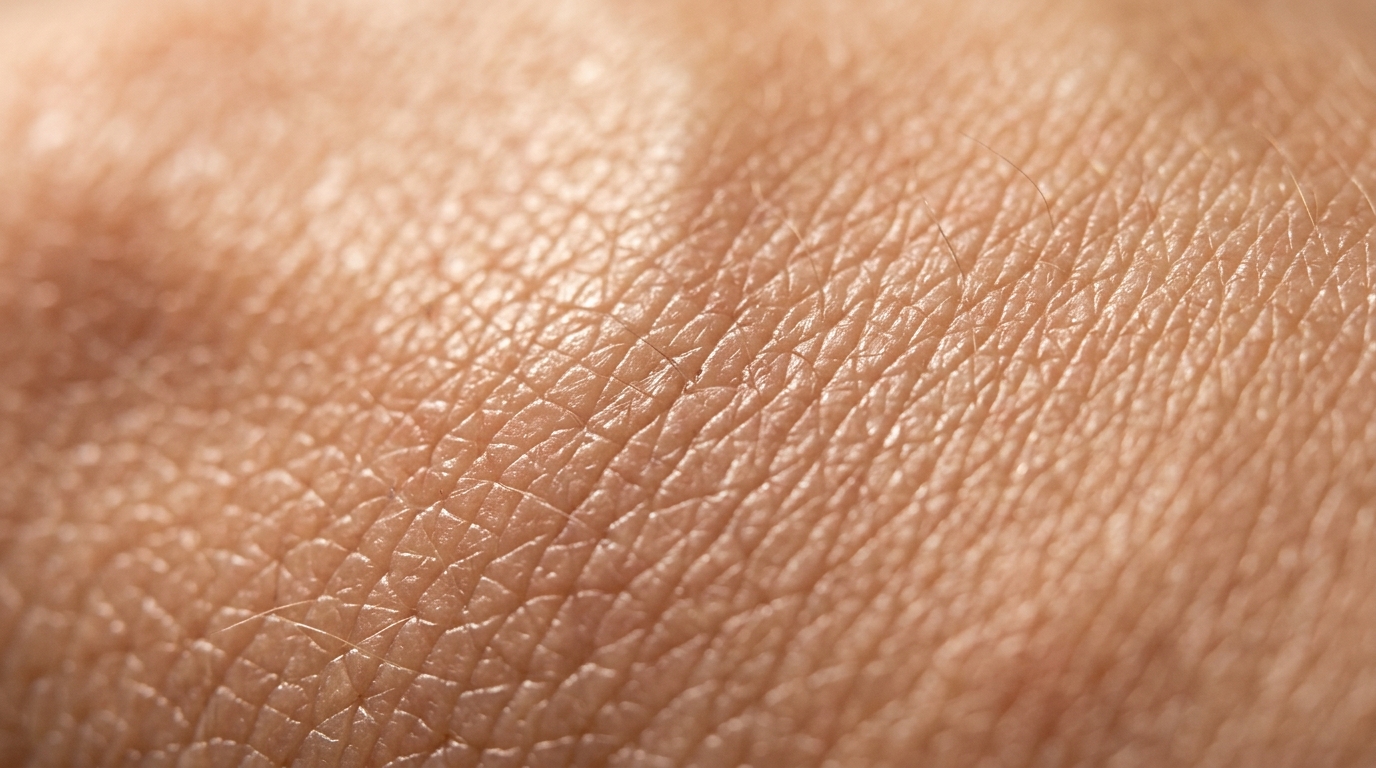
The science behind cellular skin health is remarkably straightforward. Skin cells, like all cells in our body, rely on mitochondria to produce the energy needed for their daily functions. In healthy skin, these cellular powerhouses generate enough energy to support continuous repair, renewal, and maintenance of the skin barrier. When mitochondrial function declines—whether due to age, environmental stress, or nutritional deficiencies—skin cells simply can’t perform their jobs as effectively.
The visible result is exactly what I was experiencing: skin that looks tired, dull, and less resilient, regardless of external care.
But when mitochondrial function improves, skin cells have the energy they need to operate at full capacity. This means more efficient cellular repair, better collagen production, improved skin barrier function, and that natural radiance that comes from cells that are genuinely healthy and energetic.
Understanding this connection between cellular energy and skin appearance completely changed how I thought about skincare. It wasn’t about finding better products to apply externally—it was about supporting my skin cells’ ability to function optimally from within.
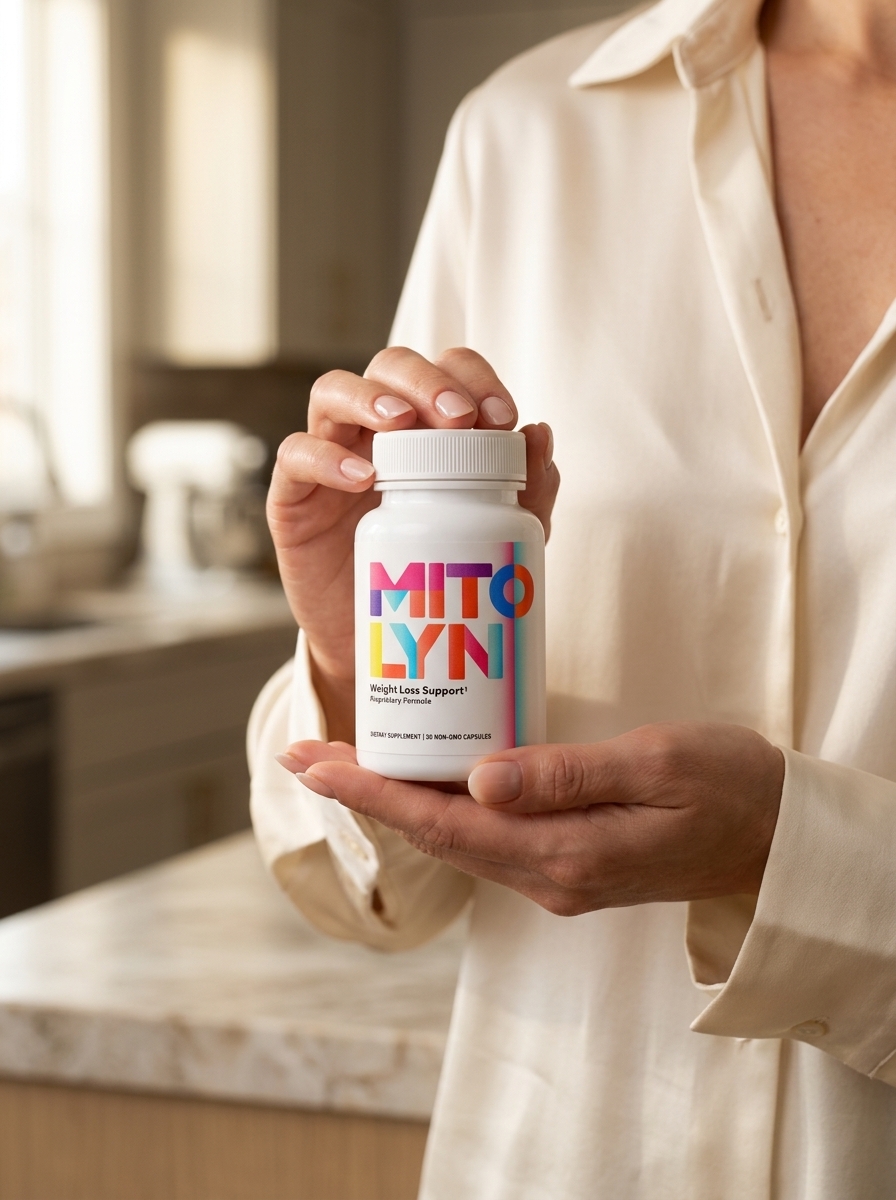
Power Your Skin Cells
Give your skin the cellular energy it needs to glow naturally from within.
Mitolyn combines maqui berry delphinidin, astaxanthin, and amla to support mitochondrial function in skin cells. When your cells have optimal energy, they can perform the repair and renewal processes that create genuinely healthy, radiant skin. This isn’t about covering tired skin—it’s about energizing it.
- ✓ Natural luminosity that lasts all day
- ✓ Reduced reliance on heavy serums
- ✓ Genuine cellular skin health support
The Simple Addition That Made the Difference

After weeks of research into mitochondrial support for skin health, I discovered Mitolyn, a supplement specifically formulated to support cellular energy production. What caught my attention wasn’t just the science behind it, but the specific combination of ingredients chosen for their ability to support mitochondrial function. Mitolyn contains maqui berry delphinidin, a powerful antioxidant that helps protect mitochondria from oxidative stress while supporting their energy production capacity.
The astaxanthin provides additional cellular protection, particularly important for skin cells that face daily environmental challenges. The amla component delivers vitamin C and other compounds that support the cellular processes involved in skin renewal and repair.
What made sense to me about this approach was its focus on addressing the root cause of my skin concerns rather than just managing the symptoms. Instead of trying to compensate for tired skin cells with external treatments, I was giving those cells the support they needed to function optimally on their own.
I started taking Mitolyn daily, treating it as seriously as any other part of my skincare routine. This wasn’t about expecting overnight transformation—it was about providing consistent support for the cellular processes that create naturally healthy skin over time.
Experience the difference that cellular energy makes for skin health.
Week by Week: What I Actually Noticed

The changes didn’t happen dramatically or all at once. In the first week, I noticed that my skin seemed to hold onto its morning brightness a bit longer throughout the day. Instead of looking flat by afternoon, there was still some natural luminosity remaining when I caught glimpses of myself in mirrors. By the second week, the change was more noticeable.
My skin had a subtle but unmistakable vitality that hadn’t been there before. It wasn’t about looking younger or dramatically different—it was about looking genuinely healthy in a way that no amount of topical products had achieved.
The third week brought something I hadn’t experienced in months: people started commenting on how good my skin looked. Not because I was wearing different makeup or using new products, but because there was a natural radiance that was coming from within. My skin looked like it had energy.
By week four, I realized I’d been unconsciously reducing my reliance on the heavy serums and treatments that had been my daily ritual. My skin was maintaining its healthy appearance with much simpler external care because the cells themselves were functioning better. The improvement was coming from genuine cellular health, not from layering products to create the appearance of health.
Transform your approach to skincare with mitochondrial support.
The Morning I Stopped Reaching for Concealer

There was a particular morning in the fourth week when I caught myself in the bathroom mirror and paused. My skin looked clear, bright, and naturally even-toned. For the first time in months, I didn’t automatically reach for concealer or feel the need to create artificial brightness with highlighter.
This moment crystallized what had been happening gradually over the previous weeks. Supporting my skin cells’ energy production had created the kind of natural, healthy appearance that I’d been trying to achieve with external products. The difference was that this glow was real, sustainable, and came from genuinely healthy skin rather than cosmetic enhancement. My morning routine became simpler, not because I was cutting corners, but because my skin needed less intervention to look healthy.
I still used quality products for protection and moisture, but I no longer needed to rely on them to create the appearance of vitality—that was coming from within.
Standing in front of that same mirror where I’d felt frustrated months earlier, I understood the profound difference between treating skin symptoms and supporting skin health. When skin cells have the energy they need to function optimally, the natural beauty that results is both more subtle and more striking than anything that can be applied from the outside.
The expensive serums are still in my cabinet, but they’re no longer the foundation of my skincare approach. Instead, supporting my skin’s cellular energy has become the cornerstone of a routine that’s both simpler and more effective than anything I tried before. Some transformations, I learned, happen not by adding more to our routine, but by supporting our body’s natural capacity to create the health we’re seeking.
Written by Liora Menden — for those who seek authentic radiance
Join thousands discovering authentic radiance through cellular wellness.