I realized something was wrong the day I reread the same email five times and still couldn’t hold the meaning in my head.
The words were familiar. The client was familiar.
My brain? Nowhere to be found.
For almost a month, everything felt like that.
Names I’d known for years slid away mid-sentence. I’d walk into a room and have no idea why I was there. Choices that used to take seconds—answering a message, deciding what task to do first—suddenly felt like wading through wet cement.
If you’ve felt that strange mix of exhaustion, forgetfulness, and “I just don’t feel like myself,” you already know how unnerving brain fog can be. Doctors describe brain fog as a cluster of symptoms: trouble concentrating, poor memory, slower thinking, and mental fatigue. Stress, poor sleep, and shaky nutrition are some of the most common triggers.
I didn’t want a new identity as “the foggy one.”
So I gave myself 30 days to treat my mind like a priority again.
What came out of it became my personal brain fog recovery plan.
And yes—one gentle brain-support supplement, NeuroPrime, became part of that reset. Not as a miracle, but as a quiet ally.
When Brain Fog Took Over My Days

Before the reset, my days looked like this:
- Focus span: 10–15 minutes before I’d reflexively reach for my phone
- Energy curve: wired in the evening, dull in the morning
- Memory: losing small details (names, appointments, where I put my keys)
- Mood: low patience, easy overwhelm, tiny things feeling huge
By the end of a workday, my brain felt used up—like I’d spent all my concentration on simply holding myself together.
Looking back, the triggers were obvious:
- Scattered sleep
- High stress, but “I’ll deal with it later” coping
- Barely-there movement
- Too many fast, hyper-processed meals
- Caffeine doing the heavy lifting
It lines up with what brain health research keeps repeating:
- Chronic stress and poor sleep can drive a kind of low-level inflammation that shows up as brain fog.
- An anti-inflammatory way of eating—more whole foods, fewer ultra-processed ones—often improves energy, mood, and mental clarity.
- Regular movement increases blood flow to the brain, supporting memory and thinking.
But I didn’t want a lecture. I wanted a map.
So I built one.
Why Brain Fog Isn’t Just “Being Tired”
Here’s the simple picture that changed how I treated my brain:
- Your mitochondria are the tiny power plants in your cells. When they’re stressed, underfed, or inflamed, your brain gets less clean, steady energy.
- Inflammation is like background static in your body. A little is normal. Chronic, low-level inflammation—from poor sleep, constant stress, or processed food—can blunt how clearly you think and feel.
So brain fog became less of a mystery and more of a message:
“Your brain is asking for better fuel, better rhythms, and some relief.”
That’s what my 30-day brain fog recovery plan focused on:
not hacking my brain, just finally supporting it.
Once I started paying attention to how steady energy affected both focus and circulation, this deeper look at brain fog and heart health helped the pattern make more sense.
My 30-Day Brain Fog Recovery Plan
I split the plan into four pillars: fuel, sleep, movement, and nervous system.
Nothing extreme. Just consistent.
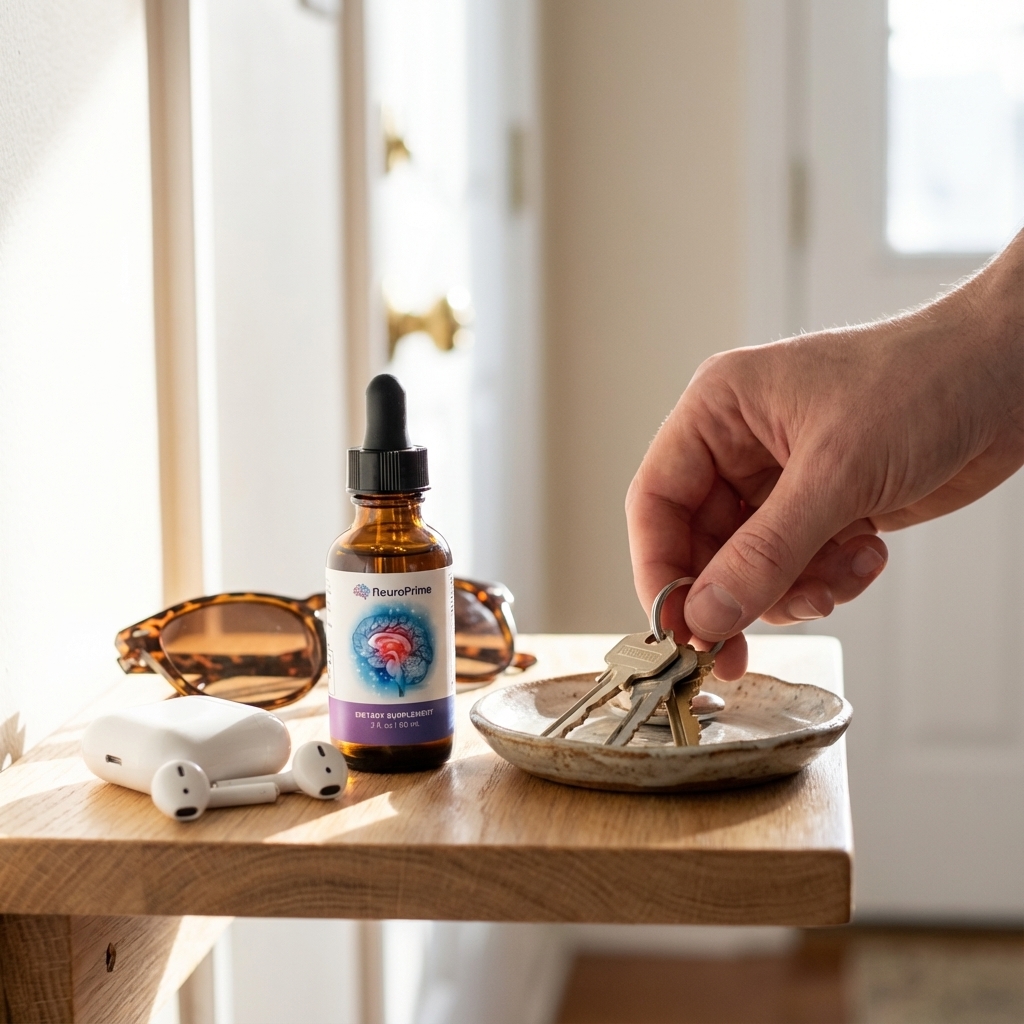
Give Your Brain a Daily Upgrade
I stopped guessing on brain support the day I committed to NeuroPrime every single morning
NeuroPrime is my go-to brain supplement—simple, targeted, and built to support clear, steady thinking.
One daily dropper in the morning, done.
Instead of juggling random pills, I chose one formula designed for focus, memory, and mental stamina support—and I haven’t looked back.
-
Consolidates your brain support into one smart daily formula
-
Designed to back focus, memory, and mental energy
-
Easy dropper dose you can actually stick with
1. Fuel: Food That Calms Inflammation and Feeds the Brain

I stopped asking, “Is this healthy?”
Instead, I started asking, “Will this make thinking easier or harder an hour from now?”
Most days, my plate looked like:
- Breakfast:
- Eggs with spinach and mushrooms
- A handful of berries
- Lunch:
- Big salad with leafy greens, olive oil, chickpeas or grilled chicken, and pumpkin seeds
- Snack:
- Walnuts or almonds, sometimes paired with an apple
- Dinner:
- Salmon or another fatty fish a few times a week, with quinoa and roasted vegetables
- All day:
- Water bottle on my desk, actually being used
I leaned into foods that support brain clarity:
- Leafy greens, berries, walnuts, fatty fish — rich in antioxidants and omega-3s that help reduce brain inflammation and support cognitive function.
- Whole grains and legumes — steadier blood sugar, fewer energy crashes.
Nothing was perfect. I still had takeout nights.
But the center of my diet changed, and my brain felt that shift before my body did.
2. Sleep: Protecting the Hours That Repair the Brain
I used to treat sleep like leftover time.
During this reset, it became non-negotiable.
For 30 days, I kept three simple promises:
- Same sleep window: I aimed for roughly the same bedtime and wake time, even on weekends.
- Pre-sleep buffer: Screens off 45 minutes before bed. Low light, quiet, boring.
- Micro-reset: If my mind was racing, I did a 5-minute breathing pattern (inhale for 4, exhale for 6) until my body softened.
Research shows that about 7 hours of quality sleep supports memory and clears metabolic waste from the brain—another quiet player in fog.
By the end of week two, I noticed something small but important:
I was waking up slightly ahead of my alarm, instead of resenting it.
3. Movement: Oxygen as a Daily Brain Drink

I didn’t join a gym.
I didn’t start marathon training.
I just made movement non-negotiable, even in tiny doses:
- A 15–20 minute brisk walk outdoors most days
- Light strength work (bodyweight squats, push-ups against a counter) 2–3 times a week
- Stretching or slow yoga in the evenings if my nervous system felt wired
Even short bursts of moderate activity can improve processing speed, working memory, and focus—especially when you do them outside.
It didn’t feel heroic.
But on days I moved, I noticed fewer “blank screen” moments in the afternoon.
4. Nervous System Reset: Training My Brain to Feel Safe Again
Brain fog made me feel behind, which made me stressed, which deepened the fog.
To break that loop, I added tiny, repeatable resets:
- 10-minute morning stillness: Sometimes it was meditation. Sometimes just sitting quietly with my eyes closed, noticing my breath.
- Boundaries with input: No scrolling news before 10 a.m. Fewer tabs open.
- Simple social connection: One real conversation a day—text, call, or face-to-face.
Chronic stress keeps your nervous system in “threat mode,” which can impair memory, focus, and decision-making. Calming that response is crucial for lifting brain fog.
The Quiet Role NeuroPrime Played
Alongside those four pillars, I added one targeted source of support for my brain: NeuroPrime.
I didn’t approach it as a magic fix.
More like giving my mind an extra layer of steadiness while the rest of my habits took root.
The formula itself is built around plant-based and botanical compounds often used for clarity, memory, and focus. The moment I saw that combination—plus the liquid format, which felt easy to fold into my morning routine—it just made sense to try it.
Here’s how NeuroPrime fit into my day:
- Morning:
A light breakfast, a full glass of water, and a dropper of NeuroPrime.
Then ten quiet minutes before facing the noise of the day. - Evening (on heavier mental days):
A walk, a stretch, and a softer mental landing—helped by the feeling that my brain had been supported rather than pushed.

Back Tomorrow’s Brain Tonight
When I added NeuroPrime to my shutdown routine, my next mornings stopped feeling like a scramble
NeuroPrime is the brain supplement I trust when my head feels overstretched.
Its focused blend is designed to support circulation, clarity, and mental resilience—right when your mind needs backup most.
One dropper at night becomes a promise to tomorrow’s focus.
-
Supports mental recovery after demanding, screen-heavy days
-
Helps you protect focus instead of constantly rebuilding it
-
Simple dropper dose that fits any wind-down ritual
I didn’t notice a dramatic shift on day one.
What I noticed were small adjustments—the kind you only catch when you’re paying attention:
By Day 7–10
- Thoughts felt less slippery.
- My mind stayed with tasks just a bit longer.
By Day 20
- The mid-afternoon fog that usually rolled in… didn’t.
- Reading dense material felt doable again, not draining.
By Day 30
- The mental “static” faded, replaced by a steadier, quieter kind of clarity.
- Starting something required less negotiation with myself.
NeuroPrime didn’t overpower my routine.
It blended in—supporting the changes I was already making and giving them room to work.
For me, it became the piece that made consistency easier, almost like my brain finally had the materials it needed to feel like itself again.
Where I Am Now (and What I’d Do Differently)
Looking at my notes from before and after the 30 days, the change is clear:
- Daily productive hours
- Before: ~4 hours of real, focused work
- After: ~7 hours, with natural breaks instead of constant distraction
- Mental clarity (1–10)
- Before: 3 — heavy, slow, easily overloaded
- After: 8 — still human, but clear enough to trust my mind again
- Stress levels (1–10)
- Before: 8 — constant internal rushing
- After: 4 — stress still shows up, but it doesn’t blur everything
If I ran this 30-day experiment again, I’d tweak a few things:
- More brain-focused foods earlier
I’d add things like sardines, extra-virgin olive oil, and more variety of greens sooner instead of halfway through the month. - Structured movement blocks
Two 10-minute walks (mid-morning and mid-afternoon) were more powerful than one longer walk, especially on deep work days. - Cognitive play
I’d add one “brain play” slot a few times a week—learning a new song on an instrument, a language app, or a puzzle—just to give my brain something joyful and demanding.
If You’re Stuck in the Fog Too

If any part of this feels uncomfortably familiar, here’s the truth I had to learn the slow way:
Your brain is not failing you.
It’s signaling you.
A brain fog recovery plan isn’t about becoming superhuman.
It’s about finally honoring what your brain has been asking for:
- More stable fuel
- Consistent, real sleep
- Movement that sends fresh blood and oxygen upstairs
- Nervous system breaks
- And, if it fits your world, a thoughtful brain-support supplement that amplifies the changes you’re already making
For me, NeuroPrime became that quiet amplifier—something simple I could reach for each day that said, “You’re supporting your brain now, not just reacting when it crashes.”
If this story mirrors your own, you might find that the same blend of habits—and a gentle, brain-focused formula like NeuroPrime—gives you just enough extra clarity to remember who you are underneath the fog.
Written by Elias Menden — for those who seek steady, quiet clarity.