Quick answer: No supplement can repair every cell or reverse aging. The most useful options target a specific need—such as correcting a diagnosed nutrient deficiency—while sleep, protein, movement, sun protection, and medical care do the foundational work. Compare ingredients by evidence, dose, safety, and fit rather than by broad “cellular renewal” promises.
“Cellular repair” describes many normal processes, including DNA maintenance, protein turnover, antioxidant defenses, immune activity, and the removal of damaged cell components. Because the phrase covers so much biology, it can make a supplement sound more comprehensive than the evidence supports. A responsible comparison starts with the outcome you actually want to improve.
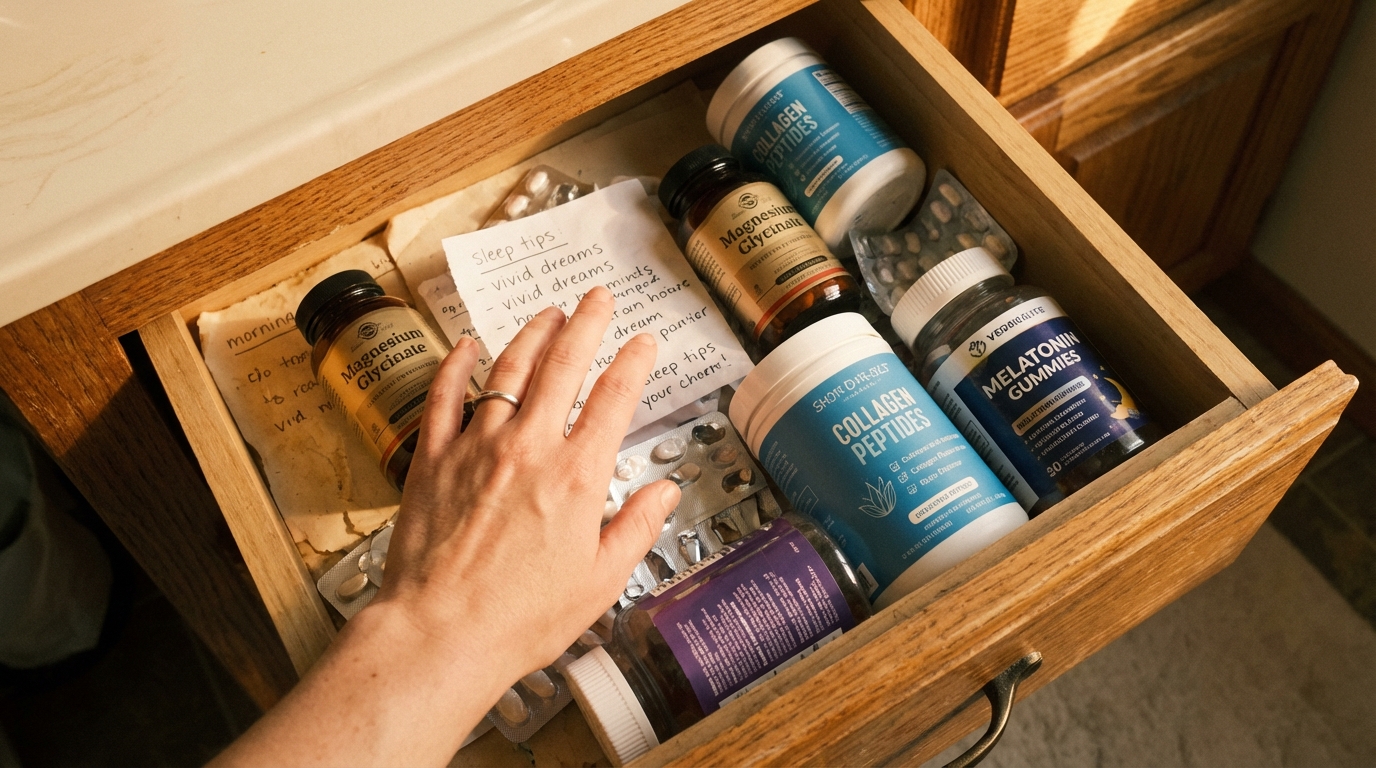
What does cellular repair mean in everyday health?
Cells constantly respond to ordinary wear from metabolism, immune activity, exercise, sunlight, and environmental exposures. Different tissues use different maintenance systems, so there is no single switch that a capsule can turn on. Sleep supports recovery, dietary protein supplies amino acids, and vitamins and minerals participate in numerous reactions—but more is not automatically better.
The practical question is narrower: are you trying to correct a deficiency, support normal energy metabolism, recover from training, improve sleep, or manage a symptom? Fatigue, pain, skin changes, or slow recovery can also reflect medical conditions. A supplement label cannot diagnose the cause.
For a useful overview of age-related health habits, see the National Institute on Aging guidance on healthy aging. Its emphasis remains broad: activity, nutritious food, sleep, preventive care, and social and cognitive health all matter.
Which supplements have the clearest role?
The strongest use case is usually not a vague anti-aging promise. It is a defined nutritional need supported by symptoms, diet history, medication review, or laboratory testing. The table below separates plausible roles from common marketing leaps.
| Supplement category | Reasonable role | Important limit |
|---|---|---|
| Vitamin or mineral | Correct a confirmed or likely deficiency under appropriate guidance | High doses can cause toxicity or interact with medicines |
| Protein or essential amino acids | Help meet protein needs when food intake is insufficient | Not a substitute for a varied diet or an individualized plan |
| Creatine monohydrate | Support repeated high-intensity effort and training adaptation | It does not broadly “rejuvenate” cells or treat unexplained fatigue |
| Omega-3 fatty acids | Provide EPA and DHA when dietary intake is low; some clinical uses are dose-specific | Benefits depend on the outcome, dose, and health context |
| Antioxidant supplements | May be appropriate for a specific indication or deficiency | Megadoses are not equivalent to the body’s own repair systems |
| “Longevity” blends | May combine nutrients or plant compounds into one routine | Evidence for the finished blend may be weaker than evidence for individual ingredients |
The NIH Office of Dietary Supplements fact sheets summarize evidence, recommended intakes, upper limits, and interactions for individual nutrients. Use those ingredient-level references before relying on a product’s front-label language.
How should you compare cellular repair supplements?
Use the same five checks for every product. This keeps an attractive story from outrunning the available evidence.
- Name the outcome. “Support cellular health” is too broad to measure. A clearer goal might be correcting low vitamin B12, meeting protein needs, or improving a clinician-approved exercise plan.
- Read the complete label. Note each ingredient, amount per serving, serving size, proprietary blends, allergens, stimulants, and duplicated nutrients from other products.
- Match evidence to the dose. Evidence for an ingredient does not automatically validate every dose, combination, or marketing claim.
- Check risk and interactions. Pregnancy, nursing, surgery, liver or kidney disease, and prescription medicines can change what is safe.
- Set a review date. Decide what outcome you will track, how long is reasonable, and when cost, side effects, or no benefit will prompt you to stop.
The FDA’s consumer guidance on dietary supplements explains that supplements are regulated differently from drugs and may interact with medicines or create risks around surgery. “Natural” does not guarantee safe.

Do NAD boosters and antioxidants repair cells?
NAD participates in energy metabolism and many cellular reactions. Interest in NAD-related supplements is scientifically understandable, but a biological role is not the same as proof that a supplement improves meaningful outcomes in healthy people. Products can differ in ingredient form, dose, absorption, purity, and supporting research.
Antioxidants also need context. The body uses complex antioxidant systems, and foods provide nutrients alongside fiber and other compounds. Large supplemental doses may not reproduce that pattern and can sometimes cause harm. The National Center for Complementary and Integrative Health advises consumers to consider both evidence and safety when evaluating supplements; its guide to using dietary supplements wisely is a practical starting point.
If mitochondrial energy is your main interest, read our guide to mitochondria and aging. It explains the concept without treating one ingredient as a universal solution.
Why do sleep and movement matter more than a repair stack?
Sleep is a recurring period of physiological regulation and recovery, but it should not be reduced to a claim that every repair process happens only during deep sleep. Adults vary in sleep needs and sleep architecture. A regular schedule, adequate opportunity for sleep, and assessment of persistent sleep problems are more defensible goals than trying to “hack” one sleep stage.
Movement provides another important signal. Aerobic activity and resistance training challenge tissues in ways that can support adaptation when recovery and nutrition are adequate. Begin at a level appropriate to your health and increase gradually. A supplement cannot replace progressive activity.
Our guides to cellular energy support and signs associated with cellular aging can help you separate broad wellness language from actions you can observe and discuss with a professional.
What should the food foundation include?
A food-first pattern supplies more than isolated vitamins. Protein foods provide amino acids used throughout the body; fruits and vegetables contribute vitamins, minerals, fiber, and varied plant compounds; whole grains and other carbohydrate sources can support training and daily energy; and dietary fats supply essential fatty acids and help with the absorption of fat-soluble vitamins.
There is no single “repair food,” and the right pattern depends on culture, budget, appetite, allergies, activity, and health conditions. Build meals from foods you tolerate and can repeat. A practical plate might combine a protein source, vegetables or fruit, a fiber-rich carbohydrate, and a source of unsaturated fat. Regular meals can also make it easier to notice whether low energy relates to long gaps without food.
More protein is not automatically better, and people with kidney disease or other medical needs may require individualized advice. A registered dietitian can help translate a broad wellness goal into an appropriate intake. If a restrictive diet, digestive condition, medication, or low appetite makes it hard to meet nutrient needs, that is where a targeted supplement may become more useful.
Keep hydration similarly grounded. Fluid needs vary with climate, activity, diet, pregnancy, illness, and medication. Drinking excessive water does not flush damaged cells or speed cellular renewal. Aim for an appropriate, consistent intake and follow clinical advice if you have a condition that affects fluid balance.

A simple two-week log can make the plan easier to interpret. Record sleep opportunity, meals, movement, the supplement and dose, and one functional outcome such as morning alertness or training recovery. Change one variable at a time when possible. The log cannot diagnose a condition, but it can reduce guesswork and give a clinician or dietitian clearer context.

Where does Renew fit?
Renew is an optional commercial product for readers who have already reviewed the basics and want to compare one formula. Do not use it to diagnose fatigue, pain, sleep problems, or accelerated aging. Check the current label and discuss it with a pharmacist or clinician if you take medication or manage a health condition.
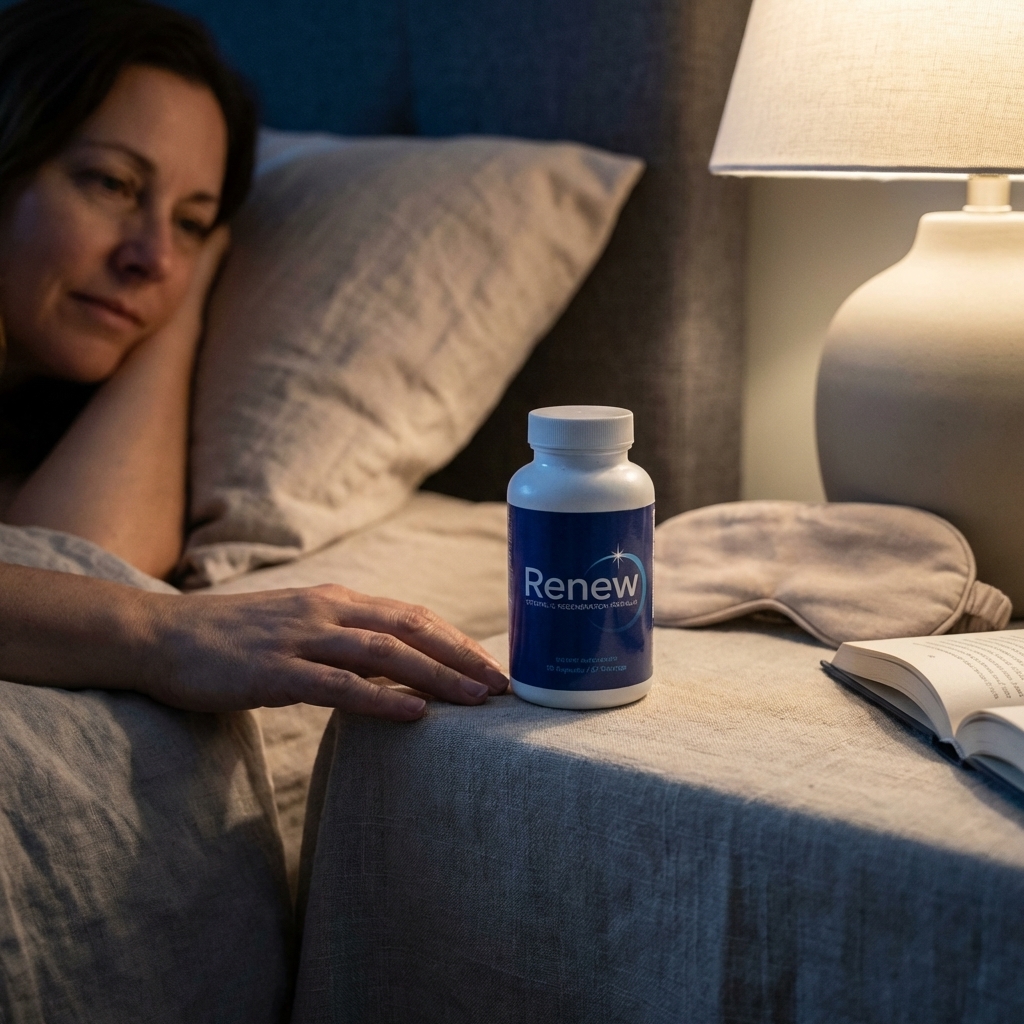
Keep the product decision separate from the health decision. A product can be optional even when a symptom deserves evaluation.
When should fatigue or slow recovery be medically evaluated?
Arrange medical care when fatigue or reduced recovery persists, worsens, disrupts work or driving, or occurs with unexplained weight change, fever, bleeding, significant pain, or new neurological symptoms. Seek urgent care for chest pain, severe shortness of breath, fainting, sudden weakness, or other severe or rapidly developing symptoms.
Bring a list of medications and supplements, sleep patterns, diet changes, and the timing of symptoms. A clinician may consider sleep disorders, anemia, thyroid problems, medication effects, infection, mood conditions, nutrient deficiencies, or other causes. Adding several products at once can make that assessment harder.
What is the simplest cellular health plan?
- Choose varied foods and enough protein for your needs.
- Build regular aerobic and strength activity at an appropriate level.
- Protect sleep opportunity and seek help for persistent sleep problems.
- Avoid tobacco and protect skin from excessive ultraviolet exposure.
- Use supplements for a defined reason, with a clear dose and safety check.
- Track function and symptoms rather than expecting a vague anti-aging feeling.
The best supplements for cellular repair are not necessarily the longest formulas. They are the ones that address a real need, have evidence relevant to that need, and fit safely beside the daily behaviors that support health. If the goal is still vague, clarify it before buying another bottle.
Written by Elias Menden for IyoMend. This educational article is based on source review and is not medical advice.