Three months ago, I stood in my bathroom mirror examining another wave of breakouts along my jawline, the kind that felt tender to touch and seemed to appear overnight. My diet looked pristine on paper — organic vegetables, lean proteins, homemade everything. I’d eliminated the obvious suspects years ago: dairy, gluten, processed sugar. Yet my skin continued its unpredictable dance between clarity and chaos, often accompanied by that familiar bloated feeling that made my favorite jeans uncomfortable by evening.
The turning point came during a conversation with my neighbor, who mentioned how her persistent rosacea had calmed after she started paying attention to what she called “stealth inflammation” — the hidden triggers lurking in foods that seemed perfectly healthy. That phrase stuck with me. Stealth inflammation. It made sense that if my skin was reflecting internal turmoil, perhaps I needed to look deeper than the obvious dietary villains.
What I discovered changed not just my skin, but my entire relationship with how inflammation moves through the body.
The connection between gut health and skin clarity became impossible to ignore once I understood which seemingly innocent foods were quietly stoking the fire.
The Vegetable Oil Masquerade
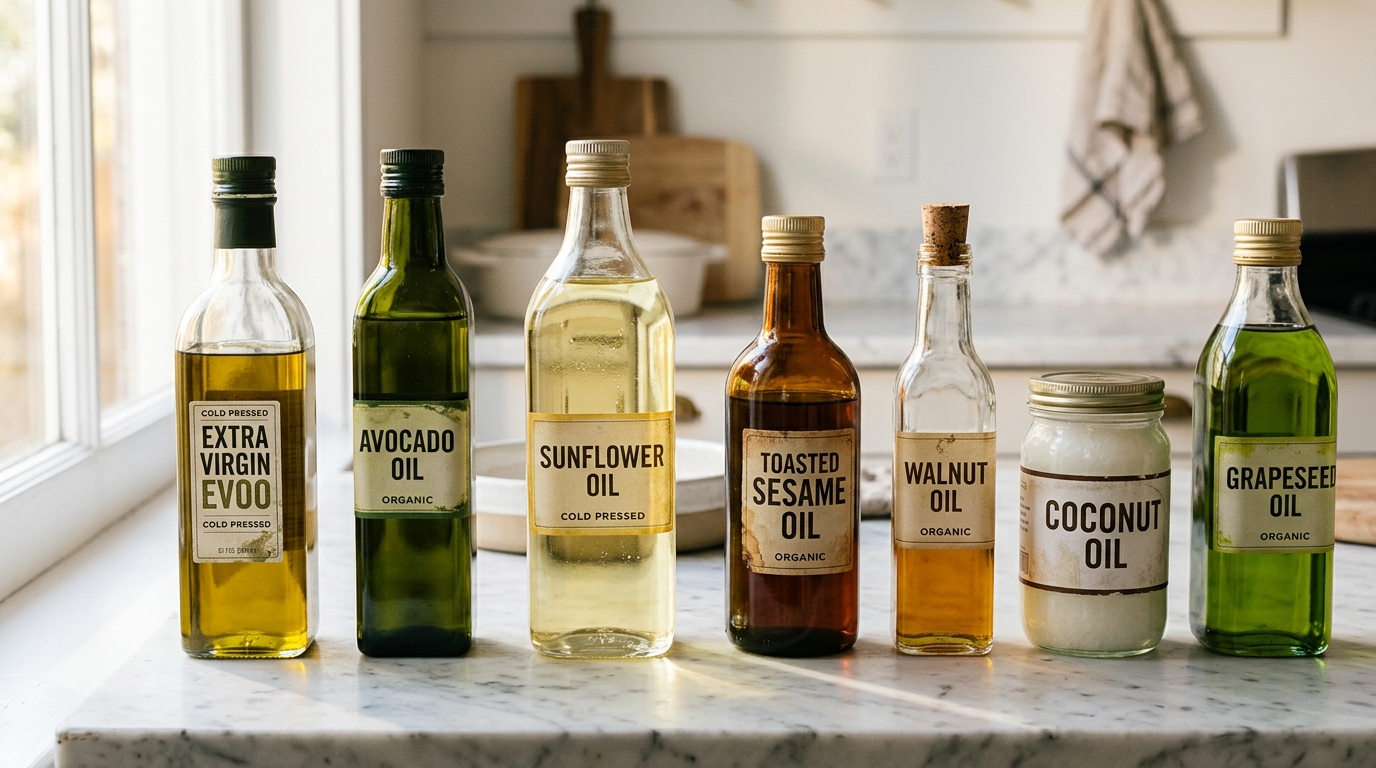
The first revelation arrived when I started reading ingredient lists on items I’d considered safe. That organic salad dressing I loved? Sunflower oil was the second ingredient. The “healthy” crackers I paired with hummus? Safflower oil. The pre-made pesto I grabbed for quick weeknight dinners? Soybean oil lurked there too, even in the expensive, small-batch varieties.
These oils — corn, soy, sunflower, safflower, canola — are loaded with omega-6 fatty acids that can trigger inflammatory pathways when consumed in excess. The modern Western diet typically delivers a 20:1 ratio of omega-6 to omega-3 fatty acids, when our bodies function optimally with something closer to 4:1. Every time I drizzled that “clean” salad dressing or snacked on those artisanal crackers, I was unknowingly feeding a low-grade inflammatory response that my skin faithfully reflected back to me.
The shift started small. I began making my own dressings with olive oil and lemon. I found crackers made with olive oil instead of seed oils, even though they cost twice as much.
Within two weeks, the background redness around my nose had noticeably dimmed.
Ready to discover what your skin is trying to tell you?
Sugar’s Sneaky Siblings

Eliminating obvious sugar felt like a victory, but I was still consuming plenty of foods that behaved like sugar in my body. Dates in my morning smoothie, brown rice syrup in granola bars, agave nectar drizzled over yogurt — these natural sweeteners still triggered insulin spikes and inflammatory cascades, just with better marketing. Even my beloved sweet potatoes, eaten too frequently and in large portions, were contributing to blood sugar roller coasters that left me reaching for more food an hour later and dealing with skin that looked puffy and inflamed by afternoon.
I started treating all sweeteners — natural or otherwise — as occasional treats rather than daily staples. Sweet potatoes became a twice-weekly pleasure instead of a daily default. The smoothie got rebuilt around protein powder, leafy greens, and half a banana instead of dates and tropical fruits.
The change in my energy stability was immediate, but the skin improvements took about three weeks to show up. When they did, it was unmistakable: less morning puffiness, fewer surprise breakouts, a general sense that my face wasn’t constantly reacting to something.
Your digestive system deserves the support it needs to heal properly.
The Nightshade Nuance
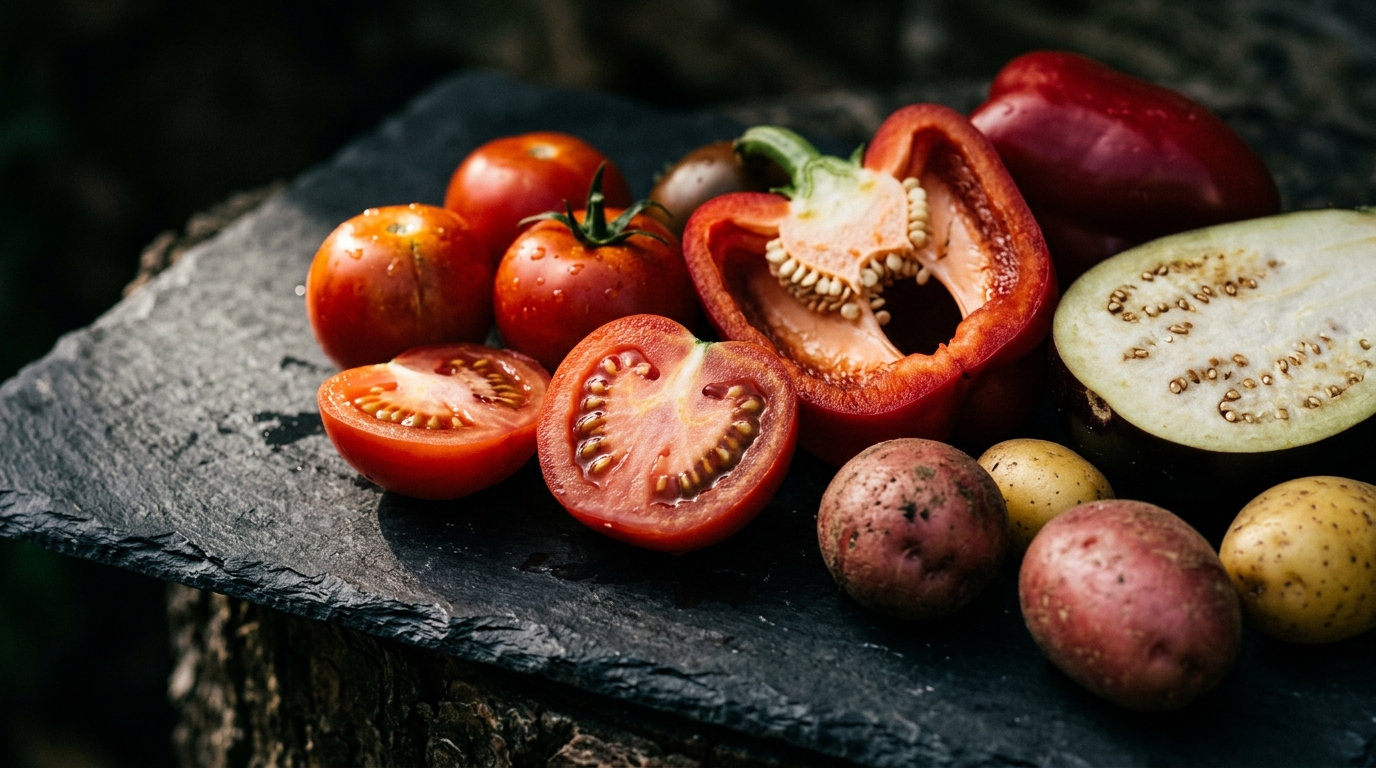
Tomatoes, peppers, eggplant, potatoes — the nightshade family occupies a complicated space in the inflammation conversation. For some people, these foods are perfectly benign. For others, they contain compounds called alkaloids that can trigger joint pain, digestive upset, and yes, skin inflammation. The tricky part is that sensitivity can be subtle and delayed, making it difficult to connect cause and effect.
I noticed the pattern during a week when I’d been eating a lot of homemade salsa — fresh tomatoes, bell peppers, all seemingly virtuous ingredients. By the fourth day, my skin looked irritated in a way I couldn’t attribute to hormones or sleep or stress.
Testing nightshade sensitivity requires patience. I removed them completely for three weeks, then reintroduced them one at a time. Tomatoes and white potatoes were clear triggers; bell peppers and eggplant seemed fine in moderation. This wasn’t about demonizing entire food groups, but rather developing a more nuanced understanding of how my particular body processed certain compounds.
Stop guessing and start addressing inflammation at its source.
Lectin Overload

Beans and legumes had always been my protein heroes — affordable, versatile, supposedly anti-inflammatory. But eating them daily, often inadequately prepared, was contributing to digestive irritation that manifested as skin problems. Lectins, the protective compounds in beans, grains, and some vegetables, can irritate the gut lining in sensitive individuals, leading to increased intestinal permeability and systemic inflammation.
The solution wasn’t eliminating legumes entirely, but preparing them more thoughtfully. Soaking dried beans overnight, pressure cooking them thoroughly, and spacing out legume-heavy meals gave my digestive system room to process these foods without triggering inflammatory responses.
This adjustment required more meal planning, but the results spoke clearly through my skin. The persistent low-level bloating that I’d accepted as normal disappeared, along with the small bumps that used to appear along my hairline after bean-heavy meals.
Transform your relationship with food and watch your skin respond.
When Your Gut Needs More Support

Identifying and removing inflammatory triggers was crucial, but I realized my digestive system needed active healing support after years of exposure to irritating compounds. The gut lining, compromised by inflammatory foods, needed specific nutrients to repair itself and restore proper barrier function. This is where targeted digestive support became essential — not just removing the harmful elements, but actively rebuilding digestive health from the inside out.
The transformation in my skin’s behavior became most obvious during this healing phase.
Products that support gut integrity, reduce digestive inflammation, and promote healthy bacterial balance create an internal environment where skin can finally settle into its natural rhythm. When digestion works smoothly, when nutrients are properly absorbed, when inflammation is managed at its source, the skin stops having to work overtime to process and eliminate irritants.
This internal approach to skin health felt like finally addressing the root instead of constantly managing symptoms.
Heal From Within
When your gut needs active repair, targeted support makes all the difference.
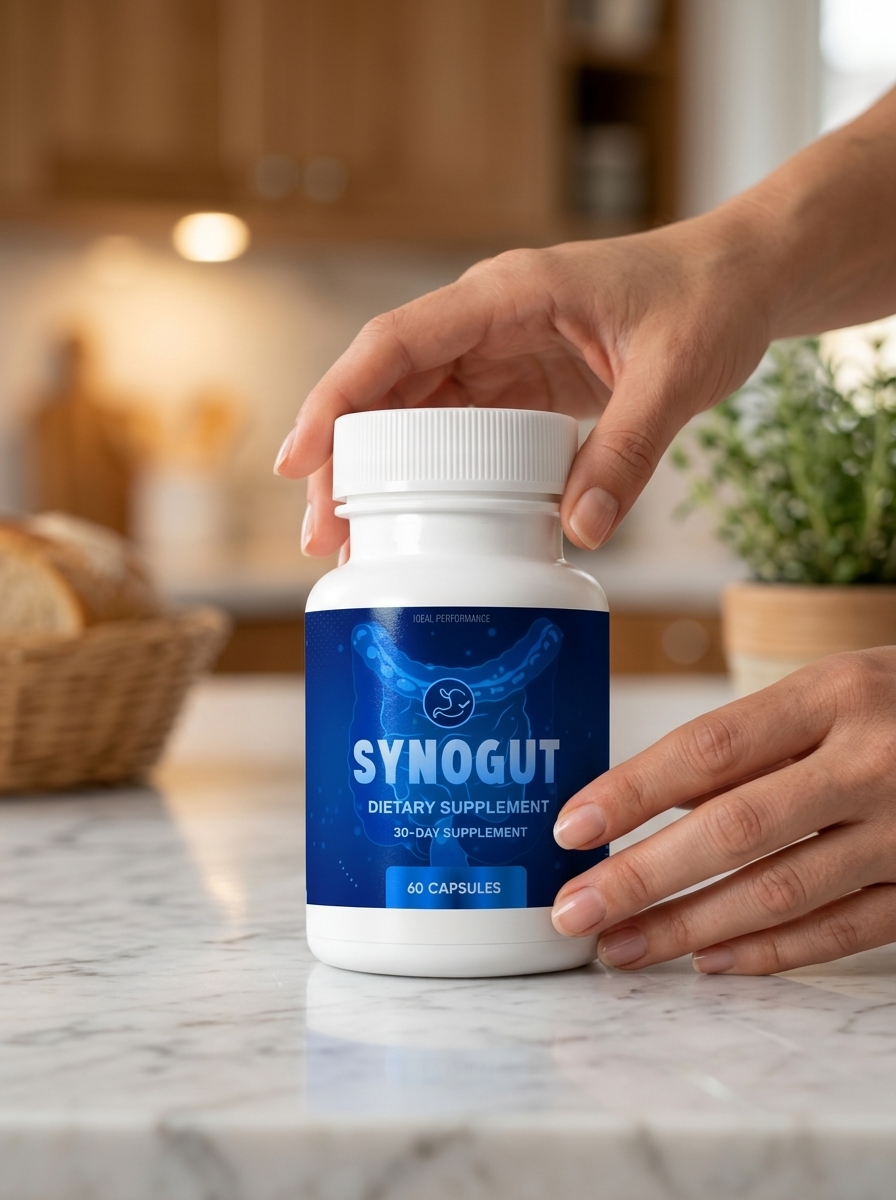
Your digestive system requires specific nutrients to rebuild after inflammatory damage. SynoGut provides comprehensive support for gut lining repair, healthy bacterial balance, and reduced internal inflammation. Address skin issues at their source with ingredients that restore digestive harmony and support your body’s natural healing processes.
- ✓ Gut barrier strength you can feel
- ✓ Digestive calm that shows in your skin
- ✓ Internal healing that radiates outward
The Histamine Connection

Some of the healthiest foods in my diet were triggering histamine responses that showed up as skin flushing, tiny bumps around my temples, and that peculiar itchy feeling that seemed to come from beneath the surface. Aged cheeses, fermented vegetables, leftover proteins, even spinach and avocado could flood my system with histamines when my body’s ability to process them was overwhelmed. Histamine intolerance often develops when digestive health is compromised, creating a frustrating cycle where healing foods actually trigger inflammatory responses.
I learned to eat proteins fresh rather than as leftovers, limit fermented foods to small amounts, and avoid combining multiple histamine-rich foods in the same meal. During periods when my skin was particularly reactive, I’d temporarily reduce histamine foods entirely while focusing on digestive healing.
The relief was subtle but consistent. That background feeling of my skin being “buzzy” or reactive calmed down.
Give your body the tools it needs for lasting digestive wellness.
The Timing and Combination Factor
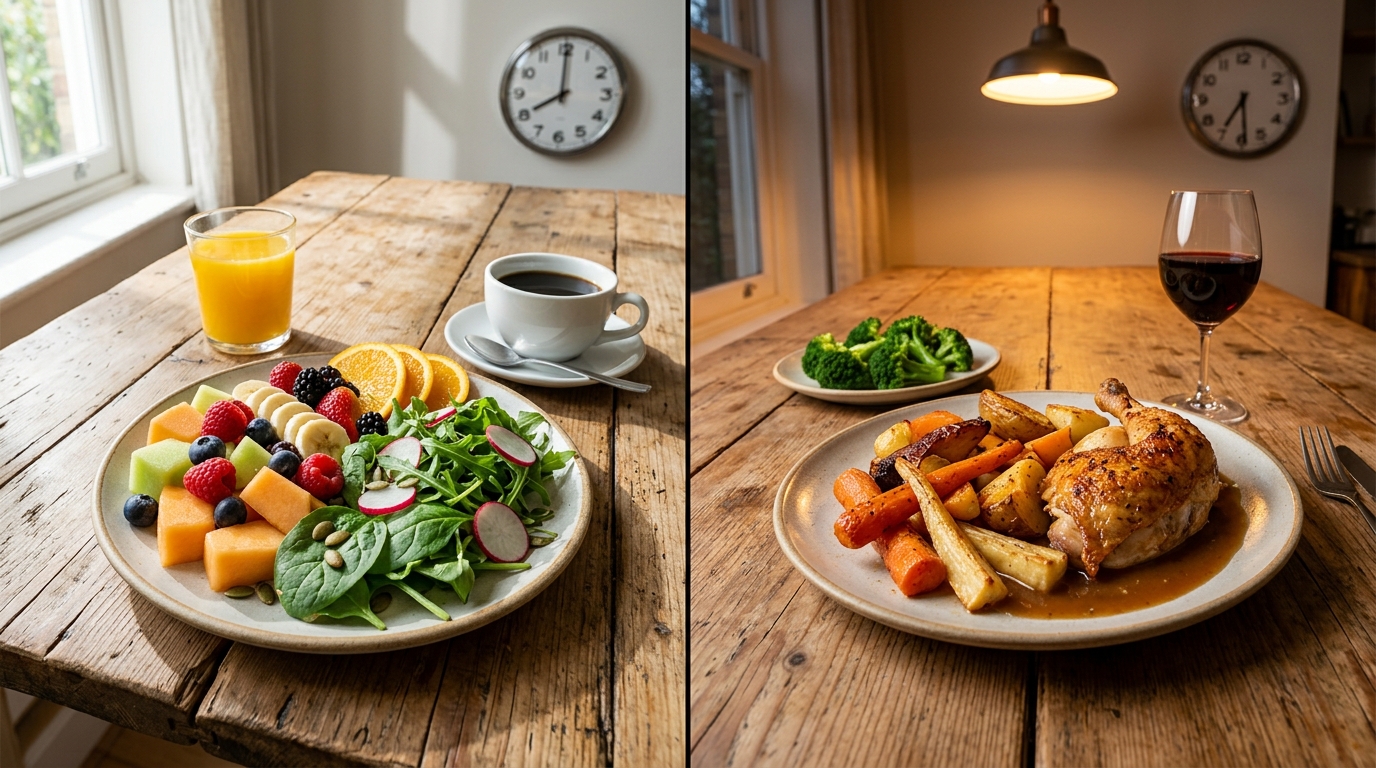
Even foods that were individually fine could become problematic when combined poorly or eaten at the wrong times. Large amounts of fruit eaten with fat and protein created digestive chaos that reliably showed up as skin congestion within 24 hours. Raw vegetables late in the day, when digestive fire naturally wanes, left me bloated and dealing with breakouts along my jawline by the next morning.
I started paying attention to food combining principles — eating fruit alone or before meals rather than as dessert, having raw foods earlier in the day when digestion is strongest, spacing out harder-to-digest combinations. These adjustments required minimal changes to what I was eating, but significant improvements in how I felt and how my skin responded.
The most surprising discovery was how much meal timing affected skin inflammation. Eating my largest meal at midday when digestive capacity peaks, rather than loading up at dinner, reduced the morning puffiness that had been my constant companion.
Experience the confidence that comes from truly understanding your body.
Finding Your Clear Skin Rhythm

Six months into this journey, my relationship with food has become more intuitive and less restrictive, even though I’m paying closer attention to inflammatory triggers. My skin has developed a predictable calmness that feels sustainable rather than fragile. The random breakouts have nearly disappeared, replaced by occasional minor fluctuations that correspond to identifiable triggers — stress, lack of sleep, or the rare indulgence in foods I know don’t serve me.
The glow that everyone talks about isn’t just about the right serums or treatments — it’s the reflection of a body that’s no longer fighting itself.
The most profound shift has been understanding that skin health is an inside job that extends far beyond what we put on our faces. When digestion works efficiently, when inflammation is managed at its source, when the gut barrier is strong and selective, the skin can focus on its job of protection and renewal rather than constantly processing internal irritants.
This approach requires patience and attention, but it offers something that topical treatments never could: the deep satisfaction of addressing problems at their root. When you understand which foods serve your unique body and which ones create hidden inflammation, you can make choices that support not just clear skin, but sustained energy, comfortable digestion, and that quiet confidence that comes from feeling truly well from the inside out.
Written by Liora Menden — for those who seek inner radiance
Ready to feel the difference this formula makes?