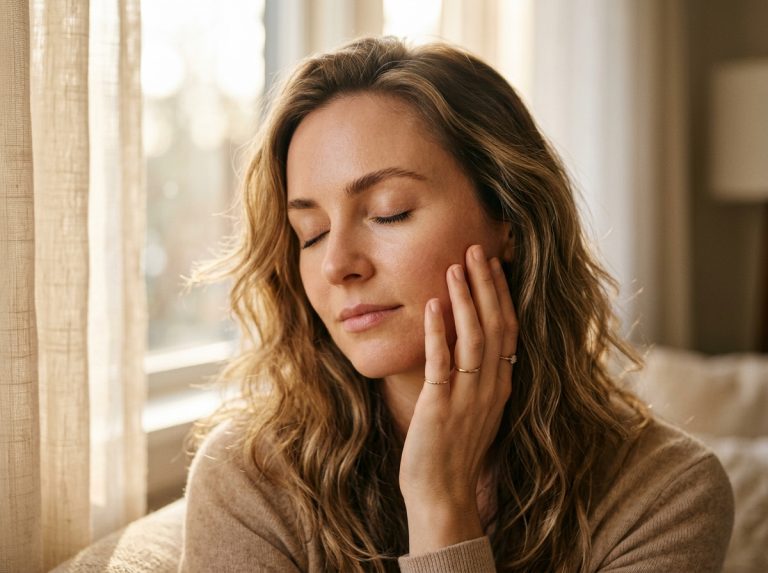
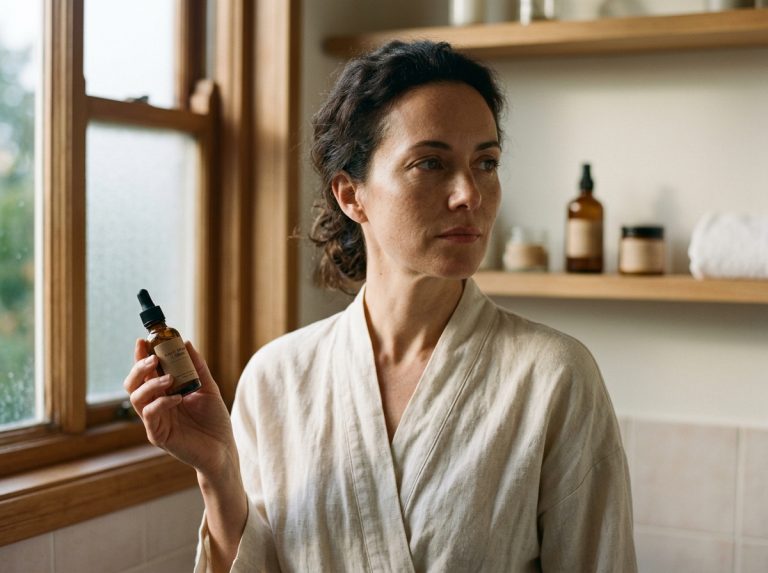
I used to be the woman who fell asleep the moment my head touched the pillow. For thirty-nine years, sleep was this reliable friend who showed up right on schedule, wrapped me in quiet darkness, and delivered me to morning feeling human again.
Then something shifted around forty-two. Not all at once—that would have been easier to notice. Instead, it was like watching a favorite sweater slowly unravel. First, it took me an extra ten minutes to drift off. Then twenty. Then I’d wake at 2 AM with my heart racing for no reason, sheets damp with sweat I couldn’t explain.
The doctor called it perimenopause, as if naming it would somehow make the 4 AM ceiling-staring sessions more bearable.
“Your hormones are fluctuating,” she said, like that explained why my body had suddenly forgotten how to do the one thing it had mastered decades ago. What she didn’t tell me was how lonely those middle-of-the-night hours would become, or how exhaustion would start coloring every conversation, every decision, every quiet moment with my own thoughts.
When Your Body Forgets Its Own Rhythms
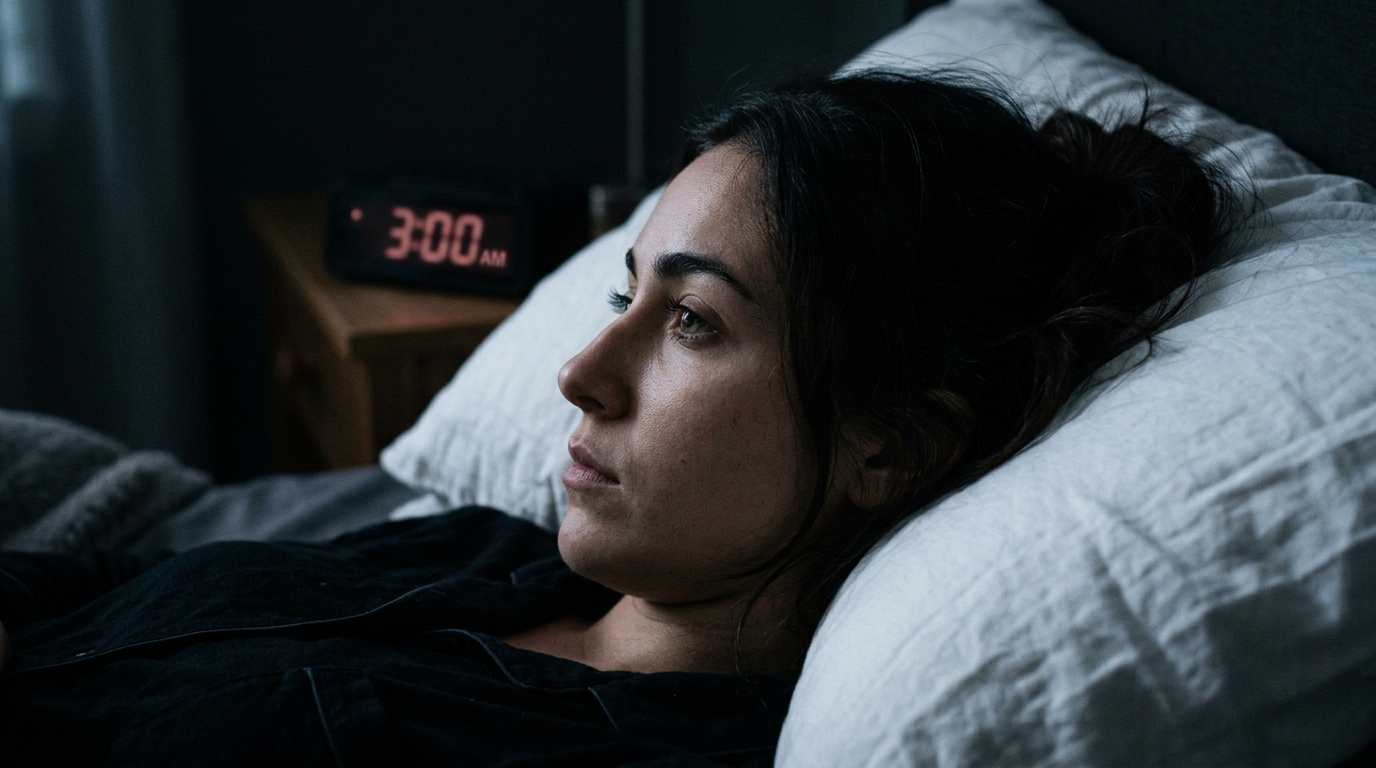
The hot flashes were the obvious culprit—those sudden waves of heat that turned my comfortable bedroom into a furnace. But even on nights when I stayed cool, sleep felt elusive. It was as if my internal clock had been reset by someone who didn’t know how I actually lived. I’d lie there listening to my husband’s steady breathing, envious of how easily he slipped into rest.
My mind would start cataloging tomorrow’s tasks, replaying conversations from the day, worrying about things that seemed manageable in daylight but loomed enormous at 3 AM. The harder I tried to sleep, the more awake I became.
What I didn’t understand then was that perimenopause doesn’t just steal sleep—it reorganizes your entire relationship with rest. Estrogen and progesterone, the hormones that once helped regulate my sleep cycles, were now fluctuating wildly. Some nights they’d plummet, leaving me wired and restless. Other nights they’d spike, bringing vivid dreams and frequent wake-ups.
Sleep became something I had to earn rather than something that naturally arrived.
Ready to work with your changing hormones instead of against them?
The Cascade of Tired Days

Poor sleep doesn’t stay contained to nighttime hours. It seeps into everything. I’d wake feeling like I’d run a marathon in my sleep, reach for coffee before my feet hit the floor, and spend the day moving through a fog that made simple tasks feel monumental. My patience thinned. My focus scattered.
Conversations required more effort, and I found myself forgetting words mid-sentence. The afternoon energy crash that used to be manageable now felt like falling off a cliff. By evening, I’d be simultaneously exhausted and anxious about another night of potential sleeplessness.
Friends would suggest the usual remedies—lavender tea, meditation apps, cutting caffeine. I tried them all. Some helped marginally, but nothing addressed the root cause: hormones that were rewriting the rules of my body without consulting me first.
Discover what happens when your body gets the support it needs.
The Weight of Accumulated Exhaustion
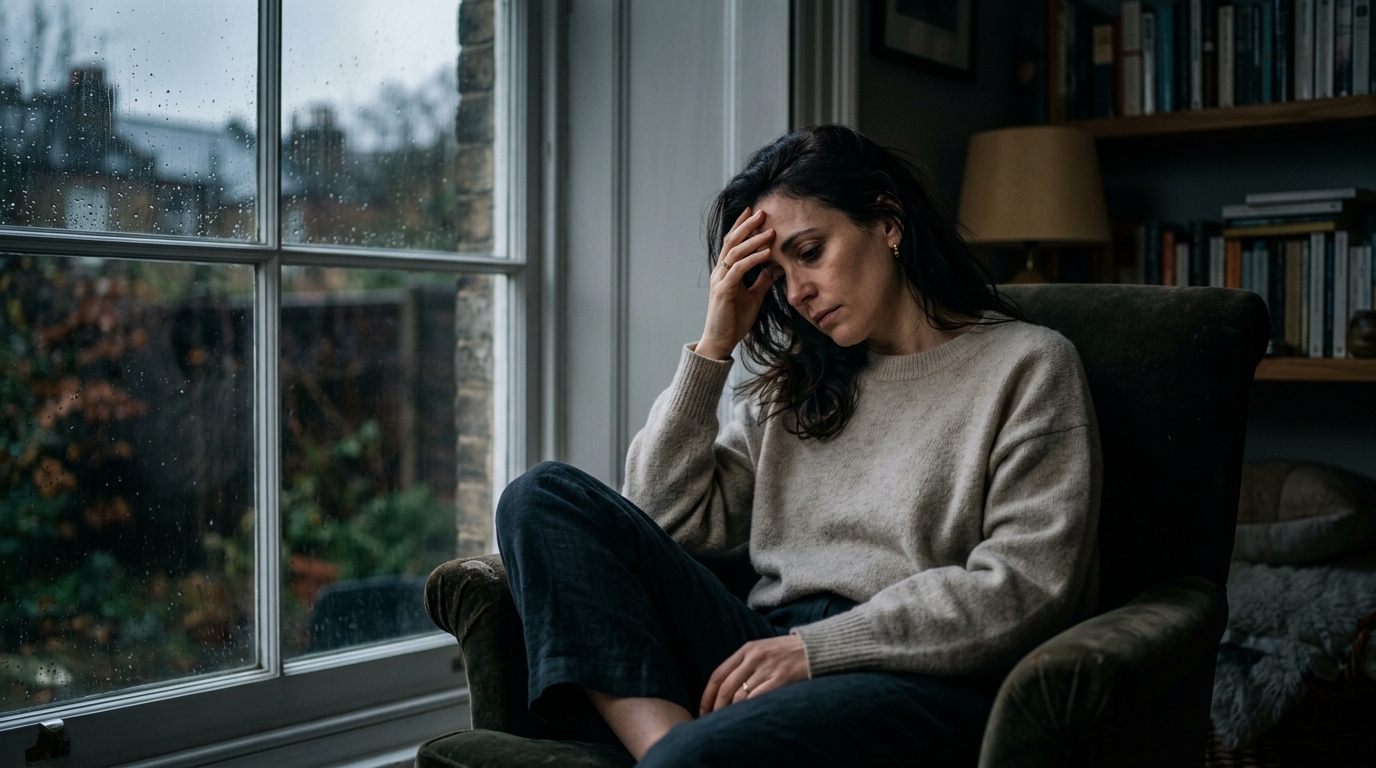
After months of broken sleep, I realized I was grieving. Grieving the woman who used to wake up refreshed, who had energy for evening plans, who didn’t need to strategically plan her day around inevitable fatigue. I was mourning a version of myself that felt increasingly distant. The exhaustion became cumulative.
Each poor night built on the last until I felt like I was carrying the weight of dozens of incomplete rest cycles. My body ached in ways that had nothing to do with physical activity. My skin looked dull. Even my hair seemed tired.
I started declining invitations, not because I didn’t want to see people, but because I couldn’t predict whether I’d have the energy to be present.
Social gatherings felt like performances I wasn’t sure I could pull off. The simple act of being myself required more effort than it used to.
You don’t have to accept sleepless nights as your new normal.
When Sleep Aids Felt Like Band-Aids
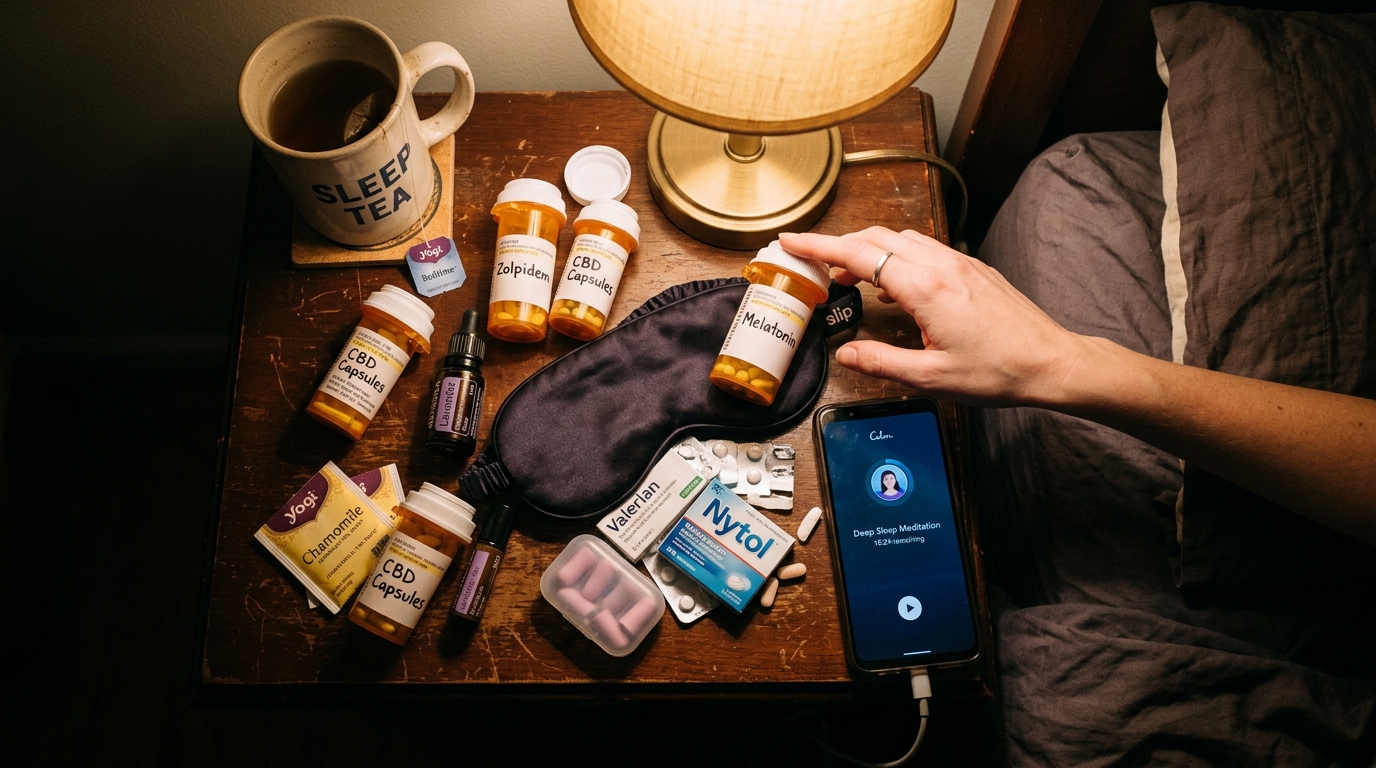
Desperate for relief, I tried everything the internet suggested. Melatonin left me groggy the next day. Sleep masks and blackout curtains helped marginally. White noise machines became background static to my restlessness. Prescription sleep aids made me feel disconnected from my own body, like I was borrowing someone else’s sleep rather than reclaiming my own.
The problem with most sleep solutions is they treat the symptom—the inability to fall or stay asleep—without addressing what was actually happening inside my body. My hormones were in flux, creating a ripple effect that touched everything from my core temperature regulation to my stress response system.
I needed something that would work with my body’s changing chemistry, not against it. Something that understood that perimenopause isn’t just a phase to endure but a transition that requires different kinds of support.
Experience the difference targeted hormonal support can make for sleep.
The Search for Something That Actually Worked

It was during one of those late-night research sessions—ironic, I know—that I discovered how much perimenopause specifically disrupts sleep architecture. The declining estrogen affects temperature regulation, mood stability, and the production of other sleep-supporting hormones. Progesterone, which has natural calming properties, becomes erratic. Even cortisol patterns shift, making it harder to wind down in the evening.
Understanding the science helped, but I still needed a practical solution. That’s when I learned about MenoRescue, a supplement designed specifically for women navigating menopause and perimenopause. Unlike general sleep aids, it was formulated to address the hormonal fluctuations that were at the root of my sleep struggles.
What caught my attention wasn’t just the ingredients—though the blend of hormone-supporting nutrients made sense—but the approach. Instead of forcing sleep, it worked to restore balance to the systems that had been disrupted by my changing hormones. It felt like the first solution that actually understood what my body was going through.
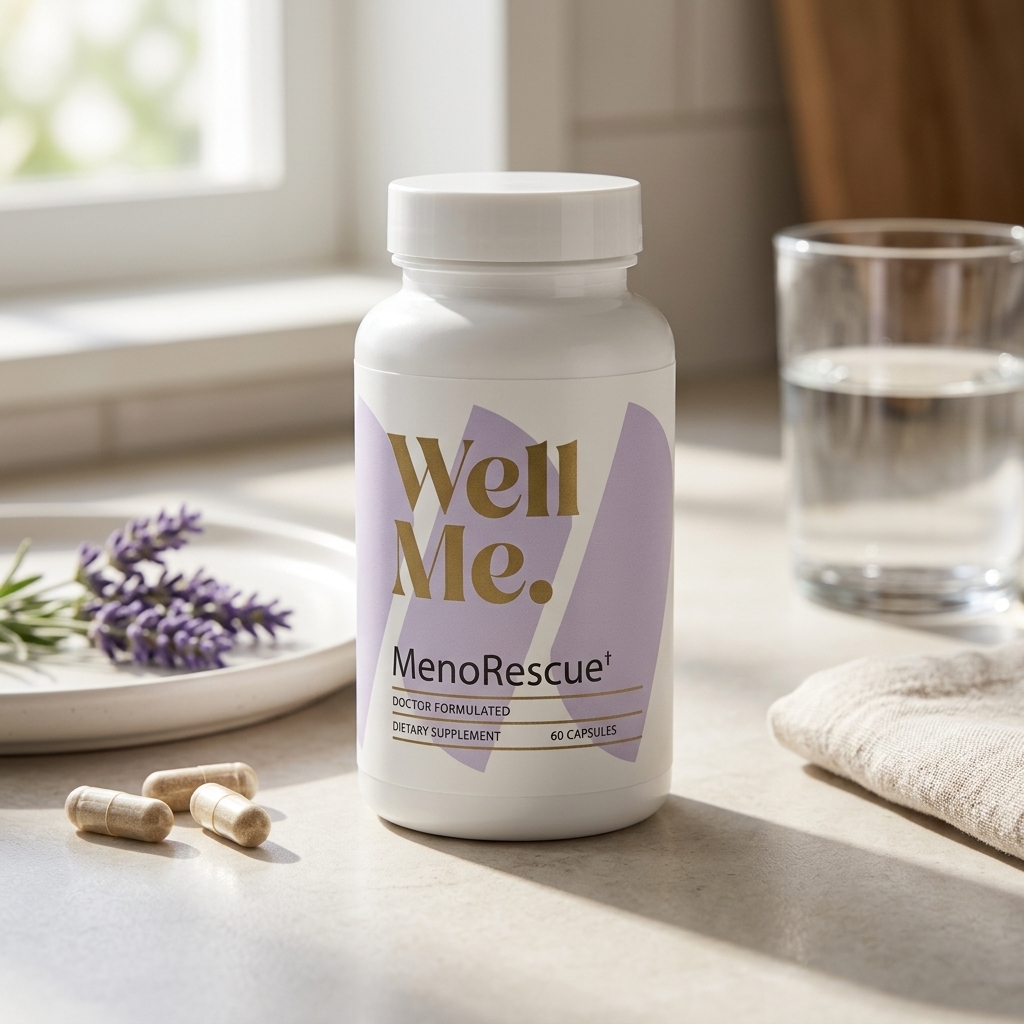
Sleep Through The Changes
Finally, a solution that understands what your changing hormones need for rest.
MenoRescue works with your body’s natural rhythms during perimenopause, addressing the hormonal fluctuations that disrupt sleep. Unlike general sleep aids, it’s specifically formulated to restore balance to the systems affected by declining estrogen and erratic progesterone. Experience the gradual return to restorative sleep.
- ✓ Hormone fluctuations feel more manageable
- ✓ Hot flashes less likely to wake you
- ✓ Mind feels quieter in the evening
The Gradual Return to Rest
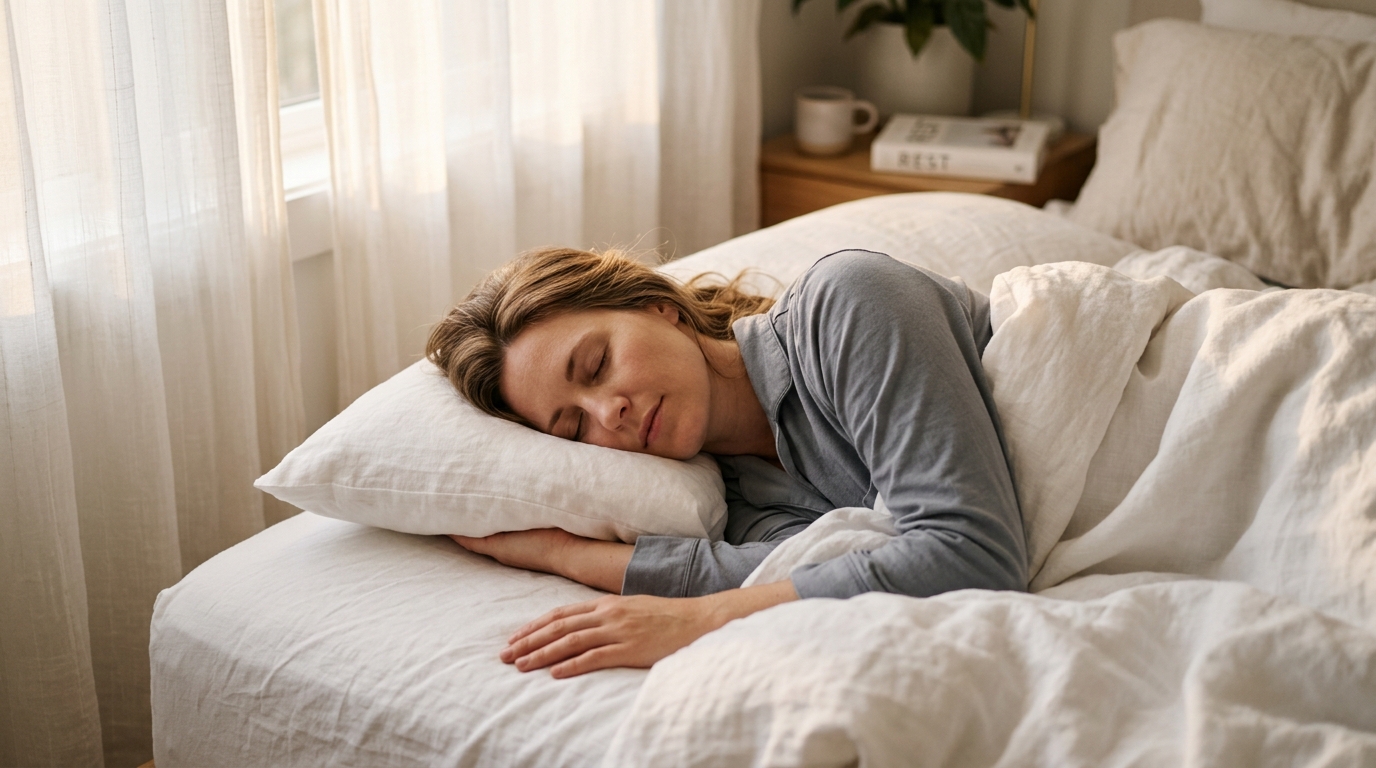
The changes didn’t happen overnight, which somehow made them feel more trustworthy. During the first week, I noticed the hot flashes becoming less intense. Not gone, but manageable. I could sleep through some of them instead of jolting awake every time my temperature spiked. By the second week, falling asleep became easier.
Not effortless like it used to be, but I wasn’t lying awake for hours analyzing every sound in the house. My mind felt quieter in the evening, less prone to the anxious spinning that had become so familiar.
The most significant change came around week three. I started sleeping through the night more consistently. Not every night—perimenopause doesn’t disappear completely—but often enough that I began to feel human again. I’d wake feeling like I’d actually rested, rather than like I’d been fighting battles in my sleep.
Give your body the tools it needs to find rest again.
What Good Sleep Gave Back

With better sleep came a version of myself I’d thought was gone for good. My patience returned first—conversations with my family became easier, less fraught with the irritability that exhaustion breeds. Then came mental clarity. I could focus on work projects without feeling like I was thinking through fog. My energy became more predictable.
Instead of the dramatic crashes that had defined my afternoons, I experienced a more sustainable rhythm throughout the day. Evening plans stopped feeling like insurmountable challenges. I could be present with friends without constantly calculating whether I had enough energy left for genuine engagement.
Even my relationship with the evening hours shifted. Instead of dreading bedtime because of the potential for another sleepless night, I began to look forward to the ritual of winding down.
My bedroom stopped feeling like a battleground and became, once again, a place of rest.
Your sleep struggles deserve a solution designed for this chapter.
Sleep as Self-Care in a New Chapter
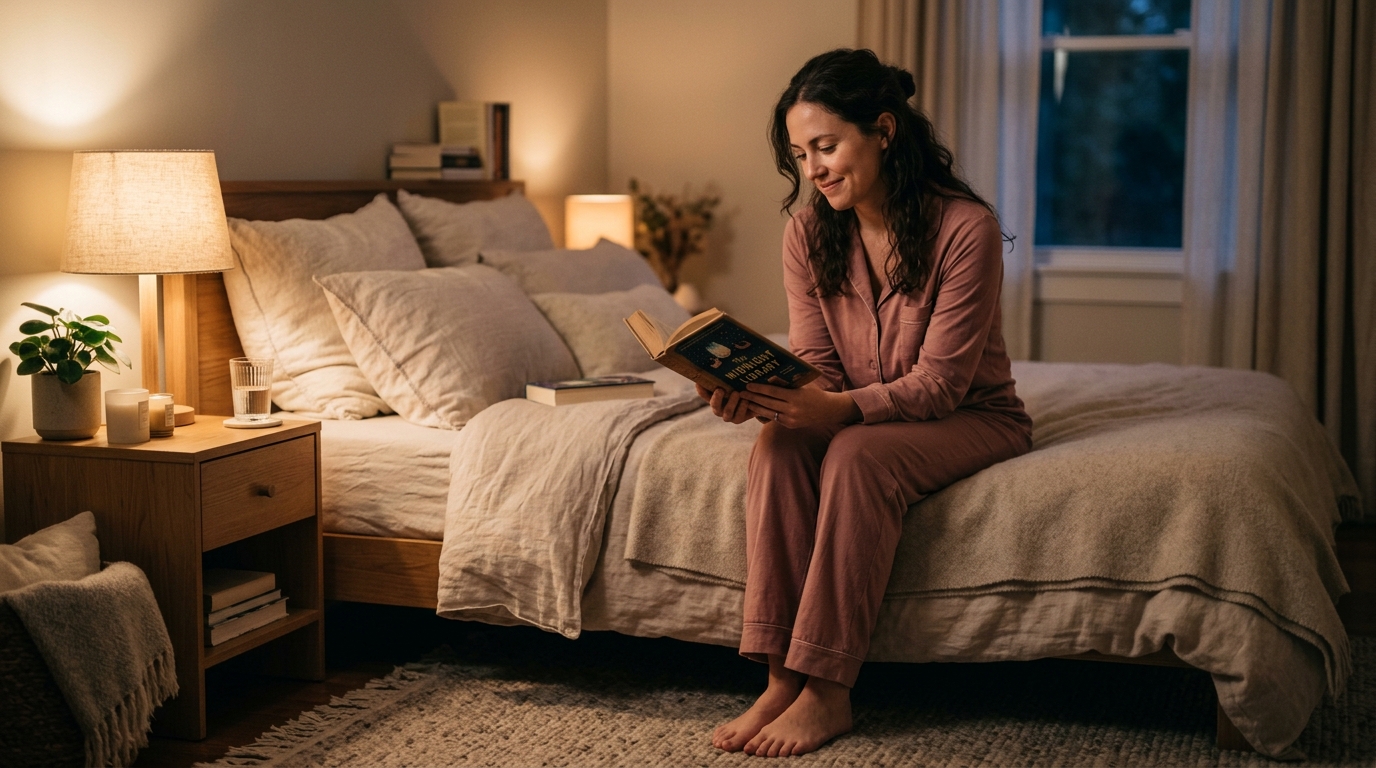
Now, several months later, I understand that perimenopause asked me to redefine my relationship with sleep. It’s no longer the effortless gift it was in my thirties, but it doesn’t have to be the nightly struggle it became in my early forties either. With the right support, it can be something more intentional—a form of self-care that acknowledges where my body is now, not where it used to be.
I still have occasional restless nights. Perimenopause isn’t a switch that turns off completely. But they’re exceptions now rather than the rule. Most nights, I sleep deeply enough to dream, wake feeling restored, and move through my days with the energy that used to feel like a luxury. The woman who falls asleep easily hasn’t disappeared—she just needed different kinds of support to show up again.
Sleep, I’ve learned, isn’t just about closing your eyes and hoping for the best. Sometimes it requires understanding what your body needs in this particular chapter and giving it the tools to find its way back to rest.
Written by Liora Menden — for those who seek rest
Ready to feel the difference this formula makes?