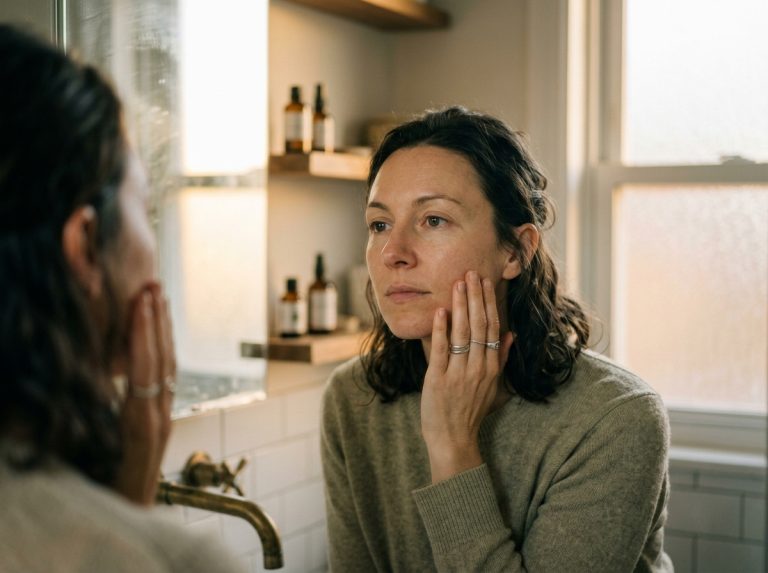
Three AM used to be my favorite hour. Not because I was awake by choice, but because the world felt honest then — stripped of its daytime performance, quiet enough to hear my own thoughts without interruption. I’d lie there, mind humming with ideas while my husband slept soundly beside me, wondering why my body seemed wired backward from everyone else’s.
For years, I forced myself into schedules that felt like wearing clothes that didn’t fit. Early meetings left me foggy until noon. Evening social plans had me yawning by eight. I assumed I was just bad at sleep, another thing to fix about myself with discipline and better habits.
Then I learned about chronotypes — the internal biological clocks that govern when our bodies naturally want to sleep, wake, and feel most alert. Understanding mine didn’t just change my nights; it transformed how I moved through my days, and what kind of rest I actually needed to feel restored.
The Four Sleep Personalities Your Body Recognizes
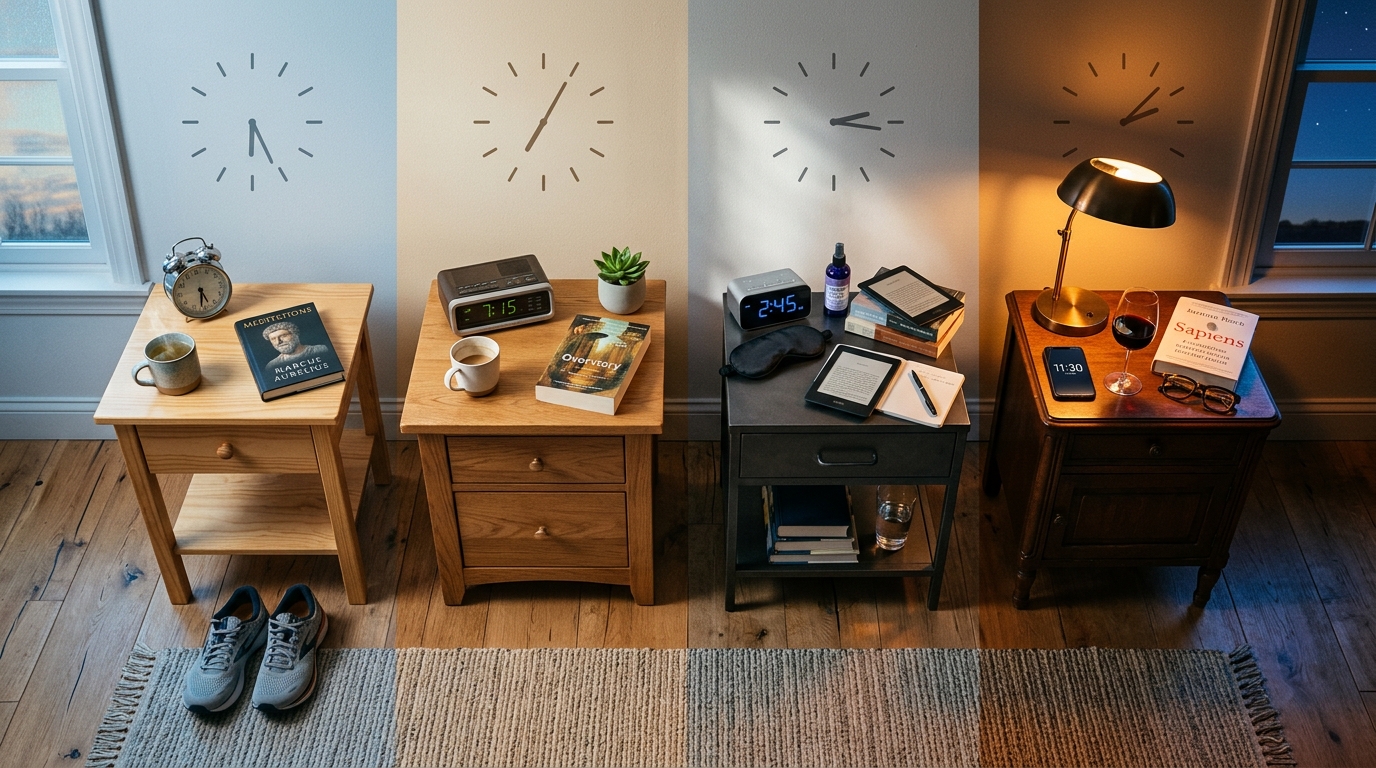
Your chronotype isn’t a preference you developed — it’s written in your DNA, influenced by the same genes that control your circadian rhythms. Most people fall into one of four patterns, each with its own natural peak times for energy, creativity, and deep sleep.
Lions wake early and naturally, feeling energized as soon as their feet hit the floor. They’re the ones hosting breakfast meetings and finishing workouts before most people check their phones. Their energy peaks in the morning, then gradually declines, making early bedtimes feel natural rather than forced.
Bears follow the sun’s rhythm most closely, feeling alert when it’s light and sleepy when it’s dark. They represent about 55% of the population — the chronotype most work schedules assume everyone has. Their energy stays relatively steady throughout the day with a small dip after lunch.
Wolves are the night people, feeling most creative and alert in the evening hours. They’re naturally wired to stay up late and sleep in, often struggling with early morning commitments but thriving in jobs that accommodate their later schedule. Their deepest sleep happens in the early morning hours.
Dolphins are the light sleepers, often anxious and perfectionist, with sleep patterns that can be easily disrupted. They tend to wake frequently during the night and may feel tired even after what should be adequate rest.
Ready to discover what restorative sleep feels like?
Why I Spent Years Fighting My Own Biology
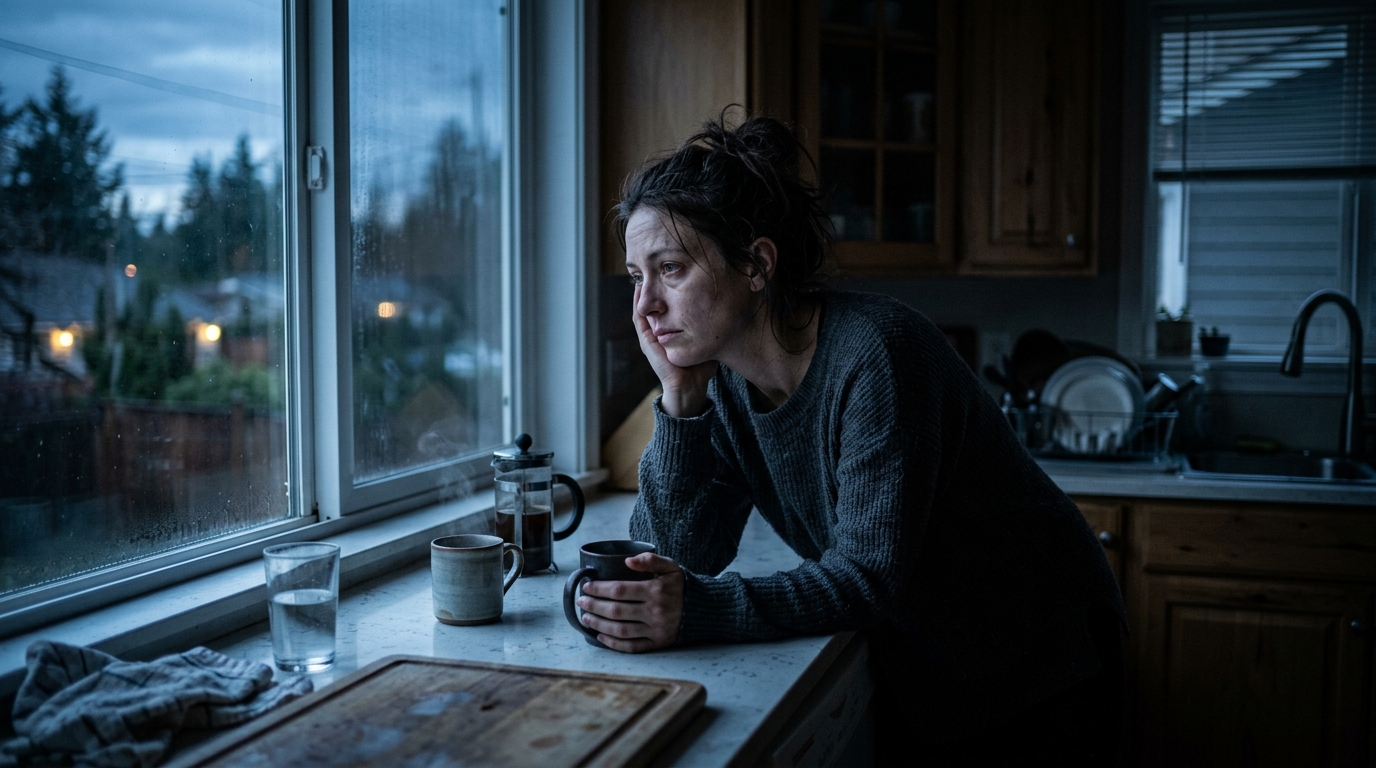
I was clearly a wolf trying to live like a lion. Every morning felt like swimming upstream, forcing alertness when my body wanted to stay in that soft, drowsy state. I’d drink coffee before I was even fully conscious, hoping caffeine could override what felt like a fundamental mismatch between my internal clock and the world’s expectations.
The worst part wasn’t the morning struggle — it was the evening guilt. When I finally felt energized around 9 PM, ready to tackle creative projects or have meaningful conversations, I’d force myself toward bed because “healthy people” were supposed to be winding down.
I was essentially interrupting my most productive hours to chase a sleep schedule that never felt natural.
This constant override created a cycle of poor sleep quality. I’d lie in bed at 10 PM, mind active, body restless, then wake up groggy from sleep that never felt complete. My body was trying to sleep during what were naturally my alert hours, then trying to be alert during what should have been my deepest rest time.
Transform your nights with natural sleep support
The Moment Everything Clicked Into Place

The shift happened during a particularly difficult period when I stopped fighting my natural rhythms out of exhaustion rather than wisdom. I had a project deadline that required late-night work, and for the first time in years, I leaned into my evening energy instead of forcing morning productivity.
Those late hours felt different — focused, creative, alive in a way I hadn’t experienced during daytime work sessions. My mind was sharp without effort, ideas flowing naturally. When I finally went to bed around midnight, I fell asleep quickly and woke up feeling genuinely rested.
It was like discovering I’d been trying to write with my non-dominant hand for decades.
Stop fighting your biology and start honoring it
What Happens When You Honor Your Sleep Blueprint

Working with my chronotype instead of against it changed more than just my sleep quality. My afternoon energy slumps disappeared because I wasn’t trying to peak at 7 AM when my body wanted to gradually warm up. Evening conversations became richer because I wasn’t fighting fatigue during naturally alert hours. But the most significant change was in my sleep architecture — the actual structure and depth of my rest.
When I went to bed closer to my natural bedtime and woke up within my optimal window, I started experiencing the deep, restorative sleep phases my body had been missing.
Sleep isn’t just about duration; it’s about quality and timing. The same eight hours can feel completely different depending on when they align with your chronotype. My body finally had permission to follow its own rhythm, and the restoration that followed was remarkable.
Experience the difference truly restorative sleep makes
The Science of Sleep That Actually Restores

Deep sleep is when your body performs its most critical maintenance — consolidating memories, repairing tissues, balancing hormones, and clearing metabolic waste from your brain. But this restorative process only happens effectively when your sleep aligns with your natural circadian patterns.
When you fight your chronotype, you may get the same amount of sleep, but you miss the optimal windows for these restoration processes. Your body tries to repair during light sleep phases or gets interrupted during the deep cycles it needs most.
This is why some people can sleep for nine hours and still wake up tired, while others feel refreshed after seven. It’s not just about the quantity — it’s about syncing with your biology to access the sleep that actually heals and restores.

Deep Sleep That Actually Restores
Support your body’s natural repair cycles with restorative sleep.
Resurge works with your chronotype to enhance deep sleep phases when your body performs critical restoration. The natural blend supports growth hormone production and cellular repair, helping you wake refreshed regardless of your sleep personality. Experience the difference of truly restorative rest.
- ✓ Deeper, more restorative sleep cycles
- ✓ Enhanced natural repair processes
- ✓ Wake feeling genuinely refreshed
Supporting Your Natural Sleep Architecture

Once I understood my chronotype, I wanted to maximize the restorative quality of whatever sleep window worked best for my body. That’s when I discovered Resurge, a supplement designed to support deep sleep and the natural repair processes that happen during rest.
What drew me to Resurge wasn’t just its sleep support, but how it worked with natural sleep architecture rather than forcing it. The blend of ingredients supports the body’s own production of growth hormone during sleep — the hormone responsible for cellular repair, metabolism, and restoration.
Taking Resurge about an hour before my optimal bedtime (which for my wolf chronotype is around 11 PM rather than 9 PM) helped me sink into deeper, more restorative sleep cycles. I wasn’t changing when I slept, but I was supporting how well my body could use those hours for healing.
Your body knows when it needs rest
How to Discover Your Own Sleep Rhythm

Finding your chronotype starts with honest observation of your natural patterns, not the schedule you think you should have. For a week, if possible, notice when you naturally feel sleepy without forcing it, when you wake up without an alarm, and what times of day your energy peaks and dips.
Most people discover their chronotype during vacation time when external pressures are minimal. Without work alarms or social obligations, your body will gradually shift toward its preferred rhythm.
You can also notice your appetite patterns — lions tend to be hungry for breakfast immediately, while wolves often skip morning meals and eat larger dinners. Your most creative or productive hours are another clue to your natural alert periods.
Wake up feeling genuinely refreshed and restored
Living in Alignment with Your Sleep Blueprint
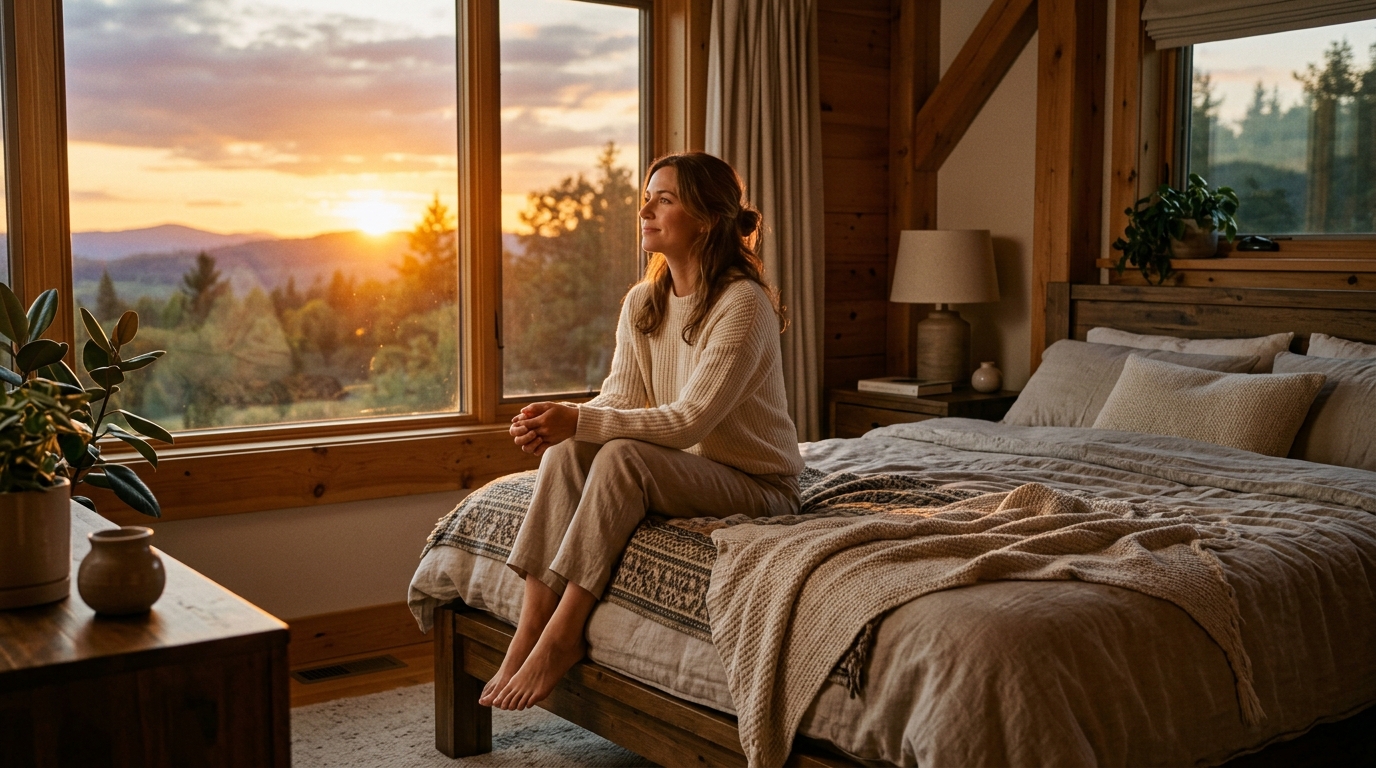
Honoring your chronotype doesn’t mean you can ignore all external schedules, but it does mean finding ways to work with your natural rhythms whenever possible. If you’re a wolf in a lion world, you might negotiate later start times, save creative work for evening hours, or use morning routines that gradually ease you into alertness.
The key is understanding that your chronotype isn’t a limitation — it’s information. When you know your optimal sleep and wake windows, you can structure your most important activities during your natural peak hours and support your body’s preferred rest schedule.
My mornings are still quieter now, but they’re no longer a battle. I wake up when my body is ready, support my natural rhythms with consistent routines, and use supplements like Resurge to ensure the sleep I do get is as restorative as possible.
The relief of finally working with my biology instead of against it has been transformative.
Your body has been trying to tell you when it needs rest and when it’s ready to be alert. Learning to listen to that wisdom, rather than overriding it, might be the most important sleep habit you ever develop.
Written by Liora Menden — for those who seek rest
Ready to feel the difference this formula makes?