If you’re reading this, there’s a good chance you’re tired of catching everything while eating “perfectly.”
That was me last January. Standing at the grocery store salad bar, building another virtuous bowl—spinach, grilled chicken, cherry tomatoes, balsamic vinegar from the spray bottle because the real stuff had too many grams per serving. My cart had the same things it always did: fat-free Greek yogurt, egg whites in the carton, those rice cakes that taste like air pretending to be food.

I was doing everything the wellness articles told me to do.
And I felt like tissue paper.
Not weak in an obvious way. Weak in the way a house feels when you walk through it in winter and realize there’s a draft coming from everywhere. My throat had that raw feeling that never quite went away. I’d blown through a family-size box of tissues in two weeks. The skin on my knuckles kept splitting near the joints, little cracks that stung when I washed my hands under the cold water in public bathrooms that always smell faintly of industrial lemon.
I thought I was just run-down. Stressed. Not sleeping enough. The usual modern exhaustion.
But the truth was quieter and stranger: I’d been so good at avoiding fat that I’d forgotten my body was supposed to be made of it.
⸻
The “clean eating” that left me feeling see-through
My meals had a pattern. A rigid, spotless pattern that I mistook for health.
Breakfast: egg white scramble with vegetables, no oil in the pan, just cooking spray. Or oatmeal with water instead of milk, topped with blueberries I told myself were “sweet enough.”
Lunch: salad with vinegar, grilled chicken breast, maybe some cucumber. Sometimes I’d add chickpeas and feel like I’d done something generous.
Dinner: more chicken, or tilapia if I was feeling fancy, with steamed broccoli and a small portion of brown rice. Measured. Recorded. Clean.
Snacks were where it got almost funny: baby carrots, apple slices, rice cakes with a scraping of fat-free cream cheese so thin you could see through it.
I wasn’t starving myself. I was eating enough volume. But every meal felt like it ended too soon, like I’d finished reading a sentence that was missing its last word.
And I wore that emptiness like a badge. Like proof I had discipline.
The symptoms that didn’t make sense—until they did
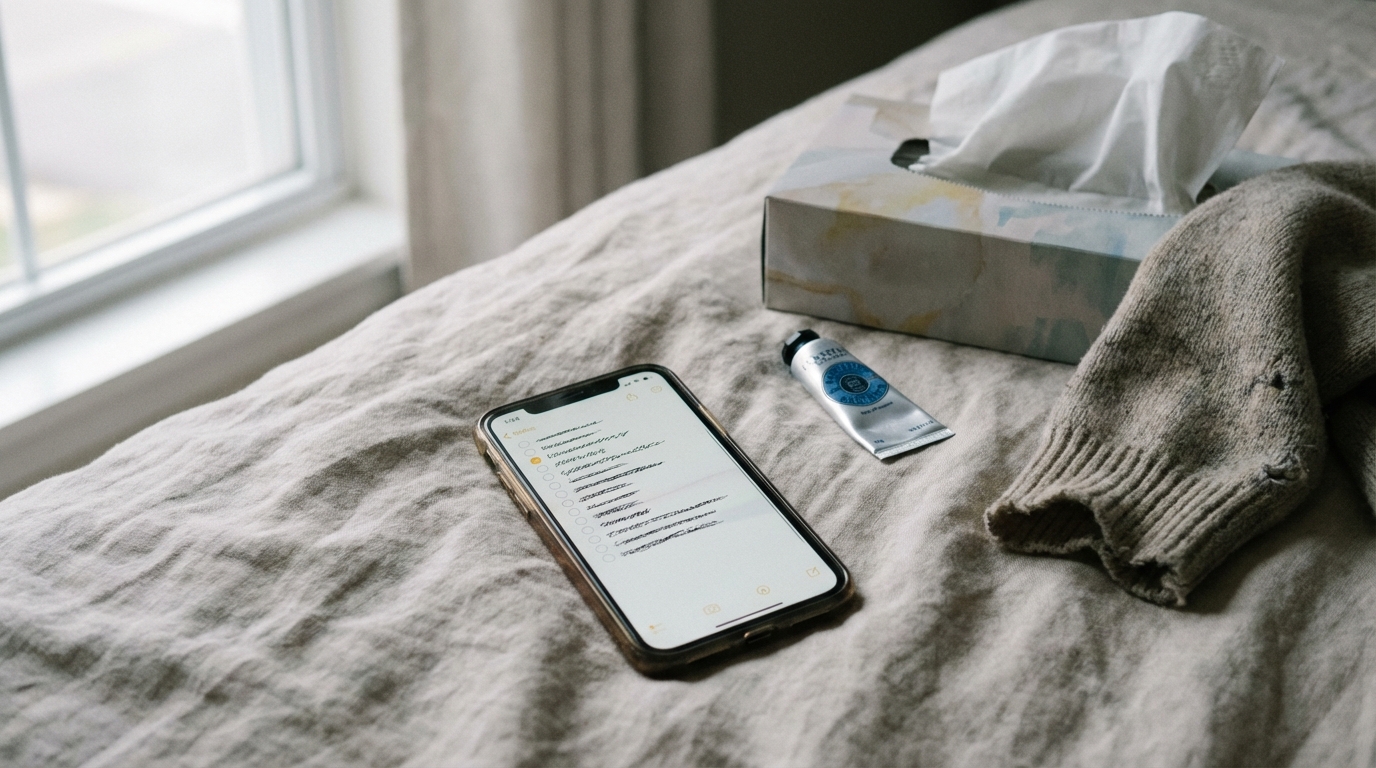
I started keeping a list in my phone. Not intentionally at first, just notes to mention to my doctor if I ever remembered during an appointment:
- Getting sick a lot—four colds since September, what’s normal?
- Cuts and scrapes taking forever to look better, is that a vitamin thing?
- Skin so dry that lotion just sits on top of it like it can’t get in.
- Brain fog in meetings, losing words mid-sentence, that underwater feeling.
- Tired after eight hours of sleep. Tired after coffee. Just… tired.
- Sore muscles that wouldn’t quite release, even days after a workout.
When I finally sat down and looked at the list, I felt something between embarrassed and scared. Because I was trying. I was eating vegetables and lean protein and whole grains. I was doing the exact things that were supposed to make you feel good.
So why did I feel like I was made of paper?
The afternoon I finally looked at the numbers

I’d logged my food before—during anxious phases when I needed to feel like I had control over something. But this time, I did it differently. I wasn’t counting to restrict. I was counting to see.
Three days of normal eating. The same careful, clean meals I’d been proud of.
Then I opened the app’s nutrient breakdown.
Protein: solid. Carbs: fine. Fiber: good.
Fat: eleven grams. Nine grams. Fourteen grams.
I stared at my phone. The recommended range started around fifty.
I wasn’t even close.
And that’s when something clicked that I wish someone had told me years ago:
fat isn’t the extra part of food. It’s part of the instructions.
Your body doesn’t just burn it for energy. It builds with it. Your brain is made of it. Your hormones are made of it. And every single cell in your body—including the ones trying to keep you from getting sick—has an outer wall made largely of fats.
I’d been eating like someone constructing a house but refusing to buy insulation because it seemed indulgent.
No wonder I felt cold all the time.
Fat deficiency and immunity: the structural truth I’d missed
Here’s the part that changed how I thought about food entirely.
Your immune system isn’t just white blood cells floating around like tiny soldiers. It’s a whole conversation happening at the cellular level, constantly. Cells need to recognize threats, send signals, move to the right places, respond, then calm back down.
And all of that depends on membranes—the thin outer layer of every cell that decides what gets in, what stays out, and how fast messages travel.
Those membranes are built from fats.
If you don’t eat enough fat, your body has to ration what it’s got. It prioritizes. And sometimes, the systems that suffer are the quiet ones—the ones you don’t notice until they’ve been struggling for months.
That’s what fat deficiency and immunity really means. Not that you’re weak. Not that you’re doing anything wrong. Just that you’re trying to build something without enough materials.
And your body, patient and resourceful as it is, has been trying to make it work anyway.
What fats actually do when you’re trying not to get sick
Once I started reading about this—really reading, not just skimming headlines—I realized how much I’d misunderstood.
Fats aren’t just about energy. They’re about communication and repair.
- They keep your cell membranes fluid and responsive.
Think of it like this: if your cells were houses, fat helps keep the doors and windows working smoothly. When membranes get stiff or unstable, signals get delayed. Your immune system is still trying, but it’s like texting on a phone with a cracked screen. - They help your body balance inflammation.
Inflammation is normal. It’s supposed to happen when you’re fighting something off. The problem is when your body can’t turn it back down—when the alarm keeps ringing after the fire’s out. Certain fats help with that resolution process, that return to calm. - They protect your barriers—skin, gut, all of it.
Your skin isn’t just decoration. It’s a border wall. Same with your gut lining. When those barriers get thin, dry, irritated, your immune system has to work overtime. Fats help keep those surfaces smooth and sealed. - They help you actually absorb the nutrients you’re eating.
Vitamins A, D, E, K—they need fat to get into your system. You can eat all the spinach in the world, but if there’s no fat in the meal, some of what you’re hoping for just passes through.
And then there’s the phrase that kept showing up: essential fatty acids.
Essential, because your body can’t make them. You have to eat them.
I’d been trying to eat “clean” for so long that I’d accidentally cleaned out the very thing my cells were asking for.
⸻
The small additions that felt like breaking a rule

I didn’t overhaul everything at once. I was too tired for that, and too wary of another rigid plan.
Instead, I made a list of fats that felt normal. Not scary. Not “too much.”
- A real egg, yolk and all, scrambled in a little butter.
- Olive oil drizzled on my salad—not from a spray bottle, from an actual bottle, the kind that glugs.
- Half an avocado with salt and lime, eaten with a spoon like it was allowed.
- A handful of almonds in the afternoon, not counted, just eaten.
- Salmon once or twice a week, the kind with the silver skin still on, rich and fatty and completely satisfying.
The first time I made a salad with real olive oil, I stood there with the bottle in my hand for a long moment. It felt indulgent. It felt like I was doing something wrong.
But I poured it anyway.
And the salad tasted like food instead of punishment.
What shifted when I stopped treating my body like it needed less
The changes didn’t announce themselves.
They crept in, quiet and steady, like the first warm day after a long cold stretch.
My skin stopped feeling tight. The little cracks on my knuckles healed and didn’t come back. My lips weren’t constantly chapped. I stopped needing lotion every hour just to feel human.
Then I noticed my energy was different. Not buzzy or hyped—just there. I didn’t hit that 2 p.m. wall where my brain turned to static. I could think in full sentences again. Words came back.
I slept deeper. I recovered faster after workouts. My body stopped feeling like it was holding its breath all the time.
And yes, slowly, I stopped getting sick every time someone coughed near me.
It wasn’t magic. It was just my body finally having what it needed to do its job.
The supplement that quieted the mental math
Even after I started eating more fats, there was this voice in my head.
Did you get enough omega-3s today? Was that too much omega-6? Should you have had fish instead of eggs? Are you balancing this right?
I’d traded one form of food anxiety for another.
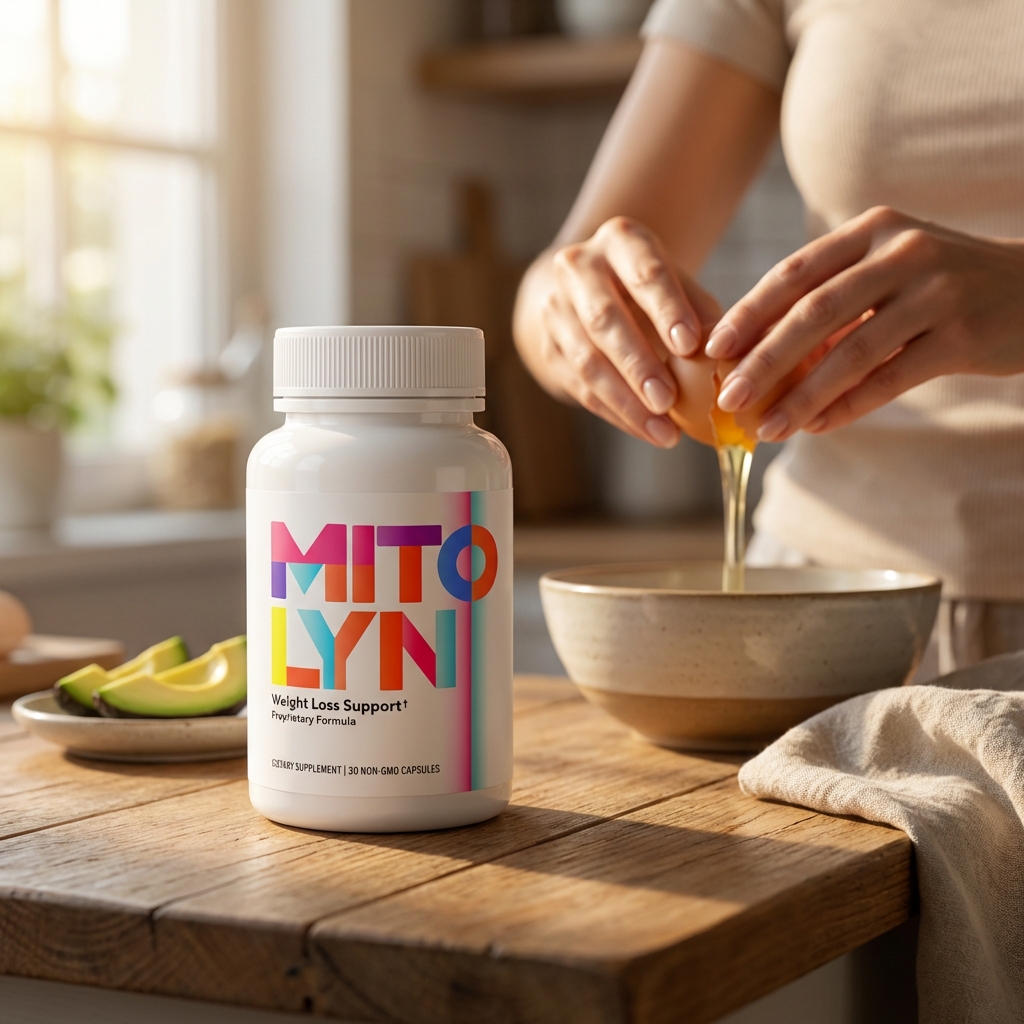
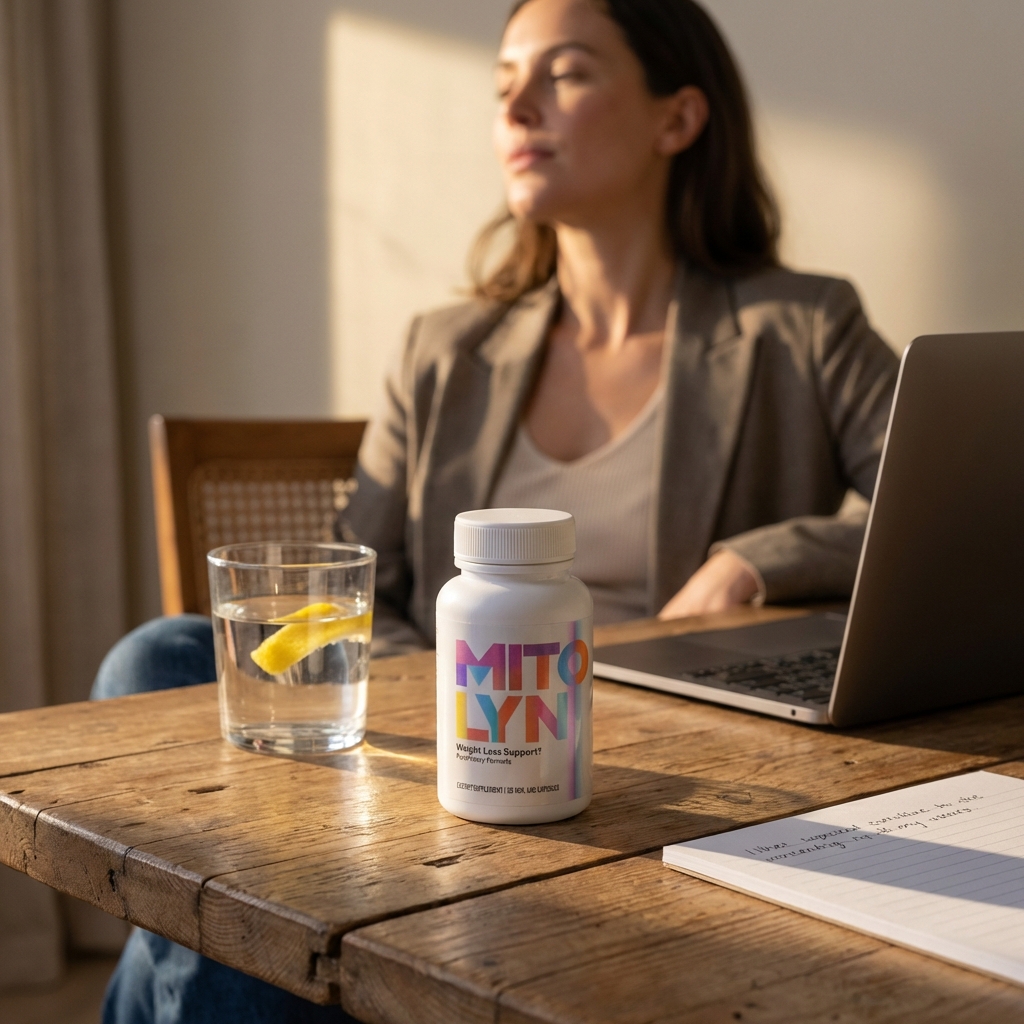
That’s when I tried Mitolyn—not because I thought it would fix anything on its own, but because I needed to stop turning every meal into an algebra problem.
Your Daily Baseline
I didn’t need more rules—I needed something steady
Mitolyn is a once-daily capsule made with six plant ingredients to support healthy mitochondria levels—your cells’ energy engines. Inside the blend: Maqui Berry, Rhodiola, Haematococcus (astaxanthin), Amla, Theobroma cacao, and Schisandra. No drama—just a simple habit.
-
Feels like “I’ve got this”
-
Less meal micromanaging
-
A steadier daily rhythm
It became part of a simple rhythm: real food, normal fats, and a small daily habit that let me stop micromanaging.
What I liked most wasn’t some dramatic shift. It was the relief. The feeling of, okay, I’ve got a baseline. I don’t have to be perfect.
It wasn’t about results. It was about steadiness.
A quiet kind of support that let me stop keeping score.
How to tell if you’ve been under-eating fats without realizing it
If any of this sounds familiar, here are some gentle signs to check for:
You instinctively avoid oil, butter, nuts—even when meals don’t feel satisfying.
Your skin is dry no matter what, and lotion never quite fixes it.
You get every cold that goes around, and you’re tired of people saying “boost your immune system.”
Your focus feels thin, like you’re running on fumes and willpower.
You’re always a little bit hungry, always thinking about your next meal, never quite settled.
Your body feels slow to recover—from workouts, from stress, from everything.
This isn’t about diagnosing yourself. It’s just about noticing.
Sometimes the thing you need most is the thing you’ve been carefully avoiding.
⸻
The emotional part no one warned me about
Here’s what surprised me most.
When I started eating enough fat, I didn’t just feel physically better.
I felt safer.
Because meals actually filled me up. Because I stopped having to fight my own hunger. Because my body stopped sending me panic signals every few hours.
And that changed how I felt about food entirely.
I wasn’t white-knuckling my way through being “good” anymore.
I wasn’t earning the right to eat.
I was just eating. And my body was responding the way it’s supposed to: with energy, with clarity, with resilience.
It sounds small, but it wasn’t.
It was the difference between survival and steadiness.
Support Your Resilience
When you feel “see-through,” support should feel solid
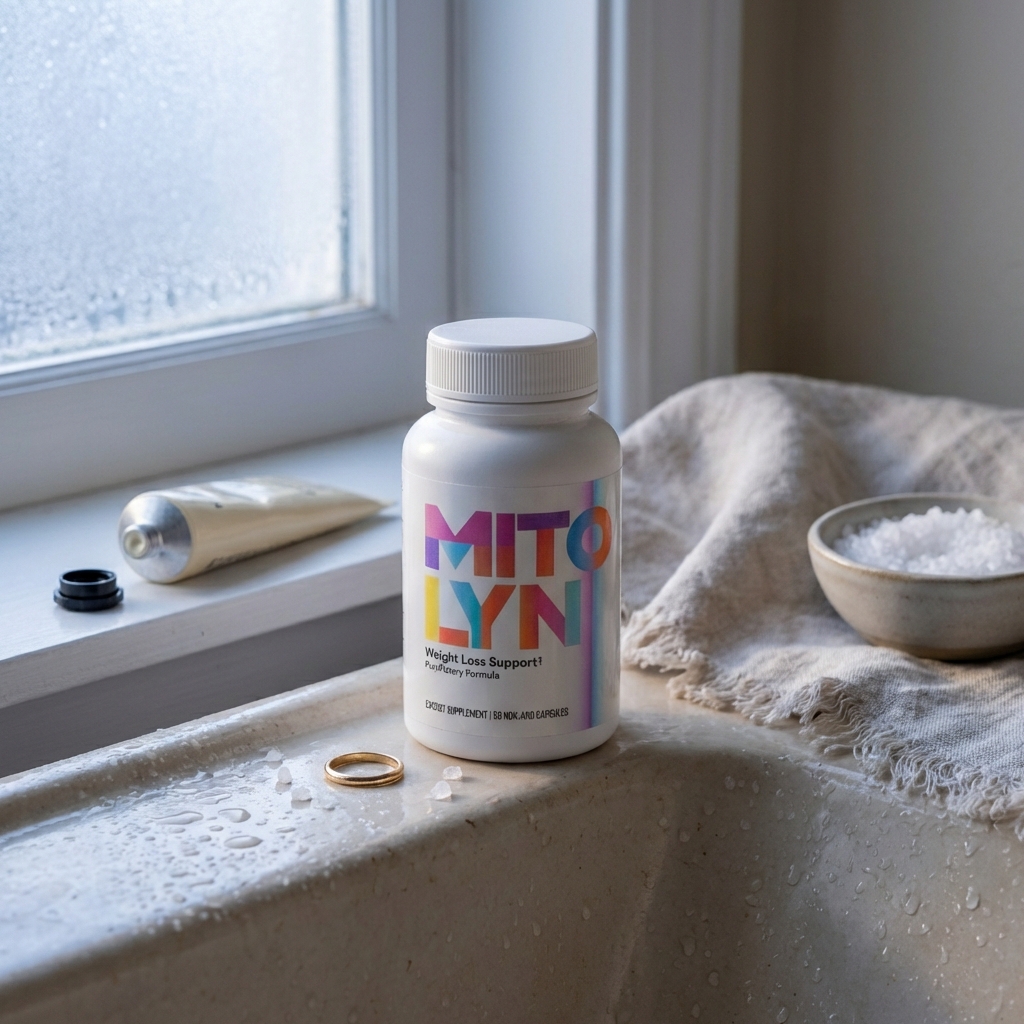
Mitolyn is built around antioxidant-rich plant ingredients, including Haematococcus, a natural source of astaxanthin. The formula is positioned to support cell energy and includes a specific claim to support immune response—the kind of steady support that fits the “rebuild your foundation” part of this story.
-
Feels more grounded day to day
-
Supports a “built back up” routine
-
Less fragile energy
If I could go back and tell myself one thing
If I could sit across from the version of me standing in that grocery store—the one building another perfect, joyless salad—I wouldn’t tell her she was doing it wrong.
I’d just say: You’re missing a piece.
Your immune system isn’t just about willpower or superfoods or doing more.
It’s about structure. It’s about having enough of what your cells are made from.
And fat is part of that.
Not a cheat. Not a risk. Not something to earn.
A basic building block your body knows how to use.
A few questions I asked myself (and you might be asking too)
How long did it take to feel different?
The first week, I noticed my skin. The second week, my energy felt more stable. By the third, I realized I wasn’t constantly bracing for the next cold. It wasn’t instant, but it was steady.
Can you do this with just food, or do you need a supplement?
Most people can do it with food—once they stop being afraid of it. The key is consistency, not perfection. A supplement helped me stop overthinking, but it wasn’t the whole answer.
Calm, Clear, Consistent
I wanted my brain back—not another plan to follow
Mitolyn includes Rhodiola—described as an adaptogen—and the label highlights support for mood, brain health, and stress (without stimulants). For me, that matches the point of this whole post: steadiness. A small daily habit that helps the day feel less jagged.
-
Feels calmer under pressure
-
Easier to stay consistent
-
More clear-headed momentum
What if I’m still scared of eating “too much” fat?
Start smaller than feels scary. A drizzle of olive oil. One whole egg. See how your body responds. Let it teach you that this isn’t dangerous—it’s supportive.
The simplest truth I’ve learned about eating well
If you’re tired of “doing everything right” and still feeling fragile, let me offer this:
Sometimes what looks like discipline is just depletion in disguise.
And the way back isn’t about adding more rules.
It’s about giving your body what it’s been quietly asking for all along.
For me, that was fat. Real fat. The kind that makes food taste like something worth eating and makes my body feel like it has walls again instead of just windows.
That’s what changed everything.
That’s what made fat deficiency and immunity stop being an abstract idea and start being the missing piece I could finally see.
Written by Elias Menden — for those who seek steadylience.
Related reading
- Omega-3 for immunity vs. odd-chain fats: what actually helps you feel steadier
- Preventing Osteoporosis Naturally: Diet, Exercise, and Supplements That Help You Feel Steady
- Can You Actually Build Immunity Naturally Over Time? Here’s What Finally Changed for Me
- When Exhaustion Doesn’t Match Your Life: Could Low Thyroid Fatigue Be Why?