An entire conversation vanished.
I was sitting on the couch, half-listening to a friend tell a story, half-typing a late-night email on my phone. When she laughed at her own punchline, I laughed too—only I had no idea what she’d just said.
My brain felt like a browser with too many tabs: buzzing, jittery, always loading, never landing. I was tired but wired. My sleep was broken. My focus was scattered into tiny shards. And even when I was “with” people, part of me was somewhere inside my screen.
That was the night I realized: I didn’t need another productivity hack.
I needed a digital detox for mental clarity—and I needed it to be realistic, not some off-the-grid fantasy.
Why a Digital Detox for Mental Clarity Matters More Than Ever

A digital detox is simply a planned break from screens—especially phones and social media—so your nervous system can come down a level and your brain can reset.
Research from Cleveland Clinic notes that taking intentional time away from devices can ease the pressure of constant connection and support better sleep, focus, productivity, relationships, and mood. WebMD also points out that digital detoxing can reduce stress, improve focus, and create space for more meaningful connection.
In other words: that heavy, static-filled feeling in your mind?
It’s not all in your head. Your brain is processing a nonstop stream of pings, headlines, videos, and micro-decisions. Stepping back—even for a short time—gives it room to breathe. Studies suggest that even a 24–48 hour break from screens can improve sleep, sharpen focus, and lower stress.
I didn’t want a month-long retreat. I wanted something I could repeat in real life.
So I built myself a weekend detox challenge.
The Weekend Detox Challenge I Actually Finished
I knew “no screens at all” would fail by Saturday morning. So I designed rules I could live with.
For one weekend, I committed to this:
- Notifications off. All social media and non-essential notifications were silenced from Friday night to Sunday night.
- Airplane mode blocks. If I wasn’t actively using my phone for a specific task, it went into airplane mode.
- No streaming auto-play. No “just one more episode” spirals. If I watched anything, it was intentional and time-limited.
- A real bedtime. Phone out of reach 60 minutes before sleep. No late-night emails. No “quick” scroll.
I also made my space match my intention. I moved my charger out of the bedroom, put a book on my nightstand instead of my phone, and left an actual pen and notebook on the coffee table.

Synaptigen for Screen-Tired Minds
By Friday night, your brain shouldn’t feel as drained as your battery bar
Synaptigen is a daily brain-support capsule designed for people who live on screens. Take one capsule with your evening wind-down and give your mind nutrients chosen to support memory, focus, and mental clarity. It’s an easy way to turn your digital detox into a habit your brain can actually feel.
-
Gives your screen-tired mind daily support
-
Helps you feel clearer and more collected
-
Fits smoothly into any weekend detox plan
It wasn’t perfect. I slipped a couple of times. But I kept coming back to the question:
“What if my attention is the most valuable thing I own?”
What I Did With My Time When My Phone Wasn’t in Charge

The first few hours were awkward. My hand kept reaching for the phone that wasn’t there, the way your tongue pokes a missing tooth.
So I gave myself simple offline options:
- I read a paperback that had been sitting untouched for months.
- I journaled—messy, unedited sentences, just to empty my head.
- I took a slow walk around my neighborhood without headphones and let my brain follow whatever it wanted: trees, windows, clouds, faces.
Something quiet began to shift.
Without the constant jolt of notifications, my thoughts stopped jumping every few seconds. I finished a chapter without checking anything. I noticed my shoulders were lower. My breathing was slower. By the second night, I fell asleep faster and woke up feeling like my brain wasn’t made of fog.
Later, I read that regular digital breaks are linked with improved focus, reduced anxiety, and better emotional regulation. But in the moment, I didn’t need a study. I could feel the difference in my own body.
The “Hidden” Gains: Mood, Sleep, and Actual Presence

What surprised me most wasn’t just productivity—it was presence.
- Conversations felt less like background noise and more like real contact.
- My to-do list felt clearer because my brain wasn’t juggling ten apps at once.
- I felt calmer making small decisions: what to cook, what to wear, what to do next.
It was like someone turned down the volume on everything.
And here’s the important part:
When the weekend ended and I turned everything back on, my nervous system didn’t want to go back to the old normal. I liked the steadier, quieter way my brain was working. I wanted that mental clarity to last beyond a 48-hour experiment.
That’s when I started paying attention not just to what I removed (screens) but also what I added to support my brain.
The Supportive Basics: What I Fed My Brain During Detox

I didn’t overhaul my entire diet, but I did make a few small choices that helped keep my energy steady:
- Drinking water throughout the day instead of sipping coffee all afternoon
- Eating real meals with protein, not just grazing on snacks between emails
- Swapping late-afternoon caffeine for herbal teas when I wanted something warm
I also kept two simple supplements in my routine because they consistently help me feel more grounded:
- Magnesium – I notice less muscular tension and a softer, “exhale” feeling in the evenings.
- A B-complex – This gives me a smoother, more stable kind of energy instead of sharp spikes and crashes.

Upgrade Your Brain Basics
Water, food, and sleep help—but your focus still slips through the cracks
Synaptigen is built for the in-between moments when simple habits aren’t enough. Its blend of brain-supporting ingredients is designed to help you think more clearly, stay with tasks longer, and feel less scattered. Add one capsule to your daily basics and turn “trying” into an actual routine.
-
Supports clear thinking alongside meals and sleep
-
Helps your focus last through busy, screen-heavy days
-
Simple once-a-day capsule, no complicated stack
These weren’t dramatic changes. They were quiet supports—kind of like turning on a lamp instead of flooding the room with a spotlight.
But as my work ramped up again, and my calendar filled, I started wondering if there was something deeper I could do for my brain fog and focus on the inside. That search led me to a brain support supplement I’d been hearing about but hadn’t tried yet.
The Brain-Support Ritual That Helped Me Keep the Clarity
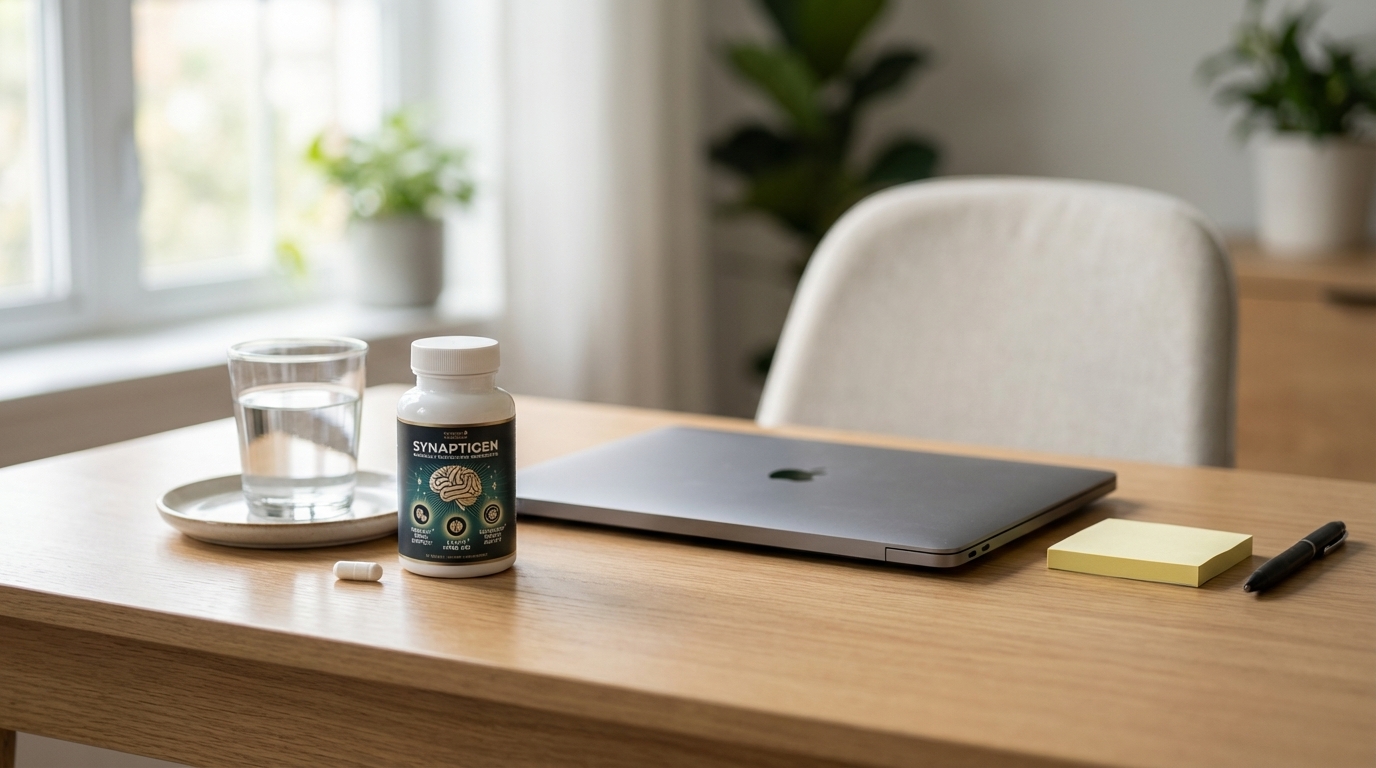
While reading about cognitive health, I kept coming across a supplement called Synaptigen—a brain support formula designed to help with memory, focus, and overall mental clarity. It uses a blend of nutrients (including probiotics and plant-based compounds) aimed at supporting brain-cell communication and reducing the kind of fog that builds up with stress and constant mental load.
What caught my attention wasn’t just the science-y language. It was this idea:
If my brain is constantly processing digital noise, what if I also gave it something that supports clarity from the inside out?
So after my weekend detox, I made a small experiment:
- Keep my new tech boundaries during the week.
- Add Synaptigen once a day as a brain-support ritual.
What I Noticed Over the Next Few Weeks
By the end of the second week, a few things stood out:
- My mornings felt sharper. That half-awake, scrolling-fog feeling started to fade. I could sit down, open my laptop, and actually start the task I meant to do.
- My mental energy lasted longer. I still got tired—this isn’t a superhero story—but I didn’t hit that “my brain is mush” wall as early in the afternoon.
- I recovered from distractions faster. When a notification or interruption happened, it was easier to come back to what I was doing instead of getting lost in side-tabs and feeds.
It didn’t feel like a jolt or a rush. It felt like someone had quietly tightened the focus knob on a camera. Same life, same responsibilities—just less static in my head.
Did the digital detox matter? Absolutely.
Did the ongoing boundaries matter? Also yes.
But adding a daily Synaptigen ritual made it easier to keep the clarity I’d uncovered that weekend.
It became a kind of promise to myself:
“If I’m going to ask this much of my brain, I’m also going to support it.”
Simple Ways to Try Your Own Digital Detox for Mental Clarity
If you’re feeling the same scrambled, tab-overloaded brain I was, your version of this doesn’t have to be complicated. You might:
- Choose one weekend and silence non-essential notifications.
- Put your phone in another room for the first and last hour of your day.
- Plan two or three offline “default activities” you can reach for when your hand wants your phone: a book, a walk, doodling, stretching, a puzzle.
- Support your brain with the basics: water, real food, steady nutrients, and enough sleep.
And if you’re curious about going a layer deeper, you can explore brain-support supplements like Synaptigen—the kind designed specifically for people who are tired of feeling foggy and scattered and want gentle, daily support for clearer thinking.

Carry Your Clarity Forward
Don’t let Monday morning wipe out the calm you felt all weekend
Synaptigen helps bridge the gap between your unplugged weekend and your fully wired week. One capsule a day gives your brain ongoing support for focus, memory, and mental clarity. Keep your new tech boundaries—and let Synaptigen help you feel steadier and switched-on in the ways that matter.
-
Extends your weekend reset into your workweek
-
Helps you stay with tasks after distractions hit
-
Easy to pack, easy to remember every day
For me, the combination has been powerful:
- Purposeful breaks from my devices
- A calmer environment that doesn’t pull my attention every few seconds
- A brain-support ritual that reminds me my mind is worth caring for
Quick Questions I Get About Digital Detox
Do you have to quit technology completely?
No. This isn’t about becoming a hermit. It’s about building boundaries so your phone feels like a tool, not a boss.
How long should a digital detox last?
It depends on your life. Some people try 24 hours; others do a full weekend or even one unplugged evening every week. My weekend reset was enough to feel a real shift and still fit my schedule.
Will a digital detox fix all my stress?
It won’t erase every stressor in your life. But it can remove a constant layer of noise and urgency, so you have more bandwidth to handle everything else.
Returning to Real Life With a Clearer Brain
The same friend whose story I missed that night still comes over.
Now, when we talk, my phone lives face down and out of reach.
I still use technology. I still work online. I still get more messages than I can answer. But my attention doesn’t feel stolen anymore. It feels chosen.
That’s what this whole experiment has given me:
Not perfection. Not a screen-free fantasy.
Just more honest control over my own mental space.
If you’ve been feeling that dense mental static—forgetting conversations, rereading the same sentence ten times, ending each night more drained than the one before—a gentle digital detox for mental clarity might be the reset your brain has been asking for.
And if the idea of pairing that reset with something like Synaptigen—a quiet, daily brain-support ritual—resonates with you, that might be your next simple step. Not a big announcement. Not a total life overhaul. Just one small, steady way of saying:
“My mind matters. I’m going to treat it like it does.”
Written by Elias Menden — for those who seek clarity.
Related reading
- Best Anti-Inflammatory Supplements for Digestive Relief: The Gut Reset That Finally Made My Body Exhale
- The 15-Minute Daily Routine That Transformed My Joints (And Why Joint Genesis Made It Finally Stick)
- Gentle Movement to Beat Morning Joint Stiffness: The Morning Ritual That Finally Stuck
- Natural Inflammation Supplements That Finally Made My Joints Stop Screaming