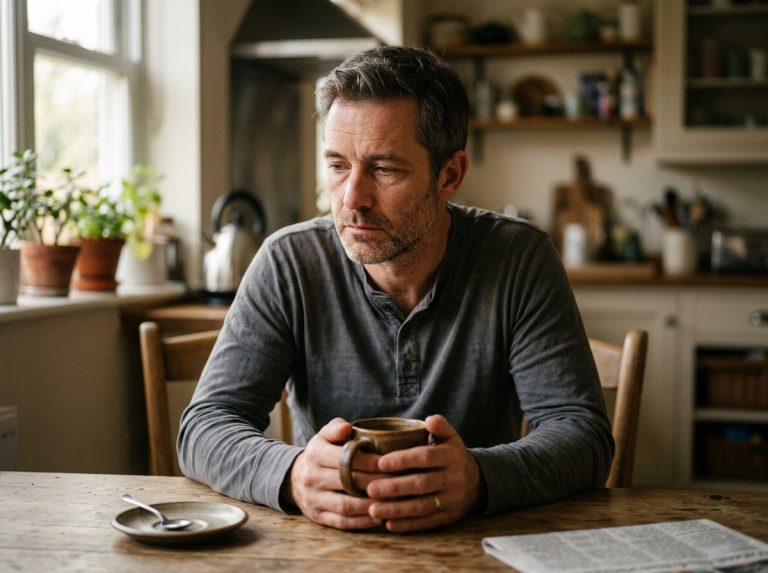
I used to think recovery from chronic stress would feel like flipping a light switch. One day exhausted, the next day energized. One day overwhelmed, the next day calm. What I discovered instead was that healing from years of living in survival mode is more like learning to breathe underwater — and then slowly, carefully, remembering what it feels like to surface.
The morning I realized my nervous system was finally beginning to settle, I was standing in my kitchen making tea. Nothing dramatic happened. No breakthrough moment or sudden clarity. I simply noticed that my shoulders weren’t pulled up toward my ears.
The sound of the kettle boiling didn’t make me tense. I wasn’t already mentally racing through my day before I’d taken my first sip.
It had been eighteen months since I’d acknowledged that what I was experiencing wasn’t just “being busy” or “going through a phase.” It was chronic stress — the kind that rewires your nervous system so thoroughly that hypervigilance becomes your baseline, and rest feels foreign in your own body.
The Body That Forgot How to Rest

Chronic stress doesn’t announce itself with sirens. It settles in quietly, like dust accumulating on surfaces you don’t notice until someone runs their finger across them. For me, it began during a period when everything in my life looked successful from the outside — demanding job, active social life, fitness routine I was proud of. But inside, my nervous system was running a marathon that never ended.
The first sign wasn’t anxiety or panic. It was the absence of joy in things that used to delight me. Morning coffee became fuel, not pleasure. Weekend plans felt like obligations. Even good news seemed to bounce off me rather than land.
What I didn’t understand then was that my body had been producing stress hormones like cortisol at levels designed for acute emergencies — except there was no emergency to resolve, no finish line to cross. My adrenal glands were working overtime to keep up with demands that felt relentless, and my nervous system had forgotten the difference between being alert and being alive. The exhaustion was bone-deep. Not the satisfying tiredness that comes after a long day of meaningful work, but a depletion that sleep couldn’t touch. I would wake up feeling like I’d been running in my dreams.
Your nervous system is ready to remember what balanced energy feels like.
When Normal Becomes Unbearable

The moment I realized something fundamental had shifted was during a conversation with a friend who casually mentioned feeling excited about an upcoming weekend. Excited. I tried to remember the last time I had felt genuinely excited about anything, and came up empty. Somewhere along the way, my emotional range had narrowed to variations of tired, overwhelmed, and numbly functional.
My body had been sending signals I’d learned to ignore. The tension headaches I treated with more caffeine. The digestive issues I blamed on being too busy to eat well. The way my heart would race at night when I was trying to fall asleep, as if my nervous system couldn’t believe the day was actually over.
I started paying attention to how I felt in my body throughout the day, and what I discovered was unsettling. I was constantly braced — muscles tight, breath shallow, jaw clenched. Even during activities that were supposed to be relaxing, like yoga or reading, part of me remained on high alert, scanning for the next thing that would require my attention. It was as if my nervous system had gotten stuck in a state of perpetual readiness, unable to shift into the rest-and-repair mode that allows the body to heal and restore itself.
I was living in my own body, but I wasn’t inhabiting it peacefully.
Give your body the hormonal support it needs to shift from survival to thriving.
The Myth of Bouncing Back
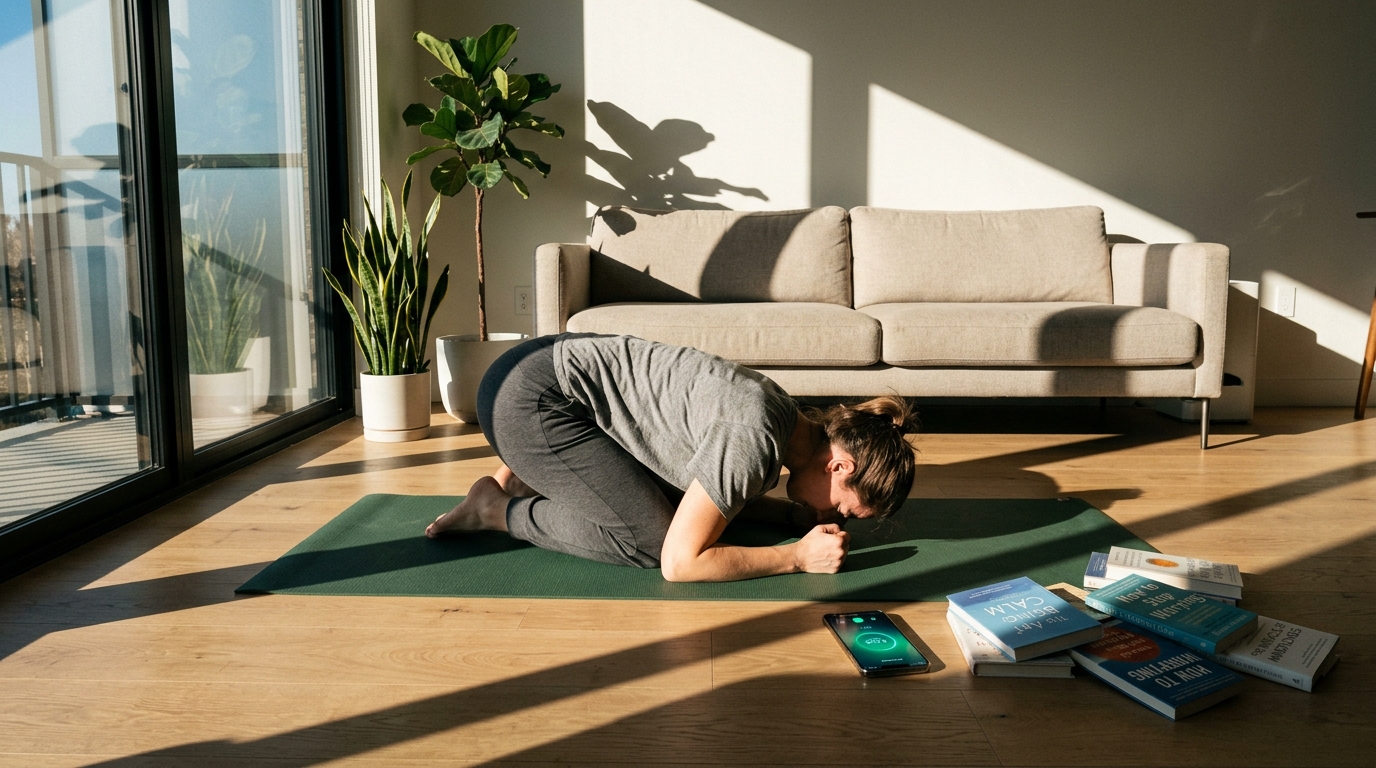
When I finally acknowledged that I needed to address what was happening, I made the mistake that many of us make: I expected recovery to be as quick as the onset had been gradual. I took a long weekend, got massage, tried meditation apps, and waited to feel better. When I didn’t, I assumed I wasn’t trying hard enough.
What I learned through research and, eventually, working with a practitioner who understood nervous system recovery, was that chronic stress creates physiological changes that take time to unwind. My adrenal glands, which had been overproducing cortisol for months, needed time to recalibrate. My sleep cycles, which had been disrupted by elevated stress hormones, needed consistent support to find their natural rhythm again. The healing timeline isn’t measured in days or weeks, but in seasons.
Three months to begin feeling like my nervous system could distinguish between actual threats and imagined ones. Six months to notice that my energy had a sustainable quality rather than the boom-and-bust cycle I’d grown accustomed to. A full year to feel like rest was restorative rather than just a brief pause before the next wave of demands.
I had to learn that recovery from chronic stress isn’t about returning to who you were before, but about becoming someone whose nervous system knows how to regulate itself in the present moment.
Recovery doesn’t have to take years when you address stress at the source.
The Morning That Changed Everything

The shift began when I started addressing my stress response at the hormonal level, not just the behavioral level. All the meditation and boundary-setting in the world couldn’t fully help if my body was still producing stress hormones as if every day were an emergency. I needed support that could work with my body’s natural cortisol rhythms rather than against them.
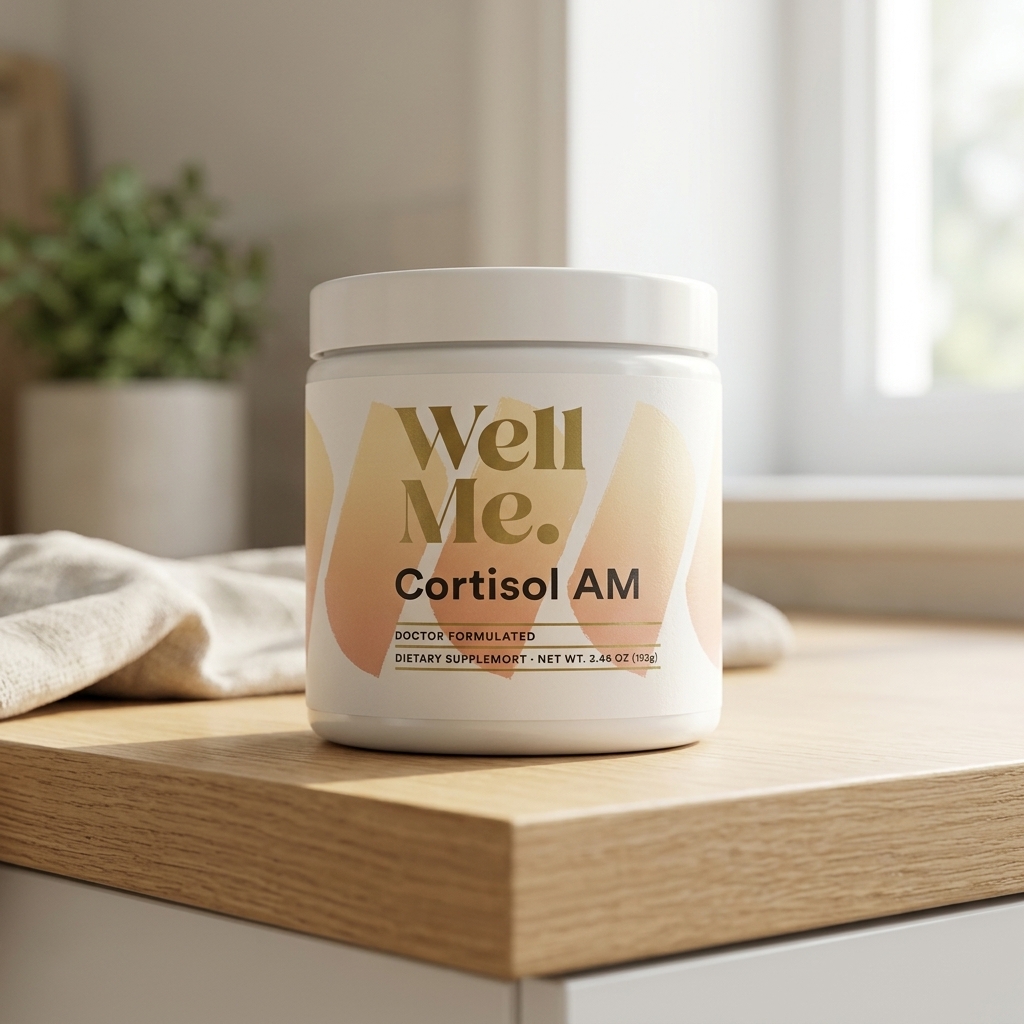
A friend who had gone through her own chronic stress recovery mentioned a morning supplement she’d been using that was specifically designed to support healthy cortisol patterns. Cortisol AM helps regulate the natural rise and fall of stress hormones throughout the day, supporting the body’s ability to feel alert in the morning and calm in the evening — exactly what my disrupted system needed.
The first thing I noticed wasn’t dramatic energy or sudden calm, but rather the absence of the constant low-level anxiety that had become my baseline. My mornings began to feel more like gentle awakenings rather than abrupt launches into the day. The 3 PM crash that had plagued me for months started to soften into a more sustainable energy curve.
What surprised me most was how supporting my cortisol patterns affected areas of my life I hadn’t connected to stress. My skin, which had been breaking out despite my age, began to clear. My digestion improved. Even my mood felt more stable — not artificially elevated, but genuinely more resilient to daily challenges.
Restore Natural Morning Calm
When your nervous system finally remembers how to regulate itself, mornings become gentle awakenings.
Cortisol AM works with your body’s natural stress hormone rhythms to support balanced energy from sunrise to sunset. Experience the difference when your adrenals have the targeted support they need to help you feel alert without anxiety, energized without overwhelm.
- ✓ Mornings feel like gentle awakenings
- ✓ Energy flows sustainably all day
- ✓ Tension melts from shoulders and jaw
Learning to Trust Calm
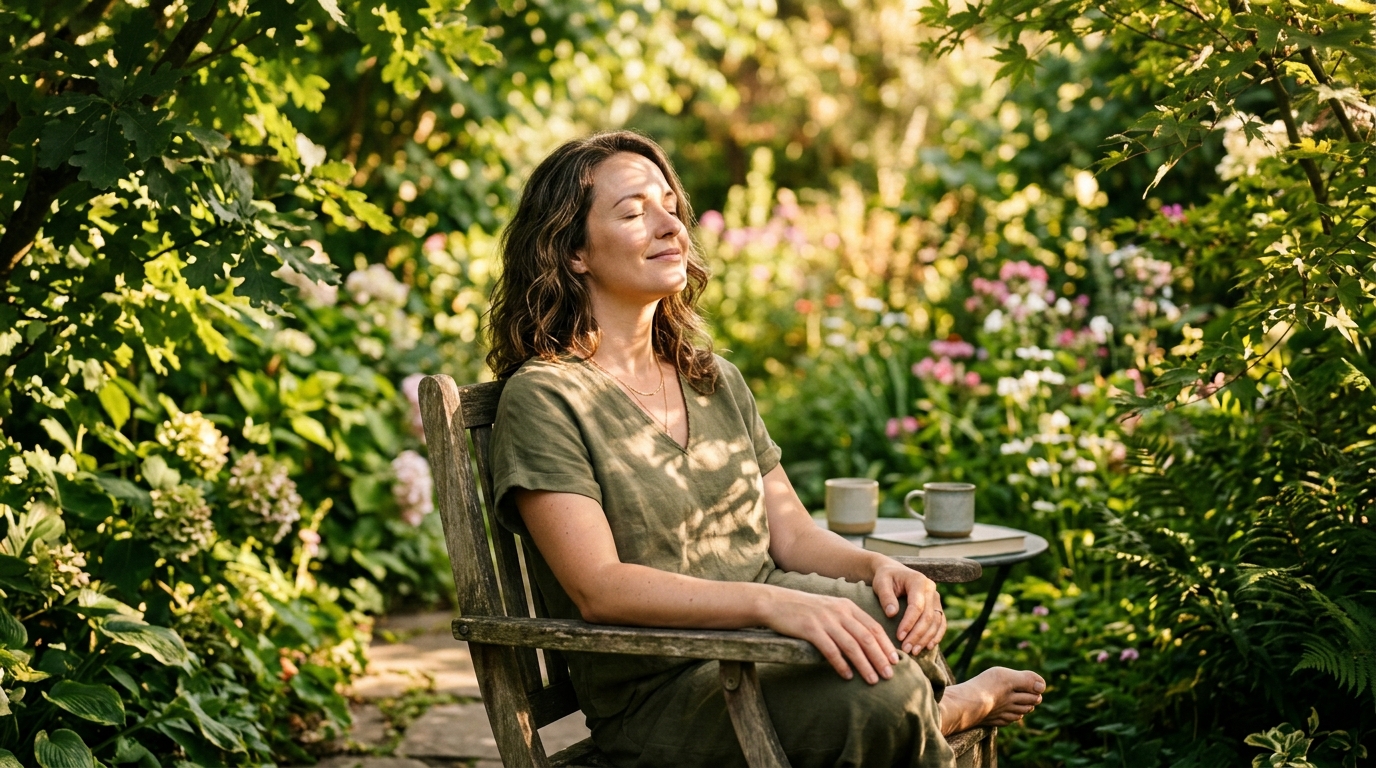
One of the strangest aspects of recovering from chronic stress was learning to trust peaceful moments. When you’ve lived in survival mode for extended periods, calm can feel dangerous — like you’re letting your guard down when you should be prepared for the next crisis. I had to actively practice believing that feeling relaxed didn’t make me vulnerable or irresponsible.
I started small. Allowing myself to enjoy my morning tea without checking my phone. Taking three deep breaths before getting out of the car when I arrived somewhere. Letting conversations happen without mentally preparing for what I would say next. These tiny moments of presence began to teach my nervous system that it was safe to exist without being in constant problem-solving mode.
The physical sensations of relaxation — soft shoulders, steady breathing, a quiet mind — felt foreign at first, almost like I was wearing clothes that didn’t quite fit. But gradually, as my cortisol levels found their natural rhythm with the help of targeted support, these moments of ease began to feel more familiar than the tension I’d carried for so long.
I realized I was healing when I could sit in a quiet room without immediately reaching for my phone or creating a mental to-do list. When silence felt nourishing rather than uncomfortable. When my body began to crave rest rather than resist it.
Trust your body’s wisdom to heal with the right physiological support.
The New Geography of Energy

Recovery taught me that energy isn’t just about having enough fuel to get through the day — it’s about having the internal resources to respond to life from a place of choice rather than reaction. When my stress hormones were dysregulated, everything felt urgent, and I moved through my days like someone perpetually late for an important appointment.
As my nervous system found its balance again, I discovered I had access to different types of energy. There was the focused energy for concentrated work, the social energy for meaningful connections, the creative energy for projects that mattered to me, and — perhaps most importantly — the restorative energy that allowed me to simply be without doing.
My relationship with challenges changed too. Instead of meeting every obstacle with the same level of stress response, my nervous system began to naturally calibrate its response to the actual magnitude of the situation. A delayed flight was no longer processed with the same physiological intensity as a genuine emergency. The most profound shift was discovering that I could feel deeply without being overwhelmed. Joy became more accessible, sadness felt clean rather than devastating, and even anger had a clarity to it that I hadn’t experienced in years.
It was as if chronic stress had muffled my emotional range, and healing allowed me to experience the full spectrum of being human again.
Let your mornings become the foundation for sustainable, joyful energy.
What Recovery Actually Looks Like

Eighteen months into my healing journey, I understand now that recovering from chronic stress isn’t about never feeling stressed again. It’s about developing a nervous system that can move fluidly between states of activation and rest, responding appropriately to what life presents rather than maintaining a constant state of high alert.
My mornings now begin with a quality of presence that was impossible when my cortisol levels were erratic. I wake up feeling like I’ve actually rested, and my energy throughout the day has a sustainability that allows me to engage fully without burning out. The supplement support that helped regulate my stress hormones became the foundation that made all my other healing practices — meditation, exercise, boundaries — actually effective.
The most beautiful surprise has been the return of spontaneous delight. Last week, I found myself laughing genuinely at something funny rather than just smiling politely. I felt excited about plans with a friend rather than wondering how I would summon the energy to show up. These aren’t monumental moments, but they represent a nervous system that has remembered how to be alive rather than just survive.
If you recognize yourself in this story — if you’ve been pushing through fatigue that sleep doesn’t restore, if joy feels distant even when life looks good on paper, if your body holds tension like a secret you can’t quite name — please know that what you’re experiencing has a physiological basis, and it can heal. Your nervous system’s capacity for regulation can be restored. The path back to yourself is real, and every small step toward supporting your body’s natural stress response is a step toward reclaiming the fullness of who you are.
Written by Liora Menden — for those who seek gentle restoration
Your path back to yourself starts with supporting your stress response.