I was folding laundry on a Tuesday morning when it hit me like a sudden storm. One moment I was humming along, sorting whites from colors, and the next I was sitting on my bedroom floor, sobbing over my daughter’s outgrown pajamas. Not gentle tears of nostalgia—the kind of raw, consuming sobs that leave you breathless and confused. Twenty minutes later, I was laughing at a silly meme on my phone, feeling almost manic with lightness. The whiplash was exhausting.
This wasn’t grief or stress or any emotion I could name and understand. This was something else entirely—something that felt like weather happening inside my body, unpredictable and beyond my control.
I started paying attention, and what I discovered was both unsettling and oddly comforting: I wasn’t losing my mind. My hormones were simply rewriting the rules of how I experience the world.
If you’re reading this while your own emotional weather feels chaotic and strange, you’re not alone. The mood swings of menopause aren’t just “being dramatic” or “getting older”—they’re a very real neurochemical shift that deserves both understanding and gentle, effective support.
When Your Brain Chemistry Changes the Rules

The brain you’ve known for decades suddenly starts operating with different instructions, and nobody thought to give you the manual. Estrogen doesn’t just manage your reproductive system—it’s deeply woven into how your brain produces and regulates serotonin, the neurotransmitter that keeps your mood stable and your emotional responses measured. As estrogen levels begin their irregular dance toward menopause, your serotonin production becomes equally erratic. One day there’s enough to keep you feeling balanced and optimistic. The next day, your brain is running on fumes, leaving you vulnerable to sudden sadness, irritability, or that peculiar combination of numbness and overwhelm that feels impossible to explain to anyone who hasn’t lived it.
What makes this particularly challenging is the unpredictability. Unlike the predictable hormone shifts of your menstrual cycle, perimenopause and menopause bring fluctuations that follow no clear pattern. Your brain keeps trying to adapt to moving targets, which explains why you might feel emotionally steady for weeks, then suddenly find yourself crying at commercials or snapping at loved ones over minor inconveniences.
This isn’t weakness or failure—it’s biology.
Ready to support your body through this transition with gentle, effective care?
The Invisible Triggers That Make Everything Worse

Some days, it feels like everything sets you off. The sound of someone chewing, a text message that takes too long to arrive, the way sunlight hits the kitchen counter—suddenly, the smallest details of life feel overwhelming or irritating beyond reason. What I’ve learned is that certain factors act like emotional amplifiers, turning manageable hormone fluctuations into mood tornadoes.
Caffeine, which used to be your faithful morning companion, now seems to send your nervous system into overdrive. That second cup of coffee that once provided gentle energy now leaves you feeling jittery and on edge, primed for emotional reactivity. Alcohol, too, becomes a false friend—promising relaxation but delivering disrupted sleep and next-day emotional instability.
Sleep disruption creates a vicious cycle. Hot flashes wake you at 2 AM, leaving you exhausted and emotionally raw the next day. Your body produces less of the hormones that help regulate mood when you’re sleep-deprived, making you more susceptible to those sudden emotional storms. Even mild dehydration, something you might not have noticed before, now affects your ability to maintain emotional equilibrium. Sugar becomes particularly problematic during this phase. The blood sugar spikes and crashes that you might have weathered easily in your thirties now translate directly into mood instability—euphoric energy followed by irritable fatigue, over and over throughout the day.
Curious about what targeted menopause support could mean for your daily life?
What Your Body Actually Needs Right Now

In the middle of this emotional chaos, your body is sending you clear messages about what it needs to feel stable again. The challenge is learning to listen to these quieter signals beneath the louder drama of mood swings. Your nervous system is asking for specific types of nourishment and support, not quick fixes or harsh interventions.
Protein becomes more important than ever—not just for physical strength, but for neurotransmitter production. The amino acids in quality protein give your brain the building blocks it needs to manufacture serotonin and dopamine more consistently. Starting your day with adequate protein helps prevent the blood sugar rollercoaster that can trigger emotional volatility hours later.
Your brain also craves omega-3 fatty acids during this transition. These healthy fats support the neural pathways that regulate mood and help reduce the inflammation that can worsen hormonal symptoms. Wild-caught fish, walnuts, and flaxseeds aren’t just good for your heart—they’re medicine for your emotional wellbeing.
Magnesium deficiency, surprisingly common during menopause, can intensify both physical and emotional symptoms.
Tired of feeling like your emotions are beyond your control?
The Gentle Science of Feeling Better

Understanding what’s happening in your body doesn’t just provide comfort—it points toward solutions that actually work. The mood swings of menopause aren’t random emotional outbursts that need to be suppressed or endured. They’re symptoms of specific biochemical changes that respond well to targeted, gentle support.
Your adrenal glands, which take on more responsibility for hormone production as your ovaries slow down, need particular attention during this time. These small but mighty glands produce cortisol for stress management and can even produce small amounts of estrogen to help fill the gap. When they’re overwhelmed or undernourished, your entire hormonal system becomes more unstable.
Supporting your adrenals means managing stress differently than you might have before. The high-intensity approach to exercise, work, and life that served you well in earlier decades may now contribute to hormonal chaos. Your body is asking for a more sustainable pace, regular rest, and stress management techniques that actually calm your nervous system rather than just distracting from it.
This is also why certain herbs and nutrients become particularly valuable during this transition. Adaptogens like ashwagandha and rhodiola help your body manage stress more efficiently, while specific vitamins and minerals support the biochemical processes that keep your mood stable.
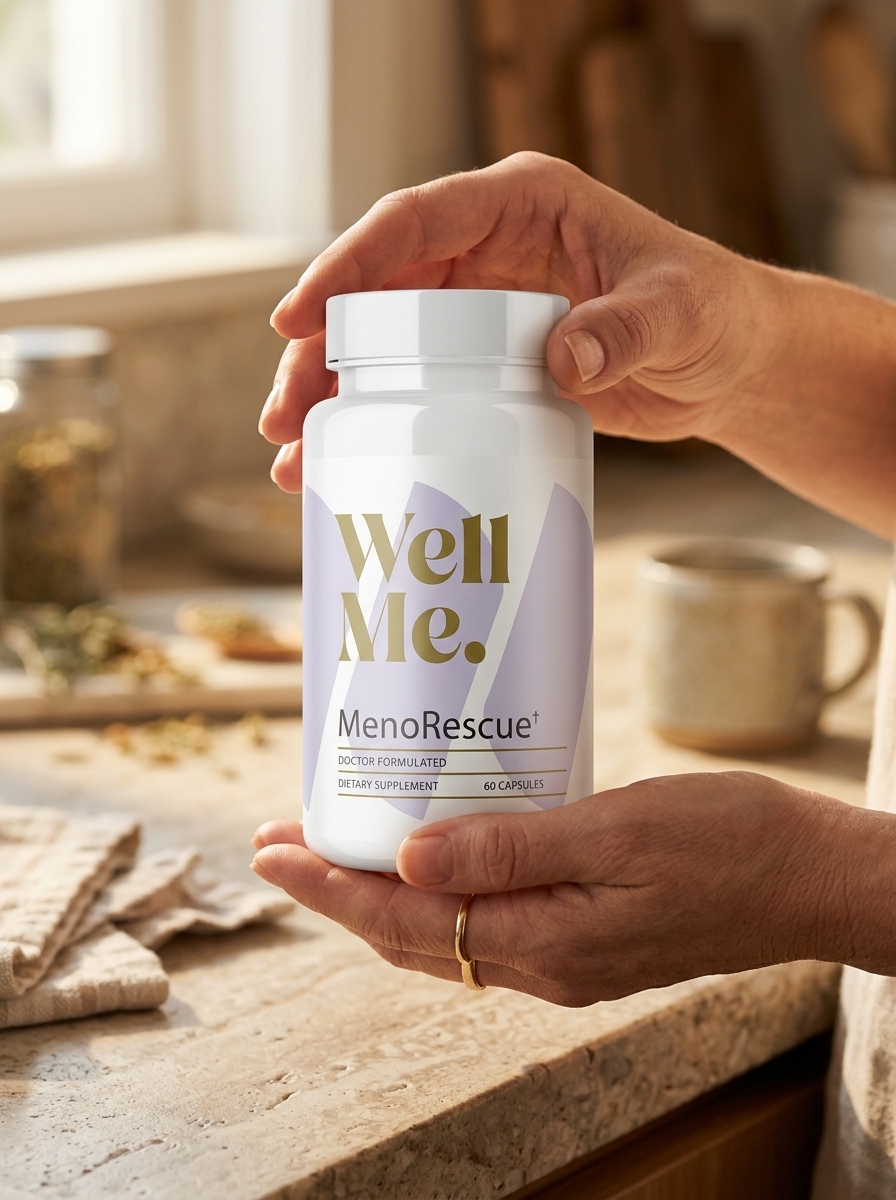
Find Your Emotional Balance
Support your body’s natural transition with comprehensive menopause relief that actually works.
MenoRescue targets the root causes of hormonal mood swings with clinically-backed herbs, vitamins, and minerals. Gentle yet effective support for better sleep, stable energy, and emotional resilience during this important transition. Your body deserves support that works with its natural rhythms.
- ✓ Fewer unexpected emotional storms
- ✓ More restful, uninterrupted sleep
- ✓ Steady energy without dramatic swings
When Everything Clicks Into Place

There’s a particular moment when you realize the emotional storms are becoming less frequent and less intense. It doesn’t happen all at once—it’s more like noticing that you haven’t cried unexpectedly in two weeks, or that the small irritations of daily life aren’t sending you into emotional tailspins anymore. Your responses start feeling more like you again.
This is when comprehensive menopause support makes its quiet but profound impact. MenoRescue works by addressing the root causes of hormonal instability rather than just masking symptoms. The carefully selected blend of herbs, vitamins, and minerals supports your body’s natural ability to maintain emotional balance during this transition, helping to smooth out the dramatic highs and lows that can make each day feel unpredictable.
What women often notice first is improved sleep quality. When your body can rest deeply and consistently, your emotional resilience improves dramatically. The small stresses that used to trigger major reactions start feeling manageable again. Hot flashes become less frequent and intense, which means fewer middle-of-the-night disruptions and more stable energy throughout the day.
The beauty of this type of support is that it works with your body’s natural rhythms rather than forcing artificial changes.
Want to wake up feeling like yourself again instead of emotionally exhausted?
The Rhythm of Better Days

Recovery from menopause mood swings doesn’t look like returning to your twenty-something emotional patterns. It looks like finding a new kind of stability—deeper, more grounded, less reactive to external circumstances. Your emotions become information again rather than overwhelming experiences that hijack your entire day.
Morning routines that once felt impossible to maintain become natural again. You wake up feeling like yourself, able to approach your day with intention rather than just surviving whatever emotional weather might blow through.
Relationships improve when your emotional responses become more predictable—to others and to yourself. You can engage in conflicts constructively rather than being overwhelmed by them. Joy feels more accessible, not dependent on perfect circumstances but available even in ordinary moments. The emotional numbness that sometimes accompanies menopause lifts, replaced by a steady capacity to feel without being overwhelmed. Physical symptoms often improve alongside emotional ones. When your hormonal system finds better balance, sleep improves, energy stabilizes, and even hot flashes become more manageable.
Permission to expect better days starts with the right support for your body.
The Permission to Feel Steady

Perhaps the most profound shift is giving yourself permission to expect better. For too long, women have been told that menopause is something to endure, that mood swings and emotional chaos are just part of “getting older.” This narrative keeps us accepting suffering that doesn’t have to define this phase of life.
You deserve to feel emotionally stable and resilient. You deserve mornings where you wake up feeling like yourself and evenings where you can reflect on your day with satisfaction rather than emotional exhaustion. The support exists—gentle, effective, scientifically-backed support that honors both your body’s needs and your desire to thrive during this transition.
This isn’t about returning to who you were before menopause. It’s about becoming who you’re meant to be now—wiser, more grounded, with access to both strength and softness. The emotional intensity of this transition can actually become a doorway to deeper self-understanding and more authentic relationships, but only when your basic emotional needs are met first.
The mood swings that feel so overwhelming right now are temporary. They’re your body’s way of asking for specific types of support during a profound biological transition.
When you provide that support consistently and gently, you’re not just managing symptoms—you’re creating space for the woman you’re becoming to emerge with grace and confidence.
Written by Liora Menden — for those who seek emotional balance
Your emotional wellbeing deserves the same attention you give everything else.