The optometrist handed me my new prescription and said everything looked normal for someone my age. But normal didn’t explain why my eyes felt heavy by 2 PM every day, or why focusing on my computer screen after lunch felt like lifting weights with my eyelids. The prescription would sharpen the blur, but it wouldn’t touch the deeper exhaustion that seemed to live behind my eyes.
I’d been attributing the fatigue to screen time, poor lighting, maybe stress. Classic middle-age stuff, I figured. But when I started paying attention to the pattern, I noticed something curious: the eye fatigue tracked almost perfectly with my overall energy dips. When my body felt tired, my eyes felt tired. When I had good energy days, my vision felt sharper and more comfortable.
That’s when I began to wonder if tired eyes weren’t really about eyes at all.
What I discovered changed how I think about vision health entirely. The fatigue I was feeling wasn’t just muscular strain or age-related decline. It was cellular exhaustion happening in some of the most energy-demanding tissue in my body.
The Energy Crisis Hiding in Plain Sight

Your eyes are metabolic powerhouses. The retina, that thin layer of tissue at the back of your eye, has one of the highest energy demands per gram of any tissue in your body. It’s constantly converting light into electrical signals, processing millions of photons every second, maintaining the delicate chemical balance that makes vision possible. All of this requires enormous amounts of cellular energy.
The cells responsible for this work are packed with mitochondria — those tiny cellular engines that convert nutrients into usable energy. When mitochondrial function starts to decline, which happens naturally as we age and accelerates under stress, the eyes are among the first places you feel it. That afternoon heaviness, the difficulty maintaining focus, the sense that your eyes are working harder than they used to — these aren’t just vision problems. They’re energy problems.
I started thinking about my eye fatigue the same way I’d think about muscle fatigue after a workout. The muscles weren’t broken; they were depleted. Maybe my eyes weren’t broken either. Maybe they were just running on empty, and I’d been trying to solve an energy problem with optical corrections.
This realization shifted my entire approach. Instead of just managing symptoms, I started looking for ways to support the fundamental energy production that makes healthy vision possible.
Ready to address the energy crisis behind your tired eyes?
When Common Solutions Miss the Mark

The standard protocol for eye fatigue is straightforward: reduce strain, increase moisture, optimize lighting. I tried it all. Blue light filters on my screens. The 20-20-20 rule — looking at something 20 feet away for 20 seconds every 20 minutes. Lubricating drops throughout the day. Better desk lighting. Earlier bedtimes to reduce overall fatigue.
These changes helped, but they felt like putting a bandage over a deeper issue. My eyes still felt tired by mid-afternoon. I still noticed that slight lag when shifting focus from near to far. The improvements were real but incomplete, like I was addressing the surface symptoms while the underlying problem continued.
What bothered me most was the progressive nature of it.
The fatigue was subtle but consistent, and it seemed to be slowly getting worse. I could imagine myself five years from now, ten years from now, dealing with increasingly tired eyes and increasingly complicated management strategies. There had to be something I was missing.
That’s when I started researching cellular energy and eye health. What I found was a connection that most people never consider: the intimate relationship between mitochondrial function and visual performance. It wasn’t enough to reduce demand on my eyes. I needed to increase their capacity.
When surface solutions miss the mark, go deeper with mitochondrial support.
The Mitochondria Connection Nobody Talks About

The more I learned about eye metabolism, the more fascinated I became. The photoreceptor cells in your retina contain more mitochondria per cell than almost any other cell type in your body. These aren’t just energy factories; they’re the foundation of vision itself. When light hits your retina, it triggers a cascade of chemical reactions that require massive amounts of cellular energy to sustain.
But here’s what’s remarkable: this process is incredibly vulnerable to mitochondrial decline. When your cellular engines start running less efficiently — which happens naturally with age, stress, poor sleep, and environmental toxins — your eyes are among the first systems to feel the impact. The fatigue, the slower focus adjustments, the increased sensitivity to bright lights — these are all signs that your visual system is operating on limited energy reserves.
I began to understand my eye fatigue as a window into my overall cellular health.
My eyes weren’t just tired; they were showing me that my mitochondria needed support. This was bigger than vision. This was about the fundamental energy systems that power everything from my morning alertness to my evening recovery.
The question became: how do you support mitochondrial function in a way that specifically benefits eye health? The answer led me to discover an approach that changed everything about how my eyes felt and performed.
Experience what sustained cellular energy can do for your eyes.
The Day I Stopped Accepting Tired Eyes as Normal

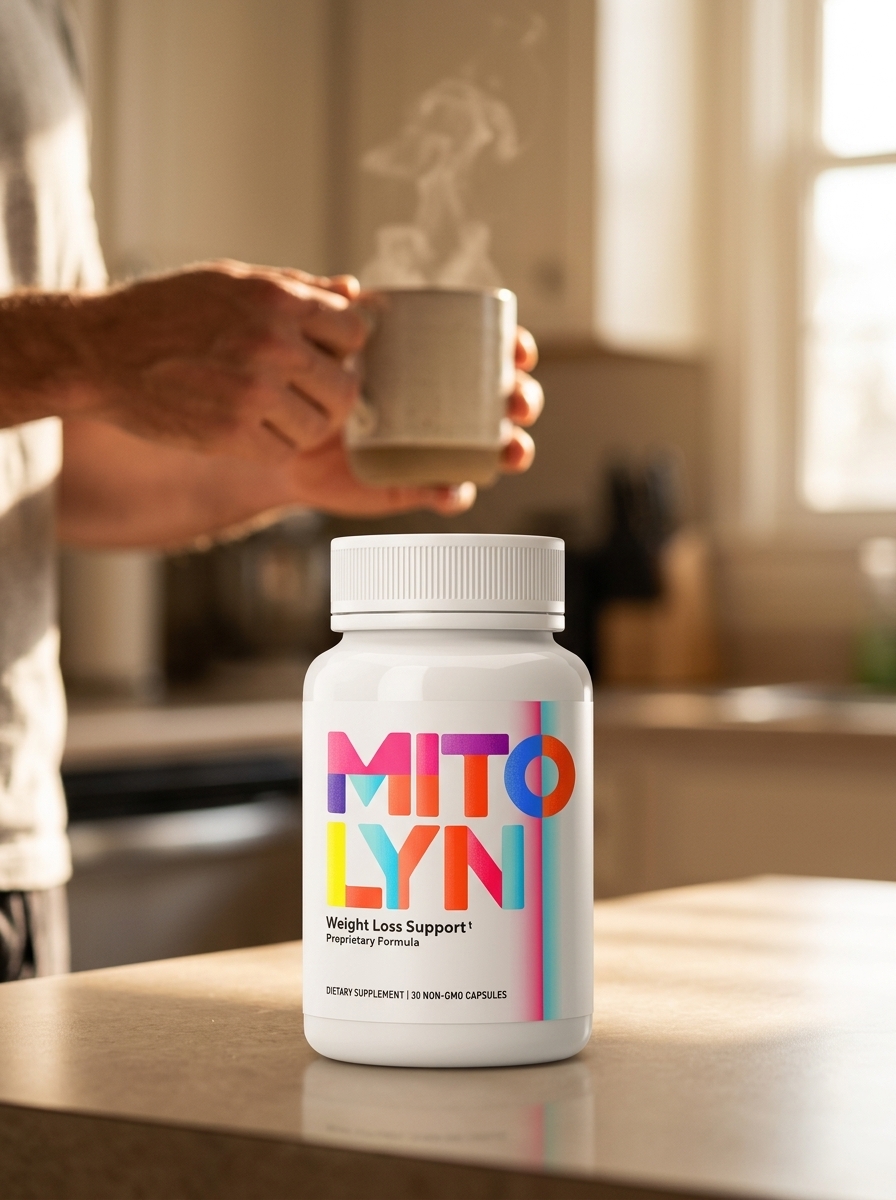
Two years ago, I started taking Mitolyn every morning with my coffee. I wasn’t looking for a miracle cure — I was looking for cellular support. Mitolyn is designed specifically to enhance mitochondrial function, helping your cells produce energy more efficiently. My thinking was simple: if eye fatigue was fundamentally an energy problem, then supporting energy production at the cellular level might be the most direct solution.
The change wasn’t immediate or dramatic. This isn’t the kind of supplement where you feel different within hours. But over the course of several weeks, I began to notice that my eyes weren’t hitting that afternoon wall the way they used to. The heavy, strained feeling that typically set in around 2 PM started arriving later in the day, if at all.
More interesting was what I noticed about my visual clarity. Colors seemed slightly more vivid. Text on screens appeared sharper, not because my prescription had changed, but because my eyes seemed to have more capacity to maintain focus. The slight lag I’d been experiencing when shifting between near and far vision began to smooth out. These weren’t huge changes, but they were consistent and progressive.
What convinced me that I was onto something was how my eyes felt at the end of long work days.
Instead of feeling depleted and strained, they felt… normal. Like they’d done their job without exceeding their capacity. That feeling of working harder to see clearly — a feeling I’d grown so accustomed to that I’d stopped noticing it — simply faded away.
Power Your Vision Cellular Deep
When tired eyes signal energy depletion, support the mitochondria behind every blink.
Your retina burns more energy per gram than almost any tissue in your body. Those afternoon crashes, focus struggles, and visual fatigue aren’t age — they’re cellular exhaustion. Mitolyn targets mitochondrial function to restore the energy foundation your eyes depend on for comfortable, clear vision all day long.
- ✓ Sustained visual comfort through long work days
- ✓ Smoother focus transitions and clearer detail perception
- ✓ Overall energy stability that radiates beyond vision
The Compound Effect of Cellular Support

Six months into taking Mitolyn daily, I realized the benefits extended far beyond my eyes. My overall energy felt more stable throughout the day. Those afternoon dips that used to leave me reaching for another cup of coffee became less pronounced. My sleep felt more restorative, and I woke up feeling more refreshed. This made perfect sense: if I was supporting mitochondrial function systemically, every energy-dependent process in my body would benefit.
But the eye changes remained the most noticeable and personally meaningful. My eyes had become a kind of energy barometer for my overall health. When I was well-rested, well-nourished, and managing stress effectively, my vision felt effortless. When I was pushing too hard or neglecting self-care, my eyes would be the first to signal that I needed to slow down.
I started thinking of eye health as a practice rather than a problem to solve.
Just like I wouldn’t expect my muscles to perform well without proper nutrition and recovery, I couldn’t expect my eyes to function optimally without cellular support. Mitolyn became part of a broader approach that included good sleep, regular breaks from screens, and attention to overall energy management.
The most surprising discovery was how much mental clarity improved alongside my visual comfort. When your eyes aren’t working harder than they need to, when focus transitions happen smoothly, when visual processing feels effortless, it frees up mental resources for everything else. I hadn’t realized how much cognitive energy I’d been unconsciously directing toward compensating for tired eyes.
Join thousands who’ve discovered the mitochondria-vision connection.
What Two Years of Daily Use Has Taught Me

Looking back over two years of consistent Mitolyn use, what strikes me most is the stability. My eye health hasn’t just improved; it’s become predictable in a way it wasn’t before. I know that regardless of how many hours I spend at my computer, how bright the lighting conditions are, or how late I stay up the night before, my eyes will have the cellular resources they need to function comfortably.
This consistency has changed my relationship with aging. Instead of expecting gradual decline and managing symptoms as they appear, I’m actively supporting the cellular processes that maintain healthy vision. I’m not trying to turn back the clock, but I’m also not accepting deterioration as inevitable.
The daily routine has become completely automatic. Mitolyn with my morning coffee, just like taking a multivitamin, except I actually notice the difference when I’m consistent with it. On the rare occasions when I’ve run out or forgotten to reorder, the return of that familiar eye fatigue within a week or two serves as a clear reminder of why I started this protocol in the first place.
More than anything, I’ve learned that eye health and energy health are inseparable. Supporting one inevitably supports the other. The tired eyes that I thought were just part of getting older turned out to be a signal that my cellular energy systems needed attention. Addressing that underlying need didn’t just improve my vision — it improved how I felt overall.
Stop accepting tired eyes as normal and start supporting cellular health.
The Morning Ritual That Changed Everything

These days, my morning starts with a simple acknowledgment: my eyes are about to do incredible work today. They’ll process millions of visual inputs, adjust to changing light conditions, maintain focus across varying distances, and coordinate complex movements — all while consuming enormous amounts of cellular energy. The least I can do is make sure they have what they need to perform well.
That daily Mitolyn capsule represents more than supplementation; it’s a commitment to long-term eye health and energy vitality. It’s me choosing to address the root cause rather than just managing symptoms. It’s the difference between hoping my eyes will feel good today and knowing I’ve given them the cellular support they need to function optimally.
Two years later, I no longer think of eye fatigue as normal or inevitable. I think of it as information — a signal that something needs attention. Most of the time now, that signal never comes. My eyes simply do their job, comfortably and efficiently, the way they’re meant to. The heavy, strained feeling that once defined my afternoons has become a rare exception rather than a daily expectation.
The best part is knowing that I’m not just maintaining my current level of visual comfort — I’m actively supporting the cellular processes that will determine how my eyes age over the decades to come. That feels like the kind of investment my future self will thank me for.
Written by Elias Menden — for those who seek lasting energy
Transform your daily energy and long-term eye health with targeted support.