The morning I realized I was squinting at my laptop screen before 9 AM, something clicked. Not the good kind of click—the uncomfortable recognition that my eyes felt tired before my day had even begun. I’d been attributing the fog, the strain, the way text seemed to swim slightly at the edges to too much screen time or needing new glasses. But sitting there, rubbing my temples, I started wondering if the problem wasn’t what I was looking at, but what I was putting into my body.
That curiosity led me down a path I hadn’t expected. Not another restrictive diet or elimination protocol, but a genuine understanding of how certain foods create cellular chaos specifically in the delicate tissues of our eyes. Once I grasped the mechanisms—the actual processes happening at the mitochondrial level—the changes I needed to make became obvious. And when I paired those dietary shifts with Mitolyn, a targeted mitochondrial support supplement, the difference in my visual clarity and overall energy became impossible to ignore.
This isn’t about following rules. It’s about protecting something precious once you understand how vulnerable it actually is.
The Foods That Steal Cellular Energy From Your Eyes

The first category I eliminated was anything that created advanced glycation end products—AGEs—in my system. These are compounds that form when proteins or fats combine with sugars, and they’re particularly destructive to the tiny blood vessels that feed your retina. I’d been starting most mornings with toast or cereal, not realizing I was essentially bathing my ocular tissues in inflammatory compounds before I even opened my laptop. The mechanism is straightforward but devastating: AGEs accumulate in retinal blood vessels, making them stiff and less efficient at delivering nutrients and oxygen to your eye cells. Your mitochondria—the power plants inside each cell—start struggling to produce the energy your vision requires.
The result feels like fatigue, but it’s actually cellular starvation happening in real time.
Processed foods with high sugar content weren’t just giving me energy crashes. They were systematically degrading the infrastructure my eyes depend on to function clearly. Once I understood this wasn’t about calories or weight, but about protecting cellular machinery, cutting out refined sugars and processed carbohydrates became a non-negotiable investment in my long-term vision.
Ready to give your mitochondria the targeted support they deserve?
How Industrial Oils Create Oxidative Stress in Eye Tissue
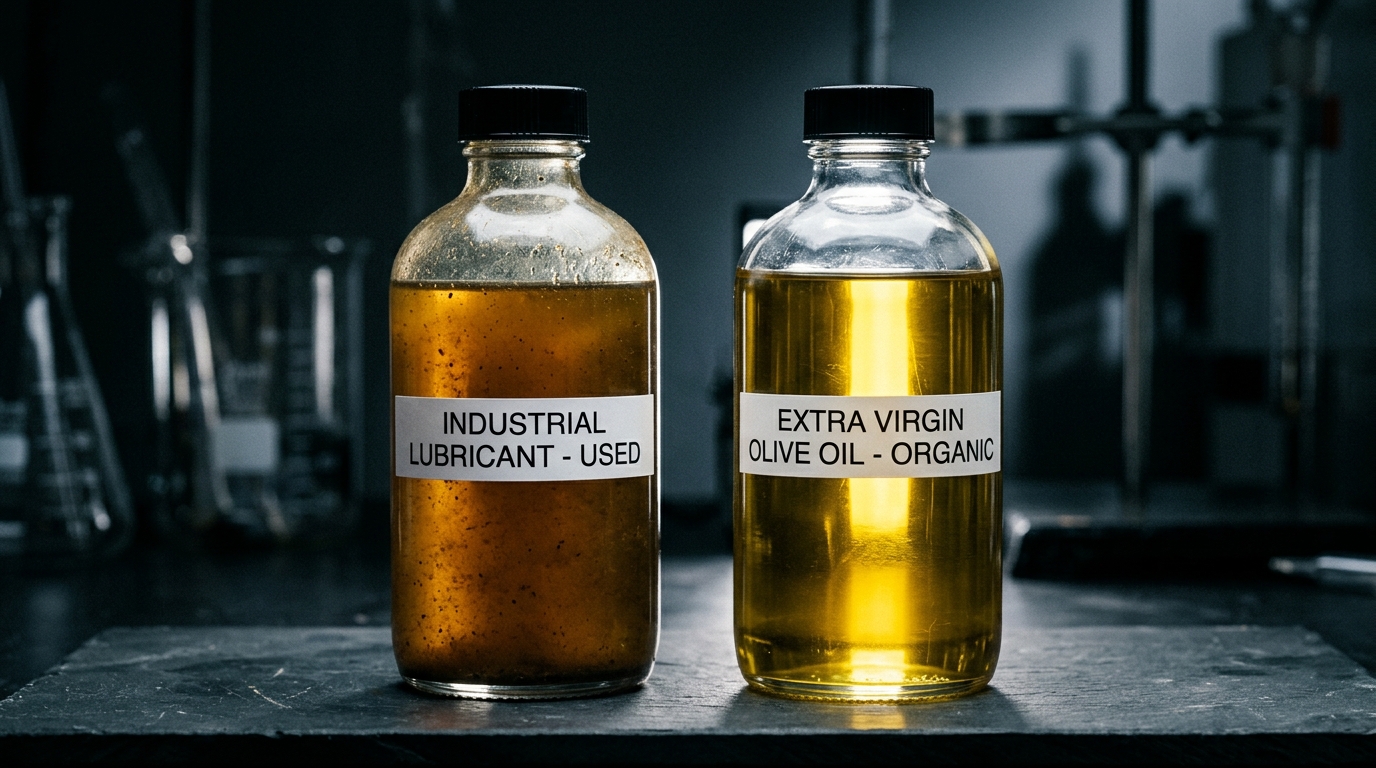
The second revelation came when I learned about lipid peroxidation—the process where certain fats become rancid inside your cells and create damaging free radicals. Vegetable oils, particularly the highly processed ones in most restaurant food and packaged snacks, are loaded with omega-6 fatty acids that become unstable when heated or stored improperly. Your retina has one of the highest concentrations of mitochondria in your entire body. These cellular powerhouses need clean, stable fats to maintain their membranes and produce energy efficiently.
When you flood your system with oxidized oils, those mitochondria start malfunctioning. The result isn’t just tired eyes—it’s a fundamental breakdown in the energy production system that keeps your vision sharp.
I stopped cooking with vegetable oil, avoided fried foods, and became selective about packaged snacks. The difference wasn’t immediate, but after a few weeks, the persistent heaviness behind my eyes started lifting. My afternoon energy crashes became less severe, and I noticed I could focus on detailed work longer without strain.
Curious how mitochondrial support could transform your daily visual clarity?
Why Excess Iron Was Quietly Damaging My Retinal Cells

This discovery surprised me the most. I’d always thought of iron as essential—which it is, in the right amounts. But I learned that excess iron, particularly the kind found in fortified cereals and supplements I didn’t actually need, can accumulate in retinal tissue and catalyze the formation of harmful free radicals. The retina is especially vulnerable because it’s constantly exposed to light, which interacts with excess iron to create oxidative damage. Think of it like rust forming on metal, but happening inside the cells responsible for converting light into vision.
This process directly damages the mitochondria in your photoreceptor cells, reducing their ability to process visual information efficiently.
I stopped eating iron-fortified cereals and became more thoughtful about iron supplementation. Instead of assuming more was better, I focused on getting iron from whole food sources in amounts my body could actually use. The chronic feeling of visual fatigue—that sense that my eyes were working harder than they should—started to ease.
Want to experience what steady cellular energy feels like for your eyes?
The Hidden Inflammatory Triggers in Common Foods

Gluten and certain lectins weren’t affecting just my digestive system—they were creating systemic inflammation that reached my eye tissues. I discovered that chronic low-grade inflammation disrupts the blood-retinal barrier, allowing inflammatory molecules to damage the delicate cells responsible for clear vision. The mechanism involves inflammatory cytokines that interfere with mitochondrial function throughout your body, but the effects are particularly noticeable in tissues with high energy demands like your retina.
When your eye cells can’t produce energy efficiently, everything from focusing to processing contrast becomes more difficult.
Eliminating foods that triggered this inflammatory cascade—wheat, certain beans and nightshades that didn’t agree with me—felt like removing a constant low-level stress from my visual system. The improvement was subtle at first, like the difference between looking through a slightly dirty window and a clean one.
Time to invest in the cellular powerhouses your vision depends on?
How Mitolyn Changed the Game for My Cellular Energy

Removing the foods that were damaging my mitochondria was essential, but I wanted to actively support the cellular repair process. That’s when I discovered Mitolyn, a supplement specifically designed to enhance mitochondrial function. After researching its ingredients—including compounds that directly support the electron transport chain where cellular energy is produced—I decided to try it alongside my dietary changes. The combination was remarkable.
While cutting out inflammatory foods had reduced the damage, Mitolyn seemed to enhance my cells’ ability to repair and produce energy more efficiently. Within the first month, I noticed my eyes felt less strained during long work sessions, and the foggy feeling that used to creep in by afternoon became rare.
What impressed me most was how Mitolyn targets the specific cellular processes I’d learned were crucial for eye health. Rather than just masking symptoms, it supports the fundamental energy production that healthy vision requires. The science behind mitochondrial support made perfect sense once I understood how vision problems often start at the cellular level.
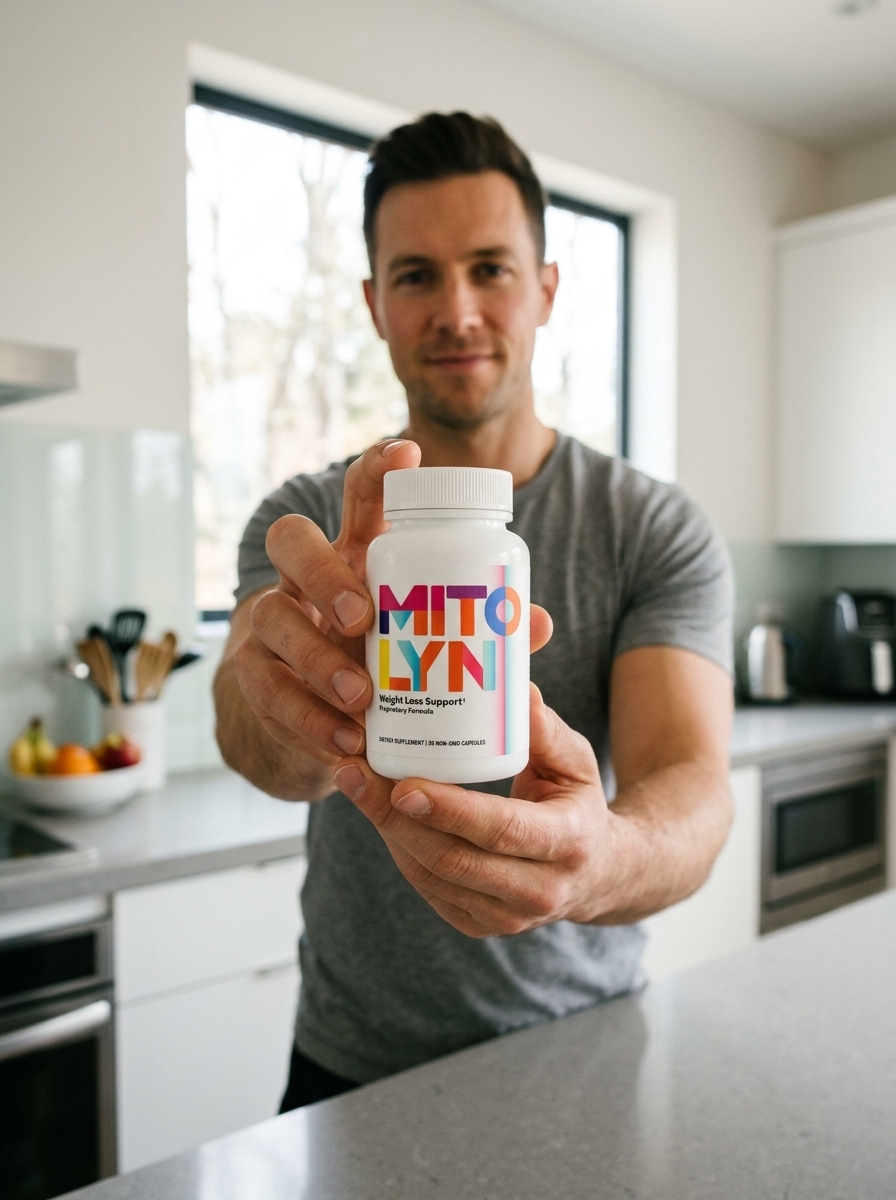
Power Your Cellular Energy
Give your mitochondria the targeted support they crave for sustained visual clarity.
Mitolyn delivers research-backed compounds that enhance your cellular powerhouses directly. While dietary changes remove the damage, this supplement actively supports the energy production your eyes demand. Experience the difference when your retinal cells get the mitochondrial support they need to function optimally throughout your day.
- ✓ Sustained focus without afternoon crashes
- ✓ Clear vision that lasts through screen time
- ✓ Cellular energy you can actually feel working
The Unexpected Connection Between Sugar Crashes and Visual Fatigue

One pattern became clear once I started paying attention: the worse my blood sugar swings, the more my eyes struggled. I realized that the energy demands of vision are so high that when your cellular fuel supply becomes erratic, your eyes are among the first systems to show strain. Every time I ate something that spiked my blood sugar—followed by the inevitable crash—my vision would feel cloudy and unfocused an hour or two later.
This wasn’t psychological; it was my retinal cells literally running out of steady fuel.
The mitochondria in my eye tissues were being forced to operate in feast-or-famine mode, never getting the consistent energy supply they needed for optimal function. Stabilizing my blood sugar through better food choices created a foundation, but adding Mitolyn provided the additional mitochondrial support that transformed occasional good days into consistent visual clarity. The supplement seemed to help my cells maintain steady energy production even when my blood sugar wasn’t perfect.
Ready to protect your retinal cells with science-backed mitochondrial support?
What My Mornings Look Like Now

Six months later, I wake up and my eyes feel ready to focus immediately. Not perfect—I’m still human and I still spend too much time looking at screens—but there’s a fundamental difference in how my visual system responds to demands throughout the day. My breakfast consists of foods that support rather than stress my cellular machinery: eggs cooked in grass-fed butter, some berries, maybe avocado. I take Mitolyn with my morning routine, knowing I’m giving my mitochondria the specific support they need to power clear vision all day.
The afternoon energy crashes that used to make reading feel impossible are mostly gone.
When I do experience visual fatigue, it feels different—more like natural tiredness at the end of a productive day rather than the frustrated strain of cells struggling to function properly.
Interested in experiencing visual clarity that lasts all day long?
Why Understanding Mechanisms Changes Everything

The difference between following dietary rules and protecting cellular function is profound. When you understand that certain foods create oxidative damage specifically in retinal tissue, or that excess sugar interferes with mitochondrial energy production in your photoreceptor cells, the choices become obvious rather than restrictive. I’m not avoiding foods because someone told me they were “bad.” I’m choosing foods that support the cellular processes my vision depends on, and supplementing with Mitolyn to enhance those processes further.
It’s the difference between following instructions and having a partnership with your own biology.
My eyes feel protected now in a way they never did when I was just hoping good intentions would be enough. Understanding the science transformed dietary changes from willpower exercises into investments in something I genuinely want to preserve.
Written by Elias Menden — for those who seek cellular protection
Ready to feel the difference this formula makes?