There is a moment — usually somewhere around 3 p.m. — where the body stops asking politely. It does not suggest a snack. It demands one. And if you trace that moment back far enough, most of the time it leads not to the afternoon, but to how the morning started. Specifically, to a breakfast that was too small, too sweet, or too rushed to actually hold anything together.
Reactive cravings are one of the most misread signals the body sends. Most people blame willpower. What is actually happening is simpler — and more fixable — than that.
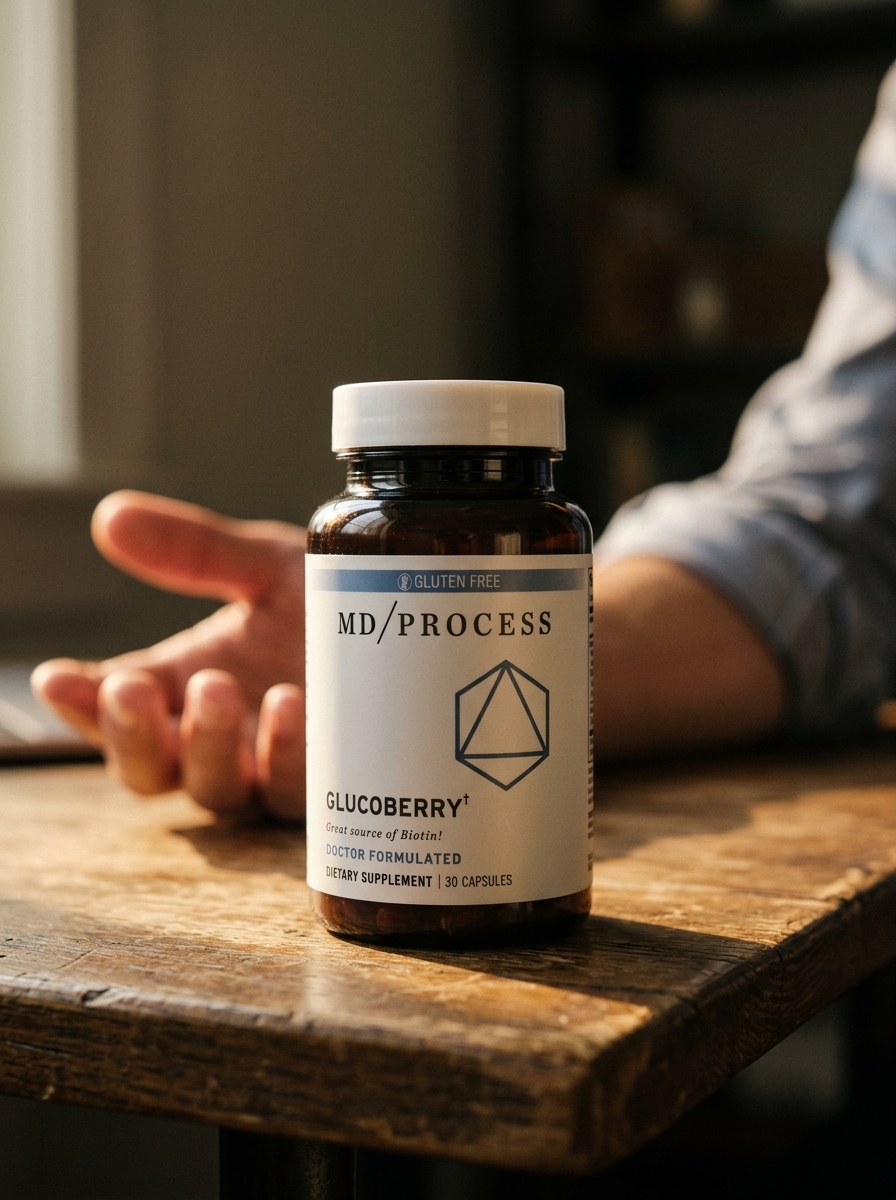
GlucoBerry changed how I thought about this. Not because it made me eat differently overnight, but because it helped me understand what was happening beneath the surface every time I walked into the kitchen at 10 p.m. and opened the pantry door like I had a plan. Blood sugar instability is quiet in the morning and loud in the evening. And the morning is almost always where it starts.
This is not a lecture about clean eating or portion size. This is about a pattern that most people are living inside of without realizing it — and what becomes possible when you steady the thing that is driving the cycle in the first place.
The Breakfast That Feels Fine Until It Doesn’t

Most light breakfasts feel acceptable in the moment. A piece of toast. A coffee with oat milk and a half-spoon of honey. Maybe a banana grabbed on the way out. None of these feel like a mistake when you eat them. The mistake announces itself later — usually around the time you are trying to focus on something that requires your full attention and your brain has quietly started rationing fuel.
What a light, carbohydrate-leaning breakfast does is create a fast rise in blood sugar followed by an equally fast drop. Your body responds to that drop by releasing stress hormones — cortisol and adrenaline — that signal urgency. Suddenly you are not just a little hungry. You are reaching for the closest thing with sugar or salt because your body has interpreted the drop as a minor emergency. This is not a character flaw. This is the biology doing exactly what it was designed to do. The problem is that the trigger was a breakfast that never gave the system a stable foundation to stand on.
Steady the Swing Before It Starts
The 3 p.m. pull isn’t willpower. It’s what breakfast left unfinished.
GlucoBerry supports healthy blood sugar balance and helps the kidneys clear excess glucose — reducing the sharp morning-to-afternoon swings that drive reactive cravings. When the system underneath your habits is more stable, the urgency quiets. Afternoons feel less like survival. Evenings stop ending at the snack drawer.
- ✓ Steadier energy between meals — no white-knuckling the afternoon
- ✓ Fewer reactive cravings driven by blood sugar drops
- ✓ Supports kidney glucose drainage for cleaner metabolic balance
Building a Morning That Actually Holds
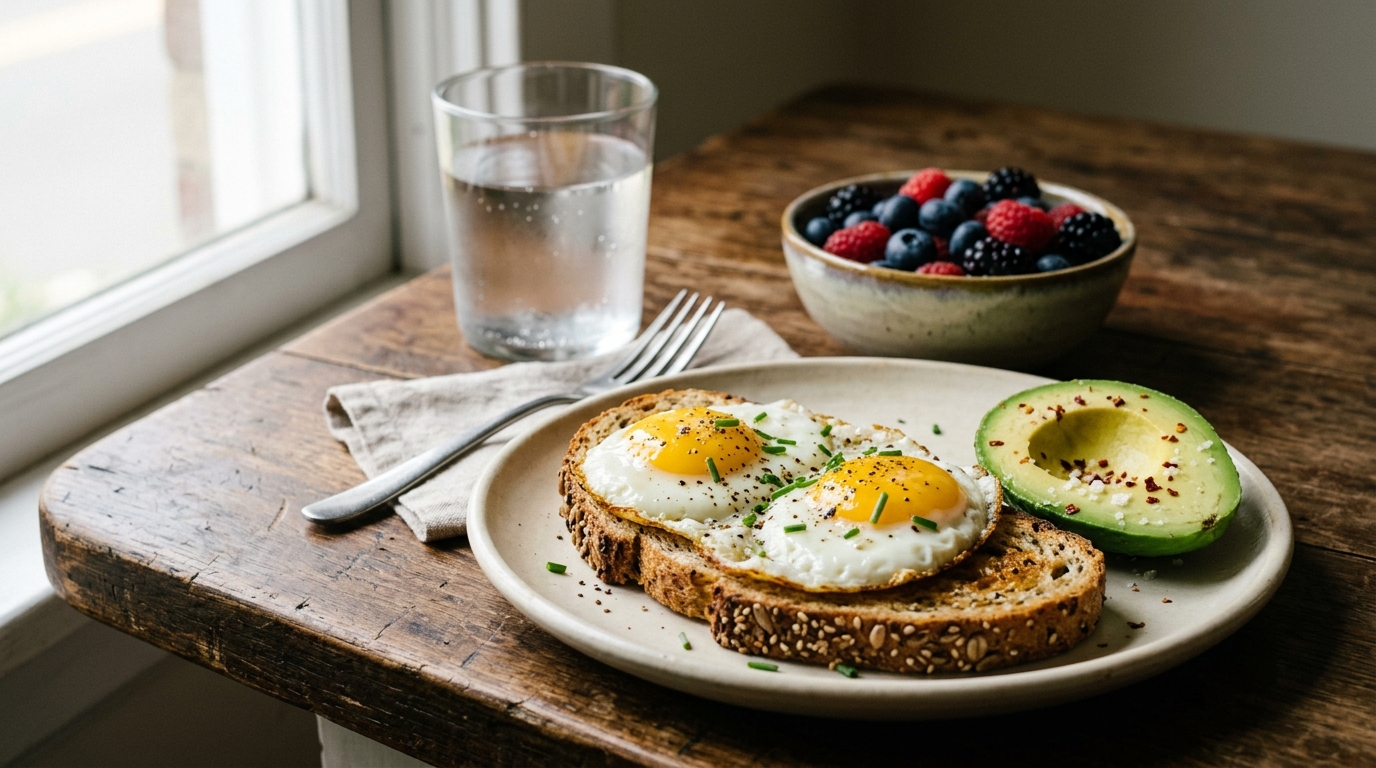
The research on breakfast composition is fairly consistent. Protein and healthy fat slow the absorption of carbohydrates and blunt the blood sugar spike that follows eating. A meal built around eggs, Greek yogurt, or nut butter with some fiber-rich carbohydrates — whole grain, fruit, vegetables — digests more slowly and keeps blood sugar on a gentler curve. The drop that follows is gradual rather than steep, and the body’s compensatory response is mild rather than urgent.
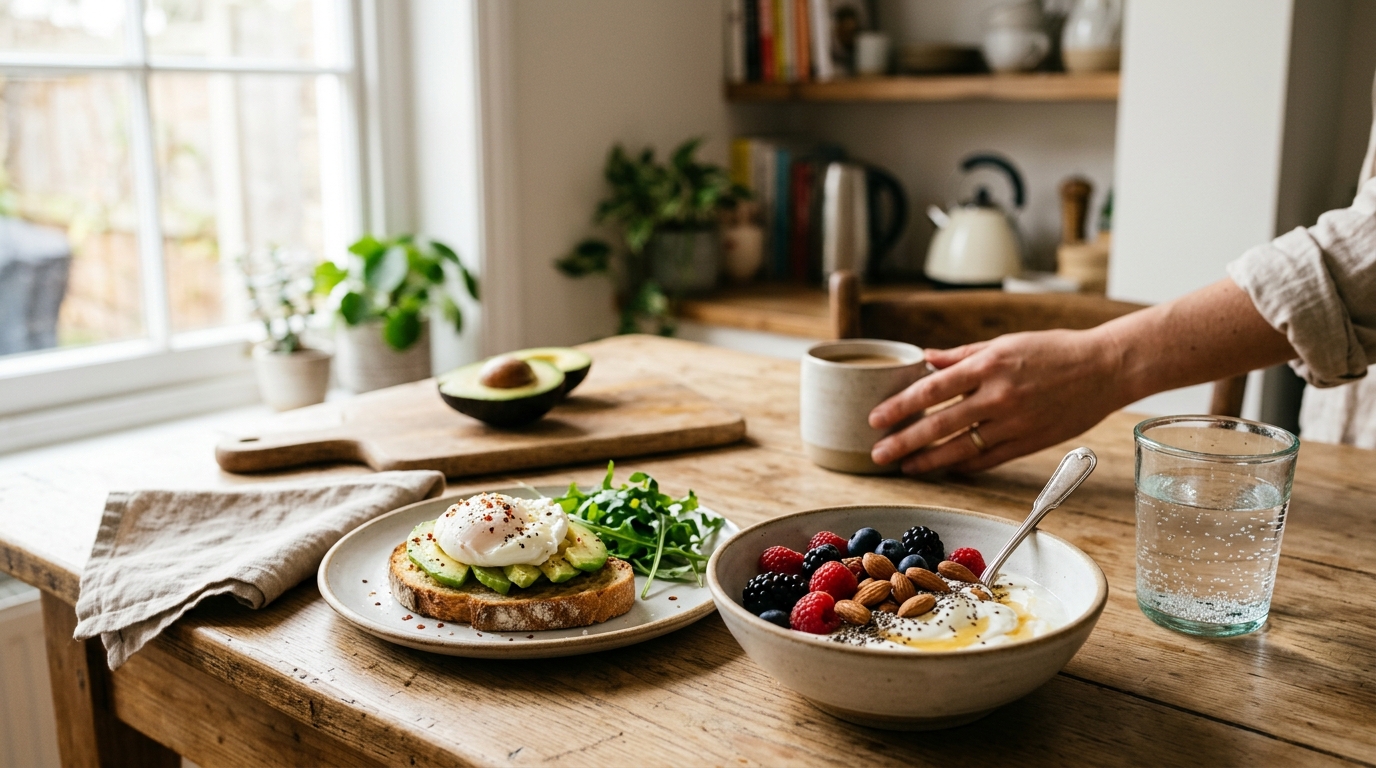
This does not require a complicated meal. Two eggs with a slice of whole grain toast and half an avocado. A bowl of full-fat Greek yogurt with berries and a tablespoon of almond butter. These are not elaborate. They are structurally different from the thin, carb-forward breakfasts that send blood sugar on a roller coaster before the workday properly begins. Small shifts in breakfast composition create measurably different afternoons — less urgency, steadier energy, quieter cravings. Add GlucoBerry into that steadier foundation and the pattern becomes something you can actually feel working.

You’ve been managing the symptom. Here’s what addresses the source.
The Afternoon That Surprised Me

The first afternoon I noticed a difference, I almost did not trust it. I had made a better breakfast. I had taken GlucoBerry as part of my morning. By 3 p.m. I was working, not watching the clock until I could eat something. I was not distracted by urgency. I finished what I was working on without needing to break for a snack first. It felt, honestly, like a different body.
When blood sugar is cycling hard, a significant amount of cognitive and physical energy goes toward managing it. You are not fully available for your day because part of your system is in constant triage. When that steadies, the energy that was going into craving management becomes available for everything else.
Focus. Patience. Follow-through. These are not personality traits that improve on their own. They improve when the metabolic foundation stops pulling resources away from them.
Give your morning a foundation that holds through the afternoon.
When You Stop Blaming Yourself for the Snack Drawer

The craving you feel at 10 p.m. standing in front of the open refrigerator is not a moral failing. It is the last chapter of a story that started with breakfast. Once that becomes clear, the energy you were spending on guilt can go somewhere more useful — like choosing a breakfast with enough structure to hold the morning, and giving your blood sugar system the kind of support that keeps the afternoon from feeling like a battle.
GlucoBerry is part of how I made that permanent rather than occasional. Not a fix for every food choice, but a consistent layer of support that keeps the swings from running the day. Cravings are data. They are the body communicating something real. When you read them as the end of a blood sugar pattern rather than the beginning of a willpower failure, the whole picture changes. And so does what you reach for — starting with what you put on the plate before anything else demands your attention.
Written by Elias Menden — for those who seek steadier energy and a quieter relationship with hunger
It’s not willpower. It’s the system beneath it that needs support.
You can stop arguing with the snack drawer.