I used to think good skin was about what I put on it. Serums lined my bathroom counter like tiny soldiers, each promising to fix what the last one couldn’t. Then I caught my reflection one morning — not in the harsh bathroom light, but in the soft glow filtering through my kitchen window — and realized my skin looked different. Clearer. Like it was lit from somewhere deeper than any cream could reach.
The shift hadn’t come from a new product. It came from five foods I’d been eating consistently for months, almost without thinking about it. Foods that work at the cellular level, feeding the mitochondria that power every skin cell’s ability to repair, renew, and glow.
This isn’t about miracle cures or overnight transformations. It’s about understanding that beautiful skin starts in the cell, and the right foods — paired with targeted cellular support — can create changes that no topical treatment ever could.
The Morning That Everything Clicked

Three months ago, my neighbor asked if I’d started using a new foundation. I wasn’t wearing any makeup at all — just standing in my garden at 7 AM, coffee in hand, checking on the tomatoes. That’s when I realized something fundamental had shifted.
The foods I’d been incorporating weren’t exotic superfoods with unpronounceable names. They were simple, whole foods that I’d learned to prepare in ways that maximized their cellular benefits. Wild-caught salmon twice a week. Blueberries in my morning smoothie. Sweet potatoes roasted until they caramelized at the edges. But here’s what I discovered: these foods work exponentially better when your cells can actually use them.
When your mitochondria — the powerhouses inside every skin cell — are functioning optimally, they can transform these nutrients into the energy needed for collagen production, cellular repair, and that subtle radiance that comes from health, not highlighter.
That’s where targeted cellular support comes in.
Ready to unlock your skin foods’ hidden potential?
Wild Salmon: The Omega-3 Foundation
Saturday mornings, I walk to the fish market and choose salmon with deep coral flesh — the color tells me it’s rich in astaxanthin, one of nature’s most powerful antioxidants. I prepare it simply: olive oil, lemon, herbs from my windowsill garden. The omega-3s in salmon don’t just hydrate skin from within; they support the cellular membranes that determine how well nutrients get in and toxins get out. When these membranes function properly, skin cells can maintain their plumpness, elasticity, and natural protective barrier.
I eat salmon twice a week, sometimes three. Not because someone told me to, but because I notice the difference when I don’t. My skin feels thinner somehow, less resilient. The omega-3s seem to give my complexion a certain fullness that no amount of face oil can replicate.
But omega-3s work best when your cells can efficiently convert them into the active forms your skin actually uses. This is where cellular optimization becomes crucial — it’s the difference between eating nutrients and actually benefiting from them at the deepest level.
Your cells deserve the support to use every nutrient fully.
Blueberries: The Antioxidant Shield

Every morning, I add a handful of blueberries to whatever I’m having. Yogurt, oatmeal, or just eaten one by one while I make coffee. These small, dark berries contain anthocyanins — compounds that protect skin cells from the oxidative stress that ages us from the inside out. What most people don’t realize is that antioxidants from food work differently than those in supplements. They’re recognized by your cells as food, not foreign substances, so they integrate more naturally into your body’s existing antioxidant networks.
I buy frozen blueberries when fresh ones aren’t in season. The freezing process actually breaks down the cell walls slightly, making some nutrients more bioavailable.
I’ve noticed that consistency matters more than perfection — it’s better to have frozen blueberries every day than fresh ones sporadically. The anthocyanins in blueberries support the small blood vessels that feed your skin, improving circulation and that subtle flush of health that makes skin look alive. But they need cellular energy to do their work effectively, which is why supporting mitochondrial function amplifies their benefits considerably.
Transform good nutrition into visible radiance from within.
Sweet Potatoes: The Beta-Carotene Glow

Sunday afternoons, I roast sweet potatoes whole until the skin wrinkles and the flesh becomes almost custard-like. The slow cooking concentrates the beta-carotene and breaks down the cell walls, making this precursor to vitamin A more available to my system. Beta-carotene supports skin cell turnover — the process by which old, damaged cells are replaced by fresh ones. This isn’t the aggressive exfoliation promoted by skincare marketing, but the gentle, natural renewal that happens when skin is healthy from within.
I eat the sweet potatoes warm, sometimes with a drizzle of olive oil. The healthy fats help with beta-carotene absorption, and there’s something deeply satisfying about eating food that’s both nourishing and comforting.
When cellular energy production is optimized, your skin can more efficiently convert beta-carotene into the active vitamin A forms needed for collagen synthesis and skin repair. It’s like upgrading your cellular machinery to run more efficiently.
Give your mitochondria the support they need to energize skin cells.
Avocados: The Healthy Fat Carrier

I add avocado to something almost every day — not because it’s trendy, but because healthy fats are essential for skin barrier function and nutrient absorption. The monounsaturated fats in avocados help maintain skin suppleness and support the absorption of fat-soluble vitamins from other foods. But avocados do something else important: they contain compounds that support mitochondrial membrane stability. These cellular powerhouses need healthy membranes to function efficiently, and when they do, skin cells have the energy needed for optimal repair and renewal processes.
I prepare avocados simply — sliced with sea salt and lemon, mashed with herbs, or blended into smoothies.
What I’ve learned is that healthy fats work synergistically with cellular support supplements like Mitolyn. While avocados provide the raw materials for healthy cell membranes, targeted mitochondrial support ensures those membranes can function at their peak, maximizing the beauty benefits of every nutrient-dense bite.
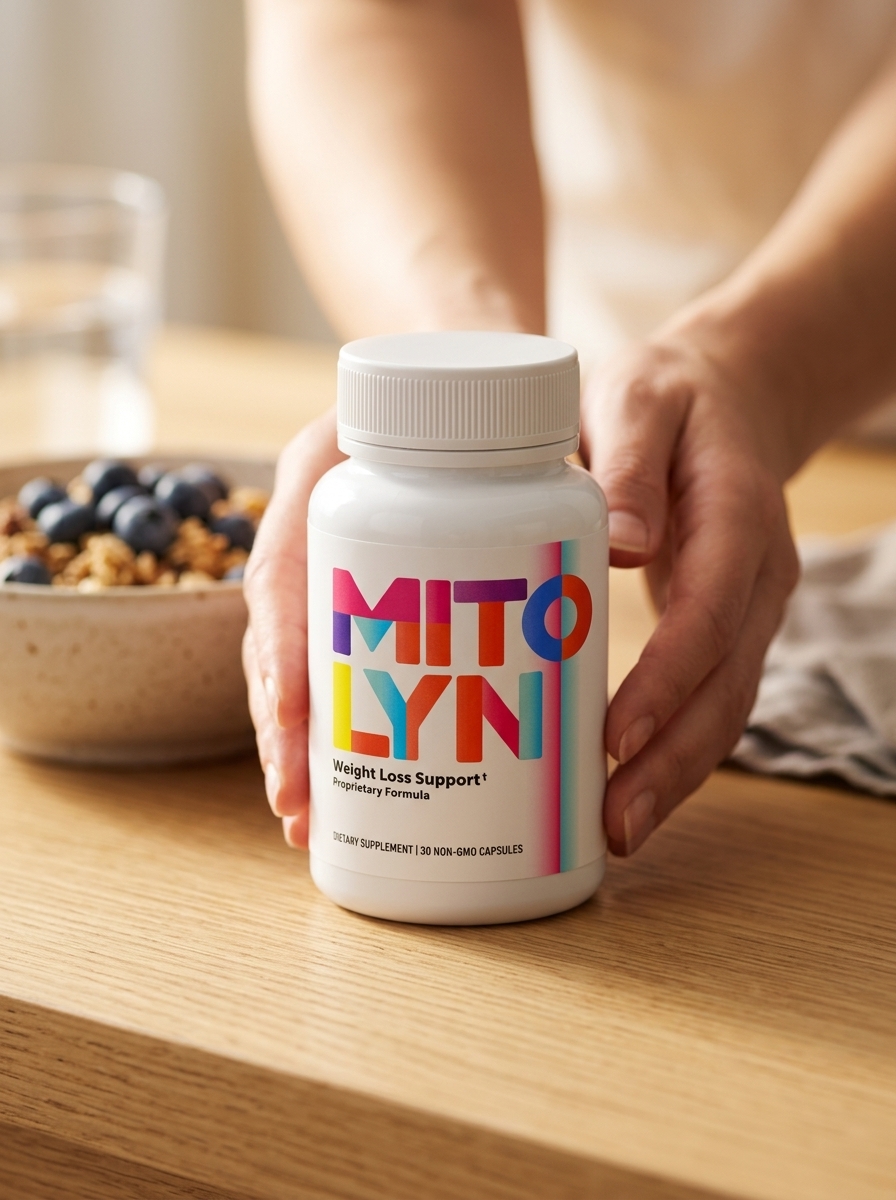
Unlock Your Skin Foods’ Power
When your cells work optimally, every nutrient becomes more effective.
Mitolyn provides targeted antioxidants that protect and energize mitochondria — the powerhouses in every skin cell. This cellular support amplifies how your body uses nutrients from salmon, blueberries, and other skin foods, creating the energy needed for collagen production, repair, and that natural radiance that no cream can replicate.
- ✓ Deep cellular energy for skin renewal
- ✓ Enhanced nutrient absorption and utilization
- ✓ Natural radiance from optimized cell function
Dark Leafy Greens: The Folate Foundation

Spinach, kale, arugula — I rotate through different greens, but I have some form daily. Usually wilted into eggs, blended into smoothies, or massaged with olive oil and lemon for quick salads. The folate in leafy greens supports DNA repair in skin cells, helping prevent the accumulation of damage that shows up as premature aging. These greens also contain compounds that support natural detoxification pathways. When your body can efficiently process and eliminate toxins, your skin doesn’t have to work as hard as a backup elimination system. This shows up as clearer, calmer skin with fewer breakouts and less inflammation.
The chlorophyll in dark greens has a molecular structure similar to hemoglobin, which may support oxygen delivery to skin cells. Well-oxygenated skin has that subtle vitality that makes people ask what you’re doing differently.
But detoxification and cellular repair are energy-intensive processes. When mitochondria are functioning optimally, your skin cells have the energy needed to maintain these important processes consistently, rather than struggling to keep up with daily demands.
Experience what happens when cellular energy meets nutrient density.
The Missing Piece: Cellular Energy Support
For months, I ate these five foods religiously and saw gradual improvements. But the real transformation happened when I added Mitolyn to support my cellular energy production. It’s like the difference between having good ingredients and having a kitchen that actually works efficiently.
Mitolyn provides targeted antioxidants that work specifically at the mitochondrial level, protecting these cellular powerhouses from the oxidative stress that can impair their function. When mitochondria work optimally, skin cells can fully utilize the nutrients from food, turning them into the energy needed for collagen production, cellular repair, and natural renewal.
I take Mitolyn in the morning with breakfast, usually alongside my blueberry smoothie or sweet potato hash. The combination of nutrient-dense foods and targeted cellular support creates a synergy that neither approach could achieve alone.
Within a few weeks of adding this cellular support, I noticed that my skin’s response to the foods seemed amplified. The glow was brighter, the texture smoother, and that overall vitality more pronounced. It was like upgrading my body’s ability to use the good things I was giving it.
Stop wondering what real skin health looks like — start living it.
What Changes When Everything Works Together

Six months later, my skin routine has simplified dramatically. I still use gentle, quality products, but I’m not constantly searching for the next miracle serum. My skin has a resilience and radiance that feels sustainable rather than dependent on perfect conditions or expensive treatments. People notice the difference in ways they can’t quite articulate. Better skin texture, yes, but also something deeper — a vitality that suggests health rather than just good genetics or expensive facials. The kind of glow that comes from cells functioning optimally, not from highlighter.
The morning routine is simple now: Mitolyn with breakfast, usually including at least two of my five skin foods. Throughout the day, these nutrients work with the cellular support to maintain the energy production that keeps skin functioning like the complex, living organ it is.
This isn’t about perfection or strict rules. It’s about understanding that beautiful skin is a reflection of cellular health, and that the right combination of nutrient-dense foods and targeted cellular support can create changes that no topical treatment ever could. Some mornings, when I catch my reflection in that soft kitchen light, I’m still surprised by what I see.
But it’s not surprise anymore — it’s recognition of what skin looks like when it’s truly healthy from within.
Written by Liora Menden — for those who seek beauty that starts in the cell
Ready to feel the difference this formula makes?