
The coffee cup sits half-empty on your desk as you notice the afternoon fatigue settling in again. Your shoulders carry a familiar tension, and there’s that persistent mental fog that no amount of caffeine seems to clear. What you’re experiencing isn’t just the natural rhythm of a busy day—it’s your cells crying out for repair.
Every second of every day, your DNA endures thousands of hits. Ultraviolet light from the morning sun streaming through your car window. Free radicals generated from the very act of breathing. Environmental toxins floating invisibly through the air. Even the simple process of your cells dividing creates tiny fractures in your genetic code. Your body has been fighting this cellular war since the moment you were born, and right now, the repair crews inside your cells are working overtime just to keep you functioning.
The remarkable thing is that you’re still here, still thinking, still moving through your day.
That’s because your cells possess one of nature’s most sophisticated repair systems—a molecular maintenance crew that works around the clock to fix the damage and keep your cellular machinery running smoothly. But here’s what most people don’t realize: this repair system needs the right fuel to function at its best.
The Silent Battle Inside Every Cell
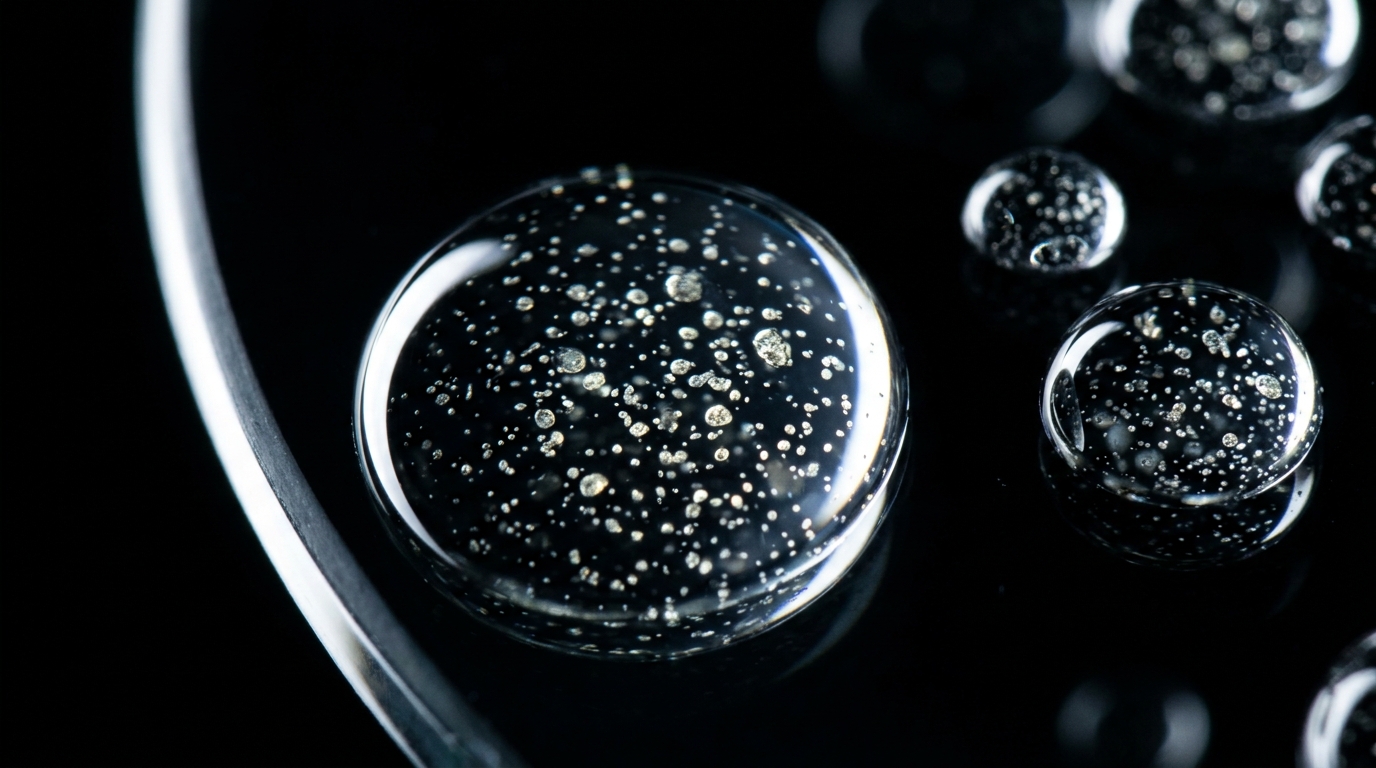
Picture your DNA as the blueprint for a massive construction project—your life. Every day, this blueprint gets coffee stains, torn corners, and smudged lines. Without constant maintenance, the instructions become unreadable, and the whole project falls apart. That’s essentially what happens when DNA repair mechanisms slow down or become inefficient.
Your cells face an estimated 10,000 to 100,000 DNA lesions per day. Think about that number for a moment.
While you’re sitting in traffic or attending a meeting, microscopic repair crews are frantically patching holes, replacing damaged sections, and restoring order to your genetic code. This isn’t some distant biological process—it’s happening in your brain cells as you read these words, in your heart muscle as it beats, in every tissue that keeps you alive and thriving. When this repair system works efficiently, you feel energetic, focused, and resilient. Your skin maintains its elasticity, your muscles recover quickly from exercise, and your mind stays sharp. But when DNA repair mechanisms become overwhelmed or undernourished, you start noticing the signs: persistent fatigue, slower recovery times, brain fog, and that general sense that your body isn’t performing like it used to.
Your cells are fighting for repair every second—give them what they need.
The Mitochondrial Connection Nobody Talks About

Here’s where the story gets interesting. While most people think of DNA repair as something that happens in the cell’s nucleus, there’s another crucial player that rarely gets the attention it deserves: your mitochondria. These cellular powerhouses don’t just produce energy—they’re also home to their own DNA repair systems, and they’re incredibly vulnerable to damage.
Mitochondrial DNA gets hit with free radicals at a rate ten times higher than nuclear DNA, simply because it sits so close to where energy production happens. It’s like trying to maintain a delicate watch while sitting next to a welding station. The constant barrage of oxidative stress means your mitochondria need robust repair mechanisms to stay functional, and when those mechanisms falter, your energy production takes a direct hit.
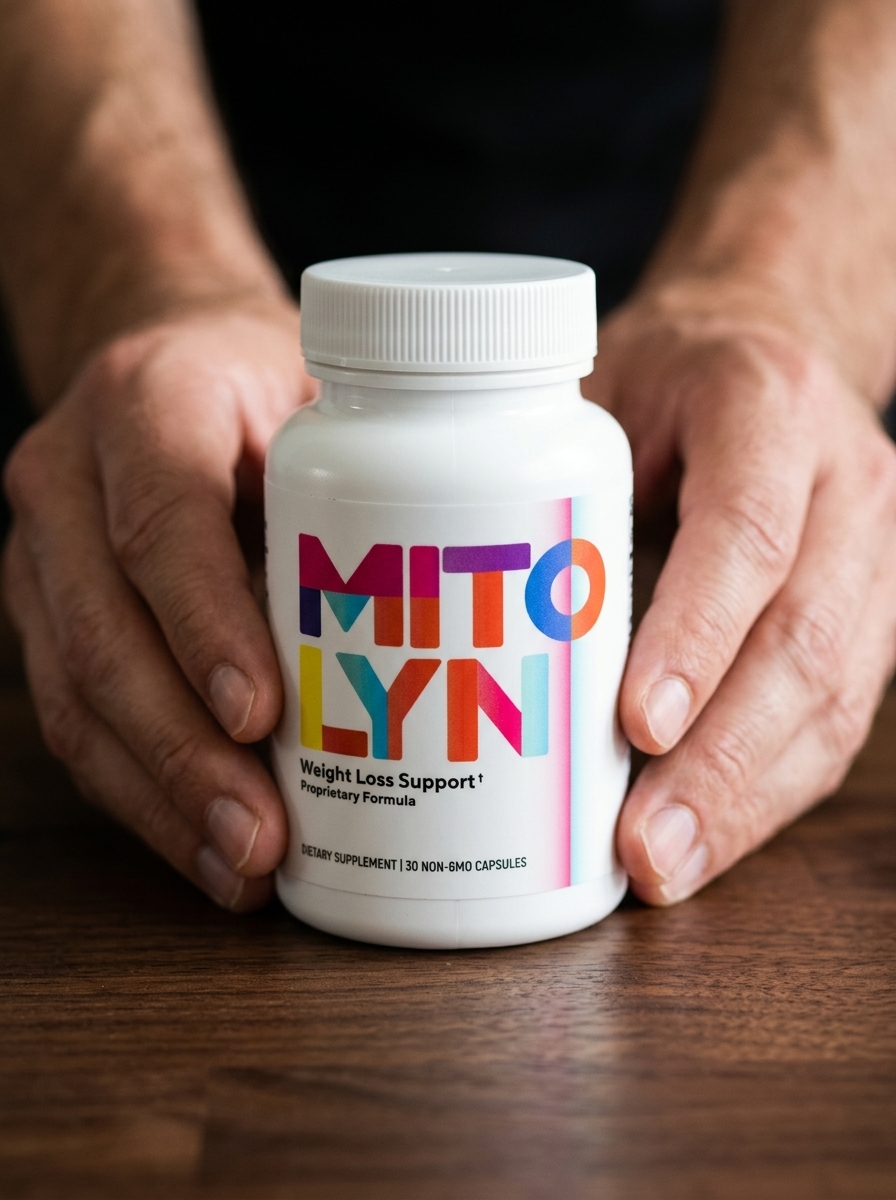
This is precisely why I started paying attention to Mitolyn—it’s one of the few supplements that specifically targets mitochondrial health while supporting the cellular repair processes that keep us functioning optimally. Instead of just throwing generic antioxidants at the problem, Mitolyn works at the source, giving your mitochondria what they need to maintain their DNA repair systems and continue producing clean, efficient energy.
Cellular Energy Unleashed
Transform tired cells into powerhouses of sustained energy and repair.
Mitolyn delivers targeted mitochondrial support that your cells have been craving. Advanced fatty acid complex optimizes DNA repair mechanisms while boosting cellular energy production. Feel the difference as mental fog lifts, recovery accelerates, and sustained vitality becomes your new normal. Your future self starts here.
- ✓ Mental clarity that cuts through afternoon fatigue
- ✓ Faster recovery and sustained physical energy
- ✓ Cellular repair that works while you sleep
The Fatty Acid Your Body Actually Craves

Recent research has unveiled something fascinating about cellular repair: certain fatty acids play crucial roles in maintaining DNA integrity and supporting repair mechanisms. While the supplement industry has been obsessed with omega-3s for decades, scientists are now discovering that other fatty acids—particularly those that support cellular membrane stability and signaling—might be even more important for long-term cellular health. The beauty of these specialized fatty acids lies in their ability to integrate into cellular membranes and improve communication between different repair systems. Think of them as the oil that keeps all the moving parts of your cellular machinery working smoothly.
When your cells have adequate levels of these essential fats, DNA repair enzymes function more efficiently, and the entire cellular maintenance system operates with greater precision.
What’s particularly compelling is how these fatty acids support mitochondrial membrane integrity. Since mitochondria have double membranes that need to maintain very specific properties for optimal function, having the right fatty acid profile becomes critical for energy production and DNA repair processes. This is where targeted supplementation can make a real difference—not by replacing your body’s natural systems, but by giving them the raw materials they need to function at their best.
Stop letting cellular damage accumulate while you wait for the perfect moment.
Why Your Repair System Starts Failing (And When)

The uncomfortable truth is that your DNA repair capacity peaks in your twenties and then begins a slow, steady decline. By age forty, many people are operating with repair systems that are only 70-80% as efficient as they were in their youth. By sixty, that number often drops to 50-60%. This isn’t inevitable aging—it’s a reflection of accumulated damage, nutritional deficiencies, and the chronic stress that modern life places on our cellular systems.
The decline happens gradually at first. You might notice that cuts take a little longer to heal, or that you don’t bounce back from intense workouts quite as quickly. Your sleep becomes less restorative, and mental fatigue creeps in earlier in the day. These aren’t separate issues—they’re all manifestations of the same underlying problem: your cellular repair systems are struggling to keep up with demand.
But here’s the encouraging part: this decline isn’t set in stone.
Your cells retain their capacity for repair throughout your entire life, and when given the right support, they can function remarkably well even as you age. The key is understanding what your repair systems need and providing those resources consistently, before the damage accumulates to the point where it becomes noticeable in your daily life.
Experience what optimal mitochondrial function feels like in your daily life.
The Turning Point That Changed Everything

I remember the exact moment I realized how powerful targeted cellular support could be. A colleague of mine, someone who had always been skeptical of supplements, mentioned that he’d been using Mitolyn for six months and felt like he’d turned back the clock five years. Not in some vague, feel-good way, but in measurable improvements: better sleep quality, sustained energy throughout the day, faster recovery from exercise, and mental clarity that had been missing for years.
What struck me wasn’t just his testimonial, but the mechanism behind why it worked.
Mitolyn doesn’t just flood your system with antioxidants and hope for the best. Instead, it provides targeted support for mitochondrial function and DNA repair processes, addressing the root cause of cellular decline rather than just masking the symptoms. When I started researching the science behind its formulation, I understood why he was seeing such dramatic improvements.
This was the turning point for me—realizing that supporting cellular health isn’t about taking handfuls of random vitamins, but about providing specific, targeted nutrition for the systems that matter most. Your DNA repair mechanisms, your mitochondrial health, your cellular energy production—these are the foundations that everything else builds upon. Get these right, and everything else becomes easier.
Your future self depends on the cellular choices you make right now.
The Daily Reality of Cellular Support

Supporting your DNA repair systems isn’t about making dramatic lifestyle changes or following complex protocols. It’s about consistency in the small things that add up over time. Quality sleep gives your cells uninterrupted time for repair work. Regular exercise stimulates the production of new mitochondria and improves cellular efficiency. Stress management prevents the chronic cortisol elevation that interferes with repair processes.
But even with perfect lifestyle habits, there’s often a nutritional gap that needs to be filled. Modern food production, soil depletion, and the increased oxidative stress of contemporary life mean that getting optimal levels of cellular support nutrients from food alone becomes increasingly difficult.
This is where strategic supplementation becomes not just helpful, but essential for maintaining long-term cellular health. When I look at the research on mitochondrial support and DNA repair, Mitolyn consistently stands out as the most comprehensive approach I’ve found. It’s not trying to be everything to everyone—instead, it focuses specifically on what your cells need most: robust mitochondrial function, efficient DNA repair, and sustained energy production. These three pillars support everything else your body does, from immune function to cognitive performance to physical recovery.
Transform tired, struggling cells into powerhouses of sustained energy and repair.
Building Your Cellular Defense Strategy

Creating a sustainable approach to cellular health starts with understanding that your body is designed for repair and regeneration. Every night while you sleep, every moment of rest between activities, your cells are working to restore and rebuild. Your job isn’t to micromanage this process, but to provide the optimal conditions and nutrients for it to happen naturally.
The foundation remains the same: prioritize sleep quality, manage stress effectively, stay consistently active, and fuel your body with nutrient-dense foods. But layered on top of this foundation, targeted mitochondrial support can amplify your body’s natural repair capacity in ways that lifestyle alone cannot achieve. Think of it as giving your cellular maintenance crew the best tools available for the job.
What I appreciate most about this approach is that it works with your body’s existing systems rather than trying to override them. You’re not forcing artificial stimulation or suppressing natural processes. Instead, you’re providing optimal support for the repair mechanisms that have kept humans healthy for thousands of years, but which now face unprecedented challenges in our modern environment.
Give your DNA repair systems the targeted nutrition they’ve been craving.
The Choice That Defines Your Future Self

Five years from now, you’ll be living in a body that reflects the cellular decisions you’re making today. Every day you delay supporting your DNA repair systems is another day of accumulated damage, another step toward the fatigue and decline that so many people accept as inevitable. But it doesn’t have to be inevitable—not when you understand what your cells need and you’re willing to provide it consistently.
The beauty of focusing on cellular health is that the benefits compound over time. Better energy leads to more consistent exercise, which creates stronger mitochondria, which produces more efficient energy. Improved DNA repair leads to better sleep quality, which provides more time for cellular maintenance, which enhances overall repair capacity. You’re not just preventing decline—you’re creating an upward spiral of cellular vitality.
This is why I continue to rely on Mitolyn as part of my daily cellular support strategy.
It’s not about chasing the latest health trend or hoping for a quick fix. It’s about making a sustainable investment in the cellular systems that will determine how I feel, think, and perform for decades to come. Your future self will thank you for the choices you make today, and there’s no more fundamental choice than supporting the DNA repair mechanisms that keep life itself functioning optimally.
Written by Elias Menden — for those who seek cellular strength and lasting energy
Ready to feel the difference this formula makes?