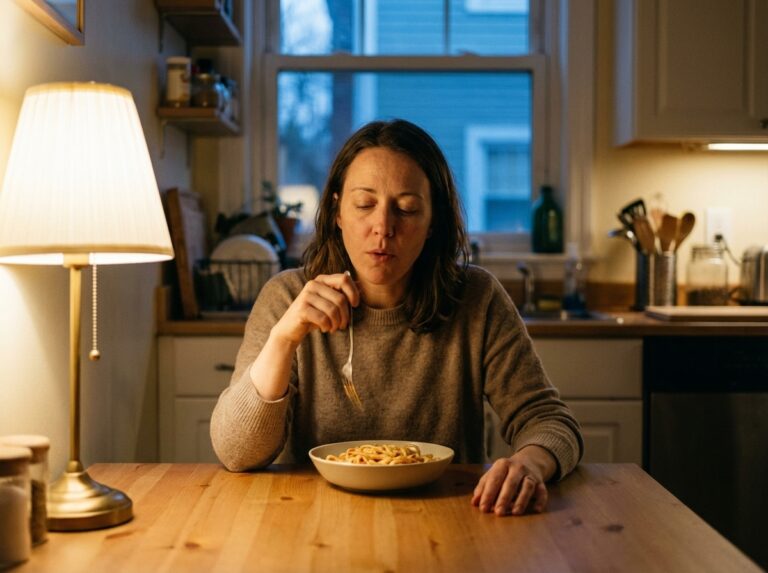
My borderline high blood pressure story
Boy, did I get a surprise at my last check-up. I’ve always thought of myself as reasonably healthy—I try to eat well, get in some exercise, and not let the stress monster get to me too much. But then my doctor casually mentioned that my blood pressure was knocking on the “high” door. Talk about a wake-up call. I know the horror stories—heart disease, strokes, kidney issues—no thanks.
A routine check-up turned into a turning point.
At first, I was a bit lost, like hunting for my glasses while they’re perched on my head. I didn’t want to leap to medication for a slight bump in numbers. So I took a hard look in the mirror and chose the natural route—clear plan, daily action, and one gentle support to round it out. By week two, I noticed it in my breathing first: slower, easier. The cuff started to follow.
What I changed first
Move more—consistently. I learned that 150 minutes a week of brisk movement can bring down systolic by roughly 4–10 mm Hg and diastolic by 5–8 mm Hg. Shedding even five pounds helps, too. Not rocket science—just effective.
Eat like blood pressure matters. I aimed for a DASH-style plate: veggies, fruits, whole grains, and low-fat dairy, with saturated fats and salt shown the door.
Cut back on alcohol and caffeine. I kept alcohol to a personal limit of one drink on the days I drink and shifted caffeine earlier—usually a single morning coffee, then water or tea.
Support with minerals. Magnesium, potassium, and calcium became my steady trio. Fiber and omega-3s joined the party.
Add one plant-based support. Once my basics were in motion, I added a simple olive-leaf-and-hawthorn blend (I use Cardio Shield) to support circulation as part of my morning routine. It wasn’t the hero—just a quiet helper that kept me consistent.
My four-week trend (kept simple)

- Day 1: 138/88 — starting point
- Day 7: 134/85 — tried DASH meals
- Day 14: 130/82 — exercised more
- Day 21: 128/80 — added targeted support
- Day 28: 125/78 — feeling empowered
A visual journey turned into a felt shift: less neck tightness, calmer afternoons, better sleep.
The changes that made the biggest difference
Regular Exercise

Regular walks were a cornerstone of my lifestyle shift. Exercise wasn’t just something I did—it became part of who I am. Aiming for 150 minutes of moderate movement (or 75 of vigorous) each week gave me a clear target. I started with brisk walks, then mixed in swimming and cycling.
How I kept it going
- Anchored my walk to the same time: after coffee, before email.
- Kept a low floor—10 minutes still “counted” on busy days.
- Watched for body cues: warmer hands, easier recovery after hills.
Adopting the DASH Diet

The DASH diet was a game-changer. It’s built to help with high blood pressure—more plants, fewer ultra-processed foods, and a sensible salt limit.
My plate, most days
- Grains: 6–8 servings (oats, quinoa, whole-grain toast)
- Vegetables: 4–5 servings (greens, peppers, broccoli)
- Fruits: 4–5 servings (berries, apples, citrus)
- Dairy: 2–3 servings (yogurt, kefir, low-fat milk)
- Lean protein: up to 2 servings (fish, chicken, beans)
Salt sanity
- Taste before salting.
- Use herbs, citrus, garlic, and spice blends.
- Aim for ≤2,300 mg sodium most days; closer to 1,500 mg when possible.
Reducing Alcohol Consumption
Excess alcohol is known to raise blood pressure. I set a simple rule I could live with: no more than one drink on the days I drink. Social life stayed intact; sleep got better.
Managing Stress

Stress is sneaky. Mindfulness and breathwork gave me the upper hand.
Tiny rituals that worked
- Box-style breathing: inhale 4, hold 4, exhale 6—ten cycles before bed.
- One-minute reset: before a hard call, I stood by a window and softened my shoulders.
- Sleep rhythm: 7–8 hours in a cool, dark room with the phone docked outside.
Optimizing Vitamin and Nutrient Intake
I prioritized vitamins and nutrients that support healthy blood pressure: Vitamin D, B-vitamins (including riboflavin and folate), plus garlic and CoQ10. Food first, then supplements to fill gaps.
Lifestyle, stress, diet—and a plant-based support
So picture this: my doc drops the “borderline high” line. Yikes. I tightened up the basics—movement, meals, stress rituals—and then layered in one supportive tool.
What I chose: a daily olive-leaf-and-hawthorn blend (Cardio Shield) to complement my routine.
How I use it
- Timing: once daily with breakfast.
- Routine fit: on the counter next to my coffee mug so I don’t forget.
- Felt wins:
- Mornings started with less “tight” pressure at my temples.
- Afternoon energy dips softened.
- Weekly readings looked steadier, not just lower.
This wasn’t a shortcut. It was a nudge that made sticking to the plan easier.

Steadier Mornings, Gentle Support
Set it by the mug—one calm step as daylight slides across the counter
Built for routine, not rush. An olive-leaf + hawthorn blend that supports healthy circulation and a steadier rhythm to your day. Non-stim and simple—take with breakfast, then move, eat well, and breathe. It helps you keep the plan going.
-
Keeps the routine steady
-
Supports healthy circulation
-
Non-stim, easy to remember
Key nutrients that helped me focus my grocery list
- Potassium: bananas, sweet potatoes, spinach—helps balance sodium.
- B-vitamins: eggs, leafy greens, beans—overall cardiovascular support.
- CoQ10: fatty fish or a supplement—supports energy in heart cells.
- Olive leaf & hawthorn: in my support blend—part of my “steady-circulation” stack.
Why my doctor was impressed after 6 weeks
In just six weeks, the numbers told a new story. I began around 135/88 and moved toward 122/79. Exercise was the daily lever—30 minutes of brisk walking most days, plus a strength “snack” here and there (counter push-ups, air squats). The DASH-style plate kept salt reasonable. The calm rituals blunt-cut the stress spikes. And the plant-based support kept me steady.
What I changed in the kitchen
- Upped: vegetables, fruits, whole grains, low-fat dairy.
- Ditched or reduced: heavy salt, sugary snacks, greasy takeout.
- Simple swaps: lemon + herbs instead of extra salt; roasted chickpeas instead of chips.
Supplements I kept in rotation
- Vitamin D on days I’m low on sun.
- Garlic and CoQ10 for heart support.
- Olive leaf + hawthorn (Cardio Shield) as my steady morning support.
Weight management, quietly
- No drastic diet. I cooked most meals and walked daily. A few pounds down, clothes fit easier, and readings followed suit.
The plan I stick to now

Exercise routine
- Walking: three to five times a week, ~30 minutes.
- Swimming: once or twice a week, easy laps.
- Cycling: once a week, 30–45 minutes.
- Strength snacks: 2–3 quick sets of bodyweight moves on non-walk days.
Healthy diet
- Breakfast: oatmeal with berries and nuts.
- Lunch: grilled chicken (or beans) on greens with olive oil and vinegar.
- Dinner: baked salmon or lentils, quinoa, and a big side of vegetables.
- Snacks: fruit, yogurt, nuts.
Stress reduction
- Two breath breaks/day and a firm wind-down: dim lights, no screens the last 30 minutes.
Supplements
- Omega-3s for heart health.
- Olive leaf & hawthorn blend (Cardio Shield) with breakfast—kept for its steady, feelable support.
Regular monitoring
- Twice weekly, same time: seated, feet flat, after five quiet minutes.
- Track trends: I log numbers and a quick note on sleep, stress, and salt so I can spot patterns.
Troubleshooting plateaus (what helped me)
- Audit hidden salt. Breads, soups, and sauces can sneak it in.
- Guard bedtime. Thirty minutes earlier made a bigger difference than I expected.
- Add a hill or a few stairs. Mild intensity bumps, not burnout.
- Stay consistent with support. Real changes showed up for me at 30–60 days.

When Plateaus Hit, Keep Simple
A small companion in the pocket; the hill feels friendlier tonight
Progress isn’t a straight line. Pair your walks, DASH-style meals, and breathwork with a gentle, plant-based add-in. One small, steady step that helps you show up again tomorrow—without the buzz.
-
Habit-friendly, once-daily step
-
Pairs with DASH + walks
-
Keeps focus on consistency
Coming full circle
Looking back, I’m chuffed with what I managed. It’s uplifting to see how dedication can pack a punch. The biggest win wasn’t just the drop—it was the steadiness. Mornings felt quieter. Afternoons didn’t crash. I wasn’t bracing for the cuff; I was curious.
If you’re edging into borderline territory, try my order of operations: move a little more, build a DASH-style plate, lower the daily stress hum, and, if it fits you, add a gentle plant-based support to keep the routine going. I chose Cardio Shield because it matched my approach—quiet, simple, part of breakfast. If you want to explore what I used, here’s the same support I keep on my counter.
Here’s to calm numbers and a steadier life.
Written by Elias Menden — for those who seek calm & steadiness.
Related reading
- Biohacking Fatigue: Beat Tiredness & Restore Your Energy Naturally
- How to Improve Mitochondrial Function Naturally: A Daily Rhythm for Steady Energy
- Preventing Osteoporosis Naturally: Diet, Exercise, and Supplements That Help You Feel Steady
- Can You Actually Build Immunity Naturally Over Time? Here’s What Finally Changed for Me