The first sign wasn’t dramatic. I’d sit at my desk with a clear agenda, open my laptop, and then… nothing. Not exhaustion exactly, but a strange distance between intention and execution. Like trying to grab something through thick glass.
It started showing up in conversations too. Mid-sentence, I’d lose the thread of my own thoughts. People would ask reasonable questions and I’d find myself stalling, searching for words that used to come easily. My mind felt wrapped in cotton — functional, but muffled.
I used to think this was just part of getting older, or maybe the price of a demanding schedule. But watching colleagues my age navigate complex problems with the same sharpness they’d always had made me realize this wasn’t inevitable. Something had shifted, and I needed to understand what.
The Moment I Realized Something Had Changed

The wake-up call came during a presentation I’d given dozens of times before. Halfway through explaining a concept I knew inside and out, I found myself fumbling for basic terms. Not because I was nervous — because the information felt unreachable, like trying to access files on a corrupted drive. That night, I sat in my kitchen and tried to remember what I’d had for lunch. It took genuine effort.
This wasn’t about being busy or distracted. This was about fundamental cognitive processes slowing down in ways I’d never experienced.
My memory wasn’t failing, but it was definitely struggling. Focus wasn’t impossible, but it required more effort than it used to. I started paying attention to when the fog felt thickest. Mornings were often the worst — that time when I should have been sharpest felt instead like trying to think through a haze. The clarity I’d always counted on was becoming unreliable, and I didn’t know why.
Ready to experience the cognitive clarity you’ve been missing?
What Most People Don’t Understand About Mental Clarity

The brain isn’t just one system that either works or doesn’t. It’s multiple networks that need to communicate seamlessly — memory formation, attention regulation, information processing, executive function. When one area starts lagging, the whole system feels sluggish. Most people assume mental fog is about not getting enough sleep or having too much stress. Those things matter, but they’re often symptoms pointing to something deeper: the cellular machinery of cognition isn’t getting what it needs to function optimally.
Your neurons are among the most metabolically active cells in your body. They require specific nutrients to maintain the structures that allow for rapid communication. Without adequate support, neural pathways start operating at reduced capacity — not broken, but not running at full potential either.
This is why the standard advice — more coffee, better sleep, less screen time — only goes so far. Those changes can help, but they don’t address the underlying nutritional requirements that keep cognitive systems running smoothly. The fog often persists because the fundamental building blocks aren’t being replenished.
For a more direct comparison of options, see this guide to best focus supplements for brain fog and motivation.
Don’t let brain fog compromise your professional confidence any longer.
Why Standard Approaches Fall Short

When I first started looking for solutions, I did what most people do: I tried the obvious fixes. More sleep, regular exercise, meditation apps, cutting back on multitasking. Each helped slightly, but none addressed the core issue. The supplement aisle was overwhelming in a different way. Dozens of products promising enhanced focus, better memory, increased mental energy. Most contained stimulants that provided temporary sharpness followed by inevitable crashes.
I realized I was approaching this backwards. Instead of trying to force my brain to work harder, I needed to understand what it required to work efficiently. The fog wasn’t a problem to push through — it was information about systems that weren’t getting adequate support.
That shift in perspective changed everything. Rather than looking for quick cognitive boosters, I started researching what actually maintains healthy brain function over time.
Give your brain the comprehensive support it deserves to function optimally.
The Research That Changed My Understanding

The breakthrough came when I started reading about acetylcholine — the neurotransmitter responsible for attention and learning. I learned that many cognitive issues trace back to insufficient choline availability, the precursor your brain uses to produce acetylcholine in the first place. But choline alone wasn’t the complete picture. Brain function depends on multiple interconnected systems: blood flow to deliver nutrients, antioxidant protection against cellular damage, and compounds that support the actual structure of neural membranes.
Addressing one without the others was like tuning a single instrument in an orchestra.
This is when I discovered CogniCare Pro, and why it immediately made sense to me. Instead of relying on a single ingredient or stimulant-based approach, it addresses multiple aspects of cognitive function simultaneously. The formula includes bacopa monnieri for memory support, phosphatidylserine for neural membrane health, and ginkgo biloba for circulation — all working together rather than in isolation. What impressed me most was the attention to bioavailability. Many cognitive supplements include impressive-sounding ingredients at doses too low to be effective. CogniCare Pro uses clinically researched amounts of each component, formulated in ways that ensure your body can actually utilize them.
Join others who’ve discovered reliable cognitive function through targeted nutrition.
The First Sign That Something Was Working

I started with CogniCare Pro on a Monday morning, not expecting immediate changes. By Wednesday, I noticed something subtle: I wasn’t reaching for my second cup of coffee by 10 AM. Not because I wasn’t tired, but because my baseline alertness felt more stable. The real test came the following week during a complex project that required sustained concentration.
Instead of feeling mentally fatigued after an hour, I found myself able to maintain focus for longer periods without the usual sense of strain.
Within two weeks, the morning fog started lifting. Not completely at first, but enough that I noticed conversations flowing more naturally. Words came more readily. The gap between thinking something and articulating it began closing. What surprised me was how consistent the improvement felt. Unlike caffeine, which provides obvious ups and downs, this was more about raising the baseline. My cognitive capacity felt more reliable, less dependent on external factors like how much sleep I’d gotten or what I’d eaten for breakfast.
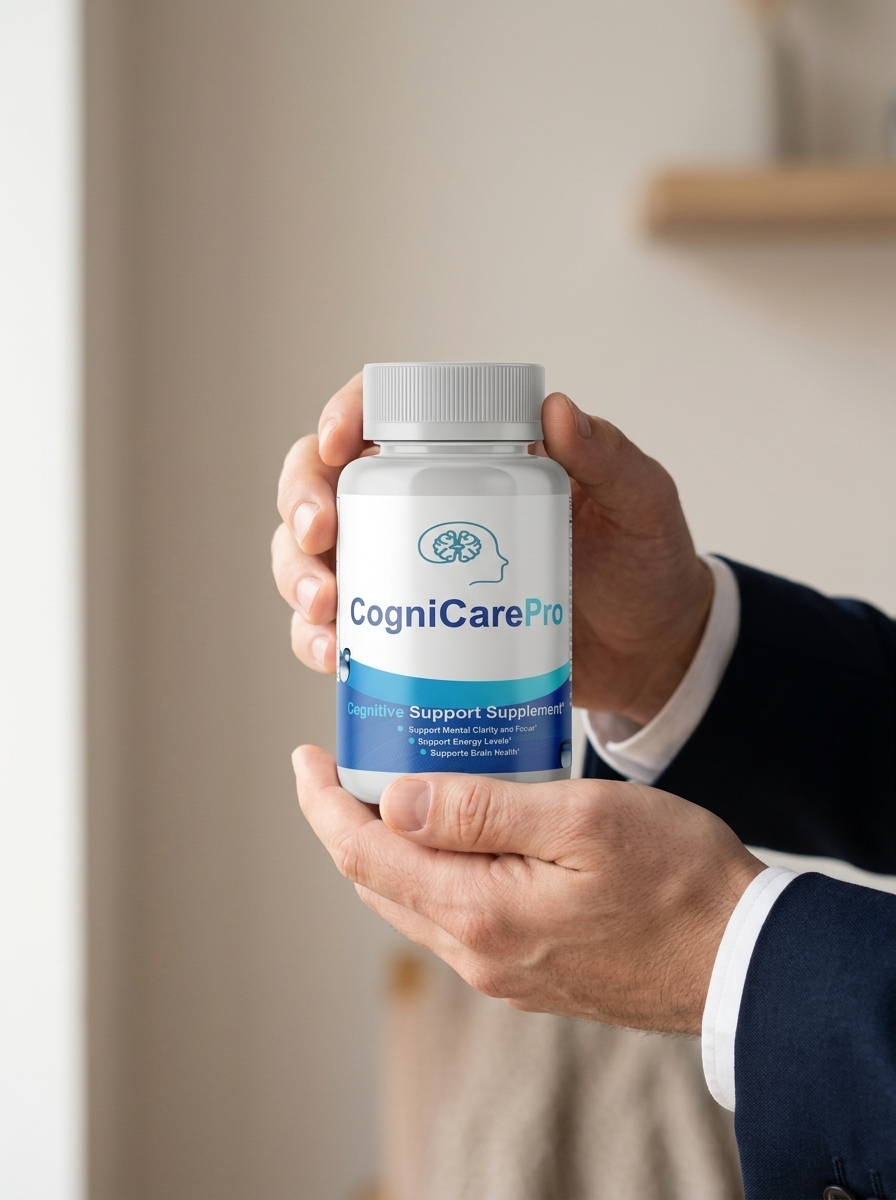
Reclaim Mental Clarity
Finally, comprehensive cognitive support that addresses the root cause of brain fog.
CogniCare Pro combines clinically researched ingredients like bacopa monnieri, phosphatidylserine, and ginkgo biloba to support memory, focus, and mental endurance. Unlike stimulant-based solutions that provide temporary boosts followed by crashes, this formula nourishes the multiple systems your brain needs for sustained clarity.
- ✓ Mental fog clears naturally
- ✓ Focus endures without strain
- ✓ Memory retrieval flows smoothly
What Actually Changed

Three months later, the transformation was unmistakable. The most significant change wasn’t about peak performance — it was about cognitive endurance. Mental tasks that used to drain me quickly became manageable for extended periods. Memory retrieval felt smoother. Instead of that frustrating sensation of knowing information was “in there somewhere,” facts and details became more accessible. Not photographic recall, but the natural ease of accessing stored information that I remembered from younger years.
Problem-solving sessions that once left me mentally exhausted started feeling energizing instead. Complex analysis became engaging rather than overwhelming. The cognitive resources needed for deep thinking seemed more readily available, more sustainable.
Instead of having sharp days and foggy days, my mental clarity became something I could count on.
Stop accepting mental fog as inevitable and reclaim your cognitive potential.
Why This Approach Actually Works

The difference between CogniCare Pro and other cognitive supplements I’d tried came down to comprehensiveness. Rather than betting everything on a single mechanism, it supports multiple pathways that contribute to mental clarity. The bacopa monnieri addresses memory consolidation — the process by which short-term experiences become long-term memories. Phosphatidylserine supports the structural integrity of neural membranes, maintaining the cellular environment needed for efficient communication between neurons. Ginkgo biloba enhances circulation to the brain, ensuring adequate oxygen and nutrient delivery.
What makes this formula particularly effective is the attention to synergy. These aren’t random ingredients thrown together; they’re compounds that work better in combination than any would individually. The result is comprehensive support for brain function rather than temporary stimulation.
Experience sustained mental clarity without stimulants or temporary fixes.
Where This Leaves Me Now

Six months later, mental clarity has become reliable again. Not superhuman, not artificially enhanced, but consistently available when I need it. The fog that once made simple tasks feel effortful has lifted, replaced by the kind of cognitive flow I’d forgotten was possible. Mornings start with clear thinking instead of gradual emergence from haziness. Conversations feel natural and engaging. Complex problems seem approachable rather than overwhelming.
Most importantly, I’ve stopped worrying about whether my mind will be available when I need it.
That underlying anxiety about cognitive reliability — something I didn’t fully realize I was carrying — has dissolved. Mental clarity has returned from something I hoped for to something I can depend on. For anyone experiencing that frustrating distance between their thoughts and their ability to act on them, I understand the concern. But I also know it doesn’t have to be permanent. Sometimes the solution isn’t about working harder or sleeping more — it’s about giving your brain the comprehensive support it needs to function as it’s designed to.
Written by Elias Menden — for those who seek mental clarity
Ready to feel the difference this formula makes?