Most people searching for the best supplements for focus are not chasing some superhero version of productivity. They are trying to get back to normal. They want to finish a page without rereading it twice, remember what they walked into the room to do, and get through the middle of the afternoon without feeling like their attention is dissolving.
I know that pattern because I slipped into it myself. The problem did not start as a dramatic memory scare. It started as the kind of brain fog that makes ordinary work look heavier than it should. I noticed I was leaning harder on coffee while getting less from it. My notebook filled up with half-finished ideas. Conversations felt harder to track. The issue was not discipline. It was that my brain kept feeling underpowered and overstimulated at the same time.
This page works best when it sorts the lane clearly. I am not interested in stimulant hype or a stack of random capsules pretending to be a strategy. I am looking for the best supplements for focus for readers who want steadier cognitive support, cleaner routines, and one credible next step instead of seven repeated CTAs.
Why does brain fog make “focus” feel harder than usual?
Focus rarely fails in isolation. It usually breaks down after sleep debt, stress load, blood-sugar swings, or long days of mental switching keep draining the same system. That is why the best focus supplement is often the one that supports the whole pattern rather than forcing a short burst of alertness. In practice, I learned that a wired brain is not always a clear brain. More stimulation often made me noisier, not sharper.
Readers who land here often overlap with the patterns I cover in our focus-and-memory guide and our memory-support article. They may say “focus,” but they usually mean a mix of recall problems, mental drag, and lower endurance across the day.

Which supplements are worth comparing first?
B-complex support matters when low energy and poor diet are part of the picture, especially because B vitamins are involved in nervous-system and red-blood-cell function. The NIH Office of Dietary Supplements notes that vitamin B12 status matters for neurologic function, which is part of why correcting a true deficiency can matter so much for clarity. See NIH ODS on vitamin B12.
Omega-3s also stay relevant because brain tissue depends on fatty acids for structural and signaling roles. The NIH ODS consumer sheet on omega-3s is a useful baseline when a reader wants a less hyped explanation of where fish oil belongs. See NIH ODS on omega-3 fatty acids.
Magnesium can help when poor sleep and stress are clearly part of the problem. But I still think the first job is to decide what kind of focus problem you have. Is it under-slept fog? Is it overstimulation? Is it the kind of fading concentration that comes with long screen days? Sorting that question first prevents the usual supplement chaos.

Why do most focus supplement stacks disappoint?
Because they try to force a sensation instead of building support. The common failures are predictable: too much caffeine, too many ingredients at tiny doses, and pages that sell stimulation as if it were clarity. That approach is especially rough for readers who are already anxious, tired, or stretched thin. It may produce a short jolt, but it usually leaves the rest of the day shakier.
I learned to trust a simpler test: does the routine make the next three hours feel cleaner, or does it just create a faster version of the same chaos? When the answer was chaos, the supplement was wrong for me no matter how exciting the label sounded.
That is also why I connect this page with our mental-clarity comparison and our brain-fog guide. The readers with the best fit here usually want steadier cognition, not theatrical energy.
The other problem is that people try to fix a chronic pattern with a novelty purchase. If poor sleep, long screen days, and missed meals are the real causes, then a supplement can only do so much. I found the most useful products were the ones that made a good routine easier to sustain, not the ones that tried to overpower a bad routine for ninety frantic minutes.

What routines make focus supplements work better?
The simple answer is that supplements work better when you stop asking them to rescue a collapsing routine. I get more from any focus-support product when breakfast includes protein, screen use has real boundaries, and afternoon work is not stacked on top of dehydration and missed meals. Those basics are boring, but they matter more than a clever label.
In real life, that often means lowering the number of variables before you judge whether anything is helping. Keep caffeine steady for a week. Tighten your wake time. Cut the worst task-switching habits. Then see whether the supplement gives you more reading endurance, cleaner recall, or fewer lost threads by the second half of the day. Those are better signals than a single dramatic morning.
- Best for morning fog: stabilize food, sleep, and hydration before reaching for stronger stimulation.
- Best for afternoon fade: reduce task switching and check whether the crash tracks stress or poor meals.
- Best for sudden confusion or lasting cognitive change: get medical evaluation instead of trying another supplement.
The NCCIH’s supplement guidance is useful here for exactly that reason. It reminds readers that “natural” is not the same thing as harmless or appropriate. See NCCIH on using supplements wisely. A focus page should earn trust by saying when the situation is bigger than a supplement lane.

Where does CogniCare Pro fit compared with single ingredients?
CogniCare Pro fits the reader whose problem is broader than one missing nutrient. They are dealing with slower recall, thinner concentration, and work sessions that keep unraveling before they should. That is why I keep it as the one product card on the page. It gives the article a clean next step without pretending every reader needs the same stack or turning the middle of the page into repeated affiliate pushes.
I also like that this keeps the story believable. The page still names B vitamins, omega-3s, sleep, and routine quality. CogniCare Pro simply becomes the one focused bridge for the reader who wants a broader cognitive-support option instead of five separate bottles and a lot of guesswork.
It also makes the conversion path easier to trust. When a page names the basics, cites the conservative sources, and still narrows the recommendation to one product, the reader can tell the article did some sorting before asking for a click. That is better for user trust and usually better for affiliate performance too.
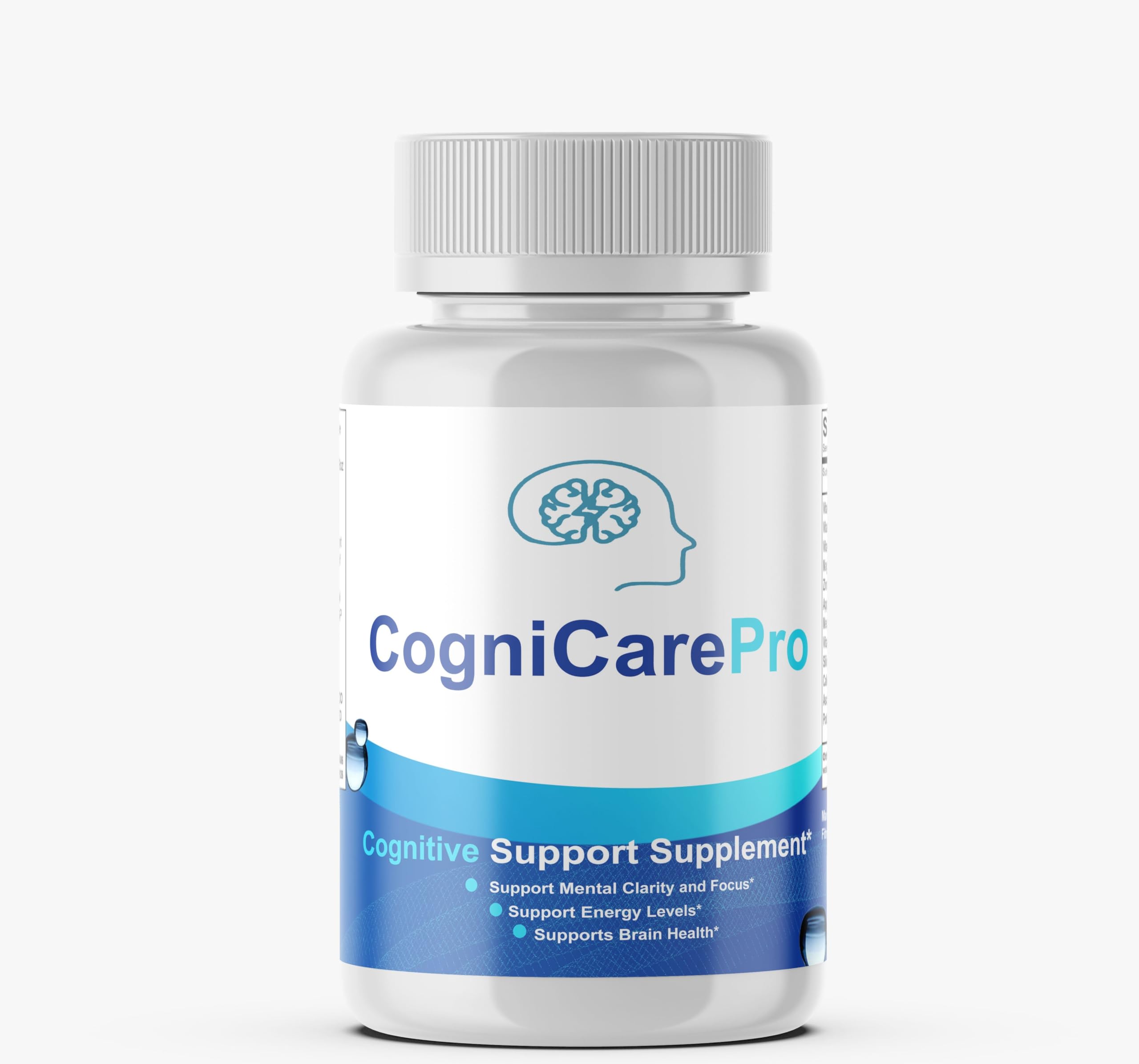
One product card is enough. If the article has explained the pattern honestly, the reader should be able to decide from there without getting chased by six more affiliate asks.
How do I decide which focus supplement is actually right for me?
Start by matching the supplement to the failure point. If you are under-slept and nutritionally thin, deficiency support matters first. If your concentration falls apart after long screen days, the answer may need more visual and cognitive recovery. If the problem is that your whole day feels mentally noisy, a broader routine with one steady support product will usually outperform a random stack of stimulants.
I also think it helps to ask what “better focus” would look like in plain language. Maybe it is finishing a paragraph without rereading it. Maybe it is remembering the end of a conversation. Maybe it is getting through an afternoon without feeling like your brain is fraying at the edges. Those are grounded outcomes, and they make it easier to see whether a supplement deserves a place in the routine.

The best supplements for focus are the ones that make your actual day feel cleaner, not louder. That is the standard I care about most. Better reading endurance. Fewer dropped threads. Less desperation around caffeine. A routine that feels repeatable instead of frantic. That is a better result for the reader, and a better long-term answer for search than any promise of instant genius.
When the choice is right, the day usually feels calmer before it feels dramatic, and that calmer baseline is what makes good work easier to repeat.
Written by Elias Menden for readers who want focus support that feels steady, practical, and sustainable.