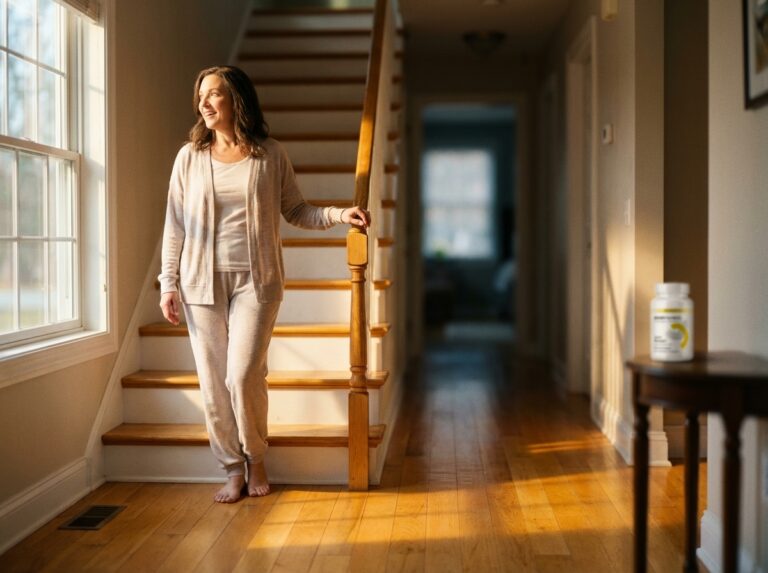
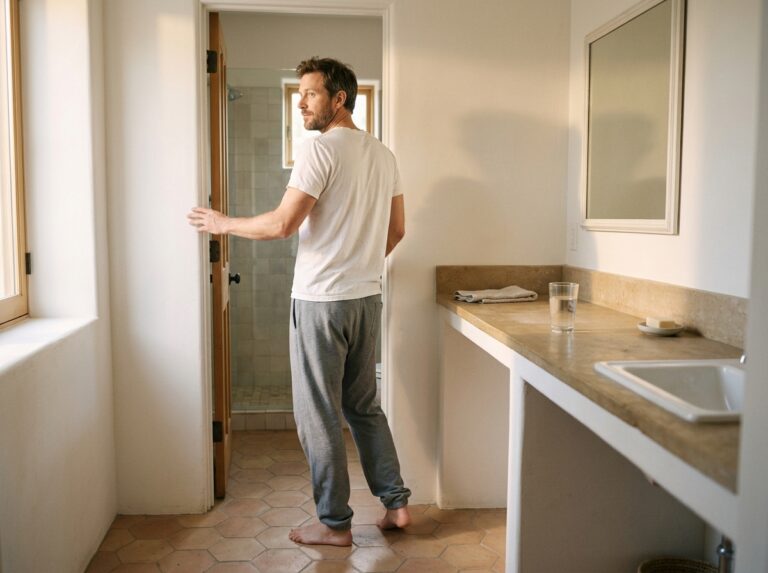
The cuff sighed. The monitor washed the room in blue. I stepped into a cool hallway and felt the vent’s low hum against my skin. “Chronic tension keeps your immune system on,” the doctor said. I carried that sentence home like a small stone in my pocket and set it on the counter beside the kettle. That night, I decided to change the chemistry of my days without a fight—just rhythm. The best daily supplements for stress-induced inflammation, I would learn, aren’t loud. They make room for the body to exhale.
A Kitchen Light, a Small Cup, and a Choice
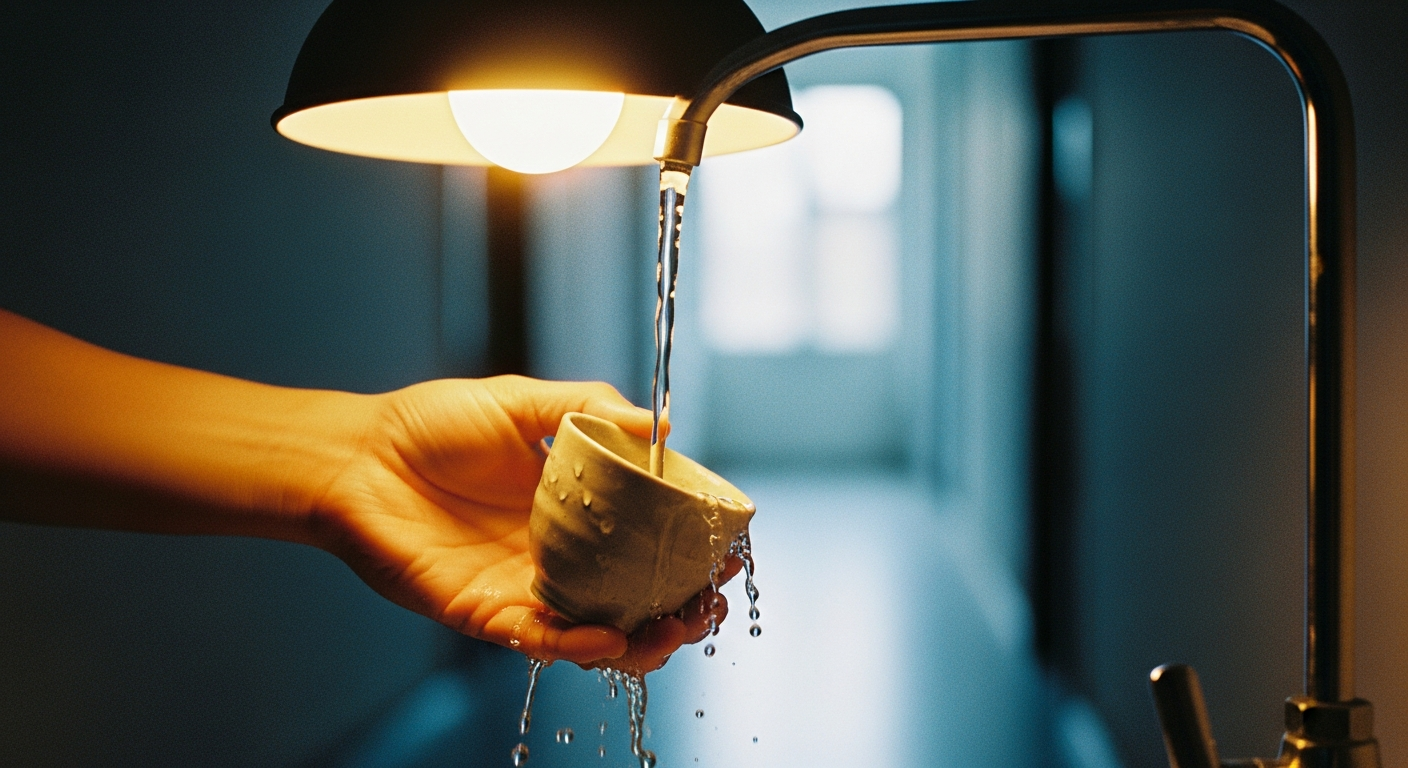
The house was quiet. I dimmed the lamp, rinsed a small cup, and took a measured dose of Renew, a gentle sleep support I now use about an hour after dinner. No fireworks; just a clear signal: the day is over.
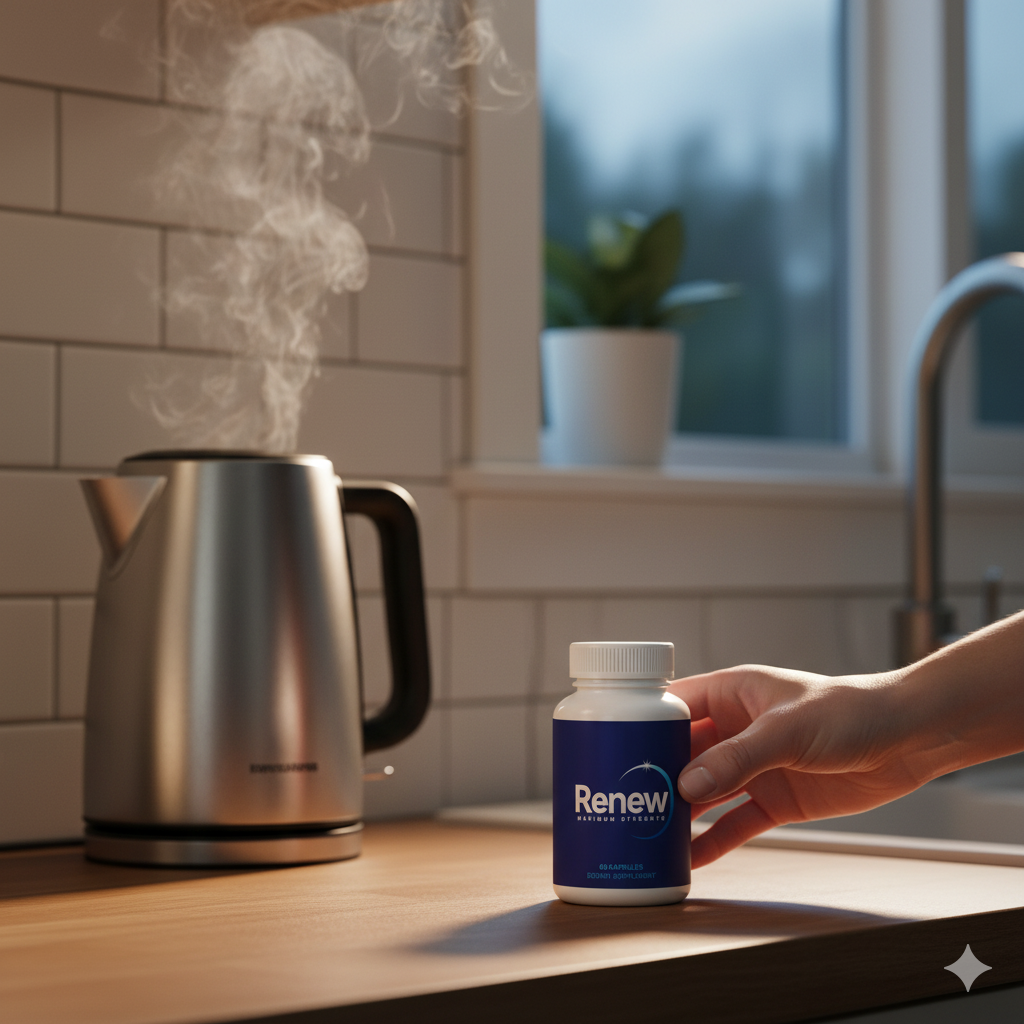
Evenings That Exhale
A quiet cue that tells your body the day is done
Make night simple. Take Renew about an hour after dinner and let the evening soften. No rush, no edge—just a steady signal your system can trust. Pair it with warm light and a slower pace. Small rhythm, real change.
-
Softer nights, fewer wired-tired jolts
-
Easier wake-ups with less morning “pop”
-
A routine your shoulders can believe
By the second week, the shift was subtle but certain. Evenings stopped feeling wired-tired. Mornings arrived without the cortisol “pop.” My laptop shoulders argued less. First light through the blinds felt kind, not sharp.
Tiny rituals change big chemistry.
I hadn’t “fixed” stress. I changed its rhythm.
Why the Body Stayed “On”

I read the biology later, after the calm started to show up. When stress lingers, cortisol and adrenaline hover above baseline. Immune cells listen and send out messengers—IL-6 and CRP—that whisper stay alert. It doesn’t roar. It simmers. That low, steady static can irritate vessel walls and nudge long-term risk in the wrong direction.
Lower the static and the body remembers how to soften. That’s the point of my stack—not perfection, not hacks—just steady signals that say, you’re safe now.
Best Daily Supplements for Stress-Induced Inflammation—How I Use Them
I kept only what proved itself in both feeling and numbers. I let fish oil go; the aftertaste and oxidation questions never sat right. Sleep became my keystone, with Renew as the quiet cue that made everything else easier to keep.
Curcumin (turmeric extract)
I take 500–1,000 mg with a meal, enhanced absorption if possible. It nudges inflammatory signaling toward balance and takes the edge off loud afternoons.
Ashwagandha (root extract)
300–500 mg in the evening. The change shows up as patience with a longer fuse and fewer spikes when the day stacks up.
Magnesium (glycinate or citrate)
200–300 mg 30–60 minutes before bed. Muscles unclench; sleep deepens; the body seems to remember how to release.
L-theanine
200 mg with green tea on crowded calendar days. Jitter becomes glide, focus stays human.
Vitamin D
1,000–2,000 IU with breakfast and a few minutes of real light. Mood steadies, and my immune rhythm feels less at the mercy of weather.
I keep the timing predictable so my system can predict the next step. That predictability is its own medicine.
What Changed When I Slowed Down
The first proof arrived as textures and tempos:
- Evenings with less static.
- Mornings that landed soft, not jolting.
- Desk-shoulders that murmured instead of shouting.
- Sleep with real weight; cheeks heavy and calm on waking.
These lived signs came first. The numbers followed.
The Quiet Proof in My Numbers
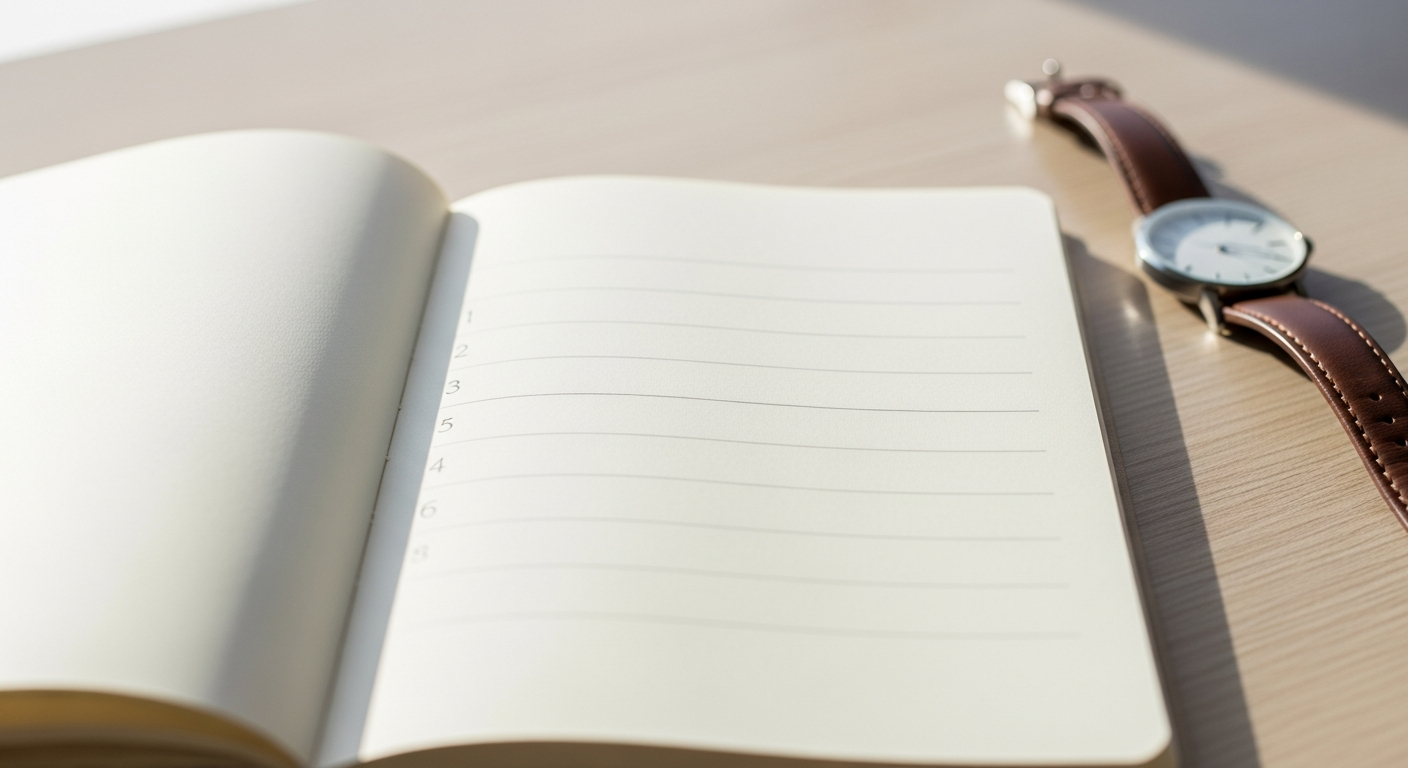
I treated “better” like a small home study.
- Resting heart rate and blood pressure once a week. Down is good; steady is better.
- HRV as a trend, not a trophy. A gentle rise across a month means more than a single spike.
- CRP on routine labs during reset blocks—more compass than grade.
- One nightly line in a notebook: stress 1–5, focus 1–5, sleep quality.
Thirty seconds. Enough to keep me honest. When the body and the page agreed, I stayed the course. When they didn’t, I changed one thing and watched.
The Evening That Holds the Day
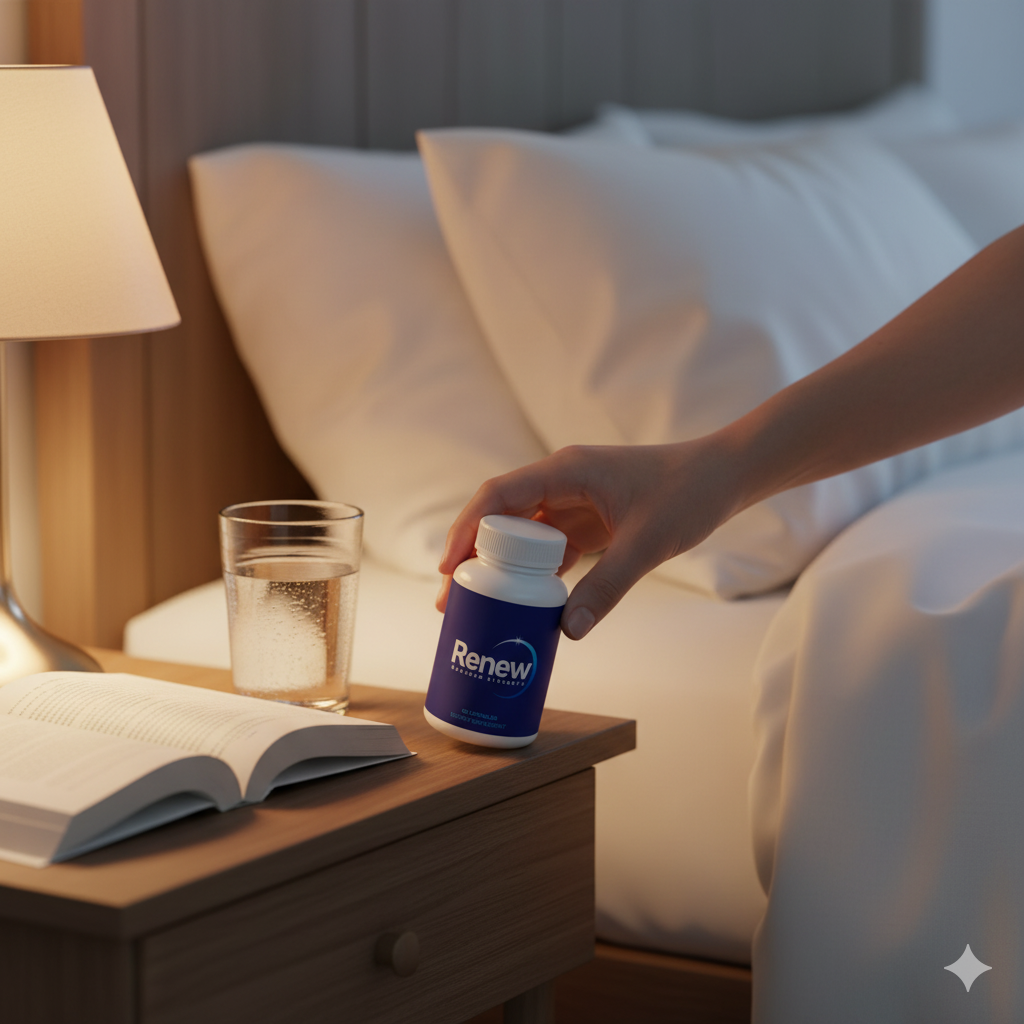
I used to think mornings were where the fight was won—ice baths, fast miles, impossible lists. It turned out the hinge was night. With Renew as my soft metronome—taken as directed about an hour after dinner—the rest of the plan held. Theanine steadied midday. Curcumin took the sting out of long afternoons. Magnesium told my shoulders to stop trying so hard.
Sleep, Then Everything Follows
When nights unwind, the day stops shouting.
Take Renew on a calm clock. Let night carry you, so morning doesn’t have to push. It’s a steady, low-effort way to keep your routine together—curcumin, theanine, and movement feel easier when sleep arrives on time.
-
Smoother wake-ups, kinder light
-
Less evening static, more ease
-
A plan that finally sticks
Felt micro-benefits from this rhythm:
— steadier evenings
— smoother wake-ups
— fewer ache flares after laptop days
— deeper sleep that shows up in how kind the first light feels
How I Keep It Simple Now
Morning
Window open. Cool air. Ten slow breaths before the first message. If I delay food, curcumin waits for the first meal; if not, it sits with breakfast beside vitamin D.
Midday
When the calendar stacks, L-theanine with green tea and a short walk. Box breathing between calls—inhale 4, hold 2, exhale 6, hold 2—keeps the pulse honest.
Evening
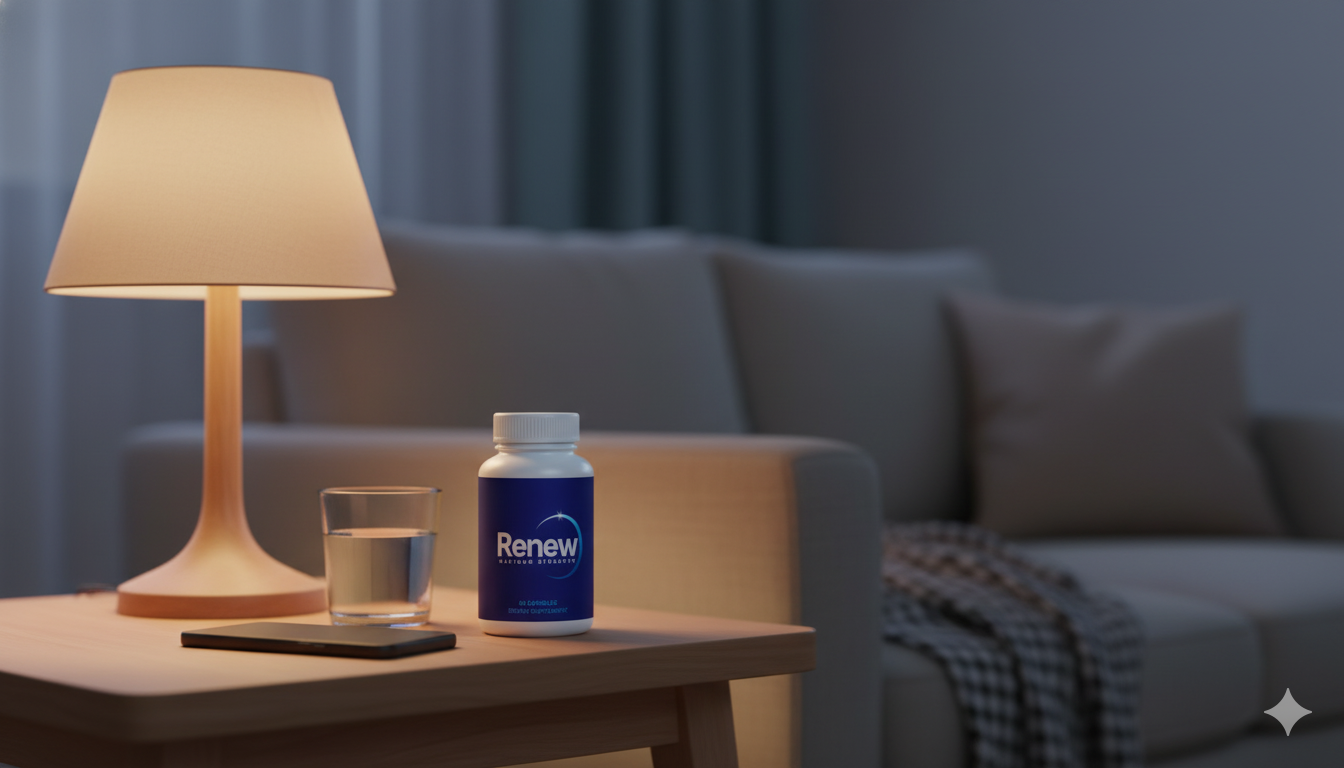
Renew about an hour after dinner. Ashwagandha a little later. Magnesium before bed. Lights warm, phone facedown, room a touch cool. I’m not chasing perfect sleep; I’m inviting it.
If You’re Starting Here

Begin with the window that matters most to you. I chose night. Renew made the rest of the plan stick because my system finally had room to reset. Then I added curcumin with a meal, magnesium before bed, L-theanine for crowded afternoons, and vitamin D with morning light. These are the same best daily supplements for stress-induced inflammation—but lived, not listed. They work in the background while your body remembers how to breathe.
I still recall that hallway chill and the soft electric sound before snow; now the lamp is warm, the house is quiet, and the day folds itself away like linen.
— Written by Liora Menden — for those who seek ease.
Why the nights mattered more than the mornings
Most inflammation advice points to what you eat. For me, the bigger lever was when the day ended. The nights I protected — dimmer light, earlier dinner, fewer notifications after nine — had less inflammation on every metric I could measure. The days that followed felt different in ways I couldn’t quite name: less joint noise, clearer thinking, a body that held its energy through the afternoon instead of dumping it at 3. Inflammation has a schedule, and mine was loudest when I refused to respect bedtime.
The quiet benchmark I use now
The benchmark I watch now isn’t a number on a panel. It’s whether my evenings feel like mine. If the last hour of my day belongs to me — quiet, unlit, low-input — my mornings follow suit. If it belongs to email and headlines and the residue of the day’s small tensions, tomorrow picks up the tab. Stress-induced inflammation, I’ve come to believe, is mostly an evening problem with morning symptoms. Fix the night, and most of the day gets easier.