I used to think “detox” meant drastic cleanses and a week of grit-your-teeth discipline. Then one quiet morning, I noticed something small: clearer eyes after sleep, like the fog had thinned. The change didn’t come from a purge. It came from steady rhythms—light, water, whole food—and a few targeted nutrients that help our cells clear what doesn’t serve us.
This is a story about that steadiness. About the best supplements for cellular detox and how they can soften inflammation while you live a normal life.
The body already wants to clean house

Picture your cells with a tiny night crew. They tag damaged proteins, neutralize reactive byproducts, package waste for removal, and hand it off to your liver, kidneys, lymph, skin, and gut. Most days, the crew is enough.
But modern life is noisy—late screens, tight sleep, ultra-processed snacks, air that smells a bit like traffic. When the night crew gets outpaced, we feel it as low energy, puffy mornings, brain haze, or skin that won’t settle. That’s when gentle support can help the crew clock in on time.
The short list: the best supplements for cellular detox
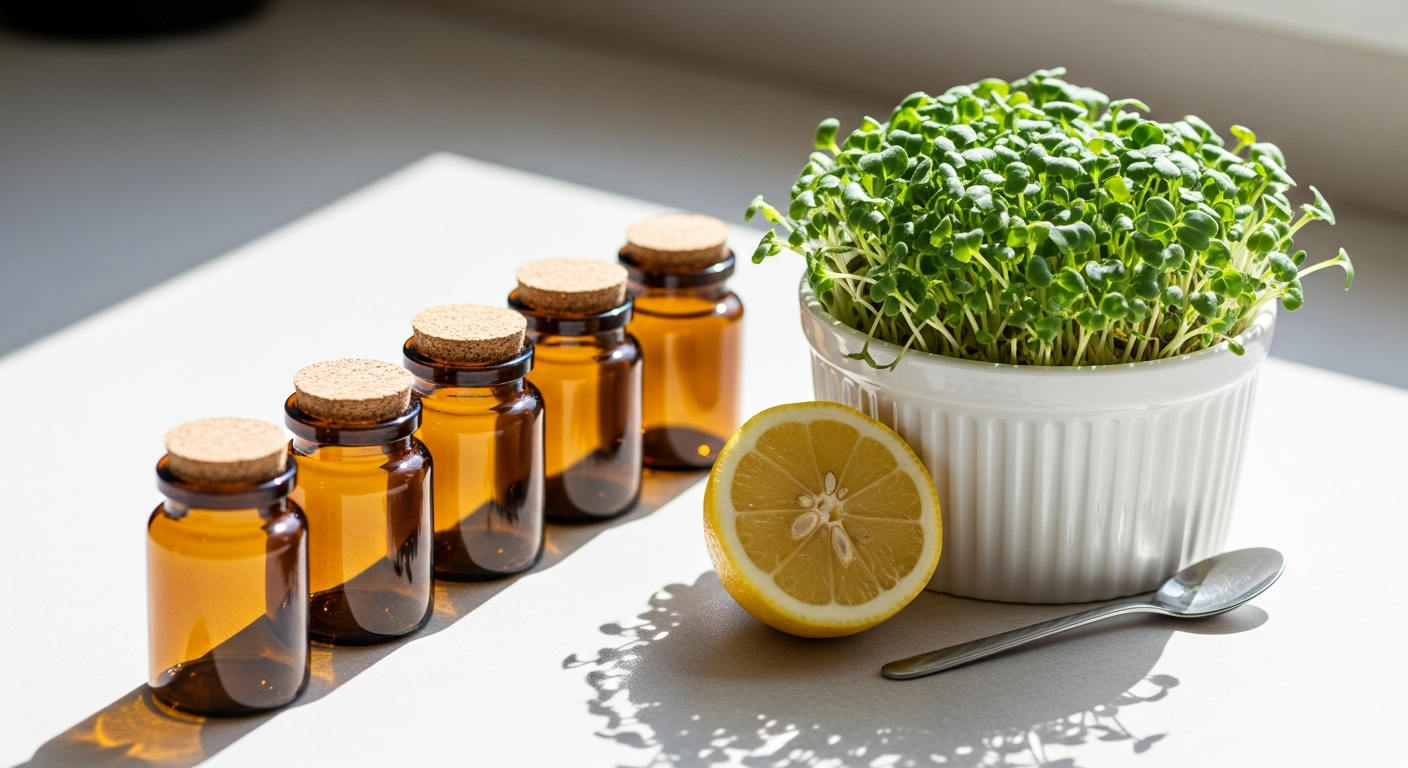
You don’t need a drawer of powders. You need a few that pull real weight, calmly.
- N-Acetylcysteine (NAC)
Think: raw ingredients for your master antioxidant (glutathione). NAC is like restocking the supply closet so the cleanup crew runs smoothly. - Milk Thistle (Silymarin)
Classic liver ally. Helps protect liver cells as they process daily inputs so your detox “hub” stays resilient. - Sulforaphane (Broccoli Sprout Extract)
A gentle signal booster for your own cleanup genes (the ones that ramp up antioxidant and Phase II detox pathways). - Curcumin (from Turmeric)
Not just “anti-inflammatory”—more like a thermostat that helps turn down excess heat when your system is irritated. - Omega-3s (EPA/DHA)
These help build calmer cell membranes. When your membranes are fluid and stable, messages get clear and inflammatory sparks don’t spread as fast.
You can stop here and you’ll already feel better structure in your days.
A lived moment (and an early hint)
I began with morning light, a glass of water with minerals, and NAC after breakfast. I also added HepatoBurn, a gentle liver-support formula I could actually stay consistent with—quiet helpers for the central station that handles your cellular “trash and traffic.” Within a week, I didn’t feel “detoxed.” I felt less noisy. My face looked a touch less puffy in the mirror. My shoulders dropped an inch.
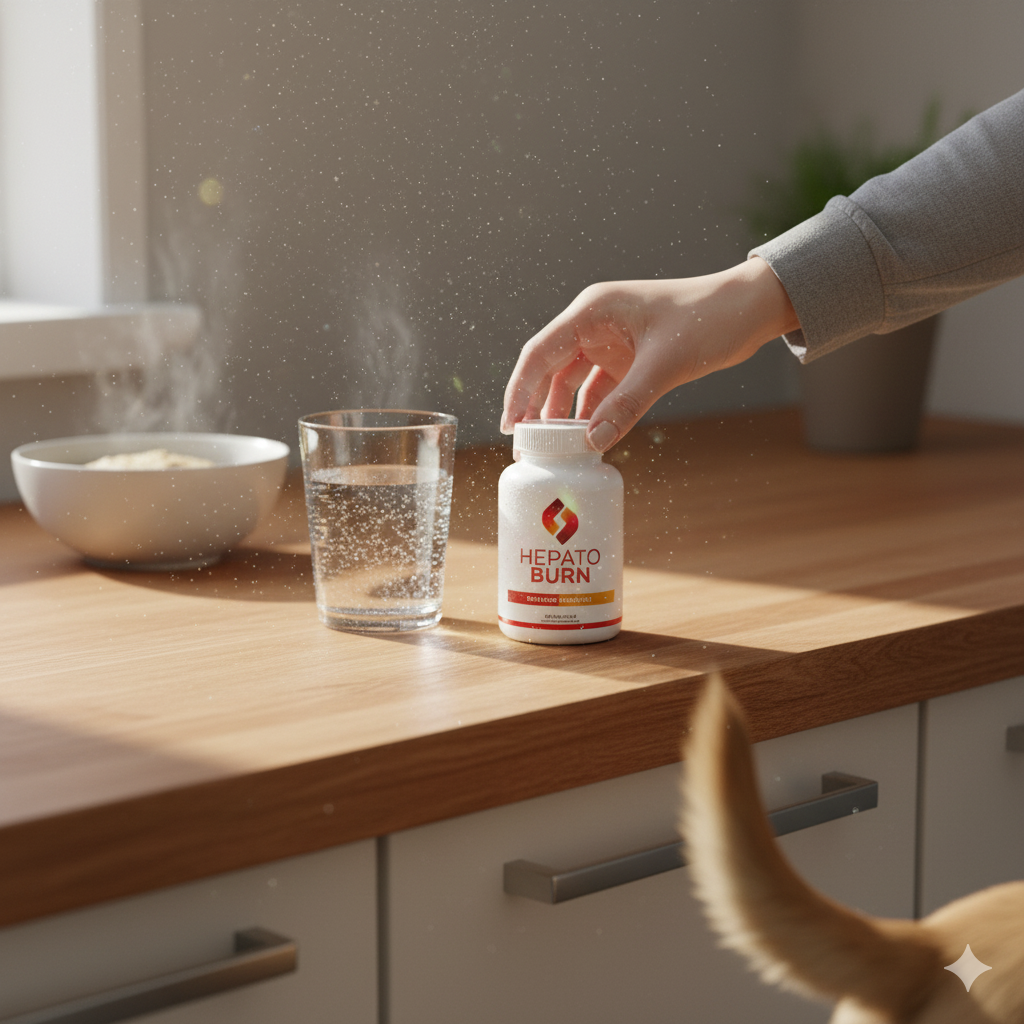
Lighten Your Morning Load
One step at breakfast that helps your day feel clearer, steadier, easier to carry
Make HepatoBurn the first move. Thoughtful liver support that fits your real life—water, food, done. Pair with NAC and watch the background “buzz” settle. No overhaul, just a dependable ally you can feel.
-
Softer mornings, less face puff
-
Easier pace through meals
-
Noticeably calmer afternoons
Simple science, human words

- Why detox and inflammation hold hands
When waste lingers, stress builds inside the cell. That stress sends signals (think: tiny flares) that call in inflammation. Inflammation isn’t bad—it’s a repair language—but when the messages never stop, tissues get tired. Help cells process waste → fewer flares → calmer tissues. - Why membranes matter
Your cell membrane is a flexible gate. Omega-3s and steady minerals keep it fluid, which helps nutrients enter, waste exit, and signals stay true. A sturdy membrane is like good boundaries for your entire body. - Why the liver gets the spotlight
Everything you eat, sip, or absorb takes a pass through your liver. Milk thistle and sulfur-rich nutrients (NAC, sulforaphane) help that pass go smoother—less collateral stress, more efficient packaging.
How I stack them (without turning my day into a protocol)
- Morning: Light in your eyes before screens. Water. Protein-rich breakfast.
Then: NAC (a common adult range is 600–900 mg) and HepatoBurn with breakfast. - Midday: Whole-food lunch, easy on ultra-processed oils.
Then: Omega-3s (with food for better feel). - Evening: Screen dimming, warm dinner, small walk.
Then: Curcumin (with a little fat or a formula that includes black pepper extract), and sulforaphane if you’re not eating cruciferous vegetables that night.
By week two, I felt steadier between meals and less of that post-lunch slump. Not fireworks—just a quiet return to myself.
Ingredient spotlight (so you know what you’re actually taking)
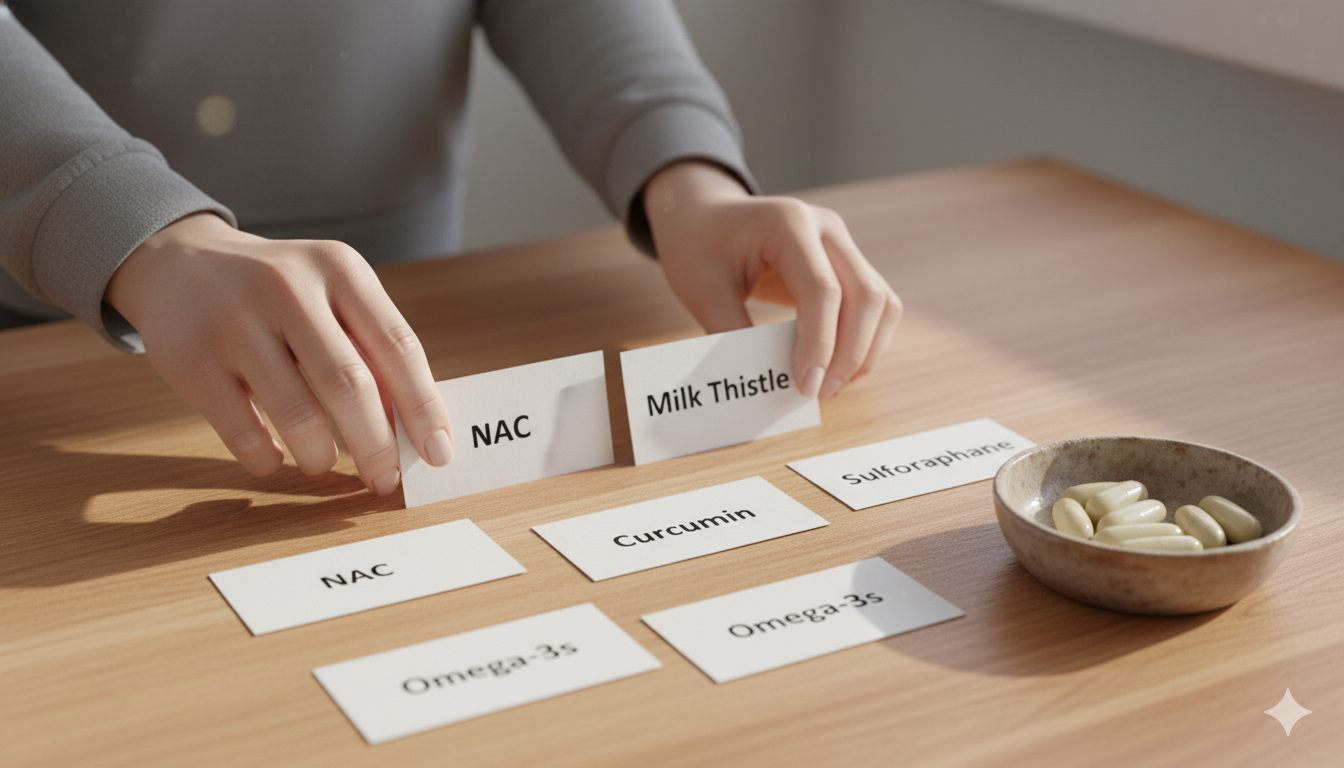
- NAC → Glutathione support
The cell’s favorite “handing off” molecule for neutralizing reactive byproducts. When stocks are up, cleanup is calm. - Milk Thistle (Silymarin)
Acts like a protective shield for liver cells while they process your daily intake. - Sulforaphane
Nudges your body’s own defense switches—like turning on extra air filters when the room gets stuffy. - Curcumin
Helps reduce the “volume” of inflammatory chatter. Many people notice this in joints, skin, or gut ease. - Omega-3s
Think mental clarity, smoother mood edges, calmer skin—all from membranes that can flex without cracking.
Real-life benefits (the micro kind that matter)
What changed for me:
- Mornings: woke up with less face puffiness and easier breath.
- Midday: more even energy; snacks became a choice, not a rescue.
- Digestion: a little more regular. Less “heavy” after meals.
- Skin: fewer surprise flushes after stress or spicy food.
These are the kinds of shifts that tell you your cells are moving waste along and the signal fires are dimming.
Why I swapped to HepatoBurn (and kept it)
I’d tried a handful of liver formulas. Some were too intense or too complicated. HepatoBurn landed in that “daily-doable” pocket: a clean-looking formula aimed at supporting liver function and daily detox work, without drama. It pairs well with NAC in the morning and doesn’t ask for a new identity—just a little consistency.
How it fits my rhythm
- Morning with breakfast (water nearby).
- On busy days, I still notice steadier energy and less post-meal heaviness.
- On travel days, it’s the one bottle I keep in my bag.
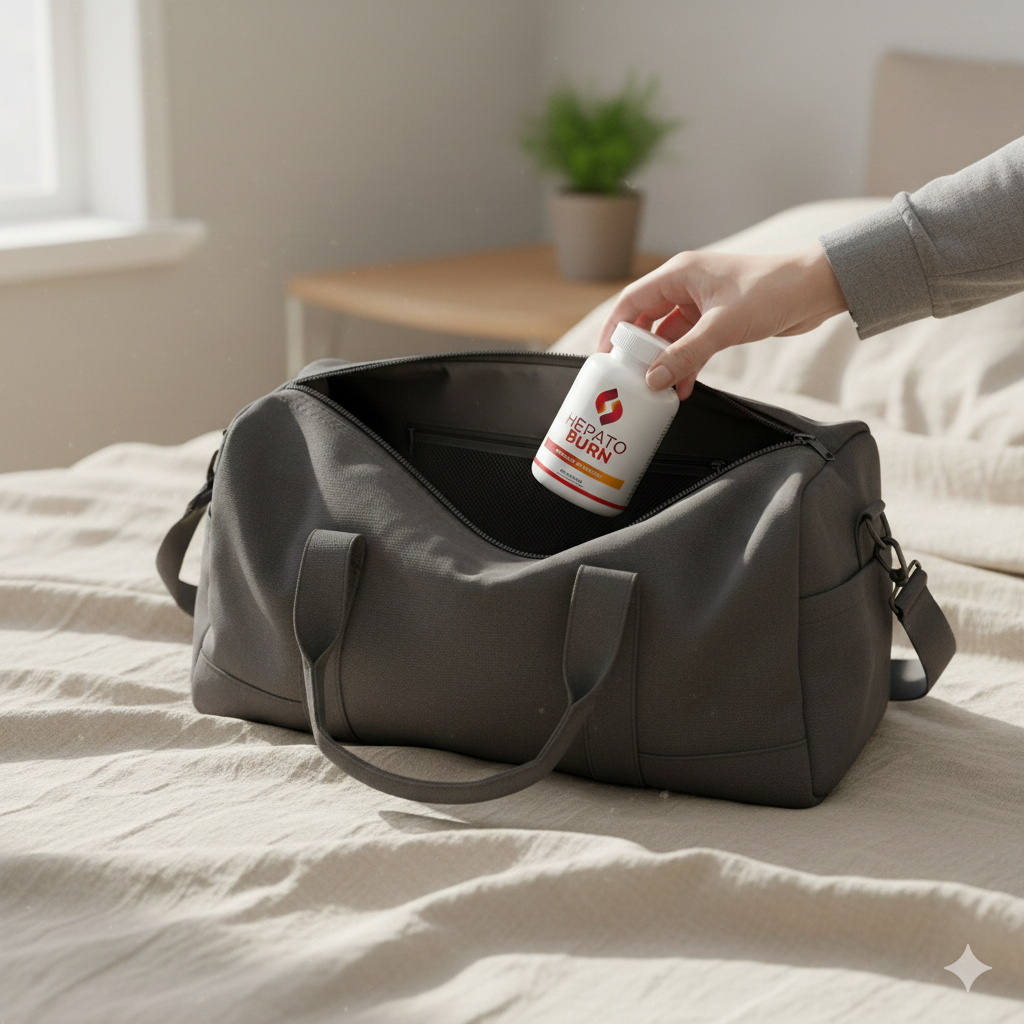
Keep Your Rhythm Everywhere
The bottle you don’t overthink—because it works with your day
Choose HepatoBurn for steady, portable support. Morning capsule, water, move on. On workdays or travel, it backs your liver’s workload so meals feel lighter and energy holds. Set it, keep it, feel the difference.
-
Lighter after-meal feel
-
Fewer wired-tired dips
-
Subtly clearer skin look
Micro-benefits I felt
- Less morning puff.
- Fewer “wired-tired” afternoons.
- Slightly clearer skin tone.
- A calmer, more even pace through the day.
A gentle comparison (so you can pick without second-guessing)

- If your mornings feel puffy and you’re easily irritated by rich meals → prioritize milk thistle and a liver-support formula like HepatoBurn.
- If you feel wired-tired with brain fog → try NAC first; consider sulforaphane second.
- If your body feels hot (joints, skin flares) → anchor with curcumin and omega-3s; then add sulforaphane for internal cleanup.
- If you want the fewest moving parts → HepatoBurn plus NAC covers a lot of ground without a pharmacy’s worth of bottles.
The throughline: renewal you can feel
Your body is not a problem to fix. It’s a conversation partner. Give it light, clean water, slow meals, a walk after dinner—and a short, purposeful stack. The best supplements for cellular detox aren’t dramatic. They’re steady hands: NAC, milk thistle, sulforaphane, curcumin, omega-3s. Layer them at a pace that respects your life.
If you want one simple next step, the formula that kept my mornings clear was HepatoBurn. It slots into breakfast, pairs well with NAC, and supports the steady, behind-the-scenes work your cells are already trying to do.
Breathe. Sip water. Let your night crew clock in. Renewal likes quiet.
—
Written by Liora Menden — for those who seek renewal.