The morning light was soft on the counter, the kettle clicking in the quiet, and my body moved like it had sand in the gears. One flight of stairs felt like a switchback trail. Words wouldn’t line up. No all-nighter. No brutal workout. Just… empty batteries.
That slow Tuesday is when I started looking at mitochondrial dysfunction—how our tiny cellular engines can underperform and tug our days downhill. When they falter, the first signals are simple and human: a deep tiredness that sleep doesn’t quite touch, brain fog that makes thoughts wade through syrup, and muscle heaviness during small tasks like carrying groceries or taking those stairs.
I don’t think of this as a diagnosis. I think of it as a message.
What It Feels Like When Energy Slips

- Stairs feel steeper than they should.
- Your focus blurs mid-sentence.
- Muscles complain during everyday chores.
- Mood tilts toward “flat” without a story to explain it.
Mitochondria turn food and oxygen into energy your body can use. When they’re stressed, underfed, or swimming in cellular “exhaust,” everything that runs on energy (which is… everything) starts to wobble.
If the ordinary feels heavier than it should, that’s data.
Why Mitochondria Stumble (and How to Ease the Friction)

Inflammation
An always-on immune system burns a lot of fuel. Picture a fine haze in the engine room—parts still work, but not well. Reducing the daily “smoke” helps energy return.
Nutrient Gaps
These engines run on parts and spark: B vitamins for energy pathways, magnesium for hundreds of reactions, omega and plant fats for flexible membranes, colorful polyphenols for protection. When the parts bin is empty, output drops.
Environmental Load
Certain cleaners, old pipes, stale air—tiny exposures stack. Lowering that load is less about fear and more about creating clean lanes for energy to flow.
A week of notes—sleep window, meals, movement, stress spikes—often reveals where the friction lives.
Simple Checks You Can Start Today

- Sleep rhythm: consistent lights-out and wake time.
- Midday energy (1–10): jot a single number after lunch.
- Stair test: notice breath and leg feel after one flight.
Patterns show up before lab numbers do. When the curves smooth out—less crash, more steady—that’s your first “green light.”
The Gentle Rebuild
This isn’t a bootcamp. It’s a return to rhythm—quiet inputs that rebuild capacity.
Eat for Less Smoke and More Spark
Base plates on color and fiber: vegetables, berries, legumes, olive oil, herbs, fish or quality protein. Crowd out ultra-processed foods. Hydrate. Salt to taste. Eat enough—undereating is an energy thief.
Move Without Draining
Walks, light strength, yoga, mobility. Think “circulation and signals,” not “punishment.” Short, consistent sessions beat heroic swings.
Morning Light, Calmer Nights
Step outside for daylight. Dim screens earlier than your ego wants. Cooler, darker room. Your mitochondria love predictable nights.
A Small, Sane Stack
Magnesium most evenings. A B-complex a few mornings a week. And one brain-energy teammate that fit my routine without drama.

Put Clarity On Your Plate
One capsule with breakfast. Notice the lift.
Neuro-Thrive is a once-daily formula designed to support brain energy and morning focus. Take it with breakfast and let consistency do the work—no jitters, no midday scramble.
-
Supports clear, get-started focus
-
Fits the breakfast habit you already keep
-
Once daily—simple to stay with
Early on, a friend mentioned Neuro-Thrive, a once-daily formula aimed at supporting brain energy—the kind of clarity that fades first when my cellular power dips. I added it to breakfast and made a note in my log.
By week two, the stairs stopped winning.
The Science, Kept Simple
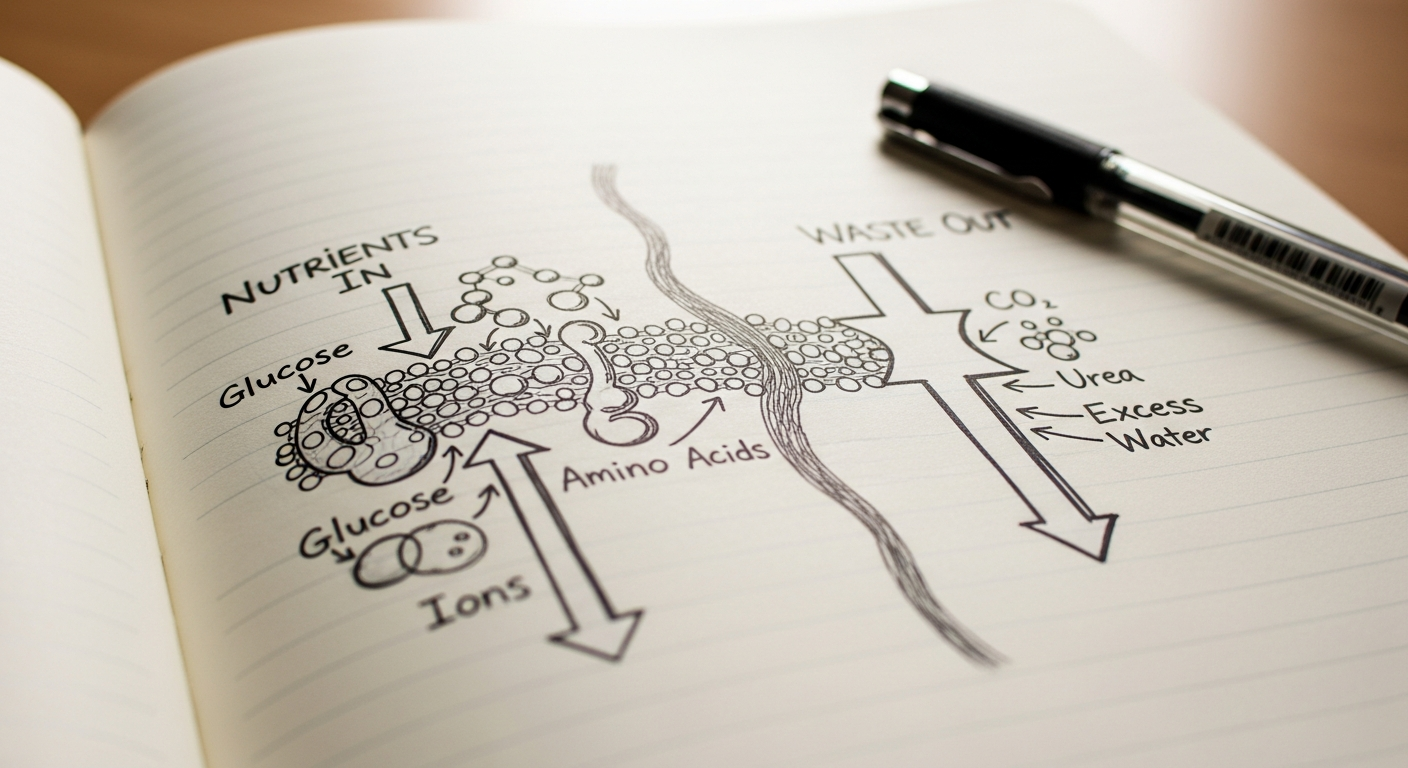
Mitochondria sit inside your cells like engines inside a car. The membranes around them matter—a lot. Flexible, well-fed membranes let nutrients move, waste leave, and signals travel:
- Antioxidants help clear cellular “exhaust.”
- Healthy fats keep membranes sturdy yet flexible.
- B-vitamins act like spark in the fuel mix.
- Daily movement is the signal that says, “We need more capacity.”
None of this is magic. It’s maintenance.
My Day, When Energy Feels Steady
Morning
Open a window. Breathe cool air. Drink water before coffee. Protein-forward breakfast: eggs and greens with olive oil, or oats with nuts and cinnamon.
One Capsule, Same Time
I take Neuro-Thrive with breakfast. Consistency beats complexity.

Make Breakfast Your Trigger
Set Neuro-Thrive by the glass. Take it. Go.
Keep brain-first energy support automatic. Neuro-Thrive stacks cleanly with water and protein so you feel composed and ready—without stimulants. One capsule, same time, real momentum.
-
Brain-energy support without the buzz
-
Habit-tied timing for zero guesswork
-
Built for everyday rhythm and results
Midday
A 20-minute walk or light lift. Just enough to send the “we’re building” signal.
Evening
Screens dimmed. A bit of stretching. Magnesium. In bed slightly earlier than my habit wants.
The Micro Wins I Noticed
- Mornings lost that wool-blanket heaviness.
- Thoughts clicked into focus sooner.
- Legs had more “spring” on stairs.
- A calmer mood settled in by late afternoon.
Small wins are the scoreboard that matters.
Clearing Hidden Friction at Home
- Air & Water: Crack a window daily. If possible, use a basic HEPA filter and a simple water filter.
- Cleaners: Swap one high-fragrance product for a lower-tox option. Start with the one you use most.
- Two-Minute Resets: Three times a day, pause and take six slow breaths—longer exhale than inhale. It sounds soft. It isn’t. It interrupts the stress loop that burns fuel.
How Neuro-Thrive Fits (Without Taking Over)
I treat supplements like teammates, not saviors. Neuro-Thrive earned a place by supporting the exact bottleneck I felt—brain energy fading before my body did—and by fitting my rhythm:
- Timing: One capsule with breakfast, daily.
- Pairing: With water and protein—no “forgot it at 3 p.m.”
- Feel: Clean “on” switch in the morning. No jitters.
- Role: Brain-first energy support alongside sleep, food, and movement.
Curious about the formula and routine?
[Explore Neuro-Thrive → [AFFILIATE_URL]]
A Four-Week Nudge (No Numbers, Just Signals)

Week 1 — Reduce Friction
Earlier wind-down, lighter dinners, swap one cleaner, morning light.
Week 2 — Build Rhythm
Same wake time, walk most days, protein-first breakfast.
Week 3 — Feed the Engine
Add a B-complex a few mornings, magnesium at night, keep Neuro-Thrive in the breakfast slot.
Week 4 — Protect the Gains
Keep it simple. Say no to “all-or-nothing.” Notice steadier climbs and clearer mornings.
You’ll know it’s working when the ordinary feels less heavy.
Closing the Loop
A month after that sluggish Tuesday, I stood at the base of the same stairs. Sun in the same slice across the counter. Same mug. Different body. I didn’t bargain with myself before climbing. The shift wasn’t flashy—just steady: color on my plate, kinder nights, small breath breaks, and one capsule folded into breakfast. The change felt quiet, but it stayed.
When energy returns, it doesn’t shout. It hums. It meets you at the stairs and walks with you.
Written by Elias Menden — for those who seek vitality.
f
I
w
e
r
e
s
t
a
r
t
i
n
g
o
v
e
r
w
i
t
h
a
t
i
r
e
d
,
f
o
g
g
y
b
o
d
y
,
I
w
o
u
l
d
n
‘
t
c
h
a
n
g
e
d
i
e
t
f
i
r
s
t
o
r
a
d
d
s
u
p
p
l
e
m
e
n
t
s
f
i
r
s
t
.
I
‘
d
f
i
x
s
l
e
e
p
a
r
c
h
i
t
e
c
t
u
r
e
—
w
a
k
e
t
i
m
e
c
o
n
s
i
s
t
e
n
c
y
,
m
o
r
n
i
n
g
l
i
g
h
t
,
z
e
r
o
s
c
r
e
e
n
s
i
n
t
h
e
l
a
s
t
h
o
u
r
.
M
i
t
o
c
h
o
n
d
r
i
a
d
o
m
o
s
t
o
f
t
h
e
i
r
r
e
p
a
i
r
a
t
n
i
g
h
t
,
a
n
d
y
o
u
c
a
n
‘
t
s
u
p
p
l
e
m
e
n
t
y
o
u
r
w
a
y
o
u
t
o
f
a
b
r
o
k
e
n
n
i
g
h
t
.
E
v
e
r
y
t
h
i
n
g
d
o
w
n
s
t
r
e
a
m
i
s
e
a
s
i
e
r
w
h
e
n
t
h
e
u
p
s
t
r
e
a
m
i
s
c
a
l
m
.
The first thing I’d change if I were starting over
If I were starting over with a tired, foggy body, I wouldn’t change diet first or add supplements first. I’d fix sleep architecture — wake time consistency, morning light, zero screens in the last hour. Mitochondria do most of their repair at night, and you can’t supplement your way out of a broken night.
Related reading
- How to Improve Mitochondrial Function Naturally: A Daily Rhythm for Steady Energy
- Mitochondrial Function: What Mitochondria Really Do (And Why Your Energy Depends on Them)
- Why the Best Mitochondrial Support Supplements Changed How I Think About Energy
- The Cellular Energy Secret: How Mitochondrial Support Changes Weight Loss