The optometrist’s words hung in the air like a challenge I wasn’t ready to accept. “Your prescription has changed again. That’s normal for your age.” Normal. At forty-two, I was supposed to accept that my eyes were simply giving up, retreating from the sharpness I’d taken for granted since childhood.
But I’ve spent years studying how the body maintains itself at the cellular level, and I knew there was more to this story. Your eyes aren’t just cameras that wear out over time. They’re living tissue packed with some of the most metabolically active cells in your body — cells that demand constant energy, constant repair, constant protection from the oxidative stress of simply seeing the world.
That day in the optometrist’s chair was when I stopped accepting vision decline as inevitable and started treating my eyes like the complex biological systems they actually are.
The Energy Crisis Happening Behind Your Eyes

Your retina contains more mitochondria per cell than almost any other tissue in your body. These cellular powerhouses work around the clock, converting light into the electrical signals your brain interprets as sight. Every blink, every glance, every moment of focus requires an enormous amount of cellular energy. But here’s what I didn’t understand until I started digging deeper: as we age, mitochondrial function naturally declines. The energy production that keeps your photoreceptors firing optimally, that maintains the delicate structures of your macula, that supports the continuous regeneration of visual pigments — all of this slows down.
The result isn’t just needing reading glasses. It’s the subtle dimming of color perception, the increased difficulty seeing in low light, the eye fatigue that comes on faster than it used to. Your eyes aren’t broken. They’re energy-starved.
This realization shifted everything for me. Instead of waiting for problems to manifest and then managing them, I started thinking about feeding my visual system at the mitochondrial level — giving those hardworking cells the support they need to maintain peak function year after year.
Ready to support your vision at the cellular level?
Why Standard Eye Health Advice Falls Short

Most eye health recommendations focus on antioxidants — lutein, zeaxanthin, vitamins C and E. These nutrients matter, but they’re addressing only one piece of a much larger puzzle. They help protect against oxidative damage, which is important, but they don’t address the fundamental energy crisis happening at the cellular level. I started to see the limitation in this approach when I looked at my own habits. I was eating plenty of leafy greens, taking a standard eye supplement, wearing sunglasses religiously. Yet my vision continued its slow, steady decline.
Something was missing.
The missing piece was mitochondrial support. Your retinal cells can have all the antioxidant protection in the world, but if they can’t generate enough energy to function optimally, protection becomes irrelevant. It’s like having the best security system in a house with a failing electrical grid.
This is why people can follow all the conventional eye health advice and still experience the gradual dimming, the increased difficulty with night vision, the accelerating need for stronger prescriptions. They’re treating the symptoms of cellular decline without addressing the underlying energy deficit.
Your eyes deserve more than conventional supplement approaches offer.
The Cellular Foundation of Sharp Vision

Understanding how vision actually works at the cellular level changed my entire approach to eye health. Your photoreceptor cells — the rods and cones in your retina — constantly regenerate their outer segments. This process requires tremendous amounts of cellular energy, coordinated by healthy mitochondria. When mitochondrial function is optimal, this regeneration happens seamlessly. Colors stay vibrant, contrast remains sharp, adaptation to changing light conditions stays quick and smooth.
But when cellular energy production falters, every aspect of visual function begins to suffer.
The macula, the small area of your retina responsible for central vision and fine detail, is particularly vulnerable. It has the highest concentration of mitochondria and the highest energy demands. When these cellular powerhouses start underperforming, macular function is often the first to decline.
This is why I shifted my focus from general eye supplements to targeted mitochondrial support. Instead of just hoping antioxidants would slow damage, I wanted to actively enhance the energy production that keeps visual cells functioning at their biological best.
Give your visual system the energy support it needs.
The Moment Everything Started to Change

Six months after that frustrating optometrist visit, I discovered a supplement approach I hadn’t tried before — one specifically designed to support mitochondrial function throughout the body, including the energy-hungry cells of the visual system. The formula, called Mitolyn, targets cellular energy production at its source rather than just providing surface-level nutrients. What drew me to this approach was its focus on the fundamental mechanism that drives healthy cellular function. Rather than just adding more antioxidants to an already crowded supplement routine, Mitolyn works to optimize the mitochondrial processes that keep cells energized and resilient.
I started taking it daily, curious to see if addressing cellular energy directly would have any noticeable impact on visual function.
The changes weren’t immediate — cellular repair takes time. But after about eight weeks, I began to notice something different about how my eyes felt at the end of long workdays. The strain that used to build up after hours of screen time seemed less intense. Colors looked more vivid, particularly in the early morning and late afternoon when lighting conditions are challenging.
Most notably, my eyes felt more resilient — like they had reserves of energy to draw from instead of running on empty by evening.
Experience what optimized mitochondrial function feels like for your vision.
What Daily Mitochondrial Support Actually Feels Like

The difference became most apparent during activities that had previously been taxing for my eyes. Reading fine print didn’t require the same level of squinting effort. Driving at dusk, when the transition between day and night vision is most challenging, felt smoother and less straining. But the most significant change was in overall visual endurance. Previously, a day of detailed work would leave my eyes feeling depleted, dry, and tired. With consistent mitochondrial support, that end-of-day exhaustion became much less pronounced.
My eyes felt like they could sustain sharp focus for longer periods without fatigue.
I also noticed improvements in adaptation speed — how quickly my eyes adjust to changes in lighting. Walking from bright outdoor light into a dim restaurant, or moving from a dark room into daylight, used to require several seconds of visual adjustment. That transition time shortened noticeably. These weren’t dramatic, overnight transformations. They were the subtle but meaningful improvements that come from supporting your body’s existing repair and maintenance systems rather than fighting against decline.
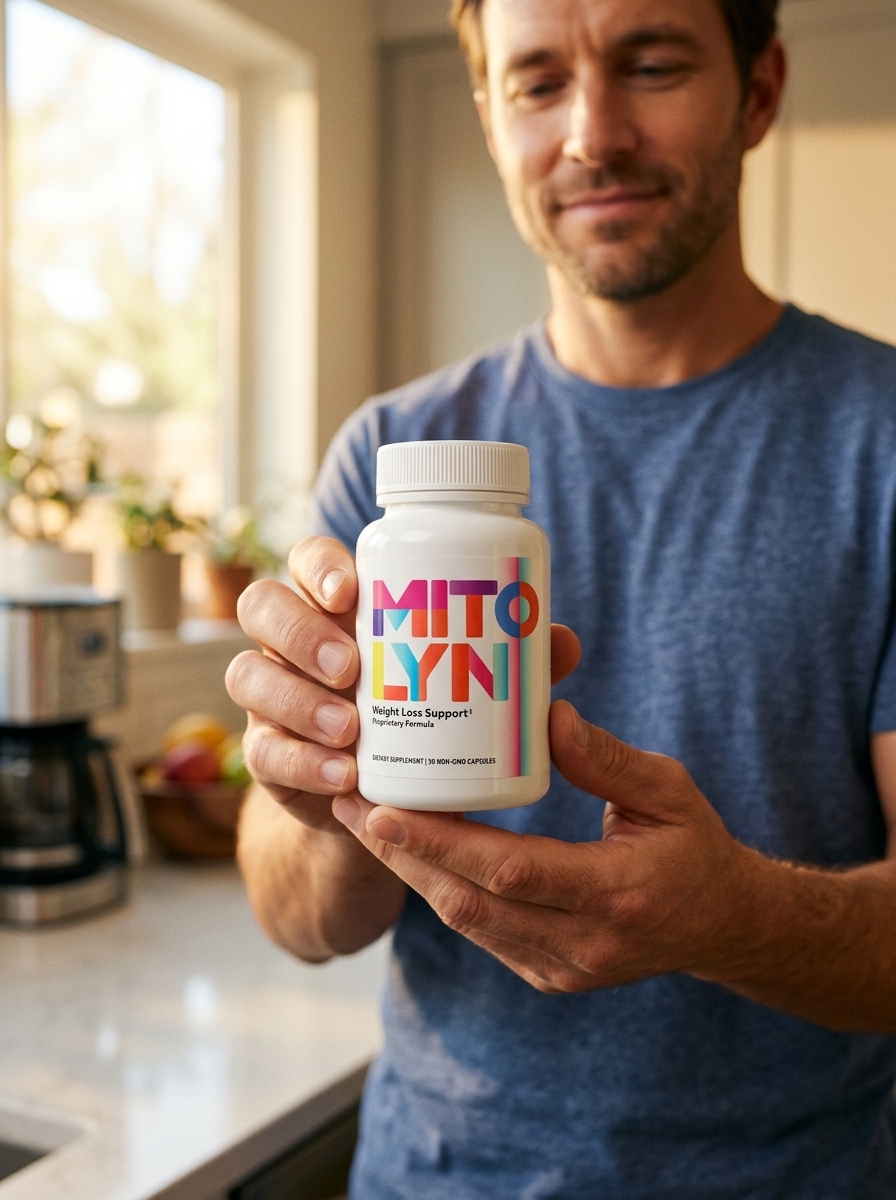
Feed Your Vision’s Energy Source
Support the mitochondria that power every moment of clear sight.
Your retina contains more energy-producing mitochondria than almost any tissue in your body. When these cellular powerhouses function optimally, your eyes maintain their sharpness, color perception, and visual endurance year after year. Mitolyn targets this fundamental energy system, supporting the cellular foundation that determines how well you’ll see in the decades ahead.
- ✓ Enhanced visual endurance for long days
- ✓ Sharper color perception and contrast
- ✓ Improved adaptation to light changes
The Science Behind Cellular Vision Support

What makes mitochondrial support so effective for eye health is how it addresses vision at the foundational level. Your retinal cells consume more oxygen and glucose per gram than any other tissue in your body. This intense metabolic activity generates significant free radical production, which can damage cellular structures over time. Healthy mitochondria don’t just produce energy — they also maintain their own antioxidant systems and support cellular repair processes.
When mitochondrial function is optimized, cells can better manage oxidative stress while maintaining the energy output needed for peak performance.
This dual action — enhanced energy production plus improved cellular resilience — creates conditions where visual cells can maintain their function more effectively over time. Instead of gradually declining under metabolic stress, they have the resources needed to repair damage and continue operating at optimal levels. The compound in Mitolyn works specifically at this mitochondrial level, supporting the cellular machinery that keeps your visual system running smoothly.
It’s not about adding more nutrients to an overwhelmed system — it’s about optimizing the processes that make all cellular functions more efficient.
Support the cellular foundation that determines your visual future.
Building Vision Protection Into Daily Life

Incorporating mitochondrial support into my routine felt natural once I understood the underlying science. Taking Mitolyn became as routine as any other daily health practice — something I do consistently because I understand how it supports long-term function rather than just addressing immediate symptoms. I still maintain other eye-healthy habits: wearing quality sunglasses, taking regular breaks from screen work, eating plenty of colorful vegetables.
But now these practices feel like they’re working with my cellular support system rather than trying to compensate for declining energy production.
The combination has created a sense of confidence about my visual future that I didn’t have before. Instead of accepting gradual decline as inevitable, I feel like I’m actively maintaining the cellular foundation that supports sharp, clear vision. My most recent eye exam confirmed what I was already feeling. Not only had my prescription stabilized, but several markers of eye health had actually improved.
My optometrist commented that my retinal tissue looked particularly healthy for someone my age — something I attribute directly to consistent mitochondrial support.
Stop accepting vision decline as inevitable and start supporting cellular health.
The Long View on Vision Health

Looking back, that moment of frustration in the optometrist’s chair turned out to be exactly what I needed. It forced me to question assumptions about aging and vision that I’d never examined before. Instead of accepting decline, I learned to support the biological processes that maintain healthy sight. The investment in daily mitochondrial support has paid dividends in ways I didn’t expect. Beyond the improvements in visual function, I have confidence that I’m addressing eye health proactively rather than reactively.
I’m supporting the cellular foundation that will determine how well I see in the decades to come.
For anyone experiencing the early signs of visual change — the need for more light when reading, the increased difficulty with night driving, the gradual dimming of color perception — I’d encourage looking beyond conventional approaches. Your eyes are sophisticated biological systems with specific energy requirements. Meeting those requirements at the cellular level can make all the difference.
Vision isn’t something that simply degrades with time. It’s something that can be maintained and supported through understanding what your visual cells actually need to thrive.
That understanding changed everything for me, and it’s an investment I’ll continue making for the rest of my life.
Written by Elias Menden — for those who seek lasting clarity
Ready to feel the difference this formula makes?