Three o’clock used to hit me like a brick wall. Every single day, without fail, my body would start sending distress signals—brain fog rolling in like morning mist, shoulders heavy as sandbags, that bone-deep tiredness that no amount of coffee could touch. I’d stare at my computer screen, cursor blinking mockingly, while my mind felt like it was operating through thick molasses.
For months, I blamed everything else. Too much stress. Not enough sleep. Maybe I was getting older. But there was something deeper happening, something I couldn’t see but could definitely feel—like my internal engine was running on fumes even when I’d given it premium fuel.
Then I learned about mitochondria. Those tiny powerhouses inside every cell, working around the clock to convert nutrients into the energy currency our bodies actually use. When they’re struggling, we feel it everywhere—in our focus, our stamina, our recovery, even in how well we sleep.
The afternoon crash wasn’t a character flaw or a scheduling problem. It was a cellular energy crisis.
The Hidden Energy Drain You Can’t See

Your mitochondria are like microscopic power plants, each one smaller than a grain of sand but more essential than any organ in your body. Right now, trillions of them are working inside you, breaking down glucose and oxygen to create ATP—the molecule that fuels every heartbeat, every thought, every cellular repair process that keeps you alive and thriving. But here’s what most people don’t realize: mitochondria age faster than we do. They’re constantly under attack from free radicals, environmental toxins, and the natural wear-and-tear of converting fuel into energy.
By the time we hit our thirties, mitochondrial function starts declining at about 10% per decade. No wonder that effortless energy of youth begins to fade.
The symptoms show up everywhere. That 3 PM energy crash isn’t about willpower—it’s about cellular capacity. The restless nights aren’t just stress—they’re about mitochondria struggling to power your recovery processes. The exercise that used to energize you but now leaves you drained? That’s your cellular batteries running low on the nutrients they need to recharge efficiently.
Ready to give your mitochondria the support they’ve been craving?
Why Standard Energy Solutions Fall Short

Most of us reach for the obvious fixes first. More caffeine to push through the fog. Energy drinks loaded with sugar and synthetic stimulants. Earlier bedtimes and later wake-ups, hoping more sleep will somehow compensate for the underlying energy deficit.
These approaches work temporarily because they force the system, like pressing the gas pedal harder when your engine needs better fuel. Caffeine blocks the receptors that signal tiredness, but it doesn’t actually create more cellular energy. Sugar provides a quick burst, but the inevitable crash happens because your mitochondria still can’t process it efficiently.
The real issue isn’t energy expenditure—it’s energy production. And energy production happens at the mitochondrial level, where specific nutrients and cofactors determine how efficiently your cells can convert food into fuel. Without addressing this foundational layer, you’re essentially trying to power a smart phone with AA batteries.
Discover what happens when your cells get the nutrients they actually need.
The Nutrients Your Mitochondria Actually Crave

After diving deep into mitochondrial research, I discovered that these cellular powerhouses have very specific nutritional needs. They don’t just want any fuel—they require precise cofactors and building blocks to operate at peak efficiency. CoQ10 helps shuttle electrons through the energy-production process. PQQ supports the growth of new mitochondria. NAD+ precursors help maintain the cellular machinery that converts nutrients into usable energy. But getting these nutrients from food alone is nearly impossible in meaningful amounts.
The CoQ10 in a serving of beef heart—one of the richest natural sources—provides only a fraction of what research suggests for optimal mitochondrial support. PQQ exists in foods like kiwi and green tea, but you’d need to consume unrealistic quantities daily to reach therapeutic levels.
This is where I started understanding why so many people struggle with energy despite eating well and exercising regularly. We’re asking our mitochondria to perform at their peak while providing only basic fuel.
Stop forcing energy and start optimizing it at the cellular level.
When I Finally Found What Worked

The breakthrough came when I discovered Mitolyn, a supplement specifically designed to support mitochondrial function with the precise nutrients these cellular powerhouses actually need. Unlike generic energy products that rely on stimulants and quick fixes, Mitolyn focuses on the foundation—providing mitochondria with the cofactors and precursors they require for optimal energy production. What caught my attention wasn’t just the ingredient profile, but the science behind it.
Each component targets a specific aspect of mitochondrial health: supporting electron transport, protecting against oxidative damage, and even encouraging the growth of new mitochondria. This wasn’t about forcing energy through artificial means—it was about restoring natural cellular function.
Within the first week of taking Mitolyn, I noticed something subtle but profound. That afternoon energy drop didn’t disappear immediately, but it became less severe, like someone had turned down the intensity from a brick wall to a gentle slope. My sleep quality improved—not because I was more tired, but because my cells seemed to recover more efficiently overnight.
Experience the difference targeted mitochondrial support can make.
The Changes That Actually Surprised Me

The energy improvement was expected, but other changes caught me off guard. My recovery after workouts became noticeably faster—muscles that used to ache for days after a challenging session would feel ready to go again within 24 hours. My focus during demanding mental tasks felt sharper and more sustained, like my brain had access to a more reliable fuel supply. Even my mood felt more stable throughout the day.
I hadn’t realized how much those energy crashes were affecting my patience and emotional resilience until they started smoothing out. Instead of the roller coaster of peaks and valleys, my energy felt more like a steady river—consistent, reliable, sustainable.
The inflammation that had been quietly building in my joints and muscles—something I’d attributed to age and stress—began to subside.
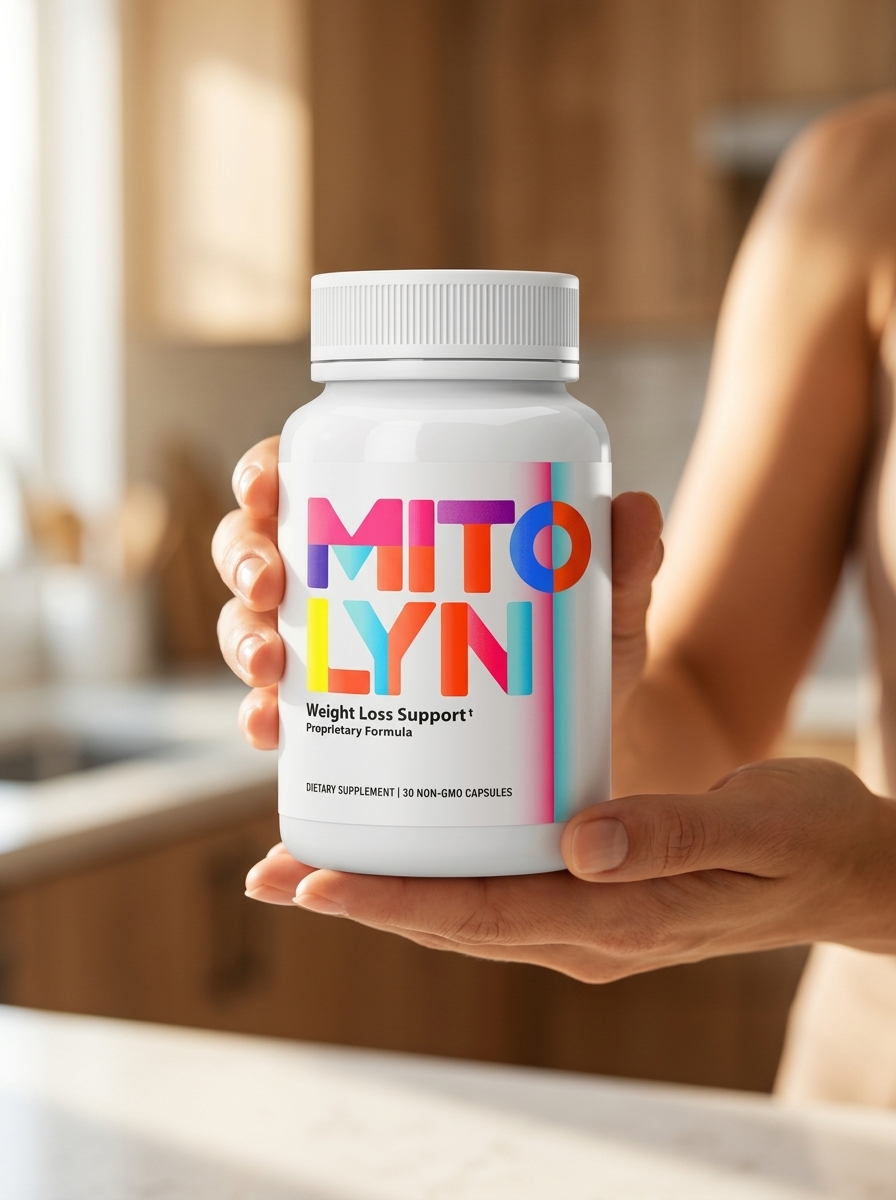
Fuel Your Cellular Powerhouses
Give your mitochondria the precise nutrients they crave for sustained energy and vitality.
Mitolyn delivers targeted mitochondrial support with CoQ10, PQQ, and NAD+ precursors your cells need for optimal energy production. Unlike stimulants that force the system, this formula nourishes the foundation where true energy begins—at the cellular level.
- ✓ Steady energy without crashes
- ✓ Faster recovery and better sleep
- ✓ Mental clarity that lasts all day
Making It Work in Real Life

Consistency became the key to maximizing the benefits. I found that taking Mitolyn with my morning routine created the best results—not because it provided immediate energy like caffeine, but because it gave my mitochondria the raw materials they needed throughout the day. The effects were cumulative, building on each other rather than providing temporary spikes.
I also noticed that combining mitochondrial support with other healthy habits amplified everything. Regular exercise became more effective because my cells could produce energy more efficiently and recover more completely.
The timing mattered less than the consistency. Whether I took it with breakfast or on an empty stomach, the benefits remained steady. What mattered was giving my mitochondria daily access to the nutrients they needed to function optimally, like maintaining a high-performance engine with the right oil and fuel.
Your cellular powerhouses deserve better fuel—give them Mitolyn.
Understanding Your Body’s Energy Signals

Now I pay attention to energy differently. Instead of pushing through fatigue with willpower and stimulants, I recognize it as information—a signal that my cellular power plants need support. The afternoon lull isn’t something to fight but something to understand and address at its root. I’ve learned to distinguish between tired from overwork and tired from inadequate cellular energy production.
The first feels heavy and mental; the second feels empty and physical. Addressing them requires different approaches, and mitochondrial support tackles the deeper, physical layer that no amount of rest or motivation can fix on its own.
This awareness extends to other areas too. When I notice inflammation, sleep issues, or slower recovery, I consider whether my mitochondria have what they need to handle the cellular work involved in addressing these challenges. Energy production affects everything because every biological process requires energy at the cellular level.
Build your energy foundation from the cellular level up.
The Foundation That Changes Everything

Supporting mitochondrial health feels different from other wellness approaches because it addresses the foundation rather than symptoms. Instead of managing tiredness, you’re optimizing energy production. Instead of pushing through brain fog, you’re providing the cellular fuel that clarity requires. Instead of accepting slower recovery, you’re giving your cells what they need to repair and regenerate efficiently.
The changes accumulate quietly but powerfully. Mornings feel lighter, not because problems disappear but because you have the energy to meet them. Challenges feel more manageable, not because they’re smaller but because your capacity is greater. Sleep becomes truly restorative, not just longer but more effective at the cellular level where recovery actually happens.
Six months in, I realize this wasn’t just about fixing an energy problem. It was about unlocking the vitality that was always there, waiting beneath the surface, held back only by mitochondria that lacked the nutrients they needed to power the life I wanted to live.
Some foundations are worth building on.
Written by Elias Menden — for those who seek sustainable energy
Ready to feel the difference this formula makes?