I noticed it first in my wrists. Not pain, exactly. More like a weather report from inside my own body — a thick, warm pressure that showed up between meetings, while typing, while doing nothing at all. The kind of sensation you wouldn’t mention to anyone because it doesn’t sound like anything. But you feel it constantly.
Here’s what made it strange: I was eating better than I ever had.
- Turmeric in my eggs.
- Wild-caught fish three nights a week.
- Leafy greens piled so high my coworkers joked about it.
I’d done the research. Read the books. Built my meals around every anti-inflammatory food list I could find. And my body still felt like it was arguing with itself.
⸻
The invisible plateau

There’s a specific kind of frustration reserved for people who’ve already made the changes. You’re not reaching for drive-through bags at red lights. You’re not skipping meals and calling coffee a food group anymore. You did the overhaul. You showed up. And the reward was supposed to be — at minimum — waking up without feeling like you’d been lightly beaten in your sleep.
But the puffiness stayed. The fog rolled in by 2 p.m. like clockwork. And the stiffness — that creeping, humid stiffness in your joints — didn’t care how many omega-3s were in last night’s dinner.
If you’ve been exploring anti-inflammatory nutrition for aging and hit this wall, I want you to know something: you’re not imagining it. And you didn’t do it wrong.
There’s a layer underneath the food that almost nobody talks about.
What’s happening beneath the plate

Picture this. You’ve handed your body every good nutrient it could ask for. The raw materials are there — antioxidants, polyphenols, healthy fats, fiber. A beautiful supply chain. But inside each cell, there’s a tiny conversion process that has to happen before any of that matters. Your mitochondria — thousands of them per cell — are supposed to take those nutrients and turn them into usable energy. Clean energy. The kind that powers repair, calms signaling, and keeps your inflammatory response from overreacting.
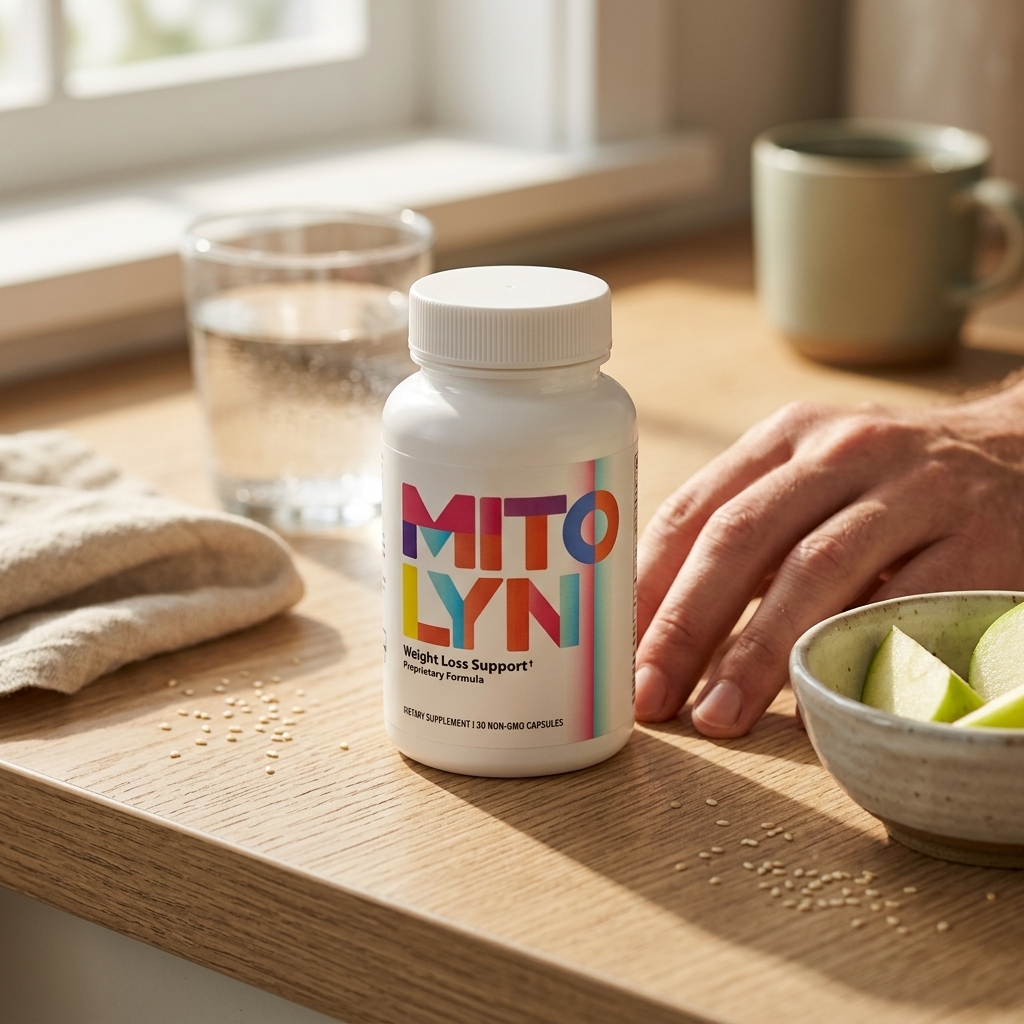
The Layer Your Plate Can’t Reach
Your food is doing its part — now support the cellular step that turns it into real relief
Mitolyn is a plant-based formula designed to support the mitochondria — the part of your cells responsible for converting good nutrition into usable energy. When that conversion slows, even the cleanest diet can leave you feeling stiff, foggy, and stuck. Mitolyn supports the deeper layer so your body can finally finish what your food started.
-
Supports the cellular energy process your diet depends on
-
Helps address the gap between eating well and feeling well
-
Plant-based ingredients designed for the mitochondrial layer
When that conversion works, your body hums. Recovery is quiet. Mornings feel open.
When it doesn’t — and this is the part that got me — your cells start sending distress signals. One of the loudest? Inflammation. Not because you ate something wrong. Because the internal machinery couldn’t finish the job.
I sat with that for a long time. It explained everything.
The gap between what I ate and how I felt wasn’t about discipline. It was about depth.
⸻
The night I stopped blaming the grocery list

I remember the exact evening it shifted for me. I was standing at the counter after dinner, rubbing the base of my thumb absentmindedly, and I thought: What if the food was never the problem?
Not that it didn’t matter. It did. But I’d been treating nutrition like the whole answer, when really it was the first half of a sentence my body was trying to finish. I started looking into mitochondrial support — not meal plans, not macros, but what actually helps the cell do its work once the nutrients arrive. That’s when I came across Mitolyn. It was built around supporting exactly what I’d been reading about — the mitochondria themselves. A blend of plant-based ingredients designed to support the cellular energy layer that good food alone wasn’t reaching.
I didn’t expect much. I’d been burned by enough “solutions” to keep my expectations at floor level. But I took the first capsule the next morning alongside breakfast, and something about the simplicity of it felt right. Not dramatic. Just — deliberate. Like I was finally addressing the right question.
What shifted, and how I almost missed it

The changes didn’t arrive with fireworks. They crept in sideways.
The first thing I noticed — maybe ten days in — was that I stopped cracking my knuckles in the morning. Not a conscious decision. I just realized one day that the urge was gone because the tightness wasn’t there to provoke it.
Then: the 2 p.m. fog started arriving later. Then lighter. Then some days, not at all. My face looked different in a way I couldn’t name at first. Less swollen. Sharper around the jaw. A friend said I looked rested and I almost laughed, because I was sleeping the same hours. Something had just changed in what those hours were doing for me.
I was still eating the same meals. Still walking after dinner. Still keeping the same rhythm. The difference was underneath — like the engine had finally caught up with the fuel.
Mitolyn became the thing I didn’t skip. Not because of a rule. Because my body had started speaking a quieter language, and I wanted to keep listening.
Some mornings, reaching for the bottle felt less like taking a supplement and more like acknowledging something — a small, private agreement between me and whatever was finally working beneath the surface.
⸻
Why most anti-inflammatory advice leaves you halfway

The standard guidance isn’t wrong. Berries help. Fatty fish helps. Cutting processed sugar helps. These are real, evidence-backed changes, and they matter. But most anti-inflammatory nutrition for aging stops at the surface — what goes in. It rarely addresses what happens after. The mitochondrial step. The cellular step. The part where your body has to convert good inputs into good outputs, and where age, stress, and accumulated wear start to slow that process down.
That’s not a character flaw. It’s biology doing what biology does over time.
And it’s the reason so many people eat beautifully and still feel inflamed. They’ve solved the supply problem. But nobody told them about the conversion problem.
What a real anti-inflammatory rhythm looks like now

My mornings aren’t complicated. Mitolyn first — that comes before breakfast, before email, before anything pulls me forward. Then eggs, greens, olive oil on almost everything. Something warm and grounding. Lunch is whatever I made too much of last night. Dinner rotates: fish, lentils, roasted vegetables, rice. Nothing extreme. The kind of food your grandmother would recognize.
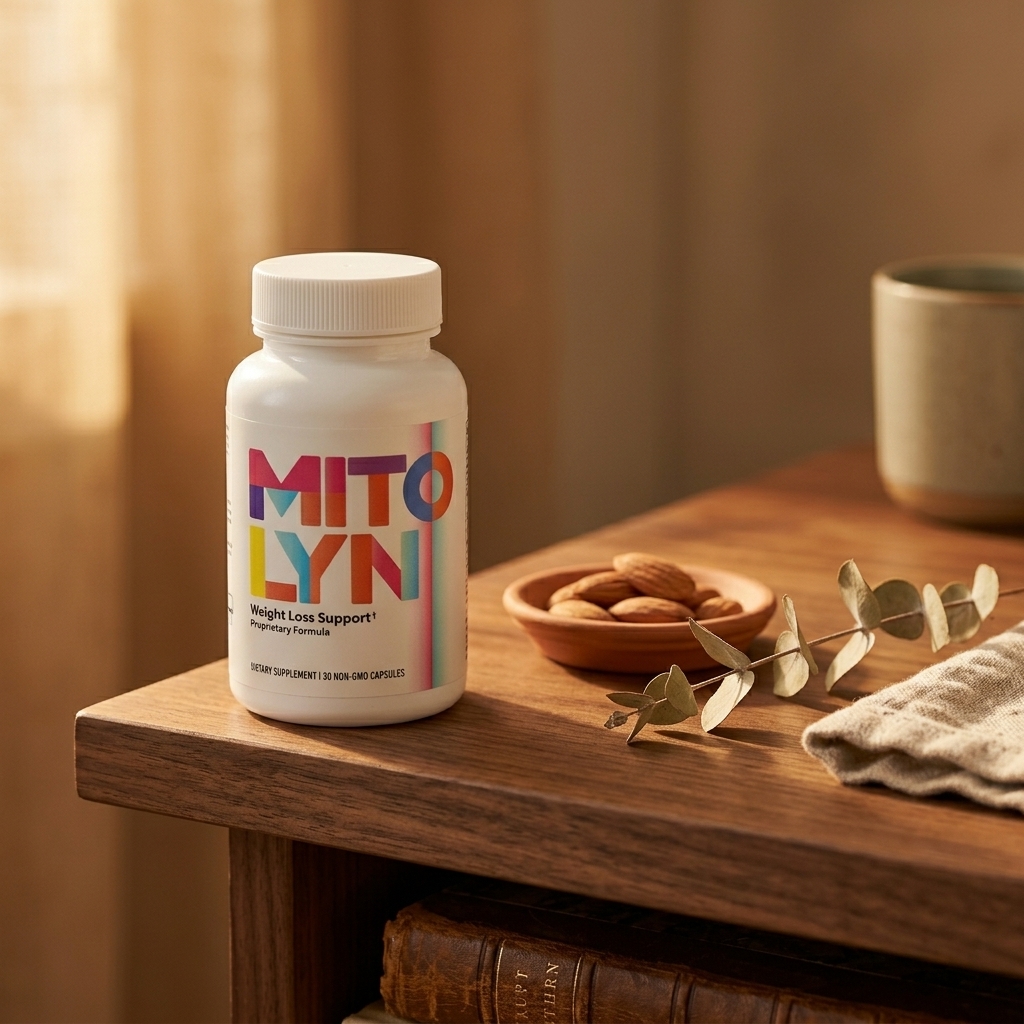
Your Rhythm, One Layer Deeper
You already eat well — now give your cells the support that turns good habits into good mornings
Mitolyn supports the mitochondrial process that sits beneath your nutrition — the step where your body converts what you eat into energy, repair, and calm. It’s one addition. No overhaul required. Just the deeper layer your body’s been waiting for.
-
One capsule supports the conversion your food can’t finish alone
-
Works with your existing habits, not against them
-
Designed for the part of aging your grocery list can’t address
I walk after eating. I sleep at the same time every night — not because a tracker told me to, but because my body started craving the rhythm once the inflammation quieted down. Like it finally had the bandwidth to ask for what it needed.
The stiffness is mostly gone. The fog is mostly gone. The puffiness has settled into something that looks like my actual face again.
And the strange thing? I didn’t add much. I just stopped ignoring the layer beneath the plate.
If you’re doing everything right and still aching

There’s a particular loneliness in that position. When the advice says eat better and you already do. When the checklist is complete and your body still hasn’t caught up. You start to wonder if the problem is you.
It’s not you.
It might be that your cells need something your plate can’t fully provide on its own. That the mitochondrial layer — the one nobody puts on an infographic — is where your body is quietly asking for help.
Anti-inflammatory nutrition for aging is real, and it starts with food. But it doesn’t end there.
The deeper shift, the one that finally let me open a jar without wincing and walk through a morning without cataloguing what hurts — that came from going one level further. You don’t have to overhaul everything again. You just have to look a little deeper than the plate.
And honestly? That deeper layer might be the thing that’s been waiting for you all along.
Written by Elias Menden — for those who seek steady energy and quiet strength.
Related reading
- What I Eat for Joint Pain: My Anti-Inflammatory Diet for Joints Plan
- Anti-Inflammatory Nutrition: How Diet Can Boost Cellular Health
- Your Daily Anti-Inflammatory Routine: The Small Shifts That Change How Your Body Feels
- Anti-Inflammatory Cooking for Joint Health: The Pantry Overhaul That Changed How I Move