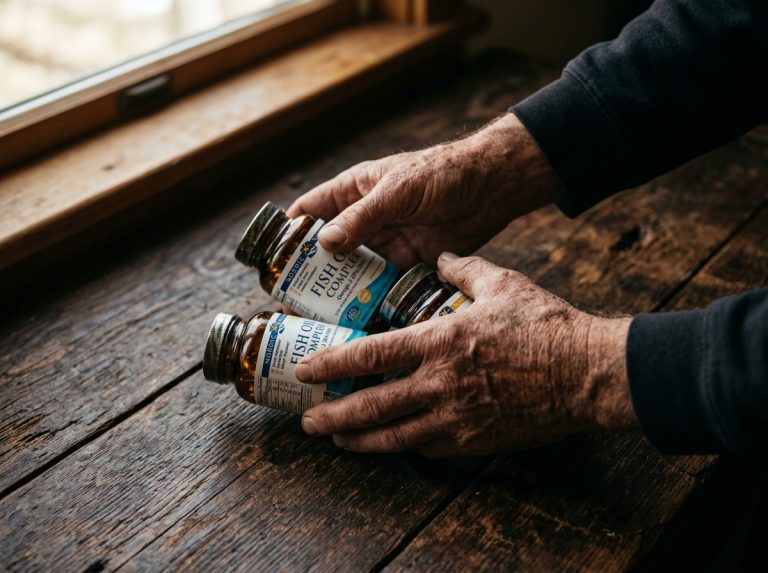
The alarm goes off at 5:30 AM, same as always. But instead of that familiar groan and the mental negotiation about whether I can skip today’s workout, I’m already swinging my legs out of bed. It’s been six weeks since I started taking Mitolyn, and this morning energy thing still surprises me. Not the jittery, artificial buzz I used to chase with extra coffee, but something deeper—like my cells remembered how to work properly.
At 38, I thought the days of bouncing back from hard training were behind me. Those recovery periods that used to take 24 hours had stretched to 48, sometimes 72. My evening energy was shot. My weekend warrior sessions left me dragging through Monday and Tuesday. I’d accepted it as part of getting older until a conversation with my training partner changed everything.
“Your mitochondria are probably cooked,” he said, matter-of-fact, after I mentioned how wrecked I felt after our Saturday session. “Mine were too. Started taking this stuff called Mitolyn about two months ago. Game changer.”
That’s how I first heard about targeting cellular energy at its source rather than just masking fatigue with stimulants.
The Reality Check That Started Everything

The wake-up call came during a routine Tuesday evening workout. Nothing crazy—just my usual chest and shoulders routine that I’d done hundreds of times before. But by the third set of bench press, my energy had completely bottomed out. Not muscle fatigue, but something deeper. Like someone had unplugged my internal battery mid-workout.
I sat on the bench, looking at the weights I couldn’t finish lifting, and realized this wasn’t normal aging. This was my body running on fumes while I kept demanding performance it couldn’t deliver. My recovery wasn’t just slow—it was incomplete. Each workout was building on a foundation of accumulated exhaustion.
That night, instead of my usual scroll through social media, I dove into research about cellular energy production. What I learned changed how I think about performance entirely. It’s not about pushing harder when you’re tired. It’s about fixing why you’re tired in the first place.
Ready to address energy production at its cellular source?
Why Standard Recovery Advice Falls Short

Every fitness article talks about the same recovery basics: sleep eight hours, eat protein, drink water, stretch. I was doing all of that religiously. Meal prep on Sundays. In bed by 10 PM most nights. Foam rolling until my IT bands screamed. Yet I still felt like I was running my engine on two cylinders instead of eight.
The missing piece, I discovered, isn’t about what you do after your workout—it’s about whether your cells have the raw materials to actually repair and rebuild efficiently. Most recovery advice treats symptoms while ignoring the cellular machinery that makes recovery possible.
Traditional supplements either give you a temporary energy boost or help with specific aspects of recovery like muscle protein synthesis. But they don’t address the fundamental energy production systems inside every single cell that determine how efficiently your body can adapt to training stress.
Stop treating symptoms and start supporting your mitochondria.
The Mitochondrial Connection I’d Been Missing

Mitochondria—those tiny powerhouses inside every cell—are what convert the food you eat into the energy your body can actually use. When I was 25, mine worked like a well-oiled machine. At 38, they were more like an old car engine that needs five minutes to warm up and occasionally stalls at red lights.
This isn’t just about feeling tired during workouts. When your cellular energy production is compromised, everything downstream suffers: muscle recovery, hormone production, mental clarity, sleep quality. Your body becomes less efficient at every process that keeps you performing at your best.
The research on mitochondrial support kept pointing to specific nutrients that most people—especially active men over 35—simply don’t get enough of through food alone. Nutrients that support the complex biochemical processes that turn calories into cellular energy and help damaged mitochondria repair themselves.
Experience what sustained cellular energy feels like.
My First Month with Mitolyn

I’ll be honest—the first two weeks, I didn’t notice much. Maybe slightly better energy in the afternoons, but nothing dramatic. I was expecting some kind of immediate transformation, like taking a pre-workout supplement. That’s not how mitochondrial support works. It’s about gradually restoring optimal function to systems that have been running suboptimally for years.
Week three is when things started clicking. I finished a leg workout on Thursday and realized Friday morning that my quads weren’t screaming at me. Not completely pain-free, but the usual deep soreness that would linger for days was just… manageable. I could walk downstairs without holding the railing.
By the end of month one, my training log told the story better than I could.
Sessions I used to dread were becoming enjoyable again. My rest periods between sets were shorter because I wasn’t gasping for recovery. Most importantly, I was sleeping deeper and waking up actually refreshed rather than just less tired.
Transform your recovery from the inside out.
The Energy Shift That Changed My Evenings

One of the biggest changes wasn’t in the gym—it was at home. For months, I’d been that guy who came home from work completely drained, managed to get through dinner and maybe help with bedtime routines, then collapsed on the couch scrolling my phone because I didn’t have energy for anything productive or engaging.
Around week five of taking Mitolyn consistently, my wife noticed I was actually present in the evenings. Having real conversations instead of grunting responses. Suggesting weekend activities instead of defaulting to Netflix. She asked what had changed, and I realized I had mental energy left after physical energy, something I’d forgotten was possible.
This wasn’t about having excess energy to burn. It was about having sustainable energy that didn’t crash and burn by 3 PM. The kind of steady, reliable energy that lets you show up fully for your workouts, your work, and your relationships without constantly feeling like you’re running on empty.
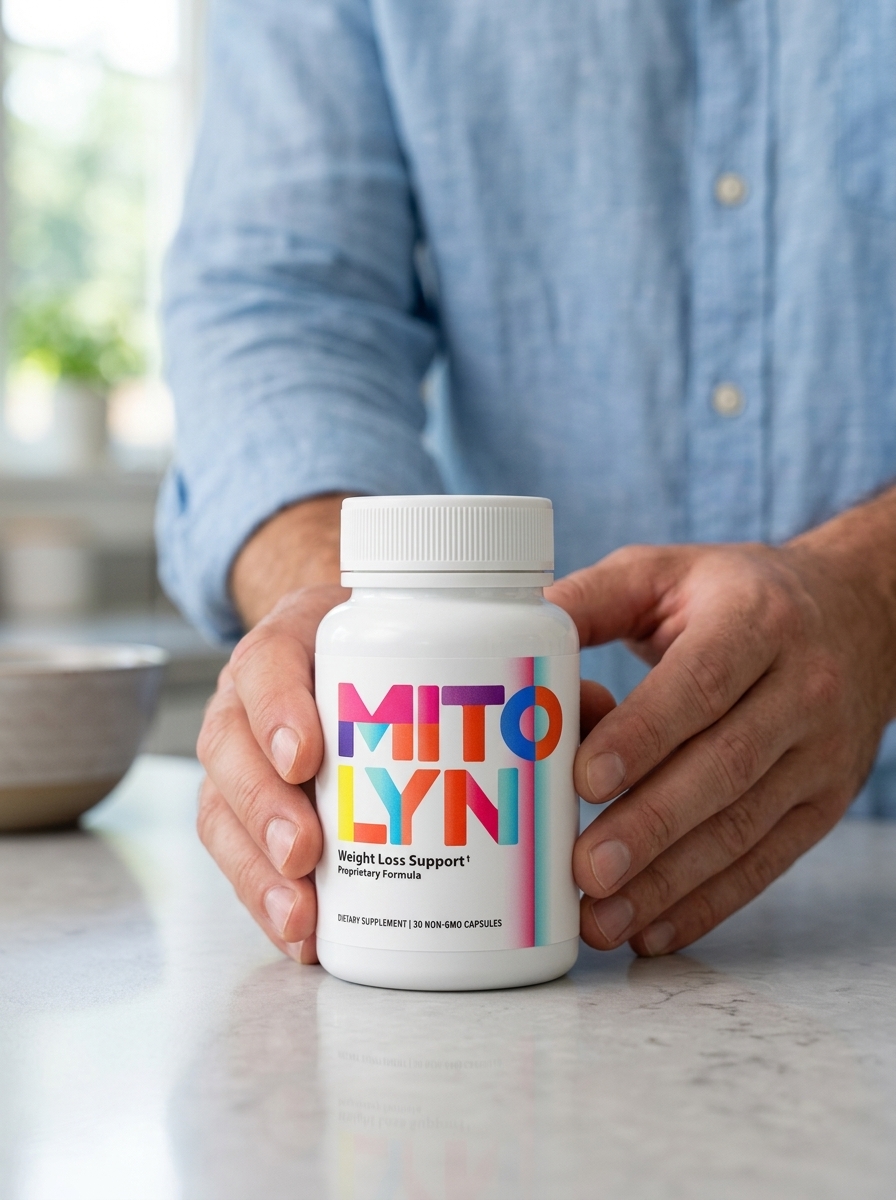
Fuel Your Cellular Powerhouses
Support the mitochondria that convert food into sustainable energy your body can actually use.
Mitolyn delivers targeted nutrients directly to your cellular energy centers, helping restore optimal mitochondrial function that declines with age. Instead of masking fatigue with stimulants, address energy production at its source. Advanced formulation supports recovery, performance, and steady energy that lasts all day.
- ✓ Deeper, more restorative sleep quality
- ✓ Sustained energy without afternoon crashes
- ✓ Faster recovery between training sessions
What Actually Changed in My Training

Six weeks into consistent Mitolyn use, my training partners started asking questions. Not because I was suddenly lifting massive amounts of weight, but because I was training with consistency they hadn’t seen from me in years. Missing sessions due to fatigue became rare instead of routine.
My rep ranges improved not because I got dramatically stronger, but because my muscular endurance came back. Sets that used to leave me gasping now felt sustainable. I could push closer to actual muscle failure rather than systemic energy failure, which meant I was actually training the muscles I intended to train.
Recovery between sessions went from “barely ready” to “genuinely recovered.” Tuesday’s workout didn’t compromise Thursday’s performance. Weekend sessions didn’t wreck the following week. I felt like I had my training momentum back instead of constantly playing catch-up with accumulated fatigue.
Give your cells the support they need to thrive.
The Sleep and Mood Changes I Didn’t Expect

Around week four, I started tracking my sleep quality more carefully because something felt different. Not just the duration—I was already pretty good about getting seven to eight hours—but the actual restorative quality of that sleep. I was waking up fewer times during the night, and morning grogginess became the exception rather than the rule.
What surprised me more was the mood stability. I’m not naturally an anxious person, but I had developed this low-level irritability that I’d attributed to work stress and general life demands. That background tension started lifting without me consciously working on stress management techniques.
My theory is that when your cells are producing energy efficiently, your nervous system doesn’t have to work as hard to maintain basic functions. You have more capacity for handling daily stressors because you’re not already running near your physiological red line just to get through normal activities.
Stop accepting fatigue as inevitable. Support your powerhouses.
Why I’m Still Taking Mitolyn After 45 Days

The honest test of any supplement is whether you keep taking it after the initial trial period ends. With Mitolyn, the question answered itself. About six weeks in, I ran out and didn’t reorder immediately, thinking I’d see how I felt without it for a few days.
Within a week, that familiar afternoon energy crash was back. My Thursday workout felt like I was moving through mud. My weekend felt less energetic, more like surviving rather than thriving. It wasn’t a dramatic collapse, but the contrast made it clear that Mitolyn wasn’t just providing a temporary boost—it was supporting sustainable improvements in how my body generates and uses energy.
I reordered immediately and have been consistent with it since. This isn’t about dependence on a supplement; it’s about supporting cellular function that improves with age when given the right tools. At 38, I’m not trying to feel like I’m 25 again. I’m trying to be the best version of 38 I can be, with energy reserves that match my ambitions and responsibilities.
For men dealing with that frustrating combination of declining recovery, inconsistent energy, and the feeling that your body isn’t keeping pace with your goals anymore, I’d recommend giving Mitolyn a serious try.
Not for two weeks, but for at least a month to see if it addresses the cellular energy issues that might be holding you back. Your future training sessions—and your evening energy levels—might thank you for it.
Written by Elias Menden — for those who seek sustainable strength
Ready to feel the difference this formula makes?