The jar of pickles wouldn’t open.
I was standing at my kitchen counter on a Wednesday night, hands still damp from rinsing lettuce, when I realized I couldn’t get the lid to budge. Not even close. I repositioned my grip. Tried the towel trick. Ran it under hot water. Nothing.
My thirteen-year-old wandered in, took the jar from my hands, and opened it in one casual twist.
She didn’t say anything. Didn’t need to. The look on her face said it all: When did you get weak?
I laughed it off. Made a joke about her volleyball grip strength. But later that night, lying in bed, the moment sat differently in my chest.
Because it wasn’t just the jar.
It was the way my knees had started hesitating before stairs. The small wince in my lower back when I bent to pick up laundry. The strange new awareness that my body—this body I’ve lived in for thirty-eight years—was changing the rules without asking permission.
That’s how bone density shows up after 35. Not as a diagnosis or a doctor’s warning. As a pickle jar.
As a moment when you realize the body you’ve been taking for granted has been quietly asking for something you haven’t given it.
The good news? There are natural ways to improve bone density after 35 that don’t require becoming someone you’re not. Just becoming more intentional with the person you already are.
⸻
Why bones start changing the conversation after 35

Your bones aren’t solid objects. They’re living tissue, rebuilding themselves constantly in a process called remodeling.
Imagine two teams working on your skeleton:
- The builders lay down fresh, strong bone tissue.
- The recyclers break down old, worn-out material.
Through your twenties, the builders stay ahead. Somewhere past 35, the balance starts shifting. The recyclers keep their pace, but the builders begin to slow down.
You won’t notice it immediately. But over months and years, the gap grows.
What speeds it up?
- Sitting more than moving (bones need load to stay strong)
- Skipping strength work for cardio-only routines
- Inconsistent calcium intake (your body borrows from your bones when it doesn’t get enough)
- Low vitamin D from indoor living
- High stress and poor sleep (your body rebuilds during rest)
You can’t control every variable. But you can send your skeleton one clear, repeated message:
“We’re still building. We’re not done.”
⸻
Natural ways to improve bone density after 35
Bone density improves through three things: load, nutrients, and repetition.
Here’s how to make it work in real life.
1) Give your bones meaningful weight to respond to
Bones strengthen when they’re challenged, not when they’re comfortable.
Not destroyed. Not punished. Just asked to do a little more than rest.
Weight-bearing movement tells your skeleton to reinforce itself. That means activities where your bones carry your body weight against gravity.
What counts?
- Brisk walking (not a casual stroll)
- Hiking
- Jogging (if your body tolerates it)
- Dancing
- Jumping rope (even ten jumps helps)
- Stair climbing
- Carrying groceries like it’s purposeful work
One approach that actually works: movement snacks throughout the day.
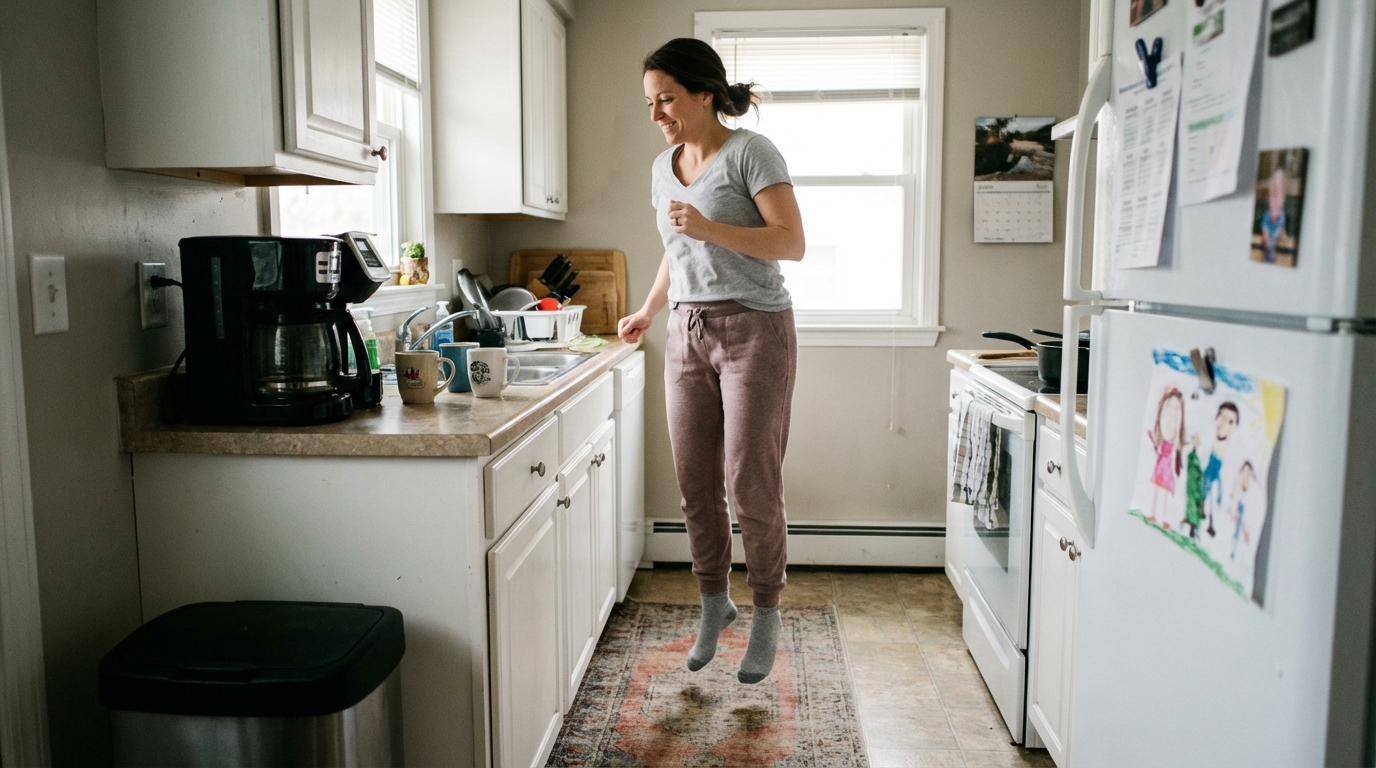
Not just structured workouts. Small bursts scattered through your routine. Twenty hops while coffee brews. Taking stairs after a work call. A quick walk around the block before dinner.
Your bones respond better to frequent signals than to one exhausting gym session per week.
2) Strength train like you’re building your future body
Here’s what changes the game: when muscles pull on bone, that tension signals bone to grow stronger.
Walking is wonderful. But for bone density after 35, strength training becomes non-negotiable.
Not because you need to transform your appearance. Because resistance training is one of the most direct ways to tell your skeleton:
“Reinforce this. We need it stronger.”
Start with basics:
- Squats (or standing up from a chair with control)
- Lunges (or step-backs holding a counter for balance)
- Deadlift pattern (bending to lift a backpack or dumbbells)
- Push-ups (wall, counter, or floor—wherever you are right now)
- Rows (with bands, weights, or a sturdy surface)
Two to three sessions weekly is enough to start. The magic happens through progression: slightly more weight, slightly more steadiness, slightly more confidence over weeks.
And if you’re thinking, I would, but my joints hurt or my back complains or I’m already sore just from existing—I hear you. That’s reality for a lot of us.
This is where I keep something small in my routine that doesn’t replace movement but helps me stay consistent with it.
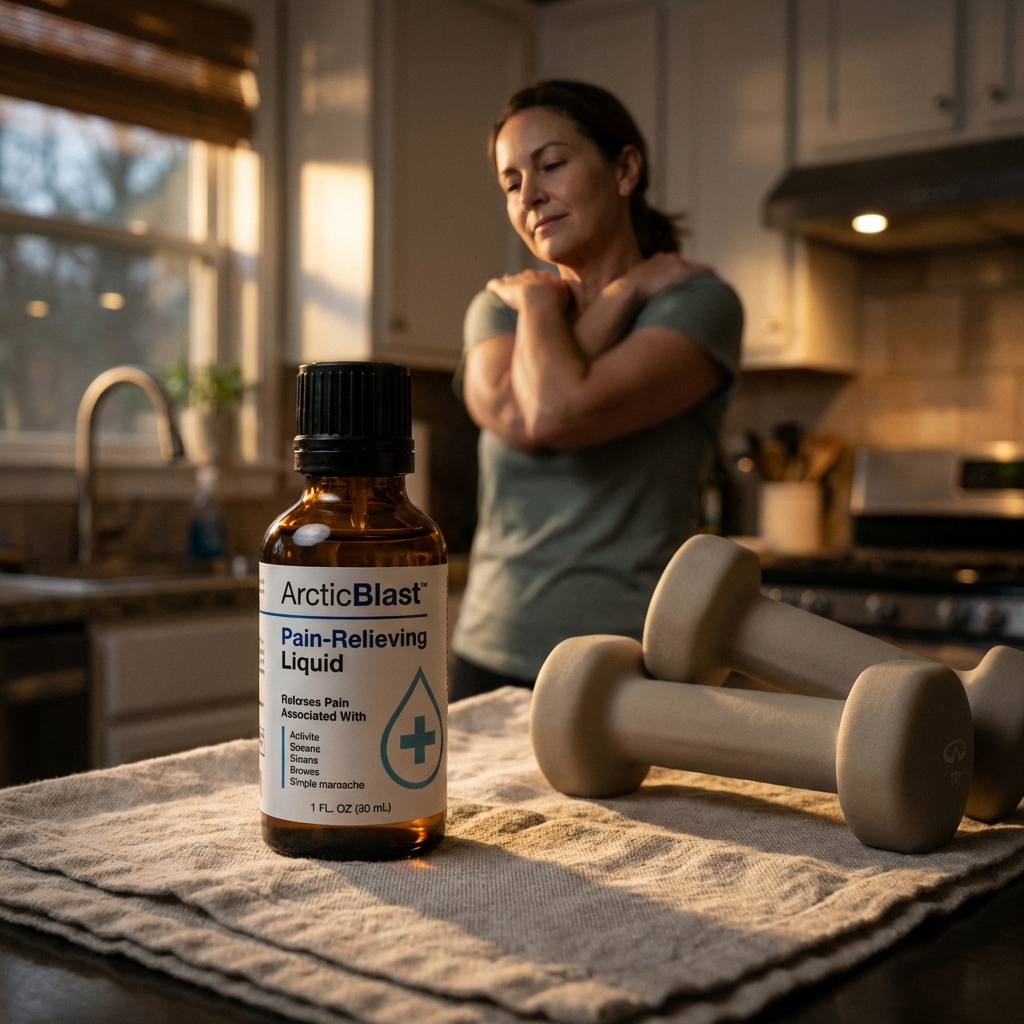
On weeks when I’ve overdone it—slept wrong, carried too many bags, moved furniture I shouldn’t have touched—ArcticBlast, a topical pain relief drop, has been a quiet ally. It doesn’t fix the problem. It just gives me enough comfort that I’m more likely to do the walk, the squats, the stretches—instead of abandoning my whole plan because my body feels cranky.
Train Without Fighting Your Body
Some days strength isn’t the problem—discomfort is
I use ArcticBlast before strength days when my joints or muscles feel loud. It’s a fast-acting topical that creates a deep cooling sensation on contact, helping calm sore areas so I can move again instead of quitting. It doesn’t replace training. It makes training possible.
-
Delivers immediate cooling comfort where you apply it
-
Helps ease stiffness before movement
-
Lets you strength train without bracing or dread
Not a miracle. Just a small bridge that keeps the bigger plan intact.
3) Feed your bones like you’re tending something that matters
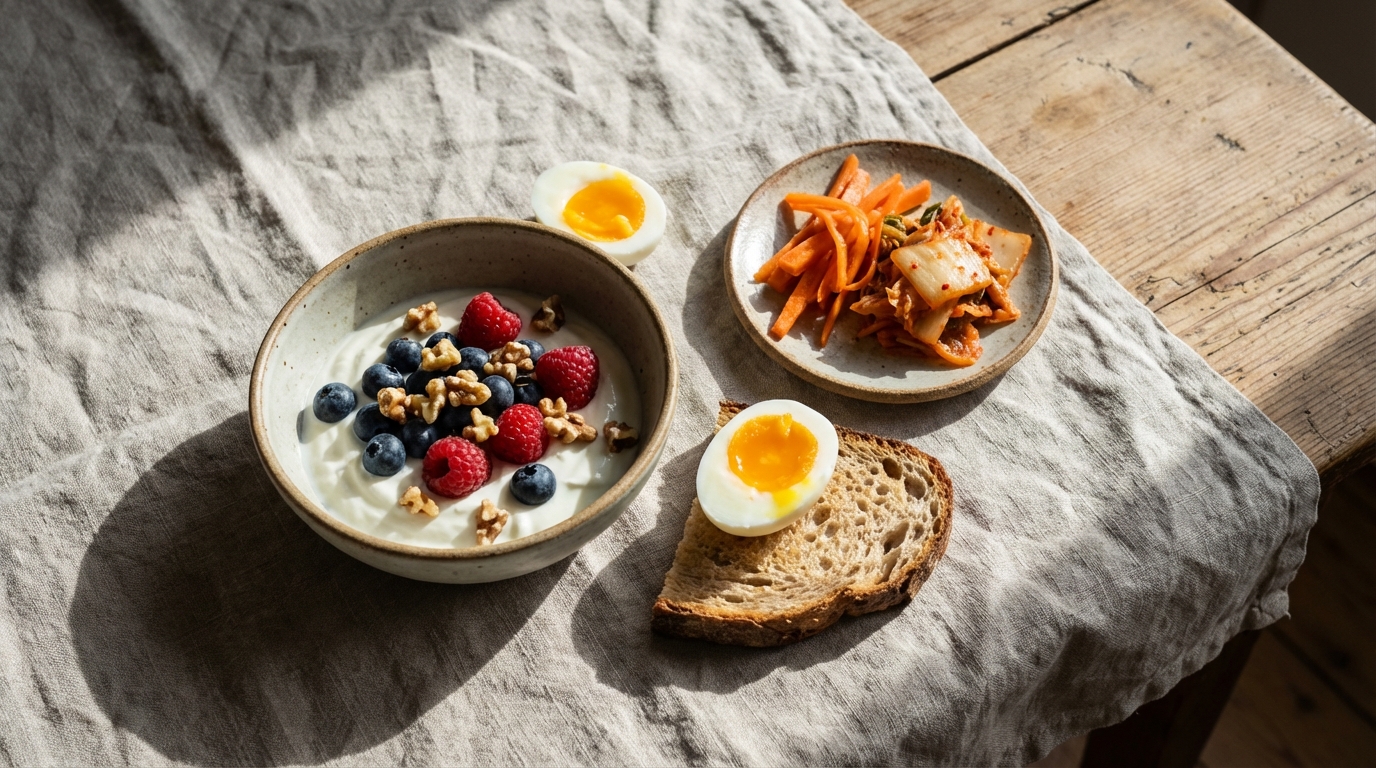
Bone nutrition isn’t about one perfect superfood. It’s about reliable ingredients showing up regularly.
The framework is simple:
Calcium builds. Vitamin D helps absorption. Vitamin K2 directs calcium where it belongs. Protein provides structure for bones to anchor to.
Instead of counting milligrams, build meals around repeatable anchors:
Calcium sources (aim for one daily):
- Yogurt or kefir
- Milk (dairy or fortified plant milk)
- Sardines or canned salmon with soft bones
- Tofu made with calcium sulfate
- Leafy greens like kale or collards (helpful, but not your only source)
Vitamin D habits (small and consistent):
- Morning sunlight when you can get it
- Fatty fish like salmon once or twice weekly
- Fortified foods as backup
Vitamin K2 foods (a few times weekly):
- Fermented foods (natto, kimchi, sauerkraut)
- Certain aged cheeses like Gouda or Brie
- Egg yolks
Protein (essential but often overlooked):
- Eggs, fish, chicken, beans, Greek yogurt, tofu, lentils
- Include some at every meal—especially breakfast
One underrated bone habit: eating enough overall.
Chronic under-eating doesn’t just drain energy. It signals your body to conserve resources—not rebuild. Your skeleton won’t reinforce a structure it thinks you’re abandoning.
4) Notice the patterns that quietly work against you
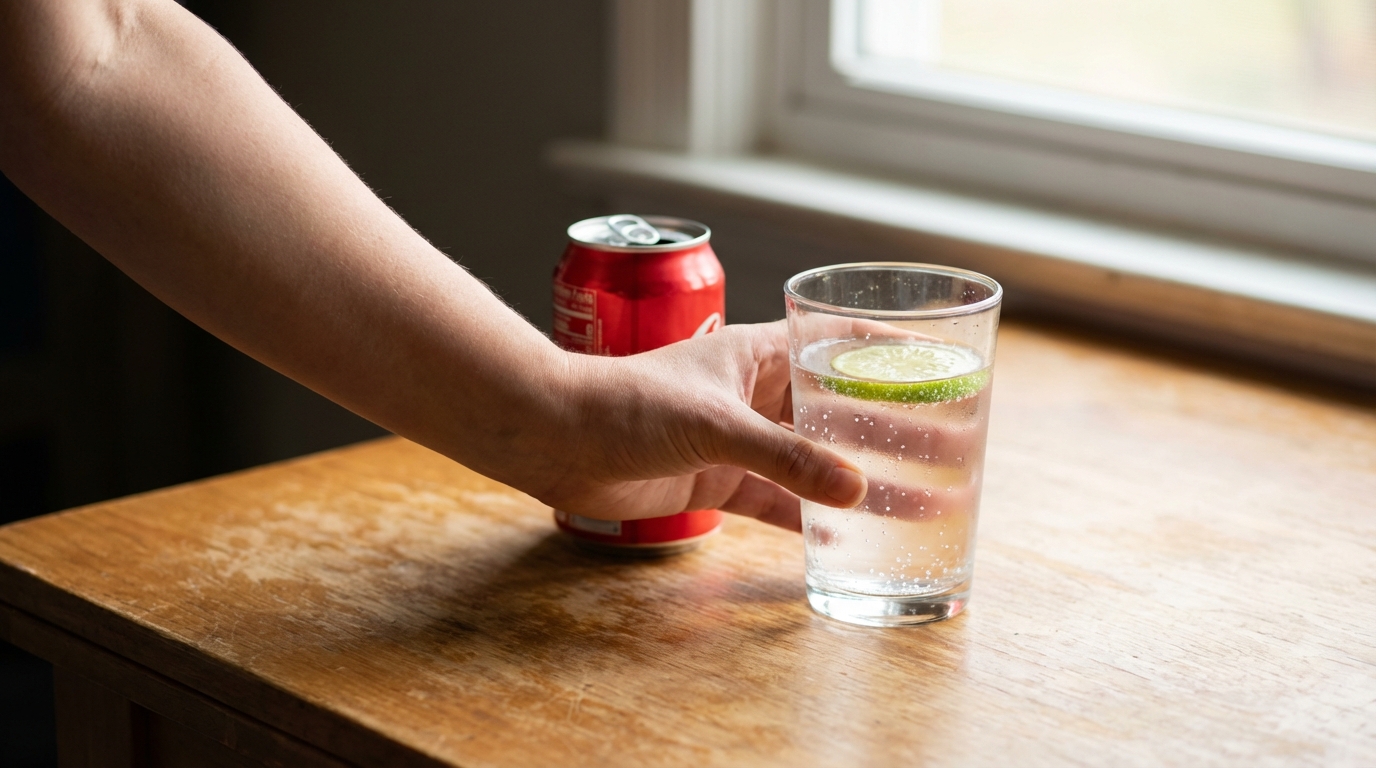
You don’t need a list of forbidden foods. But it helps to see the patterns that subtly drain minerals.
Common culprits:
- High-sodium processed foods as daily defaults
- Soda as primary hydration (phosphoric acid isn’t bone-friendly)
- Chronic stress (shifts your body’s priorities away from rebuilding)
- Ongoing sleep deprivation (repair processes get interrupted)
This isn’t about shame. It’s about choosing the easiest positive swap you can maintain.
Like:
- Cooking one extra meal at home this week
- Adding one mineral-rich snack daily (yogurt with berries, sardines on crackers, tofu scramble)
- Swapping one soda for sparkling water with lime
- Moving bedtime fifteen minutes earlier twice this week
Small sustainable changes beat ambitious plans you’ll abandon.
⸻
A movement rhythm that fits a real week
If you need something maintainable, try this:
Two strength days
Choose 4–6 exercises. Complete 2–3 sets each. Keep it honest and doable.
Three walking days
20–40 minutes. Brisk enough that you feel energized afterward.
Daily balance practice
Balance work protects bones by reducing fall risk. Try:
- Standing on one leg while brushing teeth
- Walking heel-to-toe down the hallway
- A short yoga flow or Tai Chi-style movements
Perfection isn’t the goal. Showing up is.
And when discomfort becomes the reason you stop, don’t treat that as failure. Treat it as feedback.
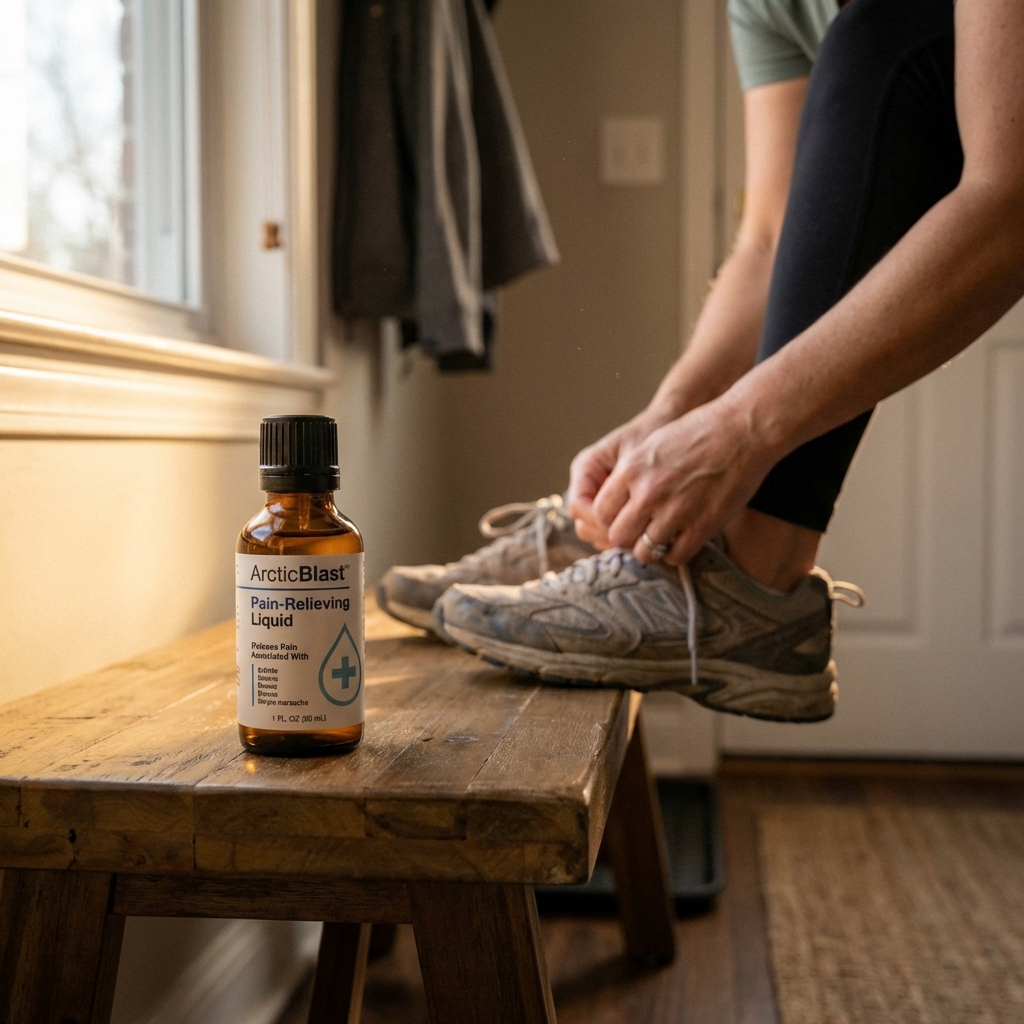
Your Consistency Backup
This is what I reach for when soreness threatens the plan
ArcticBlast is a menthol-based topical made to create a strong cooling sensation on the skin. I apply it to knees, hips, or lower back when they feel stiff. That cooling signal helps my body relax enough to move—so I don’t turn one uncomfortable morning into a skipped week.
-
Menthol-powered cooling you feel fast
-
Targets the exact spot you need
-
Turns hesitation into follow-through
On my own difficult days, I apply a little ArcticBlast to whatever’s bothering me, wait a few minutes, then do the gentlest version of my plan. It’s not a cure. It’s a nudge—just enough relief to keep the chain unbroken.
And after 35, the unbroken chain matters more than the perfect performance.
⸻
The quieter truth about hormones, stress, and bone health

Some seasons make bone-building harder: perimenopause, postpartum, prolonged stress, disrupted sleep.
If you’re in one of those seasons, you don’t need a harsher plan. You need a more forgiving one—one that lets you stay consistent when everything else feels chaotic.
Because bone strength isn’t built through intensity. It’s built through returning.
Returning to strength work. Returning to protein. Returning to sunlight. Returning to walks. Returning to your body like it deserves your attention—because it does.
Your bones don’t need panic. They need you to begin.
If you’ve been waiting for the right moment to take this seriously, stop waiting. But make it gentle.
Put this somewhere you’ll see it: Natural ways to improve bone density after 35.
Not as a threat. As a promise to yourself.
Choose one thing to start this week:
- One strength session
- One daily calcium source
- One brisk walk you complete
- One bedtime you protect
- One “movement snack” that makes you feel capable
And if joint discomfort has been stopping you from moving, give yourself permission to make it easier. A topical option like ArcticBlast can be that bridge—less hesitation, more follow-through, more days when your body receives the signal it needs.
Because the real win isn’t doing everything perfectly.
The real win is becoming the kind of person who keeps building—on purpose.
Natural ways to improve bone density after 35 aren’t dramatic or flashy. They’re steady. They’re lived. And one day, they show themselves in the smallest moments—when you open the pickle jar on the first try, when you carry everything upstairs in one trip, when your daughter asks you to play volleyball in the backyard and your body says yes without hesitation.
—
Written by Liora Menden — for those who seek strength that lasts.