I remember the exact moment I became afraid of my own body.
Not terrified. Not panicked.
Just… aware.
It was in the garden, reaching down to pull a weed, and feeling my knee make this small, dry complaint. A sound I’d never heard before. A sensation that didn’t belong. I stayed crouched there longer than I needed to, testing it. Rolling my weight. Listening.
And I realized: I don’t know what this means.

Is this normal? Is this the beginning? Is this what everyone my age feels and nobody talks about? The questions started that day and didn’t stop.
Because once you feel your body change in a way you can’t control, you can’t unfeel it. You can’t unhear that small voice that whispers: What if I’m getting fragile?
What if I’m getting fragile?
What if the version of me who hikes, who gardens, who takes stairs two at a time without thinking—what if she’s already gone, and I just haven’t admitted it yet?
That fear doesn’t announce itself with trumpets. It arrives quietly. In the pause before you stand up. In the mental calculation you do before saying yes to a walk. In the way you’ve started protecting yourself from your own life without even realizing it.
I did what everyone does—I searched. Calcium, vitamin D, weight-bearing exercise. I read it all. I knew the basics. But none of it answered the question underneath the question:
Why does my body feel like it’s starting to betray me?
And then I found something that finally made sense of the fear. Not a miracle. Not a fix. Just a thread of truth that no one had connected for me before:
Bone strength isn’t just about density. It’s about whether your bones can still handle the life you’re asking them to live.
And that depends almost entirely on two things most people never think about: inflammation and movement.
Which is where fatty acids come in. And why Joint Genesis became the answer I didn’t know I was looking for. Because fatty acids don’t just feed bones. They control the weather system your bones live inside—the signals flooding your cells, the heat or calm in your tissues, and whether your body feels safe enough to keep moving in the ways that actually build strength.
⸻
The connection between fatty acids and bone health

Here’s the simplest way to say it:
Your bones aren’t dead scaffolding. They’re alive. Constantly remodeling—breaking down a little, building back stronger—responding to your life the way a tree responds to wind.
And your body’s response system runs on signals. Some of the most powerful? Fat.
Fatty acids live in your cell membranes. They shape how your body talks to itself. They influence how inflammation rises and settles. They affect the texture of recovery after a walk, a workout, a full day on your feet.
So when you hear “fatty acids,” don’t just think heart health or brain fog. Think:
- How calm does my body feel after strain?
- How quickly do I bounce back?
- Do I move like someone who trusts their body—or someone bracing for the next complaint?
Because bones love confident movement. They crave steady pressure. They thrive on normal, consistent life.
When your joints feel unreliable, you stop moving the same way. You compensate. You shorten your stride. You avoid certain angles. You become careful without realizing you’ve become someone who’s careful.
That subtle pullback is where bone confidence starts to erode. Which is why I stopped treating bone strength like a calcium equation—and started treating it like a movement problem supported by nutrition.
That shift changed everything.
⸻
Omega-3s, omega-6s, and the balance your bones actually feel

The basic story goes like this:
Omega-3s calm things down. Omega-6s are trickier. Balance matters.
True. But here’s what mattered in my real life:
When my body felt less inflamed, I moved more freely.
When I moved freely, I loaded my bones naturally.
When I loaded them naturally, I felt stronger—not just “healthier.”
Omega-3s—like the ones in fatty fish—support a healthy inflammatory response. Omega-6s, common in processed foods and seed oils, aren’t villains, but modern diets pile them on until the inner environment feels hot, reactive, loud.
And bones are sensitive to that. Not in a dramatic way. In a quiet, everyday way.
Because bone remodeling is a balancing act. Your body’s constantly deciding where to invest energy. Where to repair. Where to reinforce. When everything feels irritated, the body doesn’t default to “build and strengthen.”
So yes—fatty acids matter. But here’s what surprised me:
Even with better fats in my diet, my real bottleneck wasn’t nutrition. It was that my joints didn’t want to cooperate every day.
And if I’m honest, that was the deeper fear. Not “bone density” as an abstract concept. The fear of becoming someone who can’t trust her knees, hips, and spine to carry her through normal life.
That’s why Joint Genesis became the turning point.
Strong bones need strong habits. Strong habits need comfortable movement. Comfortable movement depends on joints that feel supported.
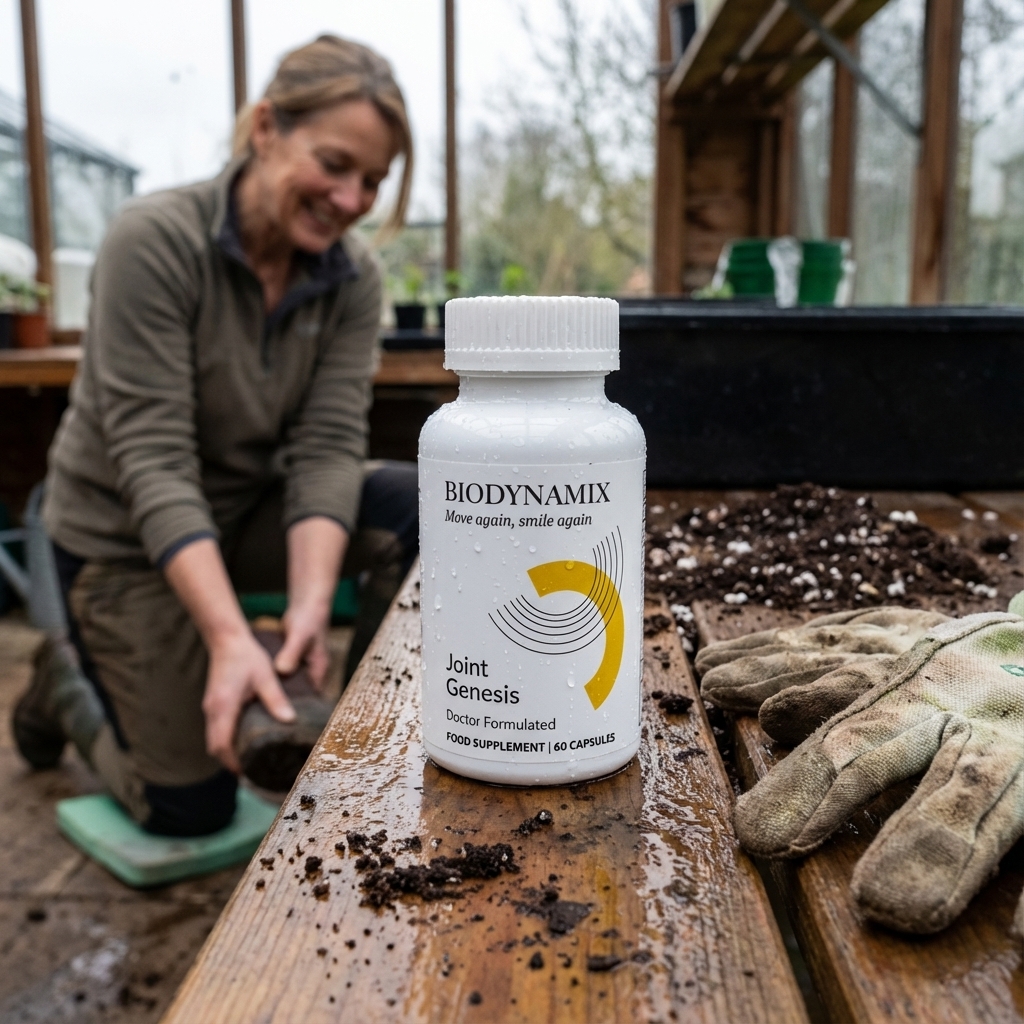
Get Your Glide Back
I wanted movement that felt smooth—so I could keep building strength
Joint Genesis is built around Mobilee®—a patented blend of hyaluronic acid, collagen, and polysaccharides—to support the synovial fluid that helps joints move smoothly. It also includes French maritime pine bark (pycnogenol) to back that “easy movement” feeling, so you keep doing the bone-strength habits.
-
Helps joints feel less “dry”
-
Supports smooth range of motion
-
Makes daily movement feel more natural
⸻
The moment I stopped searching: why Joint Genesis became my bone-strength ally
I didn’t start taking Joint Genesis because I wanted a joint supplement. I started because I wanted my body back.
I wanted to walk without thinking about every step. I wanted stairs to feel like stairs—not a negotiation. I wanted that ordinary, priceless feeling of strength.
And here’s what clicked after I started:
Strong bones need strong habits. Strong habits need comfortable movement. Comfortable movement depends on joints that feel supported.
That’s the chain.
People talk about bone health like it’s a scan or a pill. But your bones are listening to your life. They respond to:
- your daily steps
- your resistance work
- your balance challenges
- your willingness to move with full range and confidence
When joints feel stiff or cranky, we don’t just feel annoyed.
We move less.
We move smaller.
We protect ourselves from discomfort.
And the body learns that smallness.
Joint Genesis mattered because it supported the part of the system that actually determines whether I keep living like an active person. For me, it felt like oiling the hinges of my life—so I could keep doing the bone-supportive basics without fighting my body.
I stopped rethinking it because it solved the real problem:
Not a lack of information. A lack of ease.
Fatty acids + joints: the combo that makes bone strength feel real
Here’s my routine now, without the drama:
I choose fats that make my body feel steady—less reactive, more resilient. I don’t chase perfection. I just choose better most days. And I take Joint Genesis daily because it supports how my joints move, glide, recover—so movement stays natural.
This is what people miss:
You can eat perfectly, but if you don’t move like a strong person, you won’t feel strong. And if you don’t feel strong, you don’t keep the habits.
Bone strength is a long game. It’s built through repetition you can actually sustain.
Joint Genesis gave me the ability to stay consistent without forcing it. That’s what changed things.
⸻
The stabilization moment: what “better” actually felt like

It wasn’t fireworks. It was quieter—more convincing.
It was realizing I wasn’t monitoring my knees all day. It was standing up from the couch without that tiny mental brace. It was walking longer without calculating, How will I pay for this later?
And here’s the part I didn’t expect:
When movement feels smoother, your whole life shifts.
You take the long route through the store. You stand while you cook. You say yes to the after-dinner walk. You do the squats you’ve been avoiding. You carry the laundry without the internal sigh.
Those things aren’t small.
They’re bone habits.
Strength habits.
The daily pressures and pulls your skeleton was designed to meet.
That’s why Joint Genesis became part of my bone conversation—even though most people don’t connect them. It helped me live like someone who protects her bones.
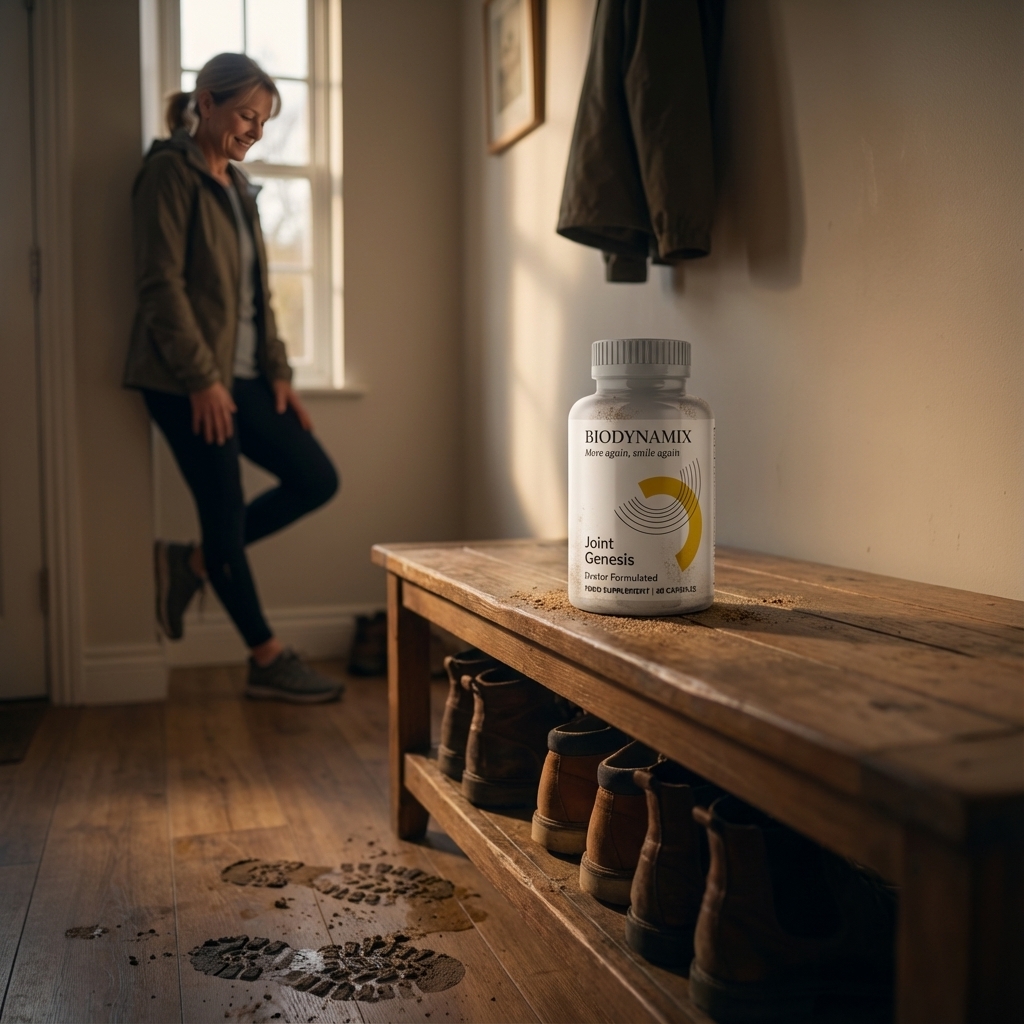
Keep Tomorrow Easy
I don’t want “tough it out.” I want steady days
Joint Genesis supports everyday joint comfort with a clear, simple blend: ginger root and Boswellia serrata to support a healthy inflammatory response, plus BioPerine® (black pepper extract) to help your body absorb what you’re taking. One capsule daily. It’s also gluten-free and vegan-friendly.
-
Less “heat” after busy days
-
Easier mornings and smoother starts
-
Helps you stay consistent with walks
The fatty acids that support bone strength—without complicating life
If you’re trying to support bone strength through fatty acids, here’s the simple approach I wish someone had handed me earlier:
Eat fats that make your body feel calm.
That usually means:
Fatty fish when you can. Real olive oil. Nuts and seeds in normal amounts. Whole foods where fat isn’t engineered in a lab.
Then notice what happens.
Less puffiness? Less achiness? Less heat in your tissues? More willingness to move?
That willingness is everything.
And this is exactly where Joint Genesis fits. It doesn’t demand you overhaul everything. It supports the movement side while you handle the nutrition side—so your bones get the message they crave:
- We’re still active. We’re still building. We’re still living.
Why I don’t overthink it anymore
I used to treat bone health like a future problem. Something I’d “get serious about” later.
But the truth is, later gets built from today.
And I know myself. I know how life works.
If a plan’s complicated, I won’t stick with it.
If it feels stressful, I’ll quit.
If it requires constant willpower, it won’t survive a hard week.
That’s why Joint Genesis feels like relief. It’s one small daily decision that supports the part of me that actually needs it: my ability to move comfortably enough to stay consistent.
And once consistency shows up, everything else gets easier:
Better fats. More walks. More resistance work. More stability. More confidence.
Bone strength stops feeling like fear. It starts feeling like identity.
⸻
The permission moment: if you want stronger bones, protect your movement
If your bones have been on your mind—if you’ve felt that quiet creak, that hesitation on stairs, that new awareness in your hips or knees—don’t wait for it to get loud.
Start building a life your bones want to live in.
Bring in fatty acids that support a calmer environment inside. And give your joints daily support so movement stays natural.
That’s what Joint Genesis did for me. It became the thing I relied on, not because I wanted another supplement to manage, but because I wanted to stop thinking about my joints all day.
When that mental weight lifted, everything got easier. Including the habits bones require.
Fatty acids for bone strength: the conclusion I wish I’d accepted sooner

Bone strength isn’t only built in the kitchen.
It’s built in the hallway when you walk to get water.
On the sidewalk when you take the longer loop.
In how you stand, carry, climb, squat, reach, recover.
Fatty acids create a calmer, steadier environment for that life. Joint Genesis keeps the movement part smooth enough to keep going.
And when you put those together, something shifts:
You stop acting like someone managing decline. You start acting like someone still building.
That’s the energy I wanted back. That’s the future I’m choosing—one normal day at a time, supported by the things that make consistency feel possible.
Written by Elias Menden — for those who seek strength that lasts.