Last month, I watched my neighbor carry her groceries from the car in three separate trips.
Not because the bags were heavy. Because halfway to the door, she stopped, adjusted her grip, and I saw her face do that thing—that quick calculation women start doing somewhere after 35.
Can I make it? Should I set this down? Is it worth the risk?
I recognized it immediately because I’d been doing the same thing for over a year without admitting it to myself. The mental math before every physical decision. The split-second negotiation between what I wanted to do and what my body might tolerate. The slow, quiet retreat from the woman who used to just move without conducting an internal risk assessment first.

And here’s what nobody tells you about bone health for women over 35: It doesn’t fail dramatically. It erodes in these tiny moments of hesitation.
Your bones stay strong when you move consistently—and you stop moving consistently the moment your joints make every action feel like a gamble.
That’s why I’m going to name the exact product that ended this pattern for me: Joint Genesis. Not because your bones live inside your joints. Because your bones need you to be the kind of person who moves—and my joints were quietly making me into the kind of person who doesn’t.
Joint Genesis didn’t give me superhuman strength. It gave me something more valuable: the absence of negotiation. I stopped bargaining with my body before every decision. And once that bargaining stopped, my entire relationship with movement—and therefore bone health—completely shifted.
⸻
Why bone health becomes non-negotiable after 35 (and why most women miss the real turning point)

Here’s what I didn’t understand until it was almost too late:
Your bones are alive. They’re constantly remodeling, breaking down and rebuilding, responding to what your life demands of them. In your twenties and early thirties, this happens automatically. Your body just… handles it. After 35—particularly as perimenopause starts changing the rules—that automatic quality disappears. Recovery takes longer. Sleep gets fragmented. Stress lands harder. Your body stops giving you the benefit of the doubt.
And your bones? They’re paying attention to all of it.
Your skeleton doesn’t respond to your intentions. It responds to your actions.
If your daily life includes walking, lifting, climbing, carrying, training, moving with purpose—your bones get a clear message: We need to stay strong. This woman still does things. If your daily life slowly contracts into sitting, avoiding, skipping, moving carefully, finding reasons to do less—your bones get a different message: She doesn’t need us the way she used to. We can ease off.
This is why bone health isn’t solved by supplements alone. It’s solved by becoming someone who moves without an internal permission process first.
And that’s exactly where Joint Genesis earned its place in my life. When my joints feel reliable, I don’t debate whether I can handle the hike, the workout, the extra trip up the stairs. I just do it. And in that absence of debate, bone-protective habits become automatic instead of aspirational.
⸻
Perimenopause: when your body stops cooperating and bone health becomes urgent

Most women describe perimenopause like their body suddenly started speaking a foreign language. Energy tanks without warning. Mood swings appear out of nowhere. Sleep becomes something you try to do instead of something that just happens. Training feels like pushing through concrete. And if you’re dealing with joints that ache, stiffen, or just feel unreliable, you start quietly avoiding the exact activities that keep you strong.
Here’s the cruel timing of it all:
The bone conversation becomes urgent right when your capacity feels most stretched.
So you respond the way capable women always respond—you try to outwork the problem. More supplements. More research. More elaborate systems.
But what actually works usually starts much simpler: one non-negotiable daily anchor that removes friction instead of adding complexity.
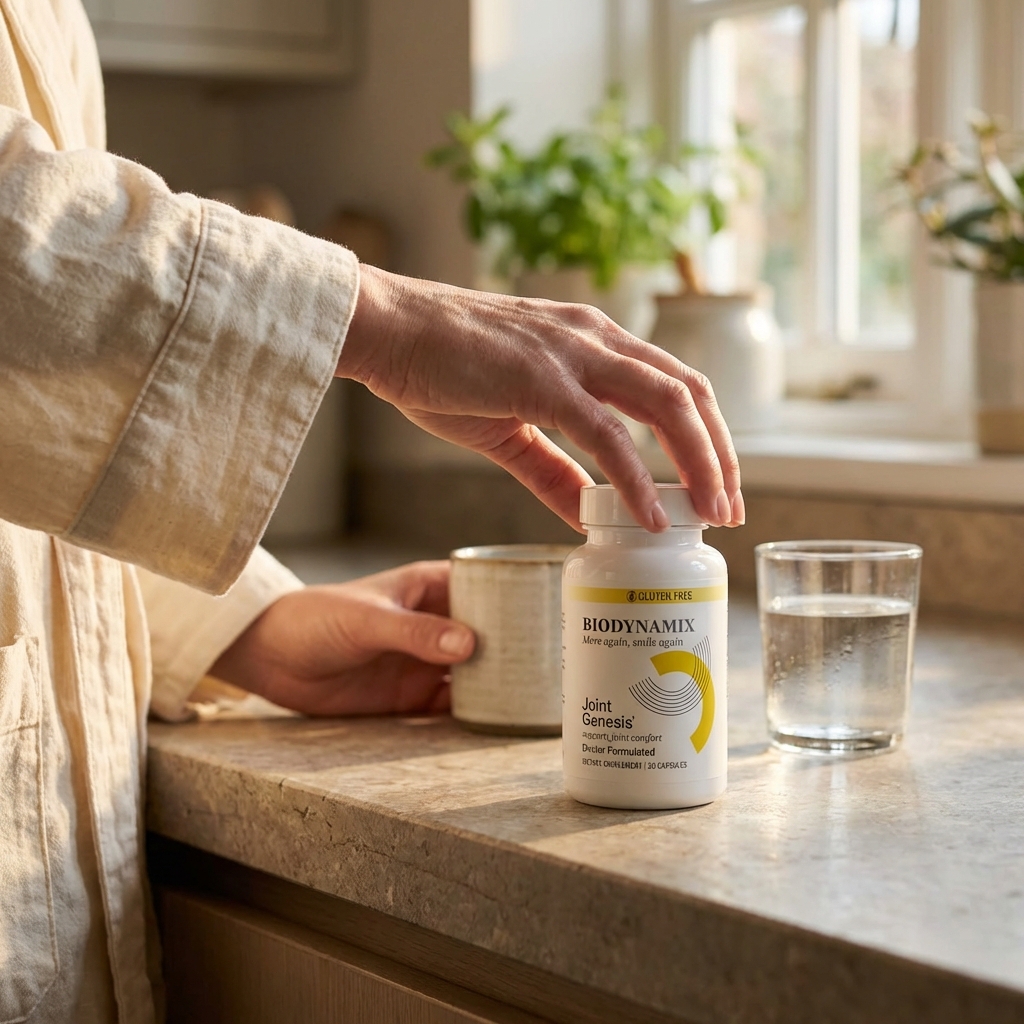
I Removed the Friction
My bones needed movement — my joints were blocking it
Joint Genesis didn’t make me stronger overnight. It made movement feel possible again.
This formula is designed to support joint comfort, flexibility, and everyday mobility — the things that decide whether you walk, lift, and stay engaged or quietly opt out.
It’s built with joint-supporting compounds like glucosamine, chondroitin, and plant-based anti-stress nutrients that help joints feel steadier under daily load.
When my joints stopped protesting, my movement came back — and my bone habits came with it.
-
Less hesitation before moving
-
More fluid, reliable motion
-
Fewer internal “should I?” moments
For me, that anchor became Joint Genesis. Not because it solved everything. Because when my joints felt supported, I stopped having that constant low-grade argument with myself about movement. I just moved. And once movement became frictionless again, everything else—the walking, the strength training, the bone-supportive lifestyle—stopped being something I had to motivate myself into.
⸻
Bone health for women over 35: the three-pillar framework that actually holds up
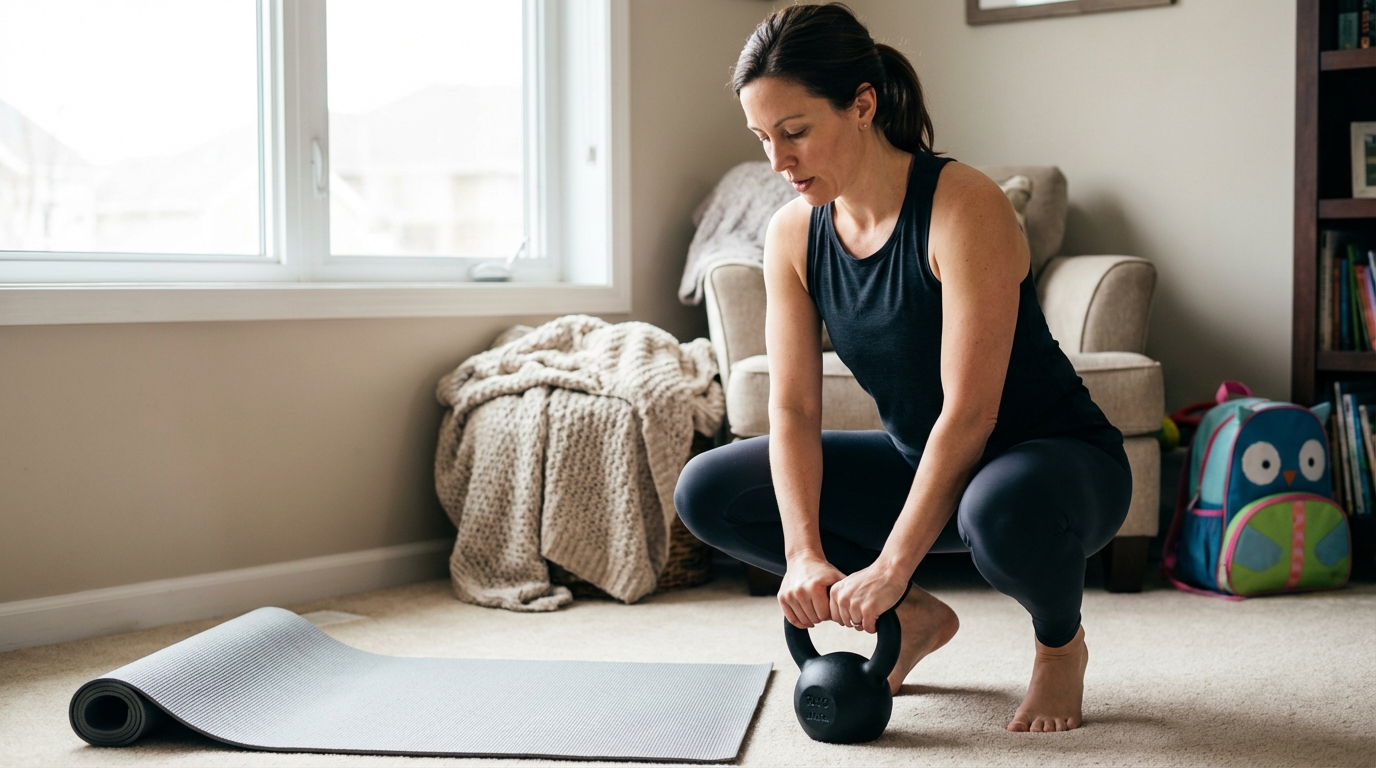
If you want something sustainable—not just something you start with good intentions and abandon by February—think of bone health as three pillars that reinforce each other.
Pillar one: the daily anchor that doesn’t require willpower
This is where most women get stuck in a loop. They try to build bone health on motivation. On discipline. On trying harder.
But motivation is weather. It changes. And discipline burns out when life gets hard. You need something that works even when you’re exhausted, even when you’re stretched thin, even when everything else is falling apart.
For me, Joint Genesis became that anchor point. Not a complicated protocol. Just one daily decision that quietly signals: I’m staying engaged with my body. I’m not letting my physical life shrink. I’m choosing mobility over hesitation.
And when you take that one thing seriously, your behavior shifts in ways you don’t have to consciously manage.
- You walk more because it feels possible.
- You lift without the dread.
- You carry things without the mental calculation.
- You train because your body isn’t constantly giving you reasons not to.
Pillar two: strength and weight-bearing movement that doesn’t require a personality transplant
Bones respond to load. To resistance. To your muscles pulling on them and your feet striking the ground and your body proving it still does demanding things. You don’t need perfection. You need repeatability.
A realistic rhythm might look like:
- A brisk walk most days (not “when you feel motivated”—most days)
- Two or three short strength sessions weekly (20 minutes counts)
- Simple balance work that makes you feel grounded instead of fragile
No heroics. Just consistency.
And here’s the truth that took me too long to accept: You can have the most brilliant plan in the world, but if your joints feel unreliable, you’ll find ways to avoid it without even realizing you’re doing it.
That’s why Joint Genesis isn’t just “a supplement for joints” in this story. It’s the thing that keeps the entire bone-health plan from quietly dying of a thousand small excuses.
Pillar three: bone-friendly nutrition that doesn’t feel like punishment
Bone support isn’t a special diet. It’s the basics, done consistently enough to matter.
- Protein with meals (not optional)
- Mineral-rich foods you’ll actually eat
- Sunlight when you can get it
- A rhythm that nourishes instead of restricts
When women get anxious about bone health, they often swing into extremes. They try to supplement their way out of a lifestyle that’s depleting them. But bones thrive when your entire system is supported—sleep, stress, rest, all of it working together.
The win isn’t perfect adherence. The win is a rhythm that doesn’t require daily negotiation.
⸻
The recognition moment: why “I should have started earlier” is the wrong thought
If you’re reading this thinking, I’m already behind, I need you to stop that thought in its tracks.
Most women weren’t taught to think about bone health proactively. We learn about it when something goes wrong, when someone we know gets hurt, when we suddenly feel vulnerable in a way we never expected. By then, the conversation feels heavy with missed opportunities.
But here’s the reality: You’re not behind. You’re at the exact moment when action matters most.
Bone health for women over 35 isn’t a someday project. It’s a right-now project—because right now, habits are still easy to install. Right now, you still have momentum. Right now, you can decide, calmly and without panic, that you’re not waiting for a crisis to take this seriously.
This is what Joint Genesis changed for me at the identity level:
I stopped treating my body like it was breaking down.
I started treating it like something I maintain.
That shift—from fragile to maintained—changes everything about how you show up.
⸻
The stabilization moment: what actually broke the pattern
Here’s the sentence I needed to hear three years ago:
Joint Genesis changed things because it made movement feel like a default setting again instead of a decision I had to win an argument with myself to execute.
Not effortless. Not like I was twenty again.
Just… reliable.
When my joints felt steadier, I walked more without the internal debate. I trained without the low-grade dread that used to precede every session. I stopped making micro-excuses that compounded into macro-avoidance. And once movement became my default again, bone-supportive habits stopped being this thing I was “trying” to do and just became what I did.
That’s the real transformation: not hype, not magic—momentum.
Bone health doesn’t come from one intense burst of effort. It comes from the quiet accumulation of a life that includes movement as a baseline, not as an achievement.
Joint Genesis supports the part of me that maintains that baseline even when life gets chaotic.
⸻
The risks no one mentions until they’re already living them

When people talk about bone health, they usually jump straight to the dramatic outcome—the fall, the fracture, the hospital stay.
But the real danger shows up much earlier, in behavioral shifts so gradual you don’t notice them until they’ve already redefined your life:
- You sit more because it feels easier
- You carry less because it feels safer
- You skip strength training because it feels uncomfortable
- You move carefully, and careful becomes your entire physical identity
This is how strength leaks out of a life without anyone noticing. And this is why I’m being so direct in this guide: the bone plan that works is the plan that keeps you moving without hesitation.
If your joints are the barrier, you remove the barrier.
That’s what Joint Genesis does in this framework. It removes the friction between intention and action. It makes movement feel possible instead of provisional.
⸻
What to do this week if you want to change the trajectory
Don’t redesign your entire life. Don’t launch into some ambitious transformation you’ll abandon in ten days.
Do the simplest version that you can actually sustain.
- Choose one daily anchor: Joint Genesis
- Choose one daily movement: a walk you can repeat without drama
- Choose two strength moments this week: short, manageable, no perfection required
- Choose one bone-friendly meal rhythm: protein at breakfast, mineral-rich foods at dinner
That’s enough to shift your direction.
Because bone health for women over 35 doesn’t require intensity or extremes. It requires identity shift.
You become the woman who moves. The woman who lifts. The woman who doesn’t shrink her physical life out of caution. The woman who stays engaged with her body instead of slowly retreating from it.
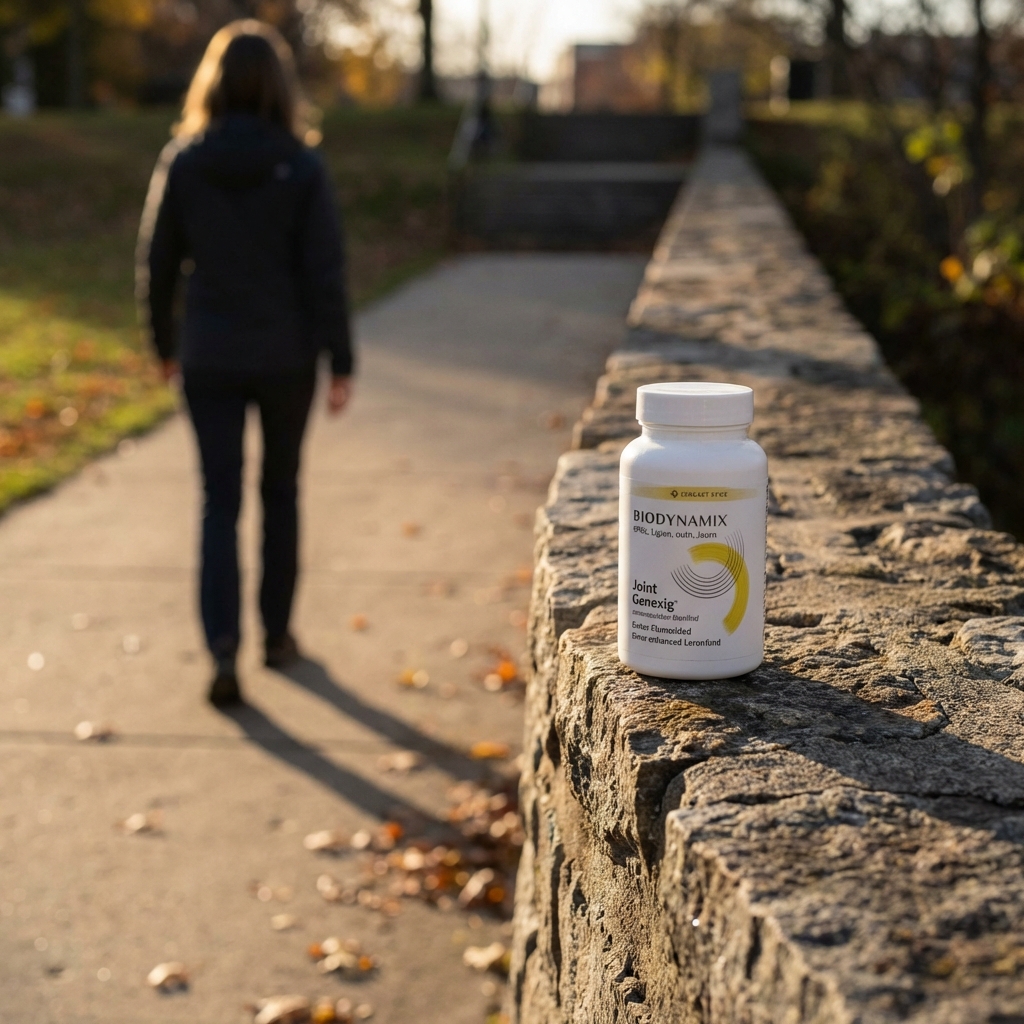
Consistency Beats Intensity
Bone health doesn’t fail from lack of effort — it fails from inconsistency
Joint Genesis works by supporting the tissues that make daily movement repeatable.
Its blend includes hyaluronic acid for joint lubrication, collagen-supporting nutrients, and botanical compounds that help joints handle everyday stress.
That’s why I don’t treat this like a “joint product.”
I treat it like my consistency insurance — because when movement stays easy, bone-supportive habits stay automatic.
-
Walking feels easier to repeat
-
Strength work feels less intimidating
-
Daily movement stays normal, not heroic
And Joint Genesis supports that identity—quietly, daily, reliably—so you’re not in constant negotiation with yourself.
⸻
The permission moment: the decision that ends the research spiral
If you’ve been cycling through articles, collecting advice, starting and stopping plans, here’s what you’re actually looking for:
You don’t need more information. You need one decision you can live inside.
For me, that decision is Joint Genesis—because it supports the one thing bone health absolutely depends on: consistent movement.
When you keep moving, bone-protective habits become automatic.
When you stop moving, even your best intentions quietly evaporate.
So if you want the cleanest, most honest path forward:
- Use Joint Genesis
- Move like you mean it
- Feed your body like it matters
- Repeat
⸻
Conclusion: bone health is a practice you build, not a crisis you wait for
Bone health for women over 35 isn’t about fear or panic. It’s about building a future where your body feels sturdy, capable, and free to move through your life without constant internal negotiation.
And the fastest way to build that future is to protect your movement—because movement protects everything else.
That’s why Joint Genesis sits at the center of this approach. It supports your active life staying active. It’s the choice that transforms bone health from an abstract worry into a daily practice.
When you make that one decision, you stop searching for the answer.
You become the answer.
⸻
Written by Liora Menden — for those who seek calm strength, steady hormones, and a body that feels like home.